Category
Manufacturer
Model
FAQ:
What types of hull equipment are commonly available on the used market?
Used hull equipment covers a wide range of products that serve different functional roles on a vessel. The most commonly traded items include through-hull fittings, sea cocks, hull anodes, drain plugs, transducers, keel bolts, and hull inspection ports. Filling and capping machinery, such as monoblock filler/plugger/capper units, also appears regularly in the used equipment market, particularly from food and beverage or industrial production facilities that have upgraded or closed operations. Buyers sourcing used hull-related machinery will find that availability varies depending on the manufacturer, model, and how recently the equipment was decommissioned.
Beyond individual fittings and hardware, larger hull processing and packaging equipment shows up in used inventories as well. Monoblock systems, for example, combine multiple functions like filling, plugging, and capping into a single machine, which makes them attractive to buyers looking to consolidate production steps. When evaluating used listings, it helps to understand the specific function of each piece of equipment, since hull-related machinery can span everything from small marine fittings to full industrial production lines. Checking the manufacturer and model number against published specifications is a practical first step before making contact with a dealer.
What is a Hull FPC-12 monoblock machine and what is it used for?
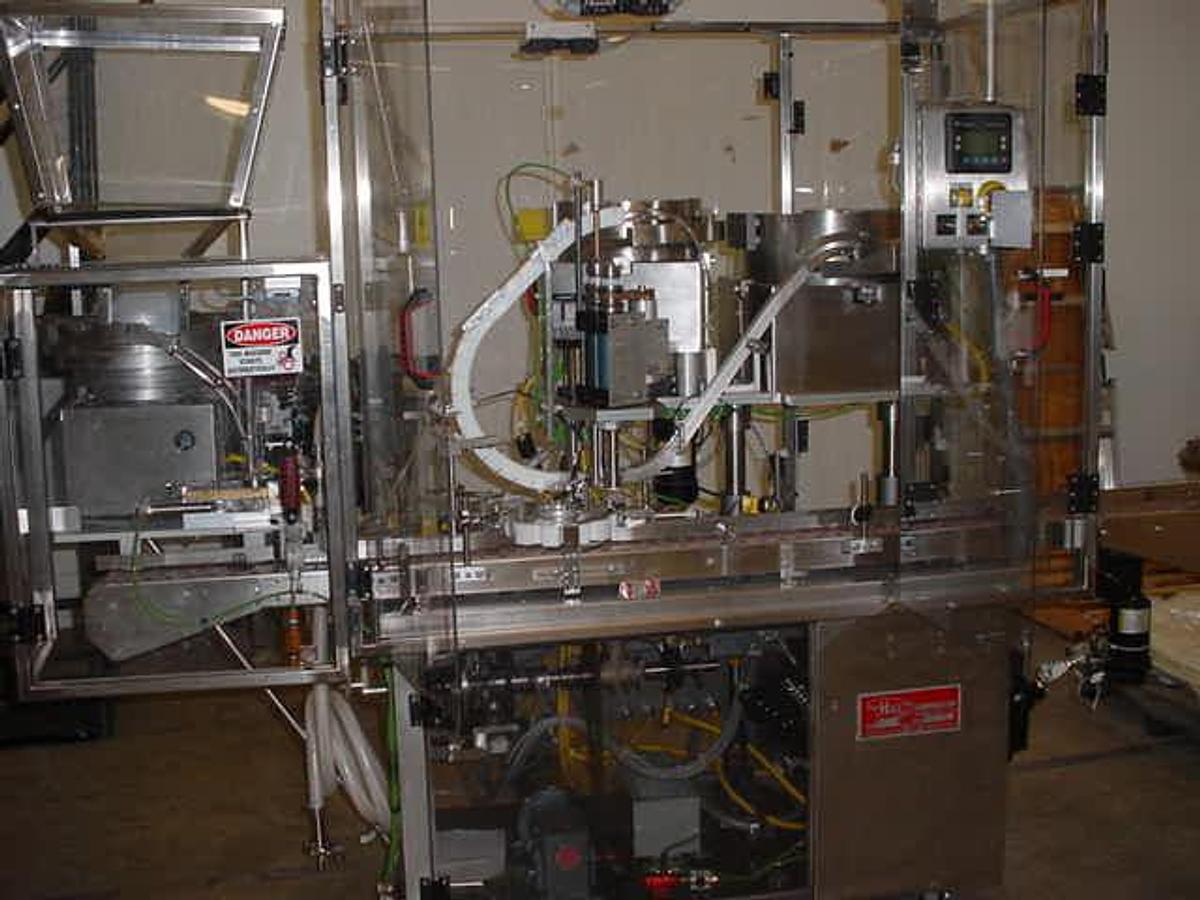
The Hull FPC-12 is a monoblock machine produced by Hull, a manufacturer known for filling and capping equipment used in industrial and food processing environments. The term 'monoblock' refers to a machine design where multiple production functions, typically filling, plugging, and capping, are integrated into a single compact unit rather than spread across separate pieces of equipment. This configuration reduces floor space requirements, simplifies the production line, and can improve throughput consistency since product moves through each stage without being transferred between standalone machines.
These machines are commonly found in beverage, dairy, pharmaceutical, and specialty food production settings. When a facility upgrades its production line or closes operations, equipment like the Hull FPC-12 often becomes available through used machinery dealers. Buyers considering a used FPC-12 should research the machine's production capacity, the container formats it supports, and the types of closures it is designed to handle. Consulting the Hull manufacturer directly can also help clarify what parts and technical support remain available for a given model, since age and production history affect long-term serviceability.
What should buyers look for when evaluating used hull equipment before purchasing?
Condition assessment is the most critical step when buying used hull equipment of any kind. For marine hardware like through-hull fittings and sea cocks, buyers should look closely at signs of corrosion, pitting, or dezincification, especially on bronze components that have been exposed to saltwater over time. For industrial hull machinery like monoblock fillers and cappers, the focus shifts to mechanical wear on moving parts, the condition of seals and gaskets, and whether the control systems are functional and serviceable. In both cases, getting as much documentation as possible about the equipment's service history and hours of use is valuable.
Reputable used equipment dealers will typically accommodate in-person inspections, video walkthroughs, or photo documentation of the machine in its current state. Some equipment may still be installed and running at a production facility, which gives buyers the opportunity to see it operating under real conditions. Keep in mind that most dealers do not have the permitting or infrastructure to run full production tests on their own premises, so buyers should factor that limitation into their evaluation process. Consulting with the original manufacturer about parts availability and technical support for the specific model is also a smart move before finalizing a purchase.
What materials are best for hull fittings used in saltwater environments?
Saltwater is highly corrosive, and material selection for hull fittings is one of the most consequential decisions a buyer can make. Bronze, specifically DZR (dezincification-resistant) bronze, has long been the preferred material for through-hull fittings and sea cocks in marine applications because it resists the kind of corrosion that causes structural failure over time. Stainless steel is another common choice, particularly for above-waterline applications, though it can be susceptible to crevice corrosion if submerged for extended periods without proper maintenance. Glass-filled nylon has gained traction as a cost-effective alternative for certain applications, offering good corrosion resistance, though it lacks the long-term durability of metal fittings in demanding conditions.
When buying used hull fittings, the material history matters as much as the material type. A bronze fitting that has spent years in a high-salinity environment may show dezincification even if it appears intact on the surface. Visual inspection alone is often not enough, and buyers should ask dealers for any available documentation on the fitting's service environment and age. Compliance with standards set by organizations like the American Boat and Yacht Council (ABYC) or ISO is a useful benchmark for evaluating whether a fitting was built to an appropriate specification, though buyers should verify current condition independently regardless of original certification.
What certifications or standards apply to hull fittings and marine hull equipment?
For marine hull equipment, the American Boat and Yacht Council (ABYC) sets widely recognized standards in the United States covering materials, design, and installation requirements for through-hull fittings, sea cocks, and related hardware. ABYC compliance is a meaningful trust signal when evaluating hull fittings because it indicates the product was designed to meet safety benchmarks relevant to its application. ISO standards, particularly those developed for recreational craft, serve a similar function in international markets and are commonly referenced by European manufacturers and buyers. These standards address factors like pressure ratings, material specifications, and corrosion resistance.
It is worth noting that certification applies to a product as manufactured, not necessarily to its current condition after years of use. A used hull fitting may have been built to ABYC or ISO specifications when it left the factory, but wear, corrosion, or improper installation over its service life can affect whether it still meets those performance thresholds. Buyers of used marine hardware should treat certification history as background context rather than a substitute for hands-on inspection. For industrial hull machinery, applicable standards depend on the industry and region, and buyers should verify compliance requirements with the relevant regulatory body for their specific application.
How long does hull equipment typically last before it needs to be replaced?
Service life for hull equipment varies considerably depending on the type of equipment, the materials used, the operating environment, and how well it has been maintained. Marine through-hull fittings and sea cocks made from quality bronze or stainless steel can last 20 years or more under normal conditions with regular inspection and maintenance, though many boatyards recommend inspecting sea cocks every one to two years and replacing them proactively after 10 to 15 years as a safety precaution. Hull anodes, by contrast, are consumable components designed to sacrifice themselves to protect surrounding metal and typically need replacement every one to two seasons depending on water conditions and anode size.
For industrial hull machinery like monoblock filling and capping equipment, service life depends heavily on production volume, the products being processed, and the quality of preventive maintenance over time. A well-maintained machine from a reputable manufacturer can remain productive for decades, which is part of what makes the used market for this type of equipment viable. When evaluating used hull machinery, buyers should factor in the cost of any refurbishment, seal replacement, or parts sourcing needed to bring the equipment up to their operational standards. Reaching out to the manufacturer to confirm parts availability for the specific model and production year is a practical step that can significantly affect the total cost of ownership.
Is used hull equipment covered by any warranty?
Warranties on used equipment are generally not offered by used machinery dealers. Manufacturer warranties are tied to the sale of the equipment and typically do not transfer to subsequent owners, or they expire based on time or usage thresholds that used equipment has often already exceeded. Used equipment is almost always sold on an 'as-is' basis, which places the responsibility for evaluating condition squarely on the buyer. This is standard practice in the used machinery market and is not unique to hull equipment.
Because of this, buyers need to be thorough in their pre-purchase due diligence. Choosing a dealer with a long track record in the specific type of equipment being purchased is one of the most reliable ways to reduce risk. Experienced dealers tend to represent their equipment accurately because their reputation depends on it. Buyers should also take full advantage of inspection opportunities, whether in person, by video, or through detailed photo documentation, and consult with the equipment manufacturer about the level of support, parts, and technical assistance available for the specific model and age of the machine being considered. These steps do not replace a warranty, but they go a long way toward making an informed purchase decision.
What should buyers expect when it comes to shipping used hull equipment?
Shipping costs and logistics for used hull equipment depend heavily on the size, weight, and fragility of the specific item. Small marine fittings like through-hull valves or drain plugs can typically be packaged and shipped with standard freight carriers at relatively low cost. Larger industrial equipment, such as monoblock filling and capping machines, requires more involved preparation, including palletization, crating, and in some cases specialized rigging for loading and unloading. The level of packaging required directly affects shipping costs, and buyers should ask dealers for a detailed breakdown of what packaging is included in the quoted price.
For heavy machinery, rigging costs at both the origin and destination can be a significant line item that buyers sometimes overlook when comparing prices. Freight carriers that handle industrial equipment will often require the machine to be secured to a heavy-duty pallet or enclosed in a custom crate to prevent damage in transit. Buyers should request a full landed cost estimate before committing to a purchase, which includes the equipment price, packaging, freight, and any rigging or unloading fees at the delivery location. International shipments add additional complexity around customs documentation and import duties, which should be factored into the total cost calculation.
What are the most common payment terms for purchasing used hull equipment?
Used equipment dealers typically require full payment before the equipment is released for shipping. This is standard practice across the used machinery industry and reflects the fact that once equipment leaves a dealer's facility, it is difficult to recover if payment issues arise. Buyers who are unfamiliar with a dealer should expect to pay in full upfront, and most transactions are completed via wire transfer, though other payment methods may be available depending on the dealer. Financing through third-party lenders is an option some buyers explore for higher-value equipment purchases.
Some dealers extend credit terms or deferred payment arrangements to repeat customers with whom they have an established relationship, but this is not the norm for first-time transactions. Buyers should clarify payment expectations early in the conversation with a dealer, including what currency is accepted for international transactions and whether any deposit structure is available for equipment that requires preparation or crating before shipment. Understanding the full payment timeline alongside shipping lead times helps buyers plan cash flow and avoid delays in getting equipment delivered and installed.
How can buyers verify the condition of used hull equipment before committing to a purchase?
The most reliable way to assess used hull equipment is through a direct inspection, either in person at the dealer's location or at the facility where the equipment is currently installed. Many dealers will arrange in-person visits or, for buyers who cannot travel, conduct detailed video walkthroughs that show the equipment from multiple angles, demonstrate any moving parts, and highlight areas of wear or repair. Photo documentation is another common option, though it provides less context than a live walkthrough. Buyers should ask specifically about any known issues, previous repairs, and the conditions under which the equipment was last used.
For equipment that is still installed and running at a production facility, there may be an opportunity to observe it operating under actual production conditions, which is the most informative inspection scenario available. However, buyers should understand that even in this case, most dealers cannot run full production tests on their own premises due to permitting and operational constraints. For marine hardware specifically, a qualified marine surveyor can provide an independent assessment of condition and suitability for the intended application, which is a worthwhile investment for higher-value purchases. Taking the time to do thorough pre-purchase inspection work is the best substitute for the warranty protection that used equipment does not carry.