Category
Manufacturer
Model
Hughes
Hughes specializes in automation solutions for the manufacturing industry, focusing on the food and beverage sectors. Their equipment includes advanced robotics and conveyor systems designed to optimize production lines. Hughes’ commitment to innovation and efficiency has established them as a leader in manufacturing automation.
FAQ:
What types of Hughes equipment are typically available on the used machinery market?
Hughes specializes in automation solutions for the manufacturing industry, with a particular focus on food and beverage production. The equipment most commonly found on the used market includes continuous rotary blanchers, cookers, and coolers, which are large-scale thermal processing machines designed to handle high-volume production lines. Hughes also produces advanced conveyor systems and robotics designed to optimize and streamline manufacturing operations. Their reputation in the food processing sector means their equipment tends to hold strong resale interest among processors looking for proven, industrial-grade machinery.
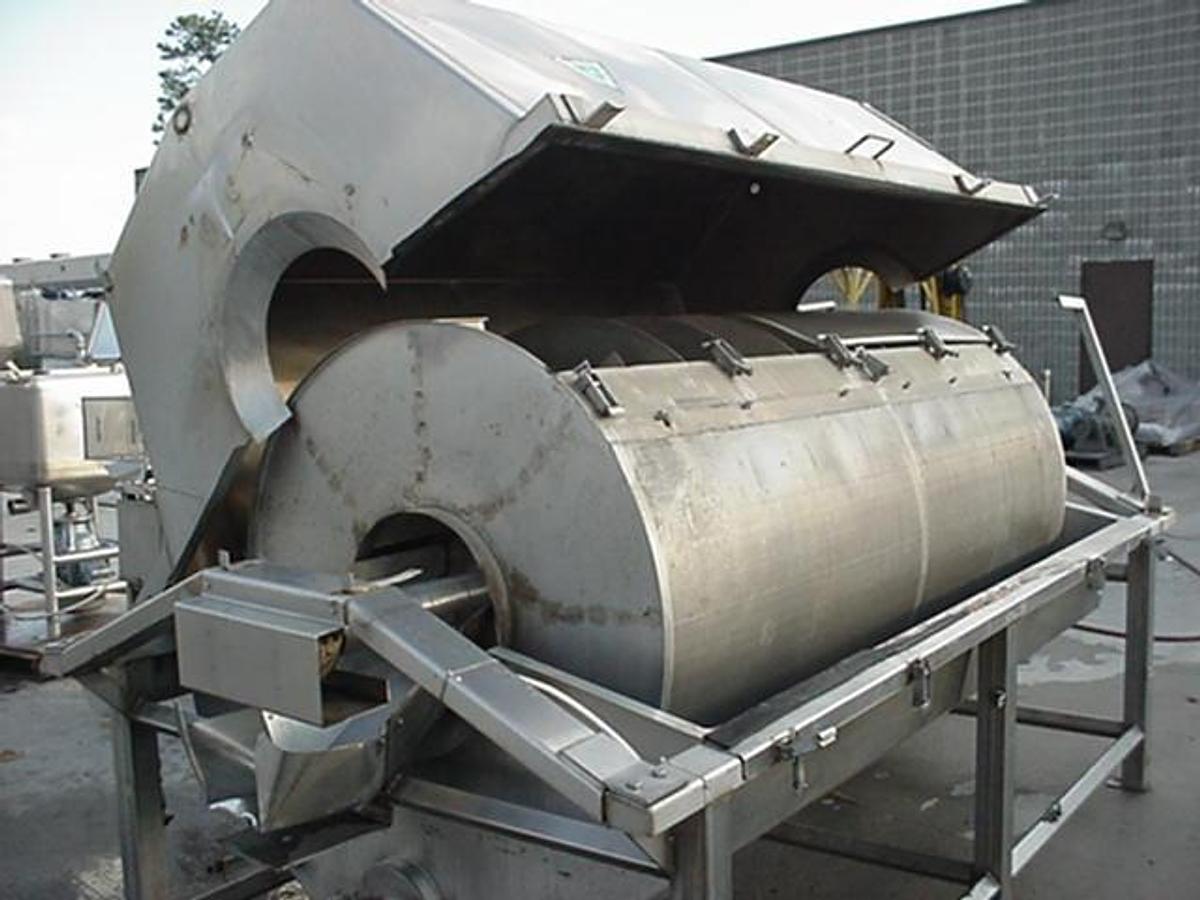
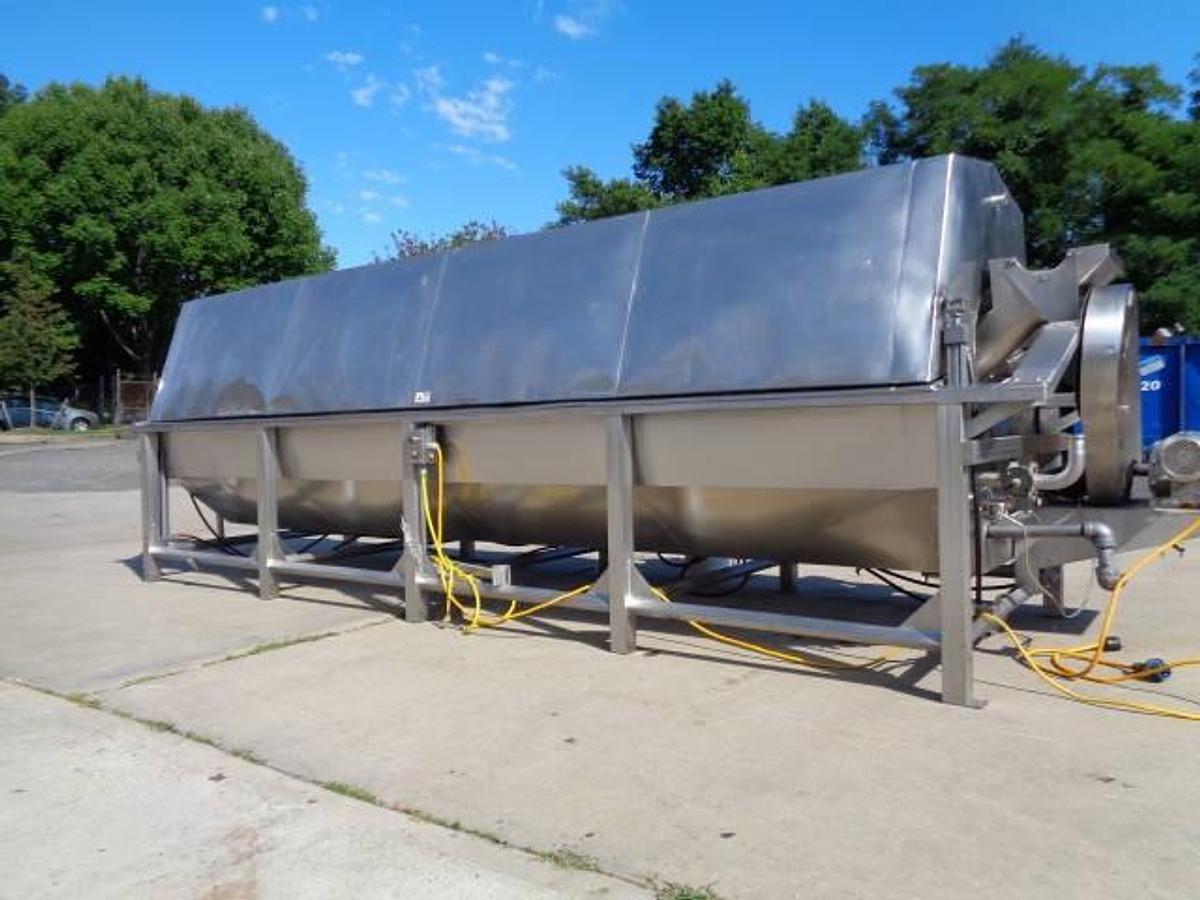
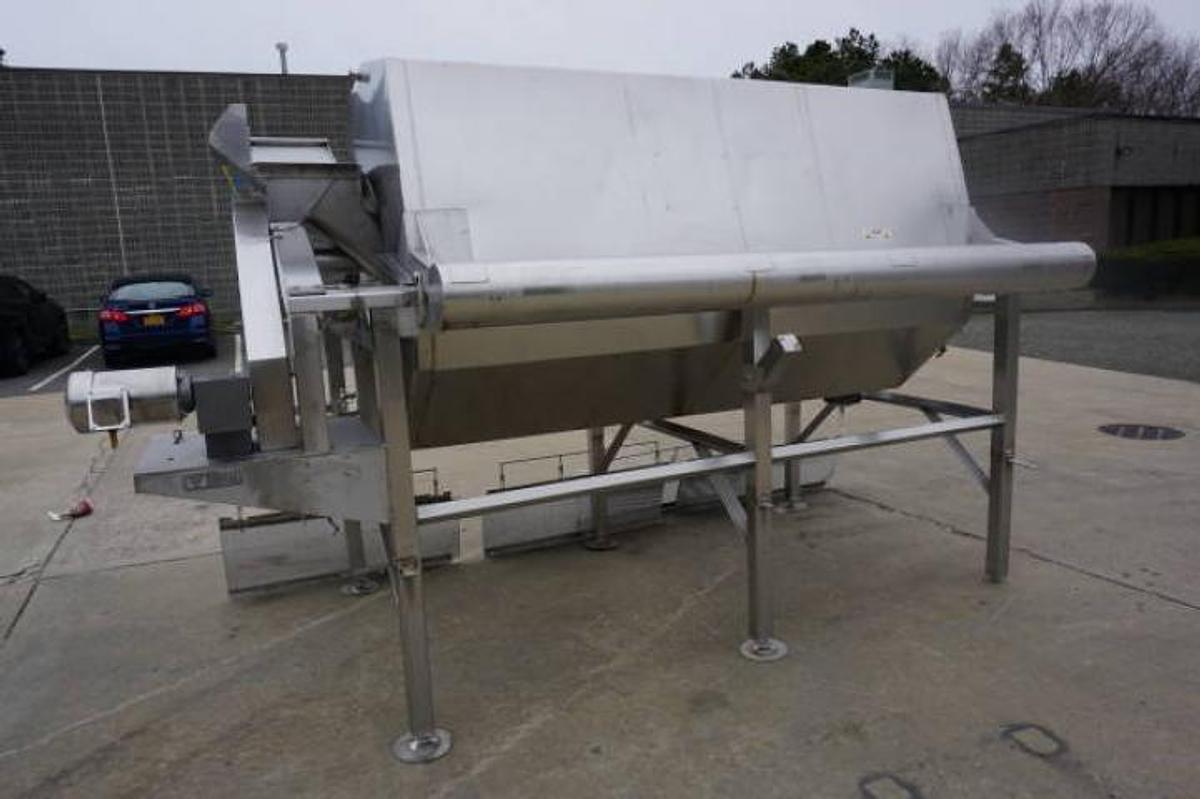
Used Hughes equipment is sold through specialized industrial machinery dealers who focus on the food processing and manufacturing sectors. Buyers will typically find machines in a range of conditions depending on how they were maintained and decommissioned. A 48-inch diameter continuous rotary blancher/cooker/cooler, for example, is a substantial piece of equipment suited to operations processing vegetables, nuts, or other food products at scale. Prospective buyers should look for dealers with experience in food processing equipment specifically, as they are better positioned to provide accurate condition assessments and relevant technical context for Hughes machines.
What is a continuous rotary blancher and what is it used for in food processing?
A continuous rotary blancher is a thermal processing machine used in food manufacturing to quickly heat and then cool food products as part of a production line. The blanching process involves briefly exposing food items to hot water or steam, which inactivates enzymes, reduces microbial load, and helps preserve color, texture, and nutritional quality before freezing, canning, or further processing. The "continuous" aspect means product flows through the machine steadily rather than in batches, making it well-suited for high-throughput operations. The rotary drum design tumbles the product gently to ensure even heat exposure across all pieces.
Many continuous rotary blanchers are combined with a cooker and cooler in a single integrated unit, which allows processors to move product through heating and cooling stages without manual transfer between separate machines. This reduces labor, minimizes product handling, and helps maintain consistent output quality. A machine with a 48-inch diameter drum, such as the Hughes units commonly found on the used market, is designed for significant production volumes and is typically found in large-scale vegetable, nut, or prepared food processing facilities. These machines represent a substantial capital investment, which is why the used market for them is active among processors looking to expand capacity or replace aging equipment at a lower cost than purchasing equivalent machinery outright.
What should buyers inspect when evaluating used Hughes food processing equipment?
Inspecting used food processing equipment like Hughes blanchers and cookers requires attention to both mechanical condition and food safety compliance. Key areas to evaluate include the condition of the rotary drum and internal flights or lifters, the integrity of seals and gaskets, the state of drive components such as motors, gearboxes, and chains, and the condition of any heat exchange or water circulation systems. Corrosion is a particular concern with food processing equipment because of the constant exposure to water, steam, and cleaning chemicals. Stainless steel components should be examined for pitting, cracks, or weld failures that could compromise sanitation or structural integrity.
Buyers should request an in-person inspection or, at minimum, a detailed video walkthrough conducted by the dealer. Some machines may still be installed at an active production facility, where the dealer can arrange access for a direct viewing, sometimes while the machine is still running. Keep in mind that most used equipment dealers are not set up to run full production tests, as that requires operating permits and a complete production environment. Consulting with a qualified food processing equipment technician or millwright before finalizing a purchase is a sound investment, especially for large, complex machines. It is also worth contacting Hughes directly to determine what level of parts availability and technical documentation exists for the specific model being considered, since age and model generation can affect ongoing support.
How does the used food processing equipment market work for large machines like industrial blanchers?
The used food processing equipment market operates through a network of specialized dealers who acquire machinery from plant closures, facility upgrades, or production line changes. Unlike consumer goods, large industrial machines are rarely sold directly between end users at scale. Dealers typically purchase equipment, catalog it with specifications and photos, and then market it to buyers across the food manufacturing industry. Pricing is based on factors including the machine's age, manufacturer reputation, mechanical condition, size, and current demand for that type of equipment in the market.
For large equipment like industrial rotary blanchers, the transaction process is more involved than a standard purchase. Buyers generally need to arrange rigging and transportation, which for heavy machinery can be a significant logistical and financial consideration. Dealers can usually provide guidance on rigging requirements and may be able to connect buyers with freight and rigging contractors. Payment is typically required in full before the machine is released for shipping or pickup. Buyers should factor in all costs, including rigging, crating, freight, and any reconditioning work needed upon installation, to arrive at an accurate total landed cost before committing to a purchase.
Are replacement parts available for used Hughes food processing equipment?
Parts availability for used Hughes equipment depends largely on the age and model of the machine in question. Hughes has an established presence in the food processing automation sector, and for many of their machines, wear components such as drive chains, sprockets, bearings, seals, and gaskets can be sourced either directly through the manufacturer or through industrial parts suppliers who stock equivalent components. For older or discontinued models, parts may require custom fabrication or sourcing from third-party suppliers who specialize in aftermarket food processing equipment components.
Before purchasing a used Hughes machine, it is worth contacting Hughes directly to ask about parts support for the specific model and serial number. Manufacturers can typically confirm whether a machine is still within a supported product generation, what documentation is available, and whether replacement parts are stocked or can be ordered. This conversation can significantly inform the buying decision, particularly for a capital-intensive machine that will be central to a production line. A machine with strong parts availability is a much safer long-term investment than one where critical components are difficult or impossible to source.
How is used industrial food processing equipment typically shipped, and what are the cost considerations?
Shipping large food processing equipment like industrial blanchers involves considerably more planning than standard freight. These machines are heavy, often awkwardly shaped, and require proper preparation to prevent damage during transit. The process typically begins with the dealer arranging or coordinating the rigging needed to safely disconnect and load the equipment. Rigging involves specialized lifting equipment such as cranes or forklifts rated for the machine's weight, and it is usually performed by contractors with industrial rigging experience. This is a separate cost from freight and should be factored into the buyer's budget from the start.
Once loaded, large equipment is typically shipped on flatbed trailers or in enclosed containers depending on the machine's dimensions and exposure sensitivity. Crating or custom packaging may be required to protect components during transit, and those costs vary based on the complexity of the packaging needed. Buyers should ask the dealer for a detailed breakdown of all costs involved, including rigging at origin, packaging, freight to the destination, and any unloading or rigging required at the receiving facility. Getting a clear picture of the full landed cost before agreeing to a purchase avoids unexpected expenses that can significantly change the economics of the deal.
What payment terms should buyers expect when purchasing used industrial machinery?
Used equipment dealers generally require payment in full before a machine is shipped or released for pickup. This is standard practice across the industry and applies to most transactions regardless of the buyer's size or purchasing history. The rationale is straightforward: large industrial machines are difficult to resell quickly if a transaction falls through after the equipment has been prepared for shipment, and dealers protect themselves by securing payment first. Wire transfer is the most common payment method for transactions of this size, though some dealers accept other forms of verified payment.
In some cases, dealers may offer payment terms to established customers with a history of repeat purchases, but this is the exception rather than the rule and is typically negotiated on a case-by-case basis. Buyers who are new to a dealer should expect to pay in full upfront. For buyers concerned about the condition of equipment prior to releasing funds, the best approach is to conduct a thorough inspection before payment rather than relying on post-purchase remedies. Arranging an in-person visit or requesting a detailed video inspection before committing financially is a practical way to gain confidence in the purchase.
How can buyers verify the credibility of a used food processing equipment dealer?
Evaluating a used equipment dealer's credibility is an important step before committing to a significant purchase. A dealer's track record is one of the clearest indicators of reliability. Dealers who have been operating for many years and have a documented history of transactions in a specific equipment category, such as food processing machinery, are generally more trustworthy than generalist resellers with limited industry depth. It is reasonable to ask a dealer how long they have been in business, what sectors they specialize in, and whether they can provide references from past customers who purchased similar equipment.
Online research can also be useful. Looking for the dealer's presence in industry publications, trade associations, or professional networks can help confirm their standing in the market. Buyers should also pay attention to how the dealer communicates during the inquiry process. A knowledgeable dealer will be able to speak specifically about the equipment's history, condition, and specifications, and will be transparent about what they do and do not know about a machine's service history. Willingness to accommodate inspections, whether in person or via video, is another positive sign. Dealers who are reluctant to allow any form of inspection before purchase should be approached with caution.
What factors affect the price of used Hughes industrial equipment?
Pricing for used Hughes food processing equipment is influenced by several factors that buyers should understand before entering negotiations. Machine age is a primary driver, with newer equipment commanding higher prices due to more current engineering standards and better parts availability. Physical condition matters significantly as well. A machine that has been well-maintained and is in operational condition will be priced higher than one that has been sitting idle, shows signs of deferred maintenance, or has known mechanical issues. The completeness of the machine also plays a role. Equipment that comes with all original components, guards, controls, and documentation is worth more than a machine missing key parts.
Market demand at the time of sale is another variable. If food processors are actively investing in capacity expansion, demand for specific types of equipment like blanchers and cookers tends to rise, which supports higher prices. Conversely, when the market is slower, buyers may find more negotiating room. The size of the machine also factors in directly. A 48-inch diameter rotary blancher represents a much larger capital investment than smaller-capacity alternatives, and its price will reflect both the cost of the equipment itself and the logistical complexity of moving and installing it. Buyers should gather pricing data from multiple sources and consult with industry contacts to get a realistic sense of fair market value before making an offer.
What should food processors consider before buying used automation equipment for their production line?
Integrating used automation equipment into an existing production line requires more planning than simply finding a machine at the right price. Buyers need to confirm that the equipment's capacity, dimensions, and throughput specifications align with their production requirements. For a continuous rotary blancher, this means verifying drum diameter, processing capacity in pounds per hour, temperature range, and the type of products the machine was designed to handle. A machine that processed one product category may not be ideally configured for a different application without modification.
Buyers also need to think through the full integration picture, including utility requirements such as water supply, drainage, steam or hot water input, and electrical service. Older machines may require updates to controls or safety systems to meet current regulatory standards, which adds to the true cost of acquisition. Space planning, installation logistics, and the availability of qualified technicians to commission the equipment are all factors that should be worked through before finalizing a purchase. Reaching out to the manufacturer for technical documentation, installation guides, and any available service history records is a useful step that can surface potential issues early and help buyers make a well-informed decision.