Category
Manufacturer
Model
Hotpack
Hotpack is a well-known provider of packaging solutions, particularly in the food and beverage sectors. They offer a variety of machines for packaging and sealing, designed to enhance efficiency and product integrity. Hotpack’s dedication to quality and innovation has made them a reliable choice for manufacturers.
FAQ:
What types of used Hotpack equipment are typically available for sale?
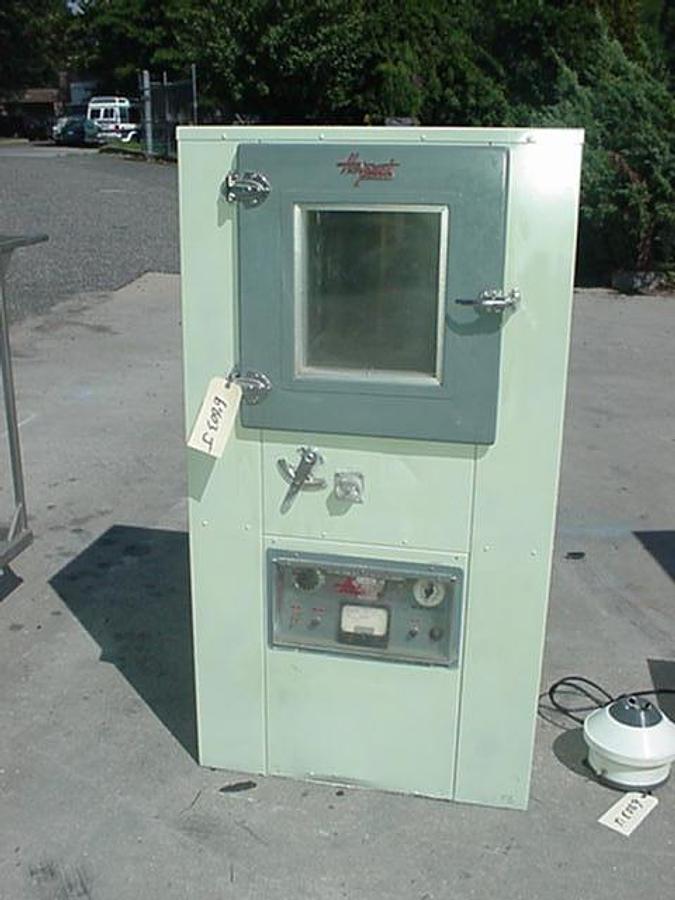
Hotpack produces a broad range of industrial packaging machinery, and the used market reflects that variety. Buyers searching for pre-owned Hotpack equipment can commonly find sealing machines, vacuum packaging machines, wrapping machines, cup filling machines, and foam and plastic product manufacturing equipment. Industrial ovens, such as bench-top electric models, also appear in the used market and are popular with food processing and laboratory applications. The specific inventory available at any given time will depend on the dealer, since used equipment stock turns over as machines are sourced and sold.
Hotpack's core reputation is built around the food and beverage sector, so a significant portion of the used equipment on the market is designed for packaging, sealing, and product integrity applications. That said, the brand's industrial-grade build quality means their machines are used across food service, catering, retail, and manufacturing environments. Buyers should check with dealers directly to confirm what models are currently in stock, since availability shifts frequently in the used machinery market.
What should I know before buying used Hotpack packaging machinery?
Buying used industrial packaging equipment requires more due diligence than purchasing through a standard retail channel. Since used machines are sold as-is, the condition of the equipment at the time of sale is what the buyer receives. That makes the inspection process critical. Reputable used equipment dealers will offer in-person inspections, video walkthroughs, or photo documentation so buyers can assess the machine's working condition before committing. Some equipment may still be installed and running at a production facility, which can allow for a live operational inspection arranged between the dealer and the current owner.
Buyers should also research the specific Hotpack model they are considering before purchasing. Age and model generation can affect whether replacement parts and manufacturer support are still available. Contacting Hotpack directly or consulting with an authorized service technician can help clarify what level of support to expect for a particular machine. Choosing a dealer who specializes in packaging or food processing equipment, and who has a verifiable track record, reduces the risk significantly compared to buying from a general auction or non-specialized source.
How is used Hotpack equipment priced compared to buying new machinery?
Used Hotpack equipment is generally priced well below the cost of purchasing equivalent machinery through a manufacturer or authorized distributor. The exact discount varies depending on the machine type, age, condition, and current market demand, but buyers can often realize substantial savings on industrial-grade packaging equipment by sourcing pre-owned units. For smaller machines like bench-top ovens or tabletop sealers, the price differential may be modest in absolute terms, but for larger production-line equipment, the savings can be significant enough to meaningfully reduce capital expenditure.
Pricing in the used equipment market is not standardized, so it is worth comparing across multiple dealers and factoring in the full landed cost of the machine. Shipping, rigging, palletization, and any refurbishment work needed after delivery all add to the total investment. A lower sticker price on a machine that requires extensive reconditioning may not represent the best value. Buyers should request detailed condition reports and, when possible, get a technician's assessment before finalizing a purchase decision.
What industries commonly use Hotpack equipment?
Hotpack equipment is most closely associated with the food and beverage industry, where their packaging and sealing machines are used to extend shelf life, maintain product integrity, and meet commercial packaging standards. Food service operations, catering companies, and food manufacturers are among the most frequent users of Hotpack machinery. The brand has a particularly strong presence across the Middle East, Africa, and South Asia, where their equipment is widely distributed and used in both large-scale production facilities and smaller commercial operations.
Beyond food and beverage, Hotpack's product range extends into foam and plastic manufacturing equipment, which serves retail packaging, disposable product manufacturing, and related industries. Their industrial ovens are used in food processing as well as laboratory and testing environments. Because the equipment is built to industrial standards, it tends to hold up well in demanding production settings, which is one reason pre-owned Hotpack machines retain value and continue to be sought after in the used equipment market.
Are spare parts available for used Hotpack machines?
Parts availability is one of the most practical considerations when buying any used industrial machine, and Hotpack equipment is no exception. For models that are still within the manufacturer's active support window, parts can often be sourced through authorized Hotpack distributors or regional service centers. However, for older or discontinued models, parts may be harder to find, which can affect long-term operating costs and machine uptime. Before purchasing a used Hotpack machine, it is worth contacting the manufacturer or a certified technician to confirm what components are still available for that specific model and production year.
Some buyers source spare parts through third-party suppliers or have components fabricated locally for older machines where manufacturer support has ended. This is a common practice in the used equipment market, but it requires working with technicians who have hands-on experience with the specific machine. Factoring parts availability into the purchase decision, rather than treating it as an afterthought, helps buyers avoid situations where a relatively minor mechanical issue becomes a costly operational problem down the line.
What does the inspection process look like for used Hotpack equipment?
Inspection options for used industrial equipment typically fall into three categories: in-person visits to the dealer's facility or the machine's current location, live video calls where the dealer walks the buyer through the machine's condition and operation, and recorded video or photo documentation provided by the dealer. Each approach gives the buyer a different level of detail, and serious buyers are generally encouraged to pursue the most thorough inspection they can arrange given their location and timeline. For high-value equipment, traveling for an in-person inspection is often worth the cost.
One important caveat is that most used equipment dealers are not set up to run full production trials, since operating production machinery typically requires specific permitting and facility conditions that a dealer's warehouse does not have. What a buyer can reasonably expect from an inspection is a visual assessment of the machine's physical condition, confirmation that major components are present and intact, and in some cases a power-on demonstration showing that the machine operates. For equipment still installed at a production facility, a live operational inspection may be possible, which provides a higher level of confidence about the machine's working condition.
How does shipping work for used Hotpack machinery purchases?
Shipping costs and logistics for used industrial equipment depend heavily on the size and weight of the machine, the distance between seller and buyer, and the level of packaging required to protect the equipment in transit. Smaller Hotpack machines like bench-top ovens or tabletop sealers can often be palletized and shipped via standard freight carriers at a relatively modest cost. Larger production-line equipment may require custom crating, forklift loading, and specialized freight handling, all of which add to the total shipping expense. Buyers should request a detailed breakdown of packaging, rigging, and freight costs from the dealer before finalizing a purchase.
For international shipments, additional considerations include customs documentation, import duties, and compliance with the destination country's import regulations for used industrial equipment. Buyers importing machinery should work with a freight forwarder experienced in industrial equipment to avoid delays or unexpected costs at the port of entry. The full landed cost, meaning the machine price plus all shipping, handling, and import costs, is the figure that matters for budgeting purposes, not just the listed equipment price.
What are the typical payment terms when buying used Hotpack equipment from a dealer?
Used equipment dealers generally require full payment before a machine is released for shipping. This is standard practice across the industry and reflects the fact that used machinery transactions do not carry the same consumer protections as retail purchases. Wire transfer is the most common payment method for industrial equipment purchases, though some dealers accept credit cards for smaller transactions. Buyers should confirm accepted payment methods with the dealer early in the process to avoid any delays once they are ready to move forward.
Some dealers extend payment terms to repeat customers or buyers with established purchasing relationships, but this is the exception rather than the rule for first-time transactions. Buyers who need financing for larger equipment purchases may need to arrange that independently through equipment financing companies or their own banking relationships before approaching a dealer. Getting clarity on payment expectations upfront, along with a written invoice and clear documentation of what is included in the sale, protects both parties and helps the transaction proceed smoothly.
How can I verify the condition of a used Hotpack oven or packaging machine before buying?
The most reliable way to verify condition is through a direct inspection, either in person or via a detailed video walkthrough conducted by the dealer. For a used Hotpack electric oven, for example, a buyer would want to confirm the condition of the heating elements, interior chamber, door seals, and control panel, as well as verify that the unit powers on and reaches temperature. For packaging and sealing machines, key areas to assess include the sealing bars or jaws, drive mechanisms, electrical components, and any pneumatic or hydraulic systems. Asking the dealer specific questions about the machine's service history, hours of use, and any known issues is also a reasonable part of the process.
Buyers who are not technically familiar with a particular type of equipment may benefit from hiring an independent machinery inspector or bringing in a technician with relevant experience to evaluate the machine on their behalf. This adds a modest upfront cost but can prevent expensive surprises after delivery. Dealers who are confident in the condition of their inventory will generally welcome thorough inspections, and hesitation to accommodate reasonable inspection requests is itself a signal worth paying attention to.
What should I look for when choosing a dealer that sells used Hotpack equipment?
The used equipment market varies considerably in terms of dealer quality, so a bit of research before committing to a purchase is time well spent. Key factors to evaluate include how long the dealer has been in business, whether they specialize in packaging or food processing equipment (as opposed to being a general surplus dealer), and whether they have verifiable customer references or transaction history. Dealers who have been operating for many years and focus on a specific equipment category tend to have more accurate product knowledge, better sourcing relationships, and a clearer understanding of what buyers in that sector actually need.
Transparency is another indicator of a trustworthy dealer. A reputable seller will provide honest condition assessments, accommodate inspection requests, give clear answers about what is and is not included with the machine, and provide straightforward documentation for the transaction. Pricing that seems unusually low compared to comparable listings can sometimes indicate undisclosed condition issues, so it is worth asking detailed questions if a deal looks too good to be true. Taking the time to vet a dealer before purchasing significantly reduces the risk inherent in any used equipment transaction.