Category
Manufacturer
Model
Hollymatic
Hollymatic is renowned for its meat processing equipment, particularly in the areas of patty forming and meat grinding. Their machines are designed for high volume and efficiency, catering primarily to the food service and retail sectors. Hollymatic’s focus on quality and performance has established them as a key player in meat processing technology.
FAQ:
What types of Hollymatic meat processing equipment are commonly available on the used market?
Hollymatic has built its reputation primarily around patty-forming machines, meat grinders, portion cutters, and tenderizers. The patty machines are arguably the most recognized product line, designed to produce consistent, high-volume burger patties for food service operations, grocery chains, and butcher shops. Grinders and tenderizers round out the lineup, giving meat processing facilities a fairly complete set of tools from a single manufacturer.
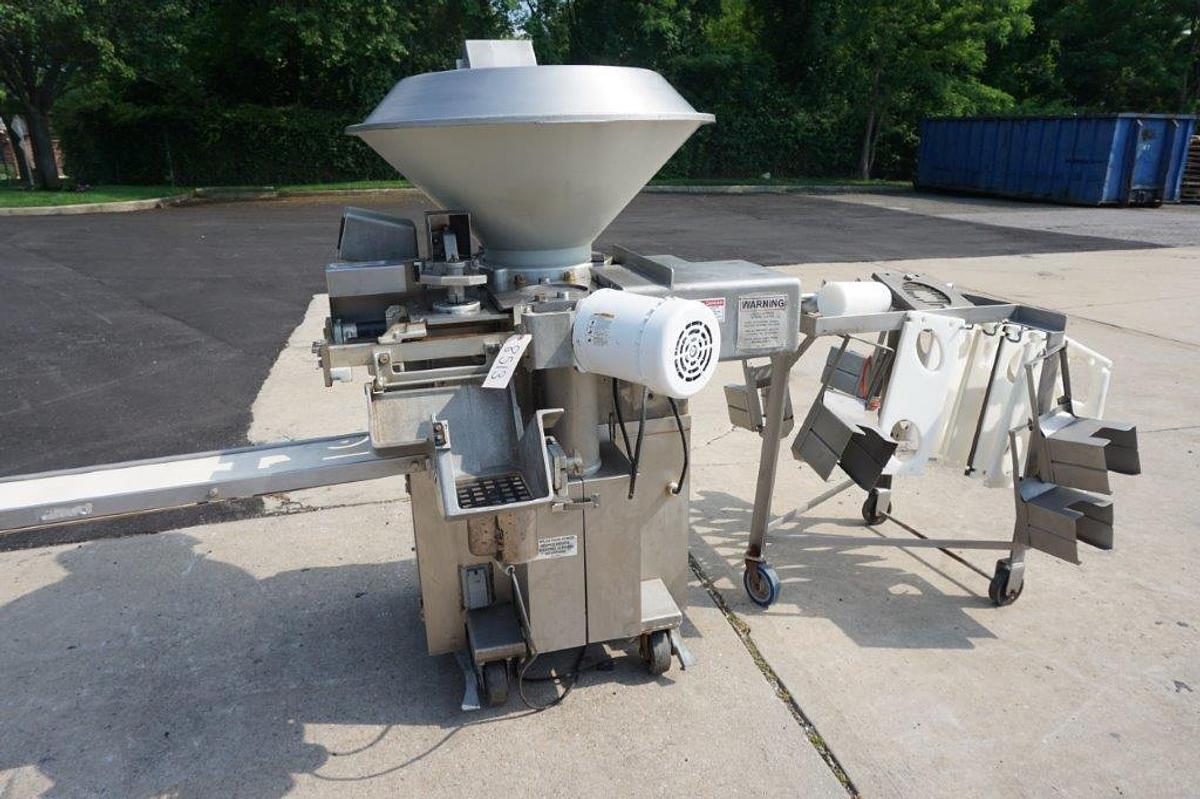
On the used equipment market, patty machines tend to be the most frequently listed Hollymatic models, with the 8/65 Patty Machine being one example of the type of industrial-grade forming equipment that shows up in dealer inventories. Because Hollymatic has been producing this equipment for decades, there is a healthy supply of used machines at various price points, from lightly used units pulled from grocery store delis to older workhorses that have seen years of production in food processing plants.
Is buying used Hollymatic meat processing equipment a reliable choice?
Hollymatic is considered a mid-to-premium tier brand in commercial meat processing, which works in favor of buyers shopping the used market. Industrial-grade machines built to handle high-volume production tend to be constructed with more durable components than lighter-duty alternatives, meaning a well-maintained used Hollymatic machine can still have significant service life remaining. The brand's longevity in the industry also means there is a broad base of technicians familiar with the equipment and a track record of parts availability for many legacy models.
That said, used equipment is sold as-is, so the reliability of any specific machine depends heavily on how it was maintained and operated by the previous owner. Buyers should prioritize purchasing from reputable dealers who specialize in food processing equipment and have a long history in the industry. Requesting an in-person or video inspection before committing to a purchase is strongly advisable, as it gives buyers a clear picture of the machine's actual condition rather than relying solely on photos or descriptions.
What should I inspect before purchasing a used Hollymatic patty machine or grinder?
A thorough inspection should cover both mechanical and food-safety-related aspects of the machine. On the mechanical side, look at the condition of the drive components, motors, and any forming or grinding mechanisms for signs of excessive wear, corrosion, or prior repairs. Ask the dealer whether the machine was decommissioned or is still in active production, since a machine that was recently running is easier to evaluate for operational condition. Many dealers can arrange video inspections or in-person visits, and some equipment may still be accessible at the facility where it was last used.
Food contact surfaces deserve particular attention on meat processing equipment. Stainless steel components should be free of deep pitting, cracks, or areas where bacteria could harbor. Check that plates, dies, and forming components are present and undamaged, since replacement parts add to the total cost of ownership. It is also worth contacting Hollymatic directly to ask about parts and support availability for the specific model and approximate age you are considering, as older or discontinued models may have more limited support than more recent production runs.
What is the typical price range for used Hollymatic meat processing equipment?
Pricing on used Hollymatic equipment varies considerably based on the machine type, model, age, and overall condition. Smaller or older patty machines and grinders can be found at relatively modest price points, while larger, higher-capacity forming machines or more recent models in good condition will command significantly more. The brand's reputation as a mid-to-premium industrial manufacturer means that even used examples tend to hold more value than lower-tier alternatives, which is generally a reflection of build quality and output capability.
Buyers should factor in more than just the purchase price when evaluating total cost. Shipping, rigging, and any required reconditioning or parts replacement all contribute to the landed cost of the equipment. Getting a clear breakdown of packaging and freight charges from the dealer before finalizing a purchase is important, particularly for larger machines that may require specialized rigging for loading and unloading. Comparing a few dealer listings for similar models gives a reasonable sense of current market pricing.
Are replacement parts readily available for Hollymatic meat processing machines?
Parts availability is one of the more compelling reasons buyers gravitate toward Hollymatic equipment on the used market. The company has maintained support for a number of legacy models over the years, which reduces the risk of purchasing a machine only to find that critical wear parts are impossible to source. Common consumable components like grinding plates, knives, and forming dies have historically been available through authorized distributors and aftermarket suppliers, which helps keep maintenance costs manageable.
That said, parts availability is not uniform across every model and every era of production. Before purchasing a used Hollymatic machine, it is worth reaching out to the manufacturer or an authorized service provider to confirm what parts are currently stocked or can be ordered for that specific model. Age matters here. A machine from the last decade or two is more likely to have strong parts support than a much older unit. Getting this information upfront prevents unpleasant surprises down the road when a wear part eventually needs replacing.
How do I determine which Hollymatic model is appropriate for my production volume?
Hollymatic's equipment line spans a range of output capacities, so matching the machine to your actual throughput requirements is an important step before purchasing. Patty machines, for example, are rated by the number of patties produced per minute and the weight range they can form. A small butcher shop producing a few hundred pounds of patties per week has very different needs than a food service distributor running multiple shifts. Reviewing the published specifications for a given model, particularly its rated output and portion weight range, gives a starting point for evaluating fit.
Beyond raw output numbers, consider the physical footprint of the machine, power requirements, and how it integrates with your existing workflow. A dealer specializing in meat processing equipment can be a useful resource here, since they have typically seen these machines in a variety of production environments and can offer practical guidance on which models tend to suit which types of operations. If possible, describing your production scenario in detail when inquiring about a specific machine will help the dealer point you toward the most appropriate option from what is currently available in their used inventory.
Does used Hollymatic equipment meet USDA and food safety compliance standards?
Hollymatic designs its commercial meat processing equipment to meet the standards required for use in regulated food production environments, and many models carry NSF certification or were built to USDA acceptance criteria at the time of manufacture. These standards govern things like surface finishes, material specifications, and the ability to be cleaned and sanitized effectively, all of which are critical in a meat processing context.
For used equipment, buyers need to verify that the machine is still in a condition that meets current regulatory requirements at their specific facility. A machine that has seen heavy use may have worn or damaged food contact surfaces that could present sanitation concerns. Before putting any used meat processing equipment into production, it is advisable to have it inspected and, if necessary, refurbished to ensure it meets the hygiene and safety standards your operation is subject to. Local health departments and USDA inspectors can clarify what is required for your specific facility type and jurisdiction.
What is the typical lifespan of a Hollymatic patty machine or grinder?
Commercial meat processing equipment from established manufacturers like Hollymatic is built for industrial use, and with proper maintenance these machines can remain in service for many years. It is not uncommon to find Hollymatic patty machines and grinders that are 15 to 20 years old still performing reliably in production environments, which speaks to the durability of the core mechanical design. The actual service life of any individual machine depends heavily on how consistently it was maintained, whether wear parts were replaced on schedule, and the intensity of the production environment it operated in.
On the used market, this longevity works in the buyer's favor, since a well-maintained machine with significant age can still offer years of productive use at a fraction of the cost of a comparable unit. The flip side is that older machines require more careful evaluation before purchase. Asking the dealer about the machine's service history, whether any major components have been replaced, and approximately how many hours or cycles the machine has logged gives a more complete picture of where it sits in its service life.
How does shipping and delivery work for used Hollymatic meat processing equipment?
Shipping costs and logistics for used meat processing equipment depend on the size and weight of the machine, the distance it needs to travel, and the level of packaging required to protect it in transit. Smaller tabletop units can often be palletized and shipped via freight carrier at relatively modest cost, while larger floor-standing machines may require custom crating and specialized rigging for safe loading and unloading at both ends. Buyers should ask the dealer for a detailed breakdown of packaging, rigging, and freight charges before finalizing a purchase, since these costs can add meaningfully to the total amount paid.
For larger or heavier Hollymatic machines, rigging fees at the origin and destination are a common added expense that buyers sometimes overlook. If the buyer's facility does not have a loading dock or forklift, arranging for appropriate receiving equipment is the buyer's responsibility. Getting all shipping and handling details in writing before the sale closes helps avoid surprises and ensures both parties are clear on who is responsible for each aspect of the move.
What payment terms should I expect when buying used Hollymatic equipment from a dealer?
Most used equipment dealers in the food processing machinery space require full payment before a machine is released for shipping. This is standard practice in the industry and reflects the nature of used equipment transactions, where the dealer needs to confirm funds are received before committing to packaging and logistics. Some dealers may extend payment terms to established customers with a prior purchasing history, but buyers who are working with a dealer for the first time should plan on paying in full upfront.
Accepted payment methods vary by dealer but commonly include wire transfer, ACH, and in some cases credit card for smaller purchases. It is worth clarifying payment options early in the process, particularly if you are working within a specific budget timeline or need to arrange financing through a third party. Understanding the full payment and shipping timeline before the sale is finalized helps ensure a smooth transaction from purchase confirmation through to delivery at your facility.