Category
Manufacturer
Model
Hmi Heinzen
Hmi Heinzen is recognized for its specialized equipment in the food processing industry, particularly in meat and poultry processing. They manufacture machines such as mixers and grinders that are essential for producing high-quality food products. Their focus on hygiene and efficiency has made them a trusted partner for food manufacturers.
FAQ:
What types of food processing equipment does HMI Heinzen manufacture?
HMI Heinzen is a U.S.-based manufacturer with a long-standing reputation in the fresh-cut produce and food processing industry. Their product line has historically included slicers, shredders, dicers, washers, dryers, centrifugal spin dryers, and conveyance systems designed specifically for produce and vegetable processing operations. They are also recognized for mixers and grinders used in meat and poultry processing, making their equipment relevant across multiple segments of the commercial food industry.
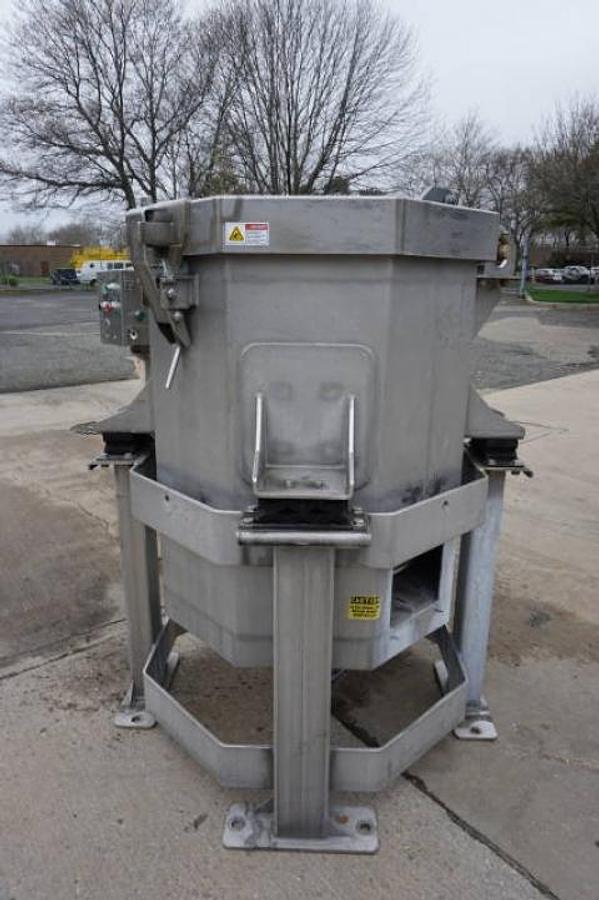
One well-known example of their equipment is the 300 lb. stainless steel centrifugal vegetable spin dryer, which is representative of their focus on high-throughput, hygienic processing solutions. Their machines are generally engineered for commercial and large-scale agricultural operations where consistent output, sanitation compliance, and durability are priorities. Buyers sourcing used HMI Heinzen equipment will typically find machines suited for salad processing lines, vegetable cutting operations, and similar fresh-cut food production environments.
What is HMI Heinzen's reputation in the food processing industry?
HMI Heinzen has built a strong reputation over decades as a trusted supplier to commercial food processors, particularly in the fresh-cut produce sector. Their equipment is associated with reliability in high-volume production environments, and the brand is well regarded among operations that process leafy greens, vegetables, and similar perishable products at scale. Food manufacturers in the salad processing and fresh-cut industry have relied on HMI Heinzen machinery for its focus on hygiene, efficiency, and consistent performance.
The company's standing in the industry means that used HMI Heinzen equipment retains meaningful value on the secondary market. Buyers looking at pre-owned machinery from this manufacturer are generally acquiring machines that were designed for demanding commercial production environments, which speaks to the overall build quality and durability of the equipment. When evaluating any used machine, prospective buyers should still conduct thorough inspections and consult with the manufacturer regarding parts availability and support for the specific model and age of the equipment they are considering.
What materials are used in HMI Heinzen equipment construction, and are they food-grade compliant?
HMI Heinzen equipment is generally constructed with stainless steel as the primary material, which is the industry standard for commercial food processing machinery. Stainless steel is favored in food environments because it resists corrosion, is non-porous, and can withstand the rigorous sanitation protocols required in produce and meat processing facilities. The use of food-grade stainless steel throughout contact surfaces helps processors meet the hygiene expectations set by regulatory bodies and food safety frameworks like HACCP.
Beyond material selection, HMI Heinzen machines are typically designed with cleanability in mind. This often includes tool-free or minimal-tool disassembly features that allow sanitation crews to break down equipment quickly and thoroughly between production runs. For buyers purchasing used HMI Heinzen equipment, it is worth inspecting stainless steel surfaces for any pitting, cracks, or damage that could compromise sanitation performance, as the condition of contact surfaces is a critical factor in determining whether a used machine is suitable for food production use.
Does HMI Heinzen equipment meet FDA, USDA, or other food safety standards?
HMI Heinzen equipment is designed for use in commercial food processing environments where compliance with FDA, USDA, and HACCP food safety standards is a baseline requirement. Their machines are built with stainless steel construction and cleanability features that align with the sanitation and hygiene expectations these regulatory frameworks establish. Equipment used in produce and meat processing must be capable of being thoroughly cleaned and sanitized, and HMI Heinzen's design approach reflects those requirements.
That said, buyers of used HMI Heinzen equipment should verify that any machine they acquire still meets the compliance standards applicable to their specific facility and production type. Regulatory requirements can vary by product category, facility type, and jurisdiction. It is advisable to consult with your facility's food safety team or a qualified sanitation engineer when integrating pre-owned processing equipment into a production line, particularly to confirm that the machine's condition supports the sanitation protocols your operation requires.
Is HMI Heinzen equipment suitable for small-scale or large commercial food processing operations?
HMI Heinzen equipment is primarily engineered for commercial-scale food processing. Their machines, including large-capacity centrifugal spin dryers and high-throughput cutting and washing systems, are built to handle the demands of production environments where volume, speed, and consistent output are critical. A machine like their 300 lb. stainless steel centrifugal vegetable spin dryer illustrates the kind of capacity that is more aligned with commercial produce operations than with small or artisan-scale processing.
Small-scale processors may find that HMI Heinzen equipment exceeds their immediate production needs in terms of throughput capacity, footprint, and power requirements. However, for operations that are growing or anticipate scaling up, acquiring a used HMI Heinzen machine can be a practical way to access commercial-grade equipment at a lower cost than purchasing comparable machinery at full price. Buyers should review the specifications of each individual machine carefully to confirm that capacity, dimensions, and utility requirements match their facility and production volume.
What should buyers inspect when evaluating used HMI Heinzen food processing equipment?
Inspecting used food processing equipment requires attention to several key areas. For HMI Heinzen machines, buyers should examine the condition of all stainless steel contact surfaces for corrosion, pitting, cracks, or weld failures that could harbor bacteria or compromise structural integrity. Drive components, motors, belts, and bearings should be checked for wear, and any seals or gaskets should be evaluated for deterioration. Electrical components and control panels should also be assessed, particularly on older machines where components may be harder to source.
Reputable used equipment dealers will typically accommodate in-person inspections at their facility, or can provide video walkthroughs and detailed photo documentation if an in-person visit is not practical. In some cases, equipment may still be installed at an active processing facility where a supervised inspection can be arranged. Keep in mind that most dealers do not have the permits or production infrastructure to run actual food product through a machine during an inspection, so buyers should rely on a thorough mechanical assessment rather than a live production test. Consulting with HMI Heinzen or an authorized service technician about the specific model's service history and parts availability is also a prudent step before committing to a purchase.
How does buying used HMI Heinzen equipment compare to purchasing new food processing machinery?
Purchasing used HMI Heinzen food processing equipment can offer significant cost advantages compared to acquiring comparable machinery at full price. Commercial food processing equipment represents a substantial capital investment, and the secondary market allows processors to access proven, commercial-grade machines at a fraction of the cost. For operations working within budget constraints or looking to expand capacity without a large capital outlay, pre-owned equipment from a reputable manufacturer like HMI Heinzen can be a practical solution.
The trade-offs are worth understanding clearly. Used equipment is sold as-is, meaning there is no manufacturer warranty coverage, and the buyer assumes responsibility for the machine's condition following purchase. This makes the inspection process critical. Buyers should work with dealers who specialize in food processing equipment and have a demonstrated track record in the industry, as their expertise helps ensure that the machines they sell are accurately represented. Additionally, buyers should contact the manufacturer directly to understand what level of technical support, replacement parts, and documentation is available for the specific model and production year they are considering, since older machines may have limited parts availability.
What are the typical shipping and logistics considerations for HMI Heinzen food processing equipment?
Shipping commercial food processing equipment involves more complexity than standard freight. HMI Heinzen machines, particularly larger units like centrifugal dryers or washing systems, can be heavy and require careful packaging to prevent damage in transit. Depending on the size and weight of the machine, this may involve custom crating or heavy-duty palletization. Buyers should ask dealers specifically about the packaging method being used and whether the cost of crating is included in the quoted price or billed separately.
For larger or heavier equipment, professional rigging is typically required for both loading at the dealer's facility and unloading at the buyer's location. Rigging costs are generally an added expense and should be factored into the total landed cost of the machine before finalizing a purchase decision. Buyers who do not account for freight, crating, and rigging costs upfront can find that the actual cost of acquiring the equipment is meaningfully higher than the listed machine price. Asking the dealer for a full breakdown of all logistics costs before committing to a purchase is a straightforward way to avoid surprises.
What payment terms are typically offered when purchasing used food processing equipment?
Most used equipment dealers require full payment prior to releasing machinery for shipment. This is standard practice in the industry and reflects the nature of the secondary market, where machines are often unique items that cannot simply be restocked if a sale falls through. Buyers should be prepared to complete payment in full before a machine is loaded and shipped, regardless of the purchase price.
Some dealers may extend payment terms to buyers with whom they have an established purchasing relationship, but this is not the norm for first-time transactions. Buyers should clarify payment expectations early in the process, including acceptable payment methods and any requirements related to wire transfers, letters of credit, or other instruments for larger transactions. Understanding the full payment timeline alongside shipping lead times helps buyers plan their capital allocation and production scheduling more accurately.
How can buyers assess the availability of parts and technical support for used HMI Heinzen machines?
Parts availability is one of the more important practical considerations when purchasing used food processing equipment, and it varies significantly depending on the age and model of the machine. HMI Heinzen has a long history in the industry, and their equipment has been in service across many commercial processing facilities, which generally means that some level of aftermarket parts and service knowledge exists. However, older machines or discontinued models may have limited parts support directly from the manufacturer.
The most reliable way to assess this is to contact HMI Heinzen directly with the machine's model number and approximate production year before finalizing a purchase. The manufacturer can advise on what replacement parts are still available, whether technical documentation exists for that model, and what level of service support buyers should realistically expect. Third-party food processing equipment service companies may also be able to source or fabricate certain components for well-established machine platforms. Factoring parts availability into the purchase decision is particularly important for machines that will be integrated into a high-volume production line where downtime carries significant cost.