Category
Manufacturer
Model
FAQ:
What types of Highland equipment are typically available from used equipment dealers?
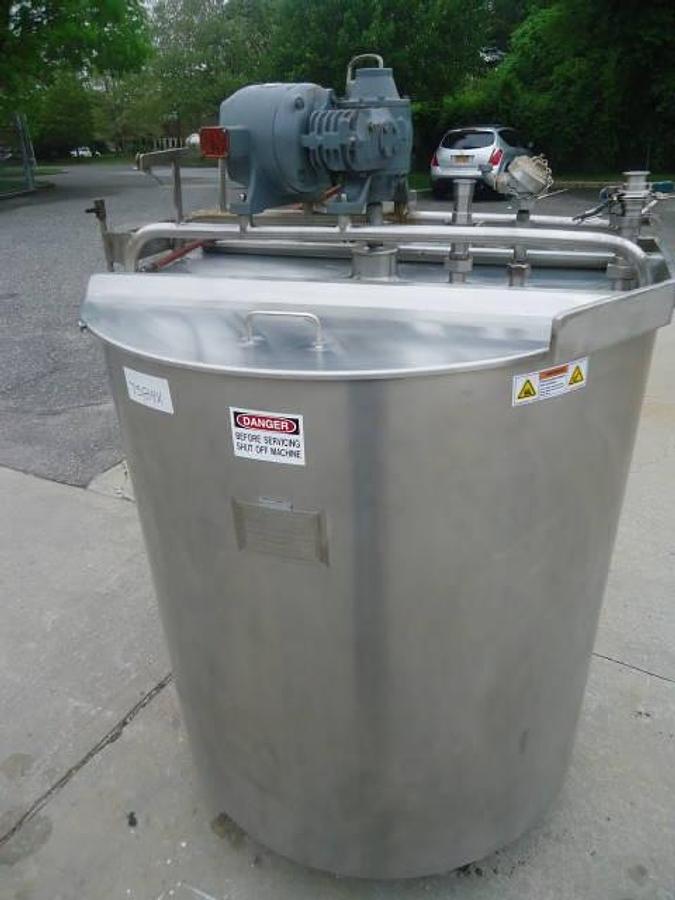
Used equipment dealers carrying Highland equipment most commonly list industrial processing equipment such as stainless steel jacketed tanks, mixing vessels, and agitation systems. These are workhorses in food processing, pharmaceutical manufacturing, chemical blending, and cosmetic production. A specific example of what surfaces in dealer inventories is a 350-gallon stainless steel jacketed tank with sweep agitation, which is the kind of unit that sees heavy use in temperature-controlled batch processing.
Beyond tanks and vessels, used dealers may carry related Highland-branded or Highland-specification equipment including pumps, heat exchangers, and ancillary processing components. Because these machines are sourced from decommissioned or upgraded production facilities, availability changes frequently. Buyers searching for a specific capacity, configuration, or material grade should check dealer listings regularly or reach out directly to inquire about upcoming inventory.
What should buyers know about purchasing used industrial processing tanks and vessels?
Buying a used industrial tank or vessel is quite different from buying off-the-shelf equipment. The machines have a production history, and that history matters. Buyers should ask about the previous application, the media that was processed, any repairs or modifications made during service life, and the condition of interior welds, gaskets, and fittings. For jacketed tanks specifically, the integrity of the jacket itself is critical since leaks or compromised welds can make the unit unusable for temperature-controlled processes.
Material grade is another major consideration. Stainless steel tanks are not all equal. 304 stainless is common in food and beverage applications, while 316 stainless offers better corrosion resistance for more aggressive chemicals or sanitary pharmaceutical use. Buyers should confirm the material certification if documentation is available, and inspect the interior surface finish, which is typically measured in Ra (roughness average) microinches for sanitary applications. A reputable used equipment dealer should be able to provide what documentation exists and facilitate an inspection so buyers can assess the machine's actual condition before committing.
What does a stainless steel jacketed tank with sweep agitation actually do, and what industries use it?
A jacketed tank is a vessel with a double-wall construction. The inner vessel holds the product being processed, and the outer jacket circulates a heating or cooling medium, typically steam, hot water, glycol, or chilled water, to control the temperature of the batch inside. This design allows precise thermal management without direct contact between the heat transfer fluid and the product, which is essential in sanitary and chemical applications.
Sweep agitation refers to an agitator with a blade or paddle that travels close to the tank wall in a sweeping motion. This configuration is particularly effective for viscous products like sauces, creams, gels, pastes, and confectionery batches because it prevents material from sticking to the heated or cooled wall and ensures uniform mixing throughout the vessel. Industries that rely on this type of equipment include food and beverage manufacturing, personal care and cosmetics, pharmaceutical compounding, and specialty chemical production. A 350-gallon unit of this type is a mid-scale production vessel suitable for batch operations that need consistent temperature control and thorough blending.
How do buyers inspect used industrial equipment before purchasing?
Inspections are a standard and expected part of buying used industrial equipment. Dealers typically offer three formats: in-person visits to the dealer's facility or the equipment's current location, video walkthroughs conducted live via video call, or recorded video captures that document the machine's condition and any visible wear. The goal in all cases is to give the buyer an accurate picture of the equipment's current working order, including the condition of surfaces, mechanical components, fittings, controls, and any signs of prior damage or repair.
One important limitation to understand is that most used equipment dealers do not have the permitting or infrastructure to run full production trials. They can demonstrate that motors turn, agitators move, and basic mechanical functions operate, but they cannot process actual product batches. If equipment is still installed at an active production facility, some dealers can arrange for the buyer to observe the machine running in its current environment, which provides the most realistic assessment. Buyers should take advantage of whatever inspection option is available and, if possible, bring or consult a qualified technician familiar with the specific type of equipment being evaluated.
What warranty or protection can buyers expect when purchasing used industrial equipment?
Used industrial equipment is almost universally sold on an as-is basis, meaning no warranty is provided by the dealer. This is standard practice across the used machinery industry. The responsibility for assessing condition and fitness for purpose falls on the buyer, which is why thorough pre-purchase inspection is so important. Manufacturers' warranties, which are tied to the sale of equipment, do not transfer with used machines and are not applicable to equipment that has already been in service.
Buyers can protect themselves in other ways. Choosing a dealer with a long, verifiable track record in the specific equipment category reduces risk considerably. A dealer who specializes in processing equipment, for example, will have more reliable knowledge about what they are selling than a general liquidator. Buyers should also contact the equipment manufacturer directly before purchasing to understand what level of technical support, spare parts availability, and service documentation they can expect for the specific model and age of machine under consideration. Older or discontinued models may have limited parts availability, which is worth knowing before the purchase is finalized.
What factors affect the price of used stainless steel tanks and processing vessels?
Several variables drive pricing on used stainless steel processing tanks. Capacity is the most obvious factor since larger vessels require more material and are more expensive to manufacture and therefore command higher resale prices. Material grade plays a role as well, with 316L stainless steel vessels typically priced higher than comparable 304 units. Configuration adds value too. A plain open-top tank is worth less than an equivalent vessel fitted with a heating or cooling jacket, an agitator, a bottom discharge valve, spray balls, or sanitary fittings.
Condition is the other major variable. A tank that has been well-maintained, shows minimal pitting or corrosion on interior surfaces, and has intact mechanical components will price closer to replacement cost than one that has been heavily used or modified. Provenance matters as well. Equipment coming from a regulated food or pharmaceutical facility with documented cleaning and maintenance history tends to attract more buyer confidence and higher bids. Age, brand, and the current supply of comparable units on the used market all factor into where a dealer sets the asking price.
How is large used industrial equipment typically shipped, and what costs should buyers anticipate?
Shipping large processing equipment like jacketed tanks is a specialized logistics exercise. These machines are heavy, often awkwardly shaped, and require proper protection to arrive undamaged. Depending on the size and weight of the unit, packaging can range from basic wood skidding and strapping to full crating with blocking and bracing. The level of packaging required directly affects freight cost, and buyers should ask the dealer specifically what preparation is included in the quoted price versus what will be billed as an additional charge.
Loading and unloading are separate cost considerations. Heavy vessels typically require forklift or crane rigging, and if the buyer's receiving facility does not have appropriate equipment, arrangements for a rigging crew or equipment rental may be necessary. Freight itself is usually quoted as LTL (less-than-truckload) for smaller items or dedicated flatbed/specialized carrier service for large vessels. Buyers should request a fully itemized landed cost estimate from the dealer before committing, covering packaging, rigging, freight, and any destination unloading requirements. Surprises in shipping costs are one of the most common friction points in used equipment transactions, so getting specifics in writing upfront is worth the effort.
What payment terms are standard when buying used industrial equipment?
The standard practice in the used equipment industry is full payment prior to shipment. Dealers typically require that funds clear before a machine is released for loading or delivery. This applies to most transactions regardless of the buyer's size or purchasing history. Payment is commonly accepted by wire transfer, though some dealers accept credit cards for smaller purchases, sometimes with a processing fee applied.
Some dealers extend net terms or other payment arrangements to established customers with a history of repeat purchases. These arrangements are generally negotiated on a case-by-case basis and are not a standard offering. Buyers who are new to a particular dealer should plan for full prepayment as the default expectation. For large transactions, buyers sometimes request an escrow arrangement or structured milestone payments tied to inspection completion, though this depends entirely on the dealer's willingness to accommodate. Clarifying payment expectations early in the negotiation prevents delays when it comes time to close the deal.
What specifications should buyers evaluate when considering a used jacketed tank?
The most critical specifications to evaluate on a used jacketed tank start with capacity, expressed in gallons or liters, and the jacket configuration, including whether it is a full jacket, half-pipe jacket, or dimple jacket, since each has different heat transfer characteristics. Jacket pressure rating is important if the process uses steam, as the jacket must be rated for the operating pressure of the steam supply available at the buyer's facility. Buyers should also confirm the working pressure and temperature range of the vessel itself.
Agitator specifications matter significantly for mixing performance. The type of agitator (sweep, anchor, paddle, turbine, or combination), the drive motor horsepower, and the shaft speed or variable speed capability all determine whether the vessel will handle the buyer's specific product viscosity and mixing requirements. Additional specifications worth reviewing include the inlet and outlet port sizes and configurations, the presence and type of bottom discharge valve, interior surface finish (critical for sanitary applications), and the overall dimensions and weight of the unit to ensure it fits the intended installation space and can be moved through the facility.
How can buyers verify that a used equipment dealer is reputable before making a purchase?
Verifying a dealer's credibility before a purchase is straightforward if buyers know what to look for. A dealer with a long operating history in a specific equipment category is generally a safer choice than a general liquidator or a recently formed operation. Years in business, the breadth and consistency of their inventory, and their presence in industry directories or trade publications are all reasonable indicators of stability. Buyers should also look for evidence of past transactions, customer references, and any professional affiliations relevant to the equipment type.
Practical steps include requesting references from past buyers of similar equipment, reviewing any available feedback or testimonials, and assessing how the dealer handles pre-sale inquiries. A knowledgeable dealer should be able to speak specifically about the equipment they are selling, provide accurate technical details, and facilitate inspection without unnecessary obstacles. Dealers who specialize in a particular industry segment, such as food processing or pharmaceutical equipment, typically have deeper product knowledge and better-sourced inventory than generalists. Asking detailed technical questions during the inquiry process is itself a useful filter, since a reputable specialist will answer confidently while a less knowledgeable seller will struggle.