Category
Manufacturer
Model
Hi-Bar Systems
Hi-Bar Systems provides innovative automation solutions for the food processing industry. They are known for their high-speed conveyor systems and packaging solutions that optimize production lines.
FAQ:
What types of equipment does Hi-Bar Systems manufacture?
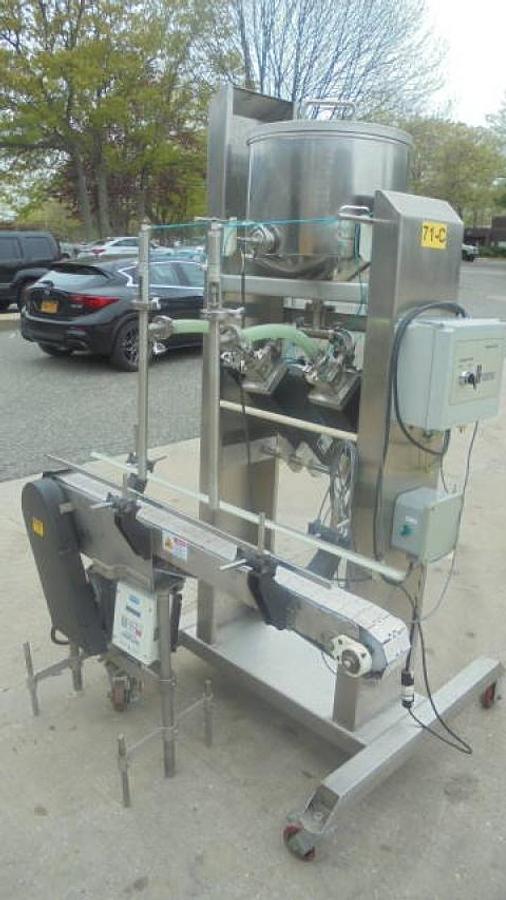
Hi-Bar Systems specializes in automation solutions for the food processing industry, with a focus on high-speed conveyor systems, packaging solutions, and filling equipment. Their machines are designed to optimize production lines, helping food processors increase throughput while maintaining consistency. A well-known example of their equipment is the Dual Head Pump Style Filler, which is used for accurately dispensing liquid or semi-liquid food products into containers at production speeds.
Their product line sits within a fairly specific niche of food processing automation, so buyers looking for Hi-Bar Systems equipment are typically seeking machinery that integrates into existing packaging or filling lines. Because these machines are purpose-built for food production environments, they tend to be built to handle sanitary requirements and the demands of continuous operation. Buyers researching Hi-Bar Systems equipment should review available specifications carefully to confirm compatibility with their facility layout and production requirements.
What should I know before buying used Hi-Bar Systems equipment?
Buying used Hi-Bar Systems equipment requires a bit more due diligence than purchasing from a manufacturer, primarily because the condition, service history, and remaining useful life of each machine will vary. The first step is to work with a reputable used equipment dealer who has a track record of selling food processing machinery. Dealers who specialize in this category will be better positioned to accurately represent the condition of the equipment and answer technical questions about specific models.
Beyond the dealer relationship, buyers should also contact Hi-Bar Systems directly to understand what level of support is available for the specific model they are considering. Older machines may have limited parts availability or reduced manufacturer support, which can affect long-term operating costs. Getting clarity on parts sourcing before committing to a purchase is a practical step that can prevent headaches down the line. Reviewing the machine's specifications against your facility's electrical, spatial, and operational requirements is equally important before finalizing any purchase.
How do I inspect used Hi-Bar Systems equipment before purchasing?
Used equipment dealers typically offer several inspection options to help buyers assess a machine's condition before committing to a purchase. These include in-person visits to the dealer's facility, virtual walkthroughs via video call, or recorded video captures of the equipment that can be reviewed at the buyer's convenience. For machines that are still in active production at a manufacturing facility, some dealers can arrange an in-person inspection at the actual plant where the equipment is currently operating.
It's worth understanding that most used equipment dealers are not set up to run full production tests, since operating food processing equipment at production scale requires permits and facilities that dealers don't typically maintain. The goal of any inspection is to get an accurate picture of the machine's mechanical condition, overall wear, and any visible damage or missing components. Buyers should come prepared with a checklist of specifications to verify during the inspection, and should not hesitate to ask the dealer pointed questions about the machine's history and any known issues.
Are replacement parts available for used Hi-Bar Systems machines?
Parts availability for used Hi-Bar Systems equipment depends largely on the age and model of the machine. For relatively recent models, Hi-Bar Systems or authorized distributors may still carry replacement components. For older machines, parts may need to be sourced through third-party suppliers, fabricated to spec, or salvaged from other decommissioned units. This is a reality with most niche food processing equipment brands, and it's one of the most important factors to evaluate before purchasing a used machine.
Buyers are strongly encouraged to contact Hi-Bar Systems directly before finalizing a purchase to ask specifically about parts support for the model in question. Getting a clear answer on whether critical wear components like pump heads, seals, or conveyor drive parts are still available can significantly influence the total cost of ownership. A used machine at an attractive price point can quickly become expensive if parts are difficult to source or require custom fabrication.
What is a Dual Head Pump Style Filler and what is it used for?
A Dual Head Pump Style Filler is a type of liquid or semi-liquid filling machine that uses two pump heads to simultaneously dispense product into containers. The dual-head configuration allows for higher throughput compared to single-head fillers, since two containers can be filled at the same time or a single container can receive product from two fill points for increased speed and accuracy. These machines are commonly used in food processing operations for products like sauces, dressings, soups, condiments, and other pourable or semi-viscous items.
Pump-style fillers are preferred in many food production environments because they handle a wide range of viscosities and can be adjusted for different fill volumes with relative ease. They tend to be more sanitary and easier to clean than some other filler types, which matters in food-grade applications subject to regular sanitation protocols. When evaluating a used Dual Head Pump Style Filler, buyers should pay close attention to the condition of the pump heads, seals, and any product-contact surfaces, as these components experience the most wear during normal operation.
What is the typical price range for used Hi-Bar Systems equipment?
Pricing for used Hi-Bar Systems equipment varies considerably depending on the specific machine type, its age, overall condition, and how it has been maintained. Filling and packaging equipment in this category can range from a few thousand dollars for older or higher-wear units to significantly more for machines in good working order with recent service history. Because Hi-Bar Systems operates in a relatively specialized niche, pricing is often driven more by condition and parts availability than by market volume.
The best way to get accurate pricing is to contact a used equipment dealer who carries Hi-Bar Systems inventory directly. Dealers can provide current asking prices and, in some cases, context on how the price reflects the machine's condition. Buyers should also factor in shipping, rigging, and any refurbishment costs when evaluating the total cost of acquisition, since the purchase price alone rarely reflects the full landed cost of the equipment.
How is used food processing equipment typically shipped, and what costs should I expect?
Shipping used food processing equipment involves more than just freight. Proper packaging is critical to prevent damage in transit, and costs will vary depending on the level of palletization or custom crating required for the specific machine. Heavier or more complex equipment often requires professional rigging for safe loading and unloading, which adds to the overall shipping cost. Buyers should ask dealers specifically about how a machine will be packaged and what rigging services will be needed before assuming a freight quote covers everything.
For larger machines, freight typically moves via flatbed or enclosed truck rather than standard LTL carriers, and the logistics can take time to coordinate. Buyers should request a full breakdown of packaging, rigging, and freight costs from the dealer early in the purchasing process to understand the true landed cost of the equipment. Surprises in shipping costs are one of the most common sources of frustration in used equipment transactions, so getting specifics upfront is always the right approach.
What payment terms do used equipment dealers typically require?
Most used equipment dealers require full payment before a machine is released for shipping. This is standard practice in the industry and applies to the majority of transactions, particularly for buyers purchasing from a dealer for the first time. Some dealers may offer extended terms to repeat customers or buyers with established relationships, but this is the exception rather than the rule. Buyers should confirm payment expectations with the dealer early in the process to avoid delays once a purchase decision is made.
Accepted payment methods vary by dealer but commonly include wire transfer, ACH, or in some cases credit card for smaller purchases. Because used equipment transactions often involve significant dollar amounts, wire transfer is the most common method for finalizing payment. Buyers should also be aware that some dealers may require a deposit to hold a machine while financing or logistics are being arranged, so it pays to clarify the full payment timeline before signing any purchase agreement.
How do I evaluate whether a used Hi-Bar Systems machine is the right fit for my production line?
Matching used equipment to an existing production line requires reviewing several layers of specifications beyond just the machine's basic function. For Hi-Bar Systems filling or conveyor equipment, buyers should verify electrical requirements (voltage, phase, amperage), physical dimensions, weight, and any facility infrastructure requirements like compressed air or specific plumbing connections. Production speed ratings and fill volume ranges should also be confirmed against the buyer's actual output targets to make sure the machine won't become a bottleneck.
Beyond the technical specs, it's worth thinking through how the machine integrates with upstream and downstream equipment already in place. A filler, for example, needs to work in sync with container feeding systems and capping or sealing equipment that follows it in the line. If the used machine was previously part of a different production configuration, there may be some adaptation required. Consulting with a dealer who has experience in food processing equipment can help identify potential integration challenges before a purchase is finalized.
What should I look for when choosing a reputable used food processing equipment dealer?
The most reliable indicator of a reputable used equipment dealer is a long track record of transactions within a specific industry segment. Dealers who focus on food processing equipment will have deeper knowledge of the brands and machine types they carry, better access to technical documentation, and a stronger ability to accurately represent a machine's condition. Years in business matters, as does whether the dealer can provide references or has verifiable transaction history that demonstrates consistent, honest dealings with buyers.
Beyond longevity, buyers should look for dealers who are transparent about a machine's condition, willing to accommodate inspections, and responsive to detailed technical questions. A dealer who can't or won't answer questions about a machine's service history, known issues, or current operating status is a red flag. Buyers should also check whether the dealer is willing to facilitate contact with the previous owner or plant where the machine was in service, as that kind of transparency is a strong signal of credibility. Selecting a dealer who specializes in the relevant equipment category reduces the risk of purchasing a machine that doesn't perform as described.