Category
Manufacturer
Model
Hercules
Hercules specializes in providing heavy machinery for the construction and mining industries. Their equipment includes cranes and excavators, known for their strength and reliability in demanding environments.
FAQ:
What types of industrial equipment does Hercules manufacture?
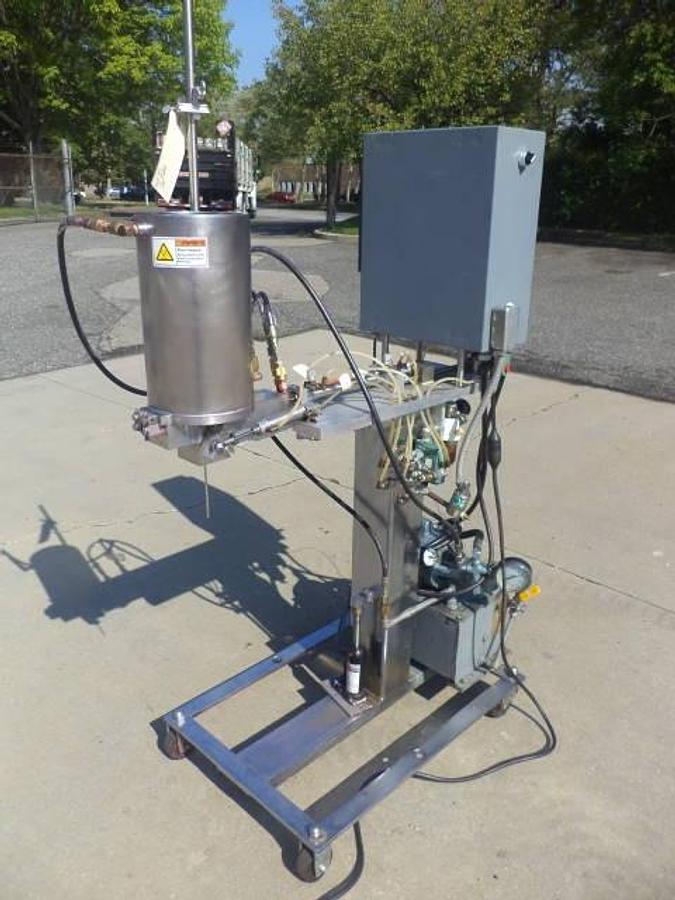
Hercules has built its reputation around heavy machinery designed for demanding applications in construction, mining, and industrial production environments. Their equipment lineup includes cranes, excavators, and filling equipment such as single piston fillers with self-contained heating, reflecting a range that spans heavy earthmoving and lifting machinery through to process and packaging equipment. The brand is recognized for engineering machines that hold up under sustained, high-intensity use where reliability directly affects productivity and safety.
Buyers shopping for used Hercules equipment will find machines suited to a variety of industries beyond construction and mining, including manufacturing and food or chemical processing depending on the specific model. Because Hercules covers this breadth of applications, it helps to identify the exact model and specification before purchasing, since capabilities, power requirements, and dimensions vary considerably across the product range. Reviewing technical documentation for a specific machine is always recommended before committing to a purchase.
What is Hercules industrial equipment known for?
Hercules is widely associated with strength, high load capacity, and durability in environments where lesser equipment would fail prematurely. In the construction and mining sectors particularly, the brand has earned a reputation for producing machines that can handle the physical stress of continuous operation in harsh conditions, including heavy excavation work and large-scale lifting. That reputation for toughness is a primary reason buyers seek out Hercules equipment on the used market, often expecting a machine that still has meaningful service life remaining even after prior use.
Beyond raw durability, Hercules equipment is noted for its practicality in demanding production settings. Features like self-contained heating systems on their filling equipment, for example, indicate an engineering focus on operational self-sufficiency rather than relying on external infrastructure. For buyers evaluating total cost of ownership, this kind of design consideration matters because it can reduce setup complexity and ongoing dependency on auxiliary systems. Industrial buyers consistently rank durability and parts longevity among the top reasons they gravitate toward established brands like Hercules when sourcing used machinery.
What should I look for when buying used Hercules industrial equipment?
Condition assessment is the most critical step when purchasing any used industrial machine. For Hercules equipment specifically, buyers should request detailed information on the machine's service history, total operating hours, and any prior repairs or modifications. Inspecting wear components such as hydraulic seals, structural welds, drive systems, and electrical wiring gives a clearer picture of remaining service life than visual appearance alone. Asking for photos or video of the machine running, or arranging an in-person inspection, is strongly advisable before finalizing any purchase.
Beyond the physical condition of the machine, buyers should also verify that the model and specifications match their operational requirements. Key figures to confirm include weight and load capacities, power supply requirements, physical dimensions relative to the installation space, and compatibility with any existing infrastructure. It is also worth contacting the manufacturer directly to understand what level of technical support, spare parts availability, and documentation exists for the specific model and age of the machine being considered, since older models may have more limited support than current production equivalents.
How much does used Hercules industrial equipment typically cost?
Pricing for used Hercules industrial equipment varies widely depending on the machine type, model, age, condition, and current market demand. A used excavator or crane from a recognized industrial brand can range from tens of thousands of dollars for older, higher-hour machines up to several hundred thousand dollars for lower-hour equipment in excellent working condition. Smaller process equipment, such as single piston fillers, will generally fall in a much lower price range than heavy earthmoving or lifting machinery, often priced from a few thousand dollars upward depending on condition and configuration.
Buyers should factor in the full landed cost of the equipment rather than focusing on the purchase price alone. Rigging, crating, freight, and any site preparation or installation work can add meaningfully to the total investment. Requesting an itemized cost breakdown from the seller before committing to a purchase helps avoid surprises. Comparing the total cost against the expense of alternative options, including renting or purchasing a different brand, is a practical way to confirm the purchase makes financial sense for the specific application.
Do used Hercules industrial equipment sellers offer warranties?
Used industrial equipment is typically sold on an as-is basis, which means the buyer assumes responsibility for verifying the condition and fitness of the machine before purchase. Warranties are generally associated with manufacturer programs for new production equipment, and used equipment dealers ordinarily do not extend those terms to second-hand machines. This makes the pre-purchase inspection process especially important, as it is the buyer's primary tool for assessing risk before any transaction is completed.
To reduce exposure when buying used Hercules equipment, buyers should prioritize dealers with a long, verifiable track record in industrial machinery sales and ideally with specific experience in the category of equipment being purchased. Reputable dealers will accommodate in-person or video inspections and can provide documentation on what is known about the machine's history. Consulting directly with Hercules or an authorized service provider about parts availability and technical support for the specific model is also a practical step, since the level of manufacturer support available can vary depending on how old the machine is.
How does the inspection process work when buying used industrial equipment?
Most reputable used equipment dealers offer buyers the option to inspect machinery before purchase, either in person, through a live video call, or via detailed video footage of the machine. The goal of any inspection is to get an accurate picture of the machine's current operating condition, including visible wear, any damage, and ideally a demonstration of the machine running under power. Some machines may still be installed and in active production at a facility, in which case the dealer can often arrange a walkthrough at the actual site between the buyer and the current owner.
It is worth understanding that most used equipment dealers are not set up to run full production tests, since that requires different permitting and operational infrastructure than a standard resale operation. What a buyer can reasonably expect is a thorough visual and mechanical inspection, confirmation of key specifications, and honest disclosure of any known issues with the machine. For higher-value purchases, some buyers choose to hire an independent machinery appraiser or technician familiar with the specific equipment type to conduct a third-party inspection, which adds an extra layer of confidence before committing to the transaction.
What are the shipping and logistics considerations for used Hercules industrial equipment?
Shipping used industrial equipment, particularly heavy machinery like cranes and excavators, involves logistics planning that goes well beyond standard freight. Machines need to be properly palletized or crated to prevent damage in transit, and the level of packaging required will directly affect shipping costs. Buyers should ask sellers for specifics on how the equipment will be prepared for transport and request a clear breakdown of all associated costs, including rigging for loading and unloading, which is often an additional charge for large or heavy machines.
For oversized equipment, specialized transport carriers and permits may be required, and unloading at the destination site may need a forklift, crane, or other rigging equipment that the buyer is responsible for arranging. Getting a full picture of the landed cost, meaning the purchase price plus all freight, rigging, and handling charges, before finalizing the purchase is essential for accurate budgeting. Buyers who have not shipped industrial machinery before may benefit from working with a freight broker experienced in heavy equipment logistics to avoid unexpected complications.
What payment terms are typical when purchasing used industrial equipment?
The standard practice among used equipment dealers is to require full payment before the machine is shipped or released to the buyer. This applies broadly across the industry and reflects the dealer's need to confirm funds before transferring ownership of high-value assets. Some dealers may offer payment terms to established repeat customers with whom they have a prior business relationship, but buyers should not assume credit terms will be available, particularly for a first-time purchase.
Accepted payment methods vary by dealer but commonly include wire transfer, certified check, and in some cases credit arrangements for qualified buyers. For larger transactions, buyers sometimes work through escrow services to provide additional security for both parties. It is always worth asking the seller directly about available payment options early in the process, and confirming all payment terms in writing before any funds are transferred. Understanding the payment timeline relative to inspection, shipping preparation, and delivery scheduling helps keep the transaction moving without unnecessary delays.
Are replacement parts available for used Hercules industrial equipment?
Parts availability for used industrial equipment depends heavily on the age and model of the specific machine. For Hercules equipment that is relatively recent or from a model line that remained in production for many years, sourcing replacement parts through the manufacturer or authorized distributors is often straightforward. Older or discontinued models may require sourcing parts through aftermarket suppliers, salvage channels, or specialty rebuilders, which can increase lead times and costs for maintenance and repairs.
Before purchasing a used Hercules machine, it is a practical step to contact the manufacturer or a regional service provider to ask specifically about parts availability and technical support for that model. This conversation can reveal whether common wear items are stocked, what the lead times look like for major components, and whether factory technical documentation is still available. Buyers who depend on a machine for production and cannot tolerate extended downtime should weigh parts accessibility as a serious factor in the purchase decision, not just the upfront price of the equipment.
How do I evaluate whether a used Hercules machine is the right fit for my operation?
Matching a used machine to a specific operation starts with a clear definition of the production requirements the equipment needs to meet. For Hercules machinery, that means establishing the required load capacity, throughput rate, power supply compatibility, physical footprint, and any process-specific requirements such as temperature control or material handling characteristics. Comparing those requirements against the published specifications for the specific model being considered will quickly reveal whether the machine is a practical candidate or whether a different model or configuration would be a better match.
Beyond the technical fit, operational factors like ease of operator training, access to service technicians familiar with the brand, and the cost and availability of consumable parts all affect how well a machine performs over its working life in a new environment. Talking to other operators who have used the same model, consulting with the manufacturer about application suitability, and having a qualified technician review the machine's condition relative to the intended workload are all steps that reduce the risk of a mismatch. Taking the time to do this due diligence upfront is far less costly than discovering a problem after the machine has been installed and put into production.