Category
Manufacturer
Model
Henan Ocean Machinery
Henan Ocean Machinery focuses on manufacturing equipment for the construction and mining industries. They are known for their durable machinery, including excavators and loaders, designed to withstand harsh conditions.
FAQ:
What types of machinery does Henan Ocean Machinery produce?
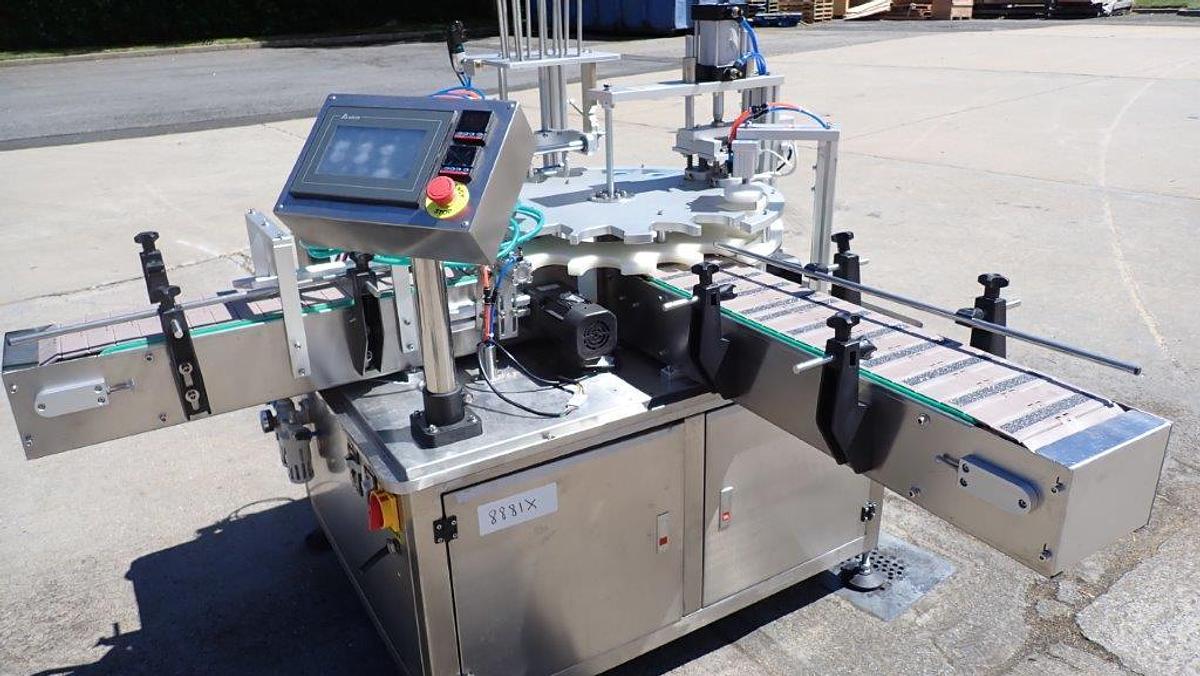
Henan Ocean Machinery is a China-based manufacturer with a product range that spans multiple industries. The company is known for construction and mining equipment, including excavators and loaders built to handle demanding conditions, as well as food processing equipment such as rotary cup filling and sealing machines. This breadth of manufacturing suggests the company serves both heavy industrial clients and food production operations, which is somewhat unusual and worth understanding before purchasing.
When buying used Henan Ocean Machinery equipment, it helps to clarify which product line a specific machine belongs to, since the engineering standards, available parts, and maintenance requirements can vary significantly between a construction excavator and a food-grade filling machine. Dealers who specialize in the relevant category, whether industrial or food processing, will generally be better positioned to provide accurate condition assessments and sourcing support for any components that may be needed.
What should buyers know about purchasing used Henan Ocean Machinery equipment?
Used Henan Ocean Machinery equipment is typically sold by dealers on an as-is basis, meaning the buyer takes on responsibility for verifying the machine's condition prior to purchase. Unlike buying directly from a manufacturer, there is no production warranty attached to a used machine, so the inspection process becomes the single most important step in the transaction. Buyers should request detailed photos, video walkthroughs, or in-person inspections to assess wear, operational status, and any visible damage before committing to a purchase.
Selecting a reputable dealer with a documented history of selling industrial or food processing machinery is one of the most effective ways to reduce risk. Experienced dealers can often provide maintenance records if available, describe the machine's history of use, and arrange access for third-party inspectors. Services like SGS or Bureau Veritas are commonly used to verify the condition of machinery sourced from Chinese manufacturers before shipment, and engaging one of these firms is a reasonable precaution for higher-value purchases.
How do buyers inspect used Henan Ocean Machinery equipment before purchasing?
Dealers selling used machinery typically offer three forms of inspection: in-person visits, live video calls, or pre-recorded video documentation of the machine in its current state. For equipment that is still installed at a production facility, some dealers can arrange access directly at the plant, where a buyer or their representative can observe the machine operating under real conditions. For decommissioned equipment, video inspections are the most common alternative and can still reveal a great deal about mechanical condition, visible wear, and overall care.
It is worth noting that most equipment dealers do not have the permits or infrastructure to run full production tests, so buyers should not expect a dealer to demonstrate a filling machine producing finished product or an excavator completing a job-site task. The inspection is focused on mechanical and structural condition, not output performance. For buyers who cannot travel, hiring a local third-party inspection agency in China, such as SGS or Bureau Veritas, is a practical way to get an independent assessment of the machine before payment is made.
How are used Henan Ocean Machinery machines typically priced compared to equivalent equipment from Western manufacturers?
Chinese-manufactured industrial machinery, including equipment from Henan-based producers, is generally priced 30 to 60 percent below comparable machines made by Western manufacturers. This cost difference reflects lower labor and production costs in China rather than a proportional difference in capability, and it is one of the primary reasons buyers from small and mid-sized operations seek out this equipment. On the used market, prices drop further depending on age, condition, hours of use, and how readily available parts and support remain for that specific model.
Buyers should build a realistic total cost of ownership picture before finalizing any purchase. The sticker price of the machine is just one component. Shipping, crating, rigging, customs duties, and any refurbishment or parts replacement needed after arrival can add meaningfully to the landed cost. Getting itemized quotes for each of these elements from the dealer upfront prevents surprises and allows for a fair comparison against alternative equipment options.
What certifications should buyers verify when researching Henan Ocean Machinery equipment?
For machinery manufactured in China and sold into international markets, the most relevant certifications to look for are CE marking (required for equipment sold into the European Economic Area), ISO 9001 (a quality management system standard), and SGS certification (a third-party verification of product quality and compliance). These certifications indicate that the manufacturer met defined standards at the time of production, which is useful context even when buying a used machine, since it speaks to the baseline engineering and quality control practices applied during manufacturing.
That said, certifications on used equipment should be treated as historical information rather than a current guarantee of condition. A machine that was CE-certified at the time it left the factory may have been modified, repaired with non-compliant parts, or simply worn in ways that affect its compliance status. Buyers importing used machinery should consult with their local regulatory authorities or a compliance consultant to understand what re-certification or inspection may be required before the machine is put into service in their facility.
What is a rotary cup filling and sealing machine, and what industries use this equipment?
A rotary cup filling and sealing machine is used in food and beverage production to automatically fill pre-formed cups with a product, such as yogurt, juice, pudding, or other semi-liquid or liquid goods, and then seal them with a foil or film lid. The rotary design refers to the carousel-style movement of the cups through multiple stations, including filling, measuring, and sealing, which allows for higher throughput compared to linear or single-station machines. These machines are common in dairy processing, beverage bottling, condiment packaging, and similar consumer goods production environments.
On the used equipment market, rotary cup fillers are sought after by mid-scale food producers looking to expand capacity without the cost of purchasing new production lines. Key factors to evaluate in a used machine include the condition of the sealing heads, the accuracy of the filling mechanism, compatibility with the cup sizes and lid materials the buyer intends to use, and the availability of spare parts for that specific model. A machine in good mechanical condition but requiring proprietary components that are difficult to source can create operational headaches down the line.
How does international shipping work for used Henan Ocean Machinery equipment purchased from a dealer?
Shipping used industrial machinery internationally involves several steps and cost components that buyers should understand before finalizing a purchase. The dealer is typically responsible for preparing the machine for transport, which includes proper cleaning, draining of fluids where applicable, and crating or palletizing to protect the equipment during transit. The level of packaging required depends on the size and fragility of the machine, and heavier or more complex equipment may need custom wooden crates built to the freight carrier's specifications. Buyers should ask for a detailed breakdown of packaging and rigging costs, as these are often quoted separately from the machine price.
For larger machines, loading onto a container or flatbed requires specialized rigging equipment, and unloading at the destination port or facility adds another cost. Freight charges vary based on the shipping method (LCL for smaller machines sharing a container, FCL for full container loads), the destination country, and current carrier rates. Import duties, customs clearance fees, and local transportation from the port to the buyer's facility are additional costs that must be factored into the total landed price. Working with a freight forwarder experienced in machinery imports from China is strongly recommended to navigate documentation requirements and avoid delays.
What payment terms are standard when buying used machinery from an equipment dealer?
Most used equipment dealers require full payment before a machine is released for shipping. This is standard practice in the industry and reflects the dealer's need to confirm the transaction is complete before incurring the costs of rigging, crating, and arranging freight. In some cases, dealers may offer payment terms to established customers with a history of repeat business, but first-time buyers should generally expect to pay in full upfront. Wire transfer is the most common payment method for international transactions of this type.
Buyers should treat the payment process as part of their overall due diligence. Confirming the dealer's legitimacy, verifying business registration, and reviewing any available transaction history or references before sending funds is a reasonable precaution. For high-value purchases, some buyers use escrow services or letters of credit to add a layer of protection, though the availability of these arrangements depends on the dealer. Clarifying payment expectations, including currency, bank details, and any fees, early in the negotiation avoids misunderstandings closer to the transaction date.
How can buyers assess whether a used machinery dealer selling Henan Ocean Machinery equipment is reputable?
Evaluating a dealer's credibility starts with looking at how long they have been in business and whether they specialize in the type of machinery being sold. A dealer with a long track record of selling construction equipment, food processing machinery, or industrial equipment in general will have more relevant knowledge about the machines they list and will be better equipped to answer technical questions accurately. Buyers should look for verifiable business information, a physical address, and evidence of past transactions, whether through customer references, industry affiliations, or documented sales history.
Beyond the dealer's background, the quality of the listing itself is a useful signal. Detailed specifications, clear photographs from multiple angles, honest descriptions of condition, and transparency about the machine's history all suggest a dealer who operates with integrity. Dealers who are willing to accommodate third-party inspections, answer technical questions directly, and provide documentation such as maintenance logs or prior service records are generally more trustworthy than those who resist scrutiny. Taking time to ask specific questions and observing how thoroughly and honestly a dealer responds is one of the most reliable indicators of how the transaction will go.
What spare parts and support considerations apply to used Henan Ocean Machinery equipment?
One of the practical challenges with used machinery from any manufacturer is determining what level of parts and technical support remains available for a given model. Older machines or discontinued models may have limited parts availability, which can make repairs costly or slow if a component fails. Before purchasing, buyers should research whether the manufacturer still supports the model in question, and if possible, contact the manufacturer directly to ask about parts availability, service manuals, and any technical assistance they provide for machines of that age.
For equipment where manufacturer support is limited, buyers have a few options. Third-party machine shops can often fabricate replacement parts for mechanical components, and there is an active secondary market for parts from decommissioned machines of the same model. Buyers should also ask the selling dealer whether any spare parts are included with the machine or available separately, as dealers sometimes acquire parts inventories alongside equipment. Building a small inventory of wear items such as seals, belts, and filters before putting the machine into production is a common practice that reduces downtime risk in the early stages of operation.