Category
Manufacturer
Model
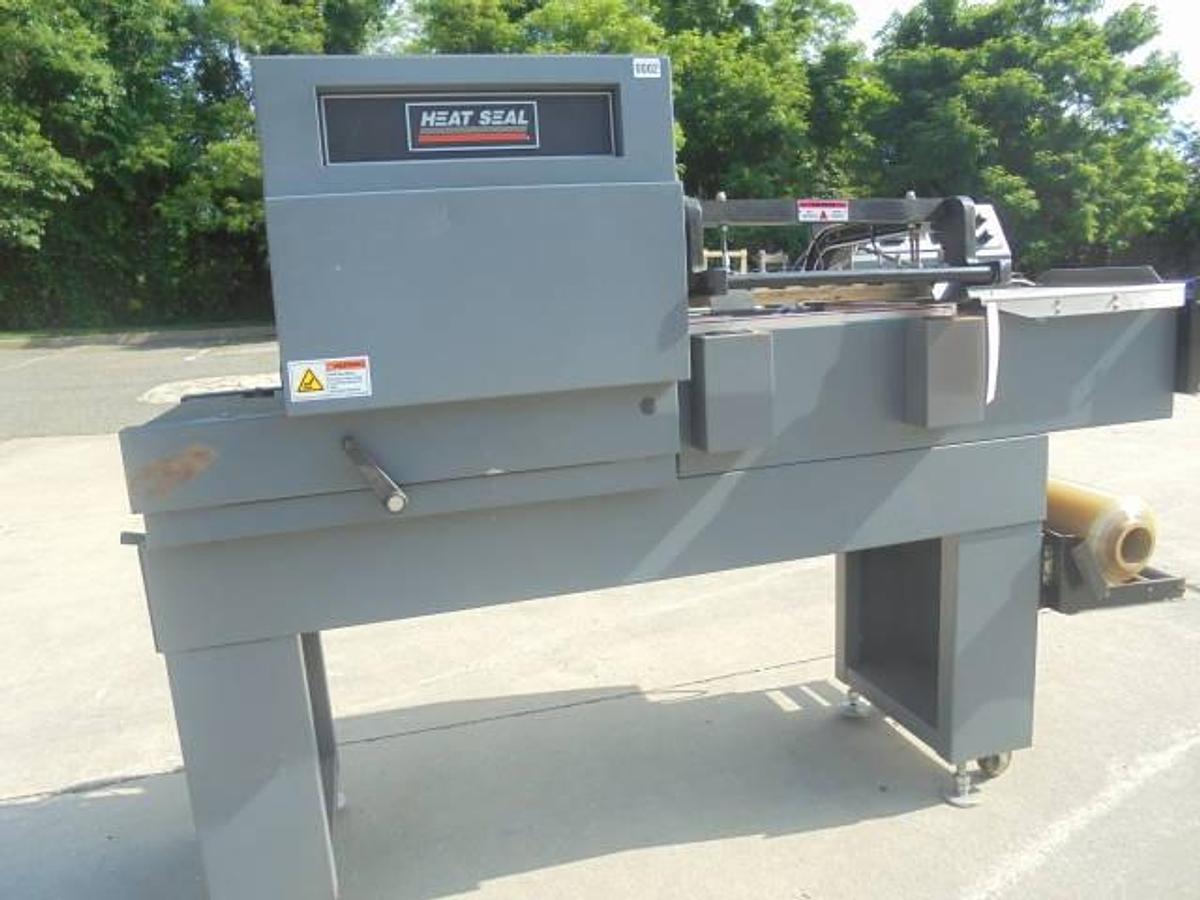
Heat Seal
Heat Seal is a leader in packaging technology, particularly known for their heat sealing machines used in food and pharmaceutical industries. Their equipment ensures product integrity and extends shelf life through effective sealing solutions.
FAQ:
What types of heat seal machines are available on the used equipment market?
Used heat seal machines span a wide range of types, each designed for different production environments and packaging needs. The most common categories include impulse sealers, direct heat sealers, continuous band sealers, L-bar sealers, and combination units that pair an L-bar sealer with a shrink tunnel. Impulse sealers are compact and energy-efficient, generating heat only during the actual sealing cycle rather than staying hot continuously. Band sealers move packages through a conveyor-driven sealing mechanism, making them well-suited for moderate to high-volume lines. L-bar sealers cut and seal film around a product in a single motion, and when paired with a shrink tunnel, they produce the tight, professional shrink-wrapped packages common in retail and food service settings.
Heat Seal, as a brand, has been particularly active in food and pharmaceutical packaging, and their used machines frequently appear on the secondary market in configurations that include both standalone sealers and combination L-sealer/shrink tunnel units. Buyers looking at used equipment should pay close attention to the machine type and how it fits their specific packaging format, since a band sealer optimized for poly bags behaves very differently from an L-bar sealer designed for shrink film. Reviewing the full specifications of any used unit, including sealing element width, film compatibility, and conveyor speed if applicable, is an important step before committing to a purchase.
What is the difference between an impulse sealer and a direct heat sealer?
The core difference comes down to how and when heat is applied. An impulse sealer uses a wire element that heats up rapidly only when the sealing bar is pressed closed, then cools before the bar is released. This on-demand heating makes impulse sealers energy-efficient, cooler to work around, and less likely to burn thinner films if the operator lingers slightly. They are popular in small businesses, labs, and lower-volume production settings where the machine may sit idle between sealing cycles.
A direct heat sealer, by contrast, keeps its sealing elements at a constant elevated temperature throughout operation. This continuous heat allows for faster cycle times and more consistent seals on thicker or more demanding materials, which is why direct heat sealers are common in high-volume food processing and pharmaceutical packaging lines. The tradeoff is higher energy consumption and greater operator care around the hot elements. When evaluating used machines of either type, buyers should inspect the sealing elements and Teflon-coated surfaces carefully, as these are wear components that affect seal quality and may need replacement regardless of the machine's overall condition.
What materials can a heat seal machine seal?
Heat seal machines are compatible with a broad range of thermoplastic films and laminates. The most commonly sealed materials include polyethylene (PE), polypropylene (PP), polyvinyl chloride (PVC), Mylar, foil laminates, and various co-extruded multilayer films used in food and pharmaceutical packaging. The key requirement is that at least the inner layer of the packaging material must be heat-sealable, meaning it softens and bonds under heat and pressure. Materials like paper, fabric, or non-thermoplastic films generally cannot be sealed with a standard heat sealer unless they have a heat-sealable coating.
For buyers of used heat seal equipment, understanding material compatibility is especially important because different machines are calibrated for different film thicknesses and types. A machine previously used for thin polyethylene bags may need adjustment or new elements to handle heavier foil pouches, and vice versa. Heat Seal equipment used in pharmaceutical and food applications is often designed to handle the specialized barrier films those industries require, which can be an advantage for buyers in those sectors. Before purchasing a used machine, it is worth confirming the film thickness range and material types the unit was designed for, and asking the seller about the materials it was running in its previous production environment.
What sealing width do I need, and how do I choose the right size?
Sealing width refers to the maximum width of the bag or package the machine can seal in a single pass, and it is one of the most important specifications to get right before purchasing. Common sealing widths on the used market range from roughly 100mm (4 inches) for compact bench-top units up to 600mm (24 inches) or more for industrial continuous band sealers. The general rule is to match the sealer's maximum width to the widest package you need to seal, with some margin to spare. Buying a machine that is just barely wide enough for your largest package leaves no room for variation in bag positioning or future product line changes.
Beyond width, buyers should also consider the seal width itself, which is the thickness of the actual seal line measured in millimeters. A wider seal line generally produces a stronger bond and is preferred for heavier or moisture-sensitive products. For combination L-bar sealers, the relevant measurement shifts to the maximum film width and the maximum product height the machine can accommodate. Used machines will have these specifications listed, but it is always worth verifying them against the machine's physical dimensions during an inspection, since wear or prior modifications can occasionally affect actual capacity compared to the listed specs.
What should I inspect when buying a used heat seal machine?
Buying used packaging equipment requires a more hands-on evaluation than purchasing off a spec sheet. The sealing elements and Teflon-coated sealing surfaces are the first things to examine, as these are high-wear components that directly affect seal quality. Look for cracks, burns, or uneven wear on the Teflon tape and check the condition of the heating wire or band. The pressure mechanism, whether a manual bar, pneumatic cylinder, or motorized system, should operate smoothly without sticking or uneven clamping force. On band sealers and combination units, inspect the conveyor belts, drive rollers, and timing mechanisms for wear.
Electrical components deserve attention as well. Control panels, timers, and temperature regulators should respond accurately, and any digital readouts should display correctly. For L-bar sealer and shrink tunnel combinations, the tunnel's heating elements and blower system should be tested if at all possible. Reputable used equipment dealers will typically accommodate in-person inspections or provide detailed video walkthroughs of the machine in its current condition. Some equipment may still be installed at the facility where it was last used, allowing for a live demonstration. Keep in mind that most dealers are not set up for full production testing with actual product, so the inspection focuses on mechanical and electrical function rather than a full packaging run.
How are used heat seal machines typically priced?
Pricing on the used market varies considerably based on machine type, size, brand, age, and condition. Small bench-top impulse sealers at the lower end of the market can be found for a few hundred dollars, while industrial-grade continuous band sealers and combination L-sealer/shrink tunnel units from established manufacturers like Heat Seal typically range from several thousand dollars into the tens of thousands, depending on specifications and condition. Pharmaceutical-grade or stainless steel construction machines command a premium because of the material standards and validation documentation that often accompanies that equipment.
One important consideration for used equipment buyers is total landed cost, not just the listed price. Shipping, rigging, and any required crating or palletization can add meaningfully to the final number, particularly for heavier industrial units that require specialized freight handling. Buyers should ask dealers for a detailed breakdown of packaging and shipping costs before finalizing a purchase. Payment terms for used equipment typically require full payment prior to shipment, though some dealers may offer extended terms to established repeat customers. Getting clarity on all these costs upfront prevents surprises and allows for a fair comparison between different machines and sellers.
What industries commonly use Heat Seal brand packaging machines?
Heat Seal has built a strong reputation primarily in food packaging and pharmaceutical manufacturing, two industries where seal integrity is directly tied to product safety and regulatory compliance. In food applications, their machines are used to package everything from fresh produce and deli items to frozen foods and snack products, where an effective seal extends shelf life and maintains freshness. The combination of L-bar sealers and shrink tunnels is particularly common in retail food packaging, where a tight, visually clean shrink wrap is both functional and part of the product presentation.
In pharmaceutical and medical device packaging, the requirements are even more stringent. Seal strength, consistency, and the ability to work with specialized barrier films are critical, and Heat Seal equipment has been used in these environments to meet those demands. Beyond food and pharma, their machines also appear in cosmetics, hardware, and general consumer goods packaging. For buyers sourcing used Heat Seal equipment, this industry background is relevant because it often means the machines were maintained to relatively high standards and may have documented service histories, though buyers should always verify actual condition through inspection rather than assuming maintenance history based on industry alone.
What is an L-bar sealer and shrink tunnel combination, and what is it used for?
An L-bar sealer gets its name from the L-shaped sealing element that simultaneously cuts and seals two sides of a shrink film wrap around a product in a single downward motion. The operator places the product on a film-covered platform, lowers the L-bar, and the result is a loosely wrapped package with sealed edges. That package then travels through a shrink tunnel, where controlled heat causes the film to tighten uniformly around the product, producing a taut, professional-looking wrap. The two pieces of equipment are often sold and used together because the L-sealer alone produces a loose wrap that only becomes presentable after the shrink tunnel does its work.
These combination systems are common in retail environments, food service, and any application where presentation matters alongside protection. Products like DVDs, boxed goods, gift items, and food trays are frequently packaged this way. On the used market, L-sealer and shrink tunnel combinations represent a practical entry point for businesses that want shrink-wrap capability without the capital cost of buying the equipment new. Buyers should evaluate both components of the system together, since a well-maintained sealer paired with a tunnel that has degraded heating elements will not produce consistent results. Inspecting the tunnel's temperature uniformity and the sealer's cutting wire condition are both important steps in assessing a used combination unit.
How does buying a used heat seal machine compare to buying one directly from a manufacturer?
The most obvious difference is cost. Used heat seal machines are generally available at a significant discount compared to buying equivalent equipment through a manufacturer's current lineup, which makes used equipment attractive for businesses that need industrial-grade sealing capability but want to manage capital expenditure. A machine that might carry a five-figure price tag from a manufacturer can often be sourced used for a fraction of that, particularly if the buyer is flexible on age and cosmetic condition. For businesses with tight budgets or those testing a new packaging format before committing to a long-term investment, the used market offers a practical path.
The tradeoffs are worth understanding clearly. Used machines are sold as-is, meaning the buyer takes on responsibility for assessing condition rather than relying on a manufacturer's quality assurance process. There are no manufacturer warranties on used equipment, and parts availability can vary depending on the age and model of the machine. Buyers should contact the manufacturer directly to understand what level of support, parts, and documentation is available for a specific model before purchasing. Selecting a used equipment dealer with a demonstrated track record in packaging machinery, rather than a generalist reseller, reduces risk considerably. Experienced dealers who specialize in packaging equipment are better positioned to accurately describe machine condition and to source the right units for specific applications.
What questions should I ask a used equipment dealer before purchasing a heat seal machine?
Starting with the machine's history gives important context. Asking what industry the machine came from, how many shifts per day it ran, and how recently it was last in production helps establish how hard the equipment was used. A machine that ran one shift a day in a clean pharmaceutical environment has a very different wear profile than one that ran three shifts in a high-humidity food plant. Asking for any available service records or maintenance logs is worthwhile, even if documentation is incomplete, since partial records are better than none.
Beyond history, buyers should ask specifically about the condition of wear components: sealing elements, Teflon surfaces, belts, and cutting wires. Ask whether the machine powers on and whether a video or in-person inspection can be arranged. Get a full breakdown of shipping costs, including packaging, crating, rigging for loading, and freight to your location, so you understand the true landed cost before agreeing to a price. Ask whether the machine is currently installed at a facility where a live demonstration might be possible, or whether it has already been decommissioned and moved to a warehouse. Finally, ask the dealer about their experience specifically with packaging equipment, since a dealer who regularly handles heat seal machines will be better equipped to answer technical questions and accurately represent what the machine can do.