Category
Manufacturer
Model
Hassia
Hassia is a prominent manufacturer of packaging machinery, particularly in the food and pharmaceutical sectors. They are recognized for their advanced vertical form-fill-seal machines that enhance packaging efficiency and product safety.
FAQ:
What types of Hassia packaging machines are commonly available on the used market?
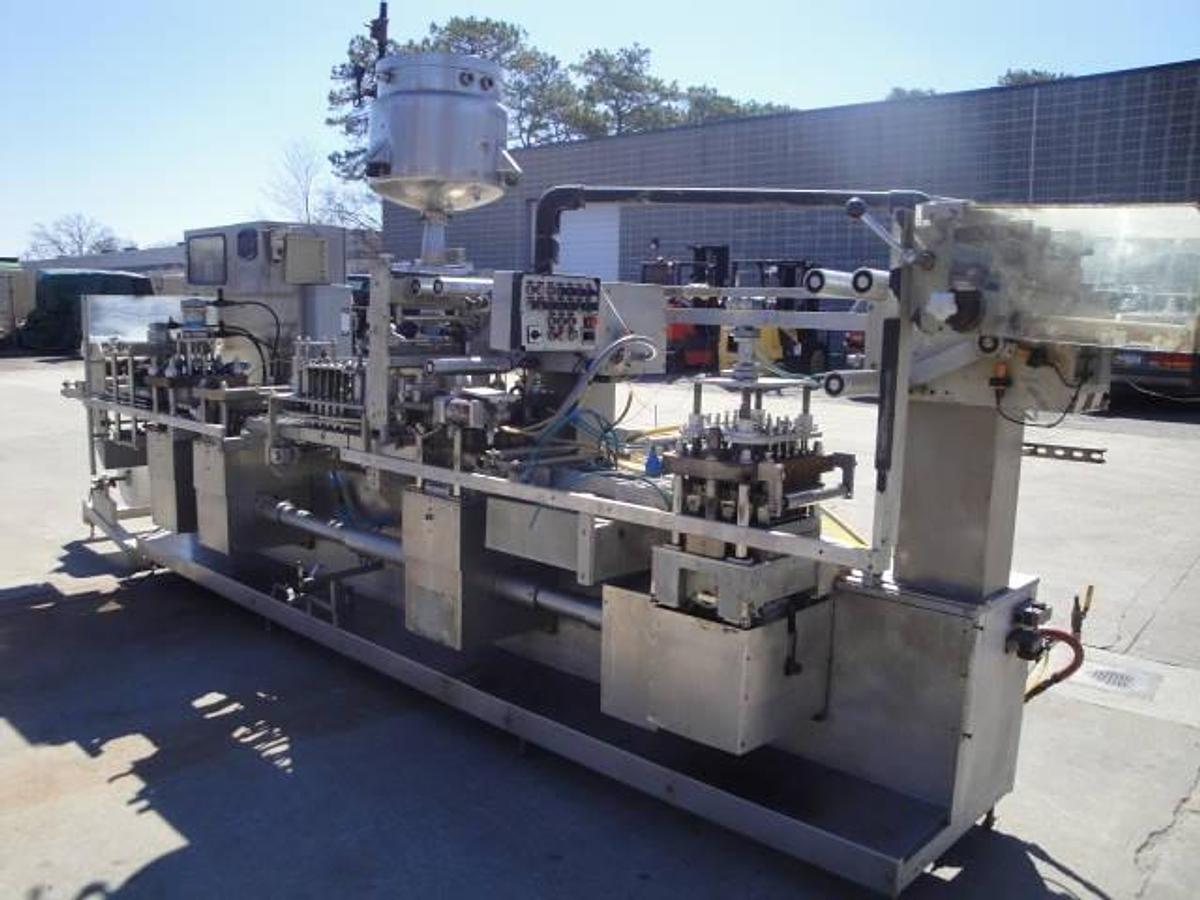
Hassia produces a wide range of packaging machinery, and several machine types appear regularly on the used equipment market. The most common include vertical form-fill-seal (FFS) machines such as the SVL series stick pack machines, thermoform fill-and-seal machines like the THL series designed for condiments and portioned products, and horizontal flow wrappers. Sachet machines and cup filling and sealing equipment also surface with some regularity, particularly from food and dairy production facilities that have upgraded or closed lines.
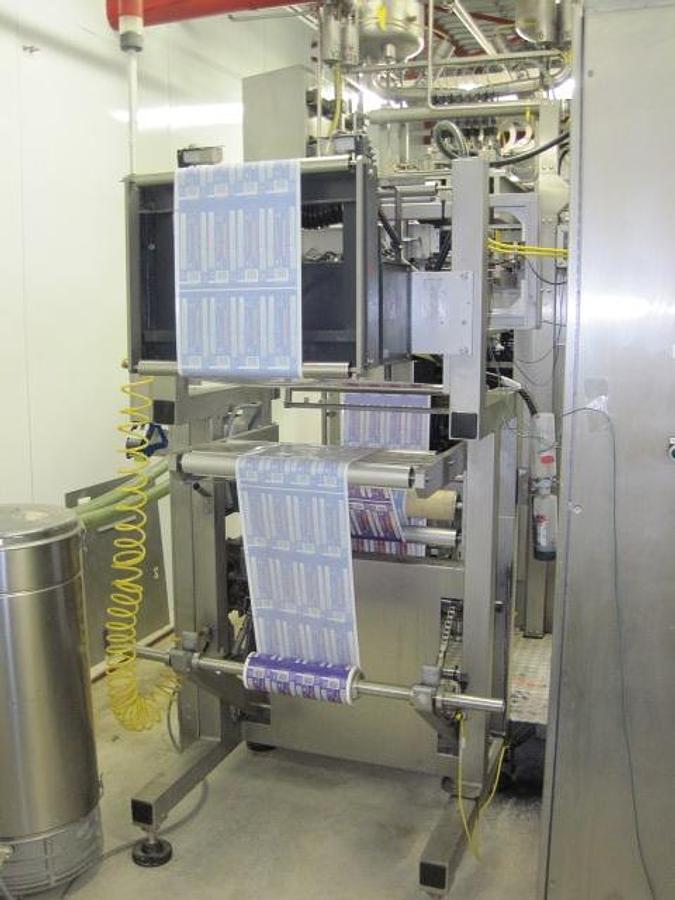
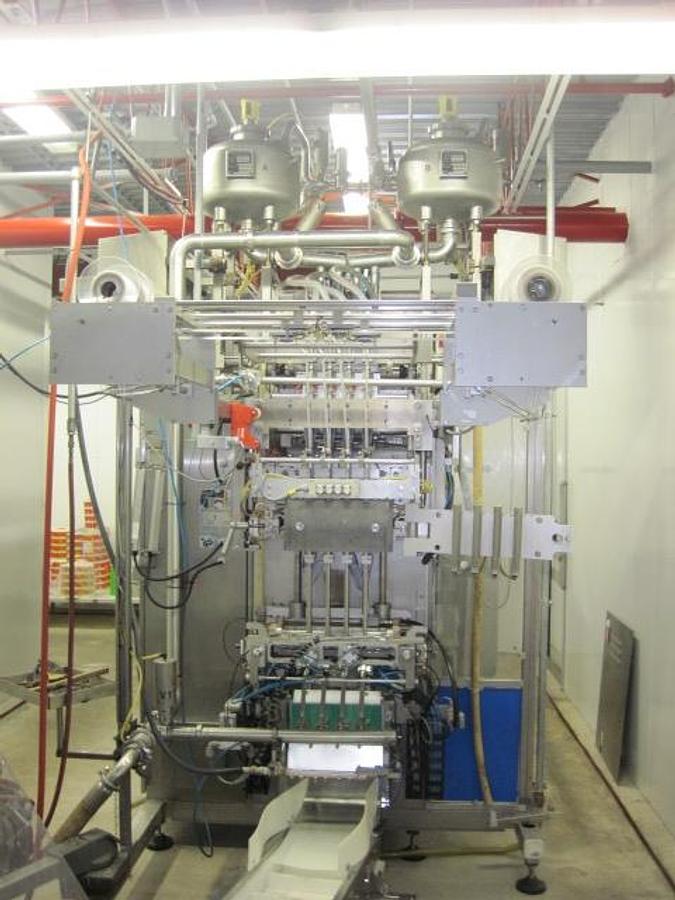
The SVL 16/24 four-across form-fill-seal machine and the SVL stick pack machine are good examples of the kind of Hassia equipment that ends up on the secondary market. These machines were built for high-volume, precision packaging and tend to have long operational lifespans, which is a big reason buyers seek them out used. Anyone sourcing used Hassia equipment should clarify the specific model configuration, the number of lanes or forming tubes, and whether the machine was last used for food, pharmaceutical, or industrial applications, since that affects cleaning requirements and regulatory considerations before restarting production.
What industries use Hassia packaging machinery?
Hassia packaging machinery has a strong foothold in the food and beverage industry, where its form-fill-seal technology is used to package products like condiments, sauces, dairy portions, sugar, coffee, powdered drink mixes, and confectionery items. The stick pack format in particular is widely used for single-serve portions of powders and liquids across both food service and retail channels. Pharmaceutical and nutraceutical manufacturers also rely on Hassia equipment for sachet and stick pack applications where precise dosing and hygienic packaging are required.
Beyond food and pharma, Hassia machines have been used in personal care and household chemical packaging, especially for single-use sachets of detergents, shampoos, and similar products. The machines are built to German engineering standards with sanitary design features that make them adaptable across regulated industries. When evaluating a used Hassia machine, buyers should ask about the previous application, since a machine coming out of a pharmaceutical line may have different documentation and cleaning validation history than one from a food plant, and that history can matter for regulatory compliance in the next application.
What should buyers know about the condition of used Hassia packaging machines?
Used Hassia machines can vary considerably in condition depending on how intensively they were run, how well they were maintained, and how long they sat idle after being decommissioned. Hassia equipment is known for its durable construction, so machines that received regular preventive maintenance can still perform well after many years of service. That said, wear items like sealing jaws, forming tubes, drive belts, and film tracking components should be evaluated carefully, since these parts see the most stress during production and are the most likely to need attention after a machine changes hands.
Buyers should request as much documentation as possible, including maintenance logs, any available service records, and information about the last product run. Reputable used equipment dealers will typically offer in-person inspections, video walkthroughs, or video captures of the machine so buyers can assess its current state before committing to a purchase. Keep in mind that most dealers do not have the permitting or setup required to run actual production trials, so inspections focus on mechanical condition, completeness of components, and visible wear rather than live output testing. Engaging a qualified packaging machinery technician to review inspection footage or accompany a site visit is a smart step for higher-value purchases.
Are spare parts available for used Hassia packaging machinery?
Spare parts availability is one of the most important factors to investigate before purchasing any used packaging machine, and Hassia is no exception. Hassia is now part of the IMA Group, and support for older models varies depending on the machine's age and specific configuration. Generally speaking, machines manufactured after 2000 tend to have better parts availability, both from the manufacturer's network and from third-party suppliers who have developed compatible components for widely used Hassia models. Older machines from the 1980s and early 1990s may require more effort to source parts, particularly for proprietary mechanical assemblies.
Buyers are strongly encouraged to contact Hassia or IMA Group directly before finalizing a purchase to ask specifically about parts and technical support for the model and serial number they are considering. This conversation can reveal whether the manufacturer still stocks critical components, whether parts must be custom fabricated, or whether a robust aftermarket supply exists. Some used equipment dealers who specialize in packaging machinery maintain their own inventory of Hassia spare parts or can connect buyers with parts suppliers, which adds meaningful value beyond just the machine itself. Factoring in parts lead times and costs is an essential part of calculating the true total cost of ownership for any used Hassia machine.
What is the typical production output of Hassia form-fill-seal machines?
Production output for Hassia form-fill-seal machines depends heavily on the specific model, the number of forming lanes, the product being packaged, and the fill volume per pack. Stick pack machines like the SVL series are capable of producing anywhere from several hundred to well over a thousand packs per minute across all lanes combined, with multi-lane configurations running four, eight, sixteen, or more lanes simultaneously to maximize throughput. Thermoform machines like the THL series are typically rated by the number of cycles per minute, with output varying based on cavity count per cycle and dwell time required for proper sealing.
When evaluating a specific used Hassia machine, buyers should ask for the rated speed at the machine's intended fill weight and product type, since output figures quoted at maximum speed with a light powder fill will look very different from realistic throughput with a viscous liquid or a chunky condiment. It is also worth asking whether the machine has been speed-limited or de-rated during its service life, as some operators intentionally run below maximum rated speed to extend seal quality and reduce wear. A used machine that has been run conservatively throughout its life may actually be in better mechanical condition than one that was pushed to its rated limits every shift.
Can used Hassia packaging machines be upgraded with modern controls?
Retrofitting older Hassia machines with modern PLC controls, HMI touchscreens, or updated servo drive systems is technically feasible and has become a fairly common practice for extending the useful life of well-built mechanical platforms. Machines from the late 1990s onward often have electrical architectures that are more straightforward to retrofit than earlier models, and the mechanical components on Hassia equipment are generally well-engineered enough to justify the investment in a controls upgrade. Common retrofit projects include replacing older relay-based logic with a modern PLC, adding a color touchscreen interface to replace worn or obsolete operator panels, and upgrading to servo-driven film feed systems for better accuracy and reduced waste.
The cost and complexity of a controls retrofit varies significantly based on the machine's existing electrical infrastructure and how deeply the controls are integrated with the mechanical functions. Buyers considering this path should consult with a packaging machinery integrator or an electrician experienced in industrial controls before purchasing a machine specifically for upgrade purposes. It is also worth checking whether Hassia or IMA Group offers any factory-supported modernization kits for specific models, as this can simplify the process and preserve some level of manufacturer support. Machines manufactured after 2000 generally offer better compatibility with current control hardware and are easier to integrate into existing production line networks.
Do used Hassia machines meet food safety and hygiene standards like FDA or CE requirements?
Hassia packaging machinery was designed and built to meet the food safety and hygienic engineering standards in effect at the time of manufacture, and many models were built to comply with European CE directives and were sold into markets with FDA oversight. Stainless steel contact surfaces, tool-free or quick-release changeover parts, and enclosed product pathways are design features common across Hassia's food-grade equipment lines. However, compliance status for a specific used machine depends on its age, the standards it was originally certified to, and whether those certifications still apply under current regulations.
Buyers in regulated industries should not assume that a used machine automatically meets current FDA, CE, or GMP requirements without conducting their own assessment. Regulations evolve, and a machine that was compliant when manufactured in 1998 may need modifications or documentation updates to satisfy a current food safety audit. It is advisable to involve a food safety engineer or regulatory consultant when evaluating used packaging equipment for pharmaceutical or food production applications. Reviewing any available CE declarations of conformity or prior inspection records that come with the machine is a good starting point, and the manufacturer's current technical team may be able to advise on what, if anything, would need to be addressed to bring an older machine into compliance with present-day standards.
What is the typical price range for used Hassia packaging machinery?
Pricing for used Hassia packaging machines spans a wide range depending on the model, age, configuration, condition, and how specialized the machine is. Simpler or older stick pack and sachet machines in average condition can be found at lower price points, sometimes in the range of a few thousand to tens of thousands of dollars. More complex thermoform fill-and-seal machines, multi-lane high-speed stick pack lines, or machines in excellent condition with recent service histories can command prices well into the six-figure range. The specific forming tube count, fill system type, and any included tooling or change parts also affect the final price.
Buyers should factor in costs beyond the purchase price when calculating total investment. Shipping, rigging, and crating for large packaging machines can add thousands of dollars to the landed cost, particularly for international shipments or machines requiring specialized heavy lifting equipment. Spare parts to bring a machine up to running condition, any controls upgrades, and installation labor are additional line items worth budgeting for before finalizing a purchase decision. Getting a clear picture of the machine's current mechanical condition through a thorough inspection helps buyers avoid surprises and negotiate a fair price based on actual condition rather than listed specifications alone.
What should buyers expect during the inspection process for used Hassia equipment?
Reputable used equipment dealers will typically offer buyers the opportunity to inspect Hassia machines in person, through a live video call, or via detailed video captures that show the machine's mechanical condition, completeness, and any visible wear or damage. For machines that are still installed at a production facility, an in-person inspection can sometimes be arranged through the dealer, and in some cases the machine may still be running in production, which gives buyers a rare opportunity to observe it operating under real conditions. Machines that have been decommissioned and moved to a dealer's warehouse can usually be inspected at the dealer's location.
It is important to understand that most used equipment dealers do not have the production permits, product handling capabilities, or packaging materials on hand to run actual production trials. Inspections focus on mechanical completeness, the condition of wear parts like sealing jaws and forming tubes, the state of the electrical cabinet and controls, and any obvious damage or missing components. Buyers should prepare a checklist of critical components specific to the Hassia model they are evaluating, and consider bringing or hiring a packaging machinery technician to assess items that require expert interpretation. Asking the dealer for any available documentation, including electrical schematics, operator manuals, and maintenance records, is also a standard part of due diligence for used packaging equipment purchases.
What are the typical payment and shipping terms for purchasing used Hassia machinery?
Most used equipment dealers require full payment before a machine is released for shipping, which is standard practice in the industry. Some dealers may offer payment terms to established repeat customers, but first-time buyers should generally plan for payment in full prior to shipment. Wire transfer is the most common payment method for machinery transactions of this size, though some dealers accept other forms of payment depending on the transaction amount and the buyer's location. Buyers should confirm payment expectations with the dealer early in the process to avoid delays once a purchase decision is made.
Shipping costs for Hassia packaging machinery vary based on the machine's size and weight, the origin and destination, and the level of packaging required to protect the machine in transit. Smaller machines may be palletized, while larger thermoform or multi-lane stick pack lines often require custom crating and heavy-duty rigging equipment for loading and unloading. International shipments add customs clearance, import duties, and freight forwarding fees to the total landed cost. Buyers should ask the dealer for a detailed breakdown of all shipping-related costs, including rigging, crating, freight, and any destination charges, before finalizing the purchase so the full cost of getting the machine to their facility is clearly understood.