Category
Manufacturer
Model
Hangzhou Chenxin Machinery Equipment Company Ltd.
Hangzhou Chenxin Machinery Equipment Company Ltd. specializes in providing packaging machinery for the food and beverage industry. They are known for their innovative solutions, including filling and sealing machines that improve operational efficiency.
FAQ:
What types of packaging machinery does Hangzhou Chenxin Machinery Equipment produce?
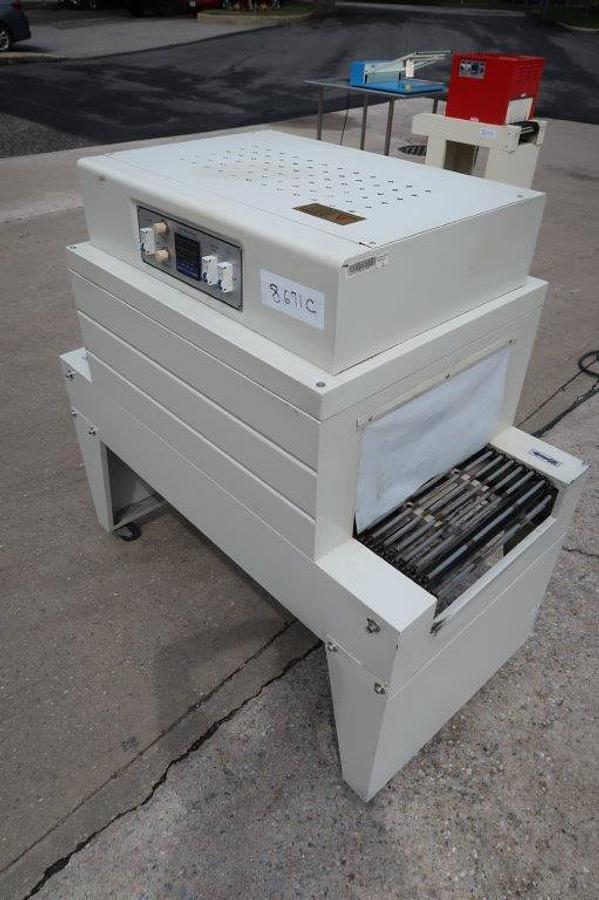
Hangzhou Chenxin Machinery Equipment Company Ltd. specializes in packaging machinery designed for the food and beverage industry. Their product line includes filling machines, sealing machines, and conveyorized shrink tunnels, with a focus on equipment that improves operational efficiency on production lines. The shrink tunnel, for example, is a common piece of equipment used to apply heat-shrink film around packaged goods, giving products a tight, tamper-evident wrap suitable for retail or distribution.
When buying used Chenxin machinery, it pays to understand exactly which model and configuration you are looking at, since the company has produced multiple generations of equipment over the years. Specifications such as tunnel belt width, conveyor speed, and temperature range vary considerably between models. Asking the seller for the original equipment documentation, if available, will help you match the machine to your production requirements before committing to a purchase.
What should buyers know about purchasing used packaging machinery instead of buying directly from a manufacturer?
Buying used packaging machinery is a well-established practice in the food and beverage industry, and it can offer significant cost savings compared to sourcing equipment through a manufacturer's distribution channel. The trade-off is that used machines come without the protections that typically accompany a factory purchase, such as manufacturer warranties or guaranteed support contracts. Equipment is generally sold as-is, which places the responsibility of evaluating condition squarely on the buyer. This makes the reputation and specialization of the dealer you choose critically important.
A reputable used machinery dealer with a long track record in packaging or food processing equipment will have the industry knowledge to accurately represent a machine's condition, help source spare parts, and connect buyers with appropriate technical resources. Before purchasing, buyers should research the dealer's history, ask for detailed photos or video of the machine in its current state, and if possible arrange an in-person or virtual inspection. Consulting the original manufacturer about parts availability and technical support for a specific model and age of machine is also a smart step, since older or discontinued models may have limited support options.
How does a conveyorized shrink tunnel work, and what industries use it?
A conveyorized shrink tunnel is a piece of packaging equipment that uses controlled heat to shrink a plastic film tightly around a product or grouped products as they pass through on a conveyor belt. The film, typically polyolefin or PVC, is first loosely applied around the product upstream, and then the tunnel's heated chamber causes the film to contract uniformly, producing a clean, professional wrap. Key operating parameters include belt speed, tunnel temperature, and the width and height of the tunnel opening, all of which need to match the product size and film type being used.
This type of equipment is used across a wide range of industries, with food and beverage being among the most common. Bottled water, canned goods, multipacks of beverages, and packaged snack foods are frequently wrapped using shrink tunnels. Beyond food and beverage, shrink tunnels appear in pharmaceutical packaging, cosmetics, and consumer goods manufacturing. Used shrink tunnels in good working condition can be a cost-effective entry point for smaller producers or companies scaling up their packaging operations without the capital outlay of buying new equipment.
What inspections should a buyer request before purchasing used packaging equipment?
Before finalizing a purchase of used packaging machinery, buyers should request as thorough an inspection as the situation allows. The most informative option is an in-person inspection at the location where the machine currently sits, whether that is a dealer's warehouse or an active or decommissioned production facility. During an in-person visit, a buyer or their technician can examine the machine's mechanical components, check for wear on belts and seals, inspect electrical panels and wiring, and assess the overall condition of the frame and conveyor surfaces. If travel is not practical, a live video inspection conducted via a video call is the next best option, allowing the buyer to direct the camera to specific areas of interest in real time.
It is worth keeping in mind that most used equipment dealers are not set up to run full production tests, since operating production machinery requires different permits and facilities than a typical equipment resale operation. What a dealer can generally do is demonstrate that the machine powers on, that motors and heating elements function, and that the conveyor moves as expected. For a more thorough functional assessment, buyers sometimes arrange inspections at a plant where the machine is still in active use, or they factor the cost of a post-purchase inspection by a qualified technician into their overall budget.
How is used industrial packaging machinery typically shipped, and what costs should buyers anticipate?
Shipping used industrial machinery involves more complexity than standard freight, and the total landed cost can vary significantly depending on the size and weight of the equipment, the origin and destination, and the level of packaging required to protect the machine in transit. Smaller machines may be palletized and shipped via standard LTL (less-than-truckload) freight, while larger equipment like full conveyorized shrink lines may require custom crating, flatbed transport, or even container shipping for international orders. The cost of crating or rigging is typically separate from the freight charge itself, so buyers should ask for an itemized breakdown of all shipping-related costs before agreeing to a purchase price.
For equipment sourced from China, international buyers also need to factor in customs duties, import taxes, and any port handling fees at the destination country. These charges can add a meaningful percentage to the total cost and should be researched before budgeting. Buyers should also confirm who is responsible for loading the machine at the origin point, since heavy machinery often requires a forklift or crane, and rigging fees for that work are sometimes billed separately. Getting clarity on all of these line items upfront prevents surprises and allows for an accurate comparison between different equipment options.
What payment terms are common when purchasing used machinery from an equipment dealer?
The standard practice in the used machinery industry is for dealers to require full payment before a machine is released for shipping. This applies to most transactions, particularly for buyers who are purchasing from a dealer for the first time. The reasoning is straightforward: once a machine leaves the dealer's possession, the seller has limited recourse if payment is not completed. Accepted payment methods vary by dealer but commonly include wire transfer, certified funds, or in some cases credit card for smaller purchases.
Some dealers extend more flexible payment arrangements to repeat customers with whom they have an established relationship, but this is the exception rather than the rule and is typically negotiated on a case-by-case basis. Buyers who are uncomfortable with full prepayment should focus on verifying the dealer's credibility before transacting, looking at factors like years in business, industry references, and whether the dealer specializes in the relevant equipment category. Using a freight escrow or trade finance arrangement is another option some international buyers explore to add a layer of protection to large cross-border transactions.
What certifications should buyers look for when evaluating used food and beverage packaging equipment?
Certifications on packaging machinery serve as indicators that the equipment was designed and built to meet recognized safety and performance standards. The most commonly referenced certifications for machinery sold into international markets include CE marking, which signals conformity with European health, safety, and environmental standards, and ISO certifications, which relate to quality management systems in the manufacturing process. For food and beverage applications specifically, buyers may also look for compliance with standards related to food-contact materials, since parts of the machine that touch or are in close proximity to food products need to meet hygiene requirements.
When buying used equipment, the original certification documentation may or may not transfer with the machine, and it is important to ask the seller what paperwork is available. Even if the original certification documents are on hand, buyers should be aware that used machinery may have been modified, repaired, or worn in ways that affect its compliance status. Consulting with a local machinery safety inspector or the relevant regulatory body in your country is advisable if certification compliance is a requirement for your operation. In some regions, used imported machinery must pass a local inspection before it can be put into service, so factoring that step into your timeline and budget is prudent.
How do buyers find spare parts and technical support for used Hangzhou Chenxin packaging machinery?
Sourcing spare parts for used packaging machinery from Chinese manufacturers requires some advance planning. The first step is to contact Hangzhou Chenxin directly or through their authorized channels to determine what parts are still available for the specific model you own or are considering purchasing. Manufacturers sometimes maintain parts inventories for older models, but availability depends heavily on how long ago the model was produced and whether the design has since been updated or discontinued. Having the machine's model number, serial number, and production year on hand makes these inquiries much more productive.
Beyond the original manufacturer, used machinery dealers who specialize in packaging equipment often have knowledge of third-party parts suppliers or can source components from decommissioned machines of the same model. Industrial parts distributors and aftermarket suppliers are another avenue, particularly for common components like conveyor belts, heating elements, and electrical controls that are not proprietary to a single brand. Before purchasing a used machine, it is worth doing a preliminary parts availability check so you understand the long-term serviceability of the equipment. A machine that is difficult to source parts for carries a higher operational risk, regardless of its condition at the time of purchase.
What factors most affect the price of used packaging machinery on the secondary market?
The price of used packaging machinery is shaped by several intersecting factors. Age and overall condition are the most obvious, but they do not tell the whole story. A well-maintained machine that is ten years old may command a higher price than a newer machine that has been heavily used in a demanding production environment. The brand's reputation in the market also plays a role, since equipment from manufacturers known for durability and parts availability tends to hold its value better. Throughput capacity, automation level, and the specific configuration of the machine (for example, the number of filling heads or the width of a shrink tunnel) all influence pricing as well.
Market demand at any given time is another significant variable. Packaging equipment for high-growth sectors like e-commerce fulfillment or ready-to-eat food production tends to attract more buyers, which can push prices up on the secondary market. Conversely, equipment that is highly specialized for a niche application may sit longer and sell at a steeper discount. Buyers comparing prices across multiple listings should also account for differences in what is included, since some listings cover only the machine while others include tooling, spare parts kits, or installation documentation. Stripping those variables out and comparing like-for-like gives a clearer picture of true market value.
What due diligence steps should a buyer take before purchasing used machinery from an overseas dealer?
Purchasing used industrial machinery across international borders adds layers of complexity that make due diligence especially important. Start by verifying the dealer's business credentials, including how long they have been operating, whether they have a physical address and verifiable contact information, and whether they have references from past customers in your industry. Dealers who specialize in a specific category of equipment, such as food and beverage packaging, are generally better positioned to accurately represent a machine's condition and help troubleshoot issues than generalist resellers.
Beyond the dealer's credentials, buyers should research import requirements in their own country before committing to a purchase. Some countries require used machinery to meet specific safety standards or pass local inspections before being cleared for use, and the cost and time involved in meeting those requirements should be factored into the decision. Requesting detailed photos, a video walkthrough, or a live virtual inspection of the machine is a baseline expectation for any reputable dealer. Clarifying all costs upfront, including the machine price, export packaging, freight, insurance, customs duties, and any local compliance costs, gives you the full picture of what the equipment will actually cost by the time it is installed and running in your facility.