Category
Manufacturer
Model
Hamrick
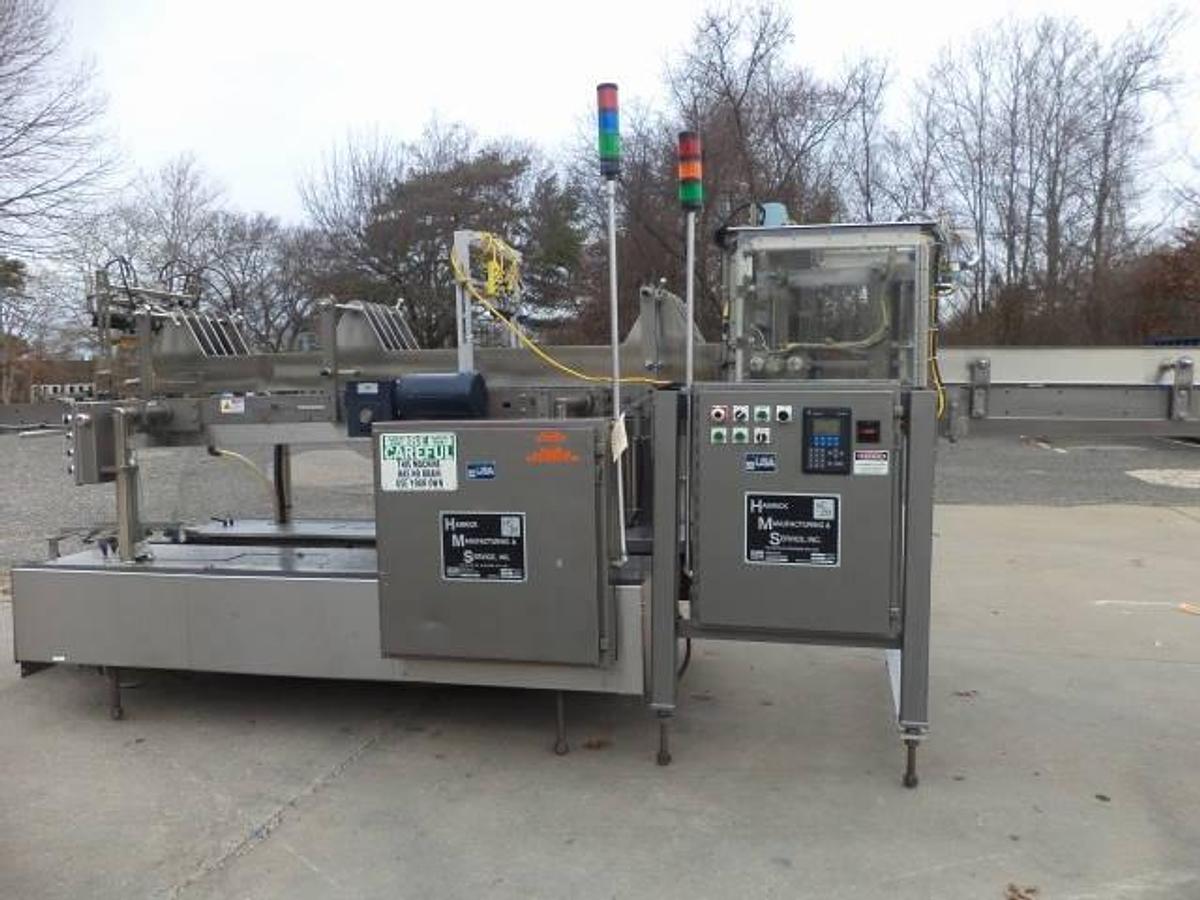
Hamrick specializes in manufacturing textile machinery, particularly known for their weaving and finishing equipment. They cater to the textile industry, providing solutions that enhance production efficiency and fabric quality.
FAQ:
What types of Hamrick textile machinery are available on the used equipment market?
Hamrick has built a reputation in the textile industry for manufacturing weaving and finishing equipment, with their machinery appearing regularly on the used equipment market as facilities upgrade, consolidate, or close production lines. Buyers searching for used Hamrick machinery may encounter a range of equipment types depending on what has recently come available, including weaving machinery, fabric finishing equipment, and specialty packaging machinery like drop-type case packers. Because the used market is driven by what sellers bring to it at any given time, availability shifts frequently.
It helps to have a clear picture of exactly what type of equipment your production line requires before beginning a search. Textile machinery is a broad category covering spinning, knitting, weaving, cutting, and finishing, and Hamrick's catalog has historically concentrated on specific segments of that range. Working with a used equipment dealer who specializes in textile machinery is one of the more reliable ways to track down specific Hamrick models, since specialists tend to have deeper networks and faster access to equipment as it becomes available through plant closures or production changes.
What should buyers know about purchasing used textile machinery versus buying from a manufacturer?
Buying used textile machinery is fundamentally different from purchasing directly from a manufacturer, and understanding those differences upfront saves buyers from surprises later. Used machinery is sold as-is, meaning the condition of the machine at the time of sale is what the buyer receives. There are no manufacturer warranties attached to used equipment transactions. The responsibility for evaluating condition, age, and suitability falls squarely on the buyer, which is why choosing a reputable dealer with a long track record in the textile machinery space matters so much.
The upside of the used market is significant cost savings compared to sourcing machinery through a manufacturer, often at a fraction of the price for equipment that still has productive years remaining. Buyers should invest time in inspecting machines carefully, either in person or through video inspections arranged with the dealer, and should reach out to the manufacturer directly to understand what level of parts availability and technical support exists for the specific model and production year they are considering. Older models may have limited parts availability, which is a practical factor that should influence purchasing decisions.
How do buyers inspect used Hamrick textile machinery before purchasing?
Inspection is one of the most critical steps in buying used textile machinery, and reputable dealers will accommodate it in several forms. In-person inspections allow a buyer or their technician to physically examine the machine, check for wear, review operating hours if applicable, and assess overall condition firsthand. This is the preferred approach when geography and timing allow for it. Some machines may still be installed and running at the facility where they are being decommissioned, which gives buyers a rare opportunity to see the equipment in an active production environment.
For buyers who cannot travel, video inspections and detailed photo documentation have become standard practice in the used equipment industry. A dealer can walk through the machine on a live video call, highlight specific components, and capture footage of any visible wear or mechanical details. It is worth noting that most used equipment dealers do not have the permitting or production infrastructure to run actual fabric through a machine as part of a demonstration, so inspections focus on mechanical condition and visual assessment rather than live production testing. Buyers should ask specific questions about what the inspection will cover and request as much documentation as possible before committing to a purchase.
Are replacement parts readily available for used Hamrick textile machinery?
Parts availability for any used textile machine depends heavily on the age of the equipment and whether the manufacturer still actively supports that model. For Hamrick machinery, prospective buyers should contact the manufacturer directly before purchasing to ask specifically about parts availability for the model and approximate production year they are considering. Manufacturers can usually indicate whether a machine is still within their supported range, whether certain components are discontinued, and whether third-party parts suppliers exist for that equipment category.
This step is worth doing before finalizing a purchase rather than after, because parts availability directly affects the long-term operating cost and reliability of the machine. For some older models, aftermarket parts suppliers or machine shops capable of fabricating components can fill the gap when manufacturer parts are no longer produced, but that adds lead time and cost to repairs. Buyers with in-house maintenance teams are often better positioned to manage older equipment than those who rely entirely on outside service, so factoring in your facility's technical capabilities is part of making a sound purchasing decision.
What fabric types and production volumes are Hamrick textile machines typically designed to handle?
Hamrick has focused its textile machinery development on weaving and finishing applications, which serve a wide range of fabric types depending on the specific model and configuration. Weaving machinery in this category can process natural fibers, synthetic blends, and technical fabrics, though the specific material compatibility depends on the machine's loom type, speed ratings, and the width of the weaving bed. Finishing equipment handles post-production processes like heat setting, calendering, or surface treatment, and the fabric types it can accommodate are similarly model-specific.
Buyers evaluating a used Hamrick machine for a specific production application should look closely at the original equipment specifications, particularly the working width, speed range, and any material restrictions noted by the manufacturer. When purchasing used equipment, those original specs represent the designed capacity of the machine, though actual condition after years of use will affect real-world performance. Discussing production requirements with the selling dealer and, where possible, cross-referencing with manufacturer documentation gives buyers the clearest picture of whether a specific machine is a practical fit for their operation.
Can used textile machinery be retrofitted or modified for different production needs?
Retrofitting used textile machinery is common in the industry, particularly as production requirements evolve or as facilities adapt equipment from one application to another. The feasibility of a retrofit depends on the machine's base design, the availability of compatible components, and whether the manufacturer or a qualified machinery technician can support the modification. Some changes, like updating control systems from older relay-based panels to modern PLCs, are relatively straightforward and can meaningfully extend a machine's useful life and capability. Other modifications, like changing the working width of a loom, may be mechanically complex or cost-prohibitive.
Before purchasing a used machine with the intent to modify it, it is worth consulting with a textile machinery technician or the manufacturer to get a realistic assessment of what the retrofit would involve and what it would cost. The combined price of the used machine plus the retrofit work should still represent a meaningful savings compared to alternative equipment that already meets your production specs. Dealers who specialize in textile machinery can often provide referrals to qualified technicians or service companies familiar with specific brands and models, which is another reason to work with specialists rather than general industrial equipment sources.
What factors most significantly affect the price of used Hamrick textile machinery?
Pricing for used textile machinery is driven by several intersecting factors, and understanding them helps buyers evaluate whether a listed price reflects fair market value. Condition is the most immediate driver. A machine that has been well-maintained, is mechanically sound, and has verifiable service history will command a higher price than one sold strictly as-is with unknown history. Age and model generation also play a role, since newer models with more current control systems and better parts availability tend to hold value better than older equipment.
Market demand at the time of sale matters as well. When a particular type of textile machinery is in short supply relative to demand, prices rise. When a category of equipment floods the market through large plant liquidations, prices soften. Production capacity, working width, speed ratings, and any included tooling or accessories all factor into valuation. Buyers should compare multiple listings for similar equipment when possible and factor in the full landed cost of the machine, including shipping, rigging, and any reconditioning work needed, rather than evaluating the purchase price alone.
What are the typical shipping and logistics considerations when buying used textile machinery?
Shipping used textile machinery involves more planning than most freight shipments, and the costs can be substantial depending on the size and weight of the equipment. Smaller machines may be palletized and shipped via standard freight carriers, while larger weaving or finishing equipment often requires custom crating, flatbed transport, or specialized heavy-haul logistics. Rigging, which covers the loading and unloading of heavy equipment using cranes or forklifts, is typically an added cost that buyers should account for on both the origin and destination ends of the shipment.
Buyers should ask the selling dealer for a clear breakdown of what packaging is included in the purchase price and what will be billed separately. Understanding the full landed cost, meaning the machine price plus all freight, rigging, crating, and any customs or import fees for international shipments, is essential for accurate budgeting. Machinery should be properly secured and protected for transit to prevent damage, and buyers purchasing equipment from distant locations may want to confirm the dealer's packaging standards before the machine ships. For high-value equipment, freight insurance is worth considering as an additional layer of protection.
What payment terms do used textile machinery dealers typically require?
The standard practice among used industrial and textile machinery dealers is to require full payment before the equipment ships. This applies to most transactions, particularly for first-time buyers working with a dealer they have not previously done business with. The reasoning is straightforward: once a machine leaves the dealer's facility, recovering it in the event of a payment dispute is difficult and costly. Payment in full prior to shipment protects both parties and is the accepted norm in the industry.
Some dealers extend payment terms to repeat customers with an established relationship and track record, but this is not the default and should not be assumed. Buyers should clarify payment expectations early in the negotiation process and confirm accepted payment methods, since wire transfers are common for larger transactions. For buyers concerned about purchasing a machine they have not seen in person, arranging a thorough inspection before payment is the appropriate safeguard rather than expecting deferred payment terms to serve as protection.
How should buyers evaluate the reputation and reliability of a used textile machinery dealer?
The used machinery market has no universal credentialing system, so evaluating a dealer comes down to track record, specialization, and transparency. Dealers who have been operating in the textile machinery space for many years and who focus specifically on industrial textile equipment tend to have deeper product knowledge, better sourcing networks, and more reliable representations of machine condition than general industrial surplus dealers. Longevity in a specialized niche is a meaningful signal of credibility, since dealers who misrepresent equipment do not typically stay in business long.
Buyers should look for dealers who are willing to provide detailed photos, video inspections, and honest condition assessments, including noting any known issues with a machine rather than glossing over them. Responsiveness to technical questions and the willingness to facilitate direct contact with the facility where equipment is currently located are also good indicators of a trustworthy operation. Asking for references from past buyers in the textile industry is reasonable, and checking whether the dealer is known within professional textile manufacturing networks can provide additional confidence before committing to a significant purchase.