Category
Manufacturer
Model
Hallde
Hallde is a manufacturer of food processing equipment, particularly known for its innovative vegetable preparation machines. They cater primarily to the food service industry, providing solutions that enhance efficiency and consistency in meal preparation.
FAQ:
What types of Hallde food processing equipment are commonly available on the used market?
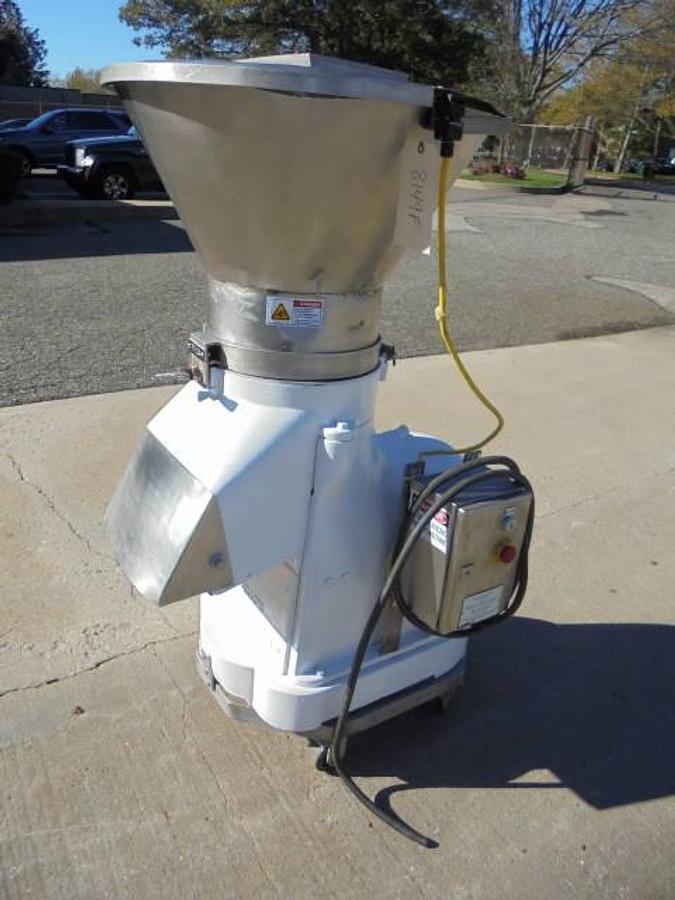
Hallde produces several distinct product lines that show up regularly in the used commercial equipment market. The RG series covers vegetable cutters and is probably the most recognized, handling tasks like slicing, dicing, shredding, and grating with interchangeable disc systems. The CC series combines cutting and processing functions in a single unit, which appeals to kitchens that want versatility without multiple machines taking up counter space. The VB series bowl cutters handle emulsifying, chopping, and mixing tasks, making them a staple in meat processing and catering operations. Beyond those core lines, Hallde also manufactures specialty attachments and graters, such as the RG-3 Cheese Grater, which is a 7.5HP machine built for high-volume grating applications.
On the used market, buyers will typically find machines pulled from decommissioned restaurant kitchens, hotel operations, catering facilities, and food manufacturing plants. Condition and age vary considerably from one listing to the next, so it pays to look carefully at the specific model, its hours of use if known, and the physical condition of the disc system and motor housing. Because Hallde has been manufacturing equipment for over 70 years, older models are still in circulation and can represent solid value if they have been maintained properly. Knowing which series fits your workflow before you start shopping saves time and helps you avoid buying more machine than you actually need.
What should I know before buying a used Hallde vegetable cutter or food processor?
Buying used commercial food processing equipment requires more due diligence than purchasing a consumer appliance, and Hallde machines are no exception. The first thing to understand is that used equipment is sold as-is, which means the condition of the machine at the time of sale is what you get. There is no manufacturer backing the transaction, so the responsibility for assessing the machine's working order falls squarely on the buyer. This makes choosing a reputable dealer with a long track record in commercial food equipment genuinely important, not just a nice-to-have. A dealer who specializes in food processing machinery will understand what to look for and will be better positioned to give you an honest assessment of a particular unit.
Beyond the dealer relationship, it is worth contacting Hallde directly before committing to a purchase, particularly for older models. The manufacturer can tell you whether parts are still available for a given model and what level of service support you can realistically expect. Hallde has a reputation for building machines with long service lives, but parts availability does depend on the age and model of the unit. Ask the dealer about the machine's history if that information is available, request photos or video of the equipment in its current state, and if at all possible, arrange an inspection before the sale is finalized. Taking these steps dramatically reduces the risk of buying a machine that looks good in photos but has hidden wear on the cutting mechanism or motor.
How do I choose the right Hallde model for my commercial kitchen?
Matching a Hallde machine to your kitchen's actual workload comes down to three main factors: the volume of product you process daily, the variety of cuts you need, and the physical space you have available. For high-volume operations like hotel banquet kitchens or large catering companies, a combination cutter from the CC series or a larger RG-series vegetable cutter with a wide disc selection makes sense because these machines are built to run continuously through prep shifts without overheating. Smaller restaurants that do moderate prep work might find that a mid-range RG model covers everything they need without the cost or footprint of a larger unit.
It also helps to think about the specific tasks you want the machine to handle. If your kitchen does a lot of cheese work, a dedicated grater like the RG-3 is purpose-built for that application and will outperform a general-purpose cutter on that task. If you need both slicing and mixing capabilities, a combination unit avoids the need for two separate machines. When shopping used, you may not always find the exact model you had in mind, so it is useful to understand the full Hallde product lineup so you can recognize a suitable alternative when one comes up. Dealers who specialize in food processing equipment can also help you compare models side by side and flag any known differences in performance or parts availability between generations of the same product line.
What is the typical price range for used Hallde food processing equipment?
Pricing on used Hallde equipment varies quite a bit depending on the model, age, condition, and included accessories. Entry-level or older single-function models can sometimes be found at prices well below what comparable new machines would cost, which is a major reason buyers seek out the used market in the first place. Higher-end combination cutters, bowl cutters, or specialty units in good working condition will naturally command more, sometimes approaching a significant fraction of current retail pricing if they are relatively recent models with low hours. The interchangeable disc systems that come with a machine also affect value, since a complete disc set adds meaningful versatility.
Beyond the machine price itself, buyers should factor in the full landed cost before making a decision. Shipping, rigging, and any crating or palletization charges can add up, particularly for heavier floor-standing units that require freight handling rather than standard parcel delivery. Getting a clear breakdown of all costs from the dealer upfront prevents surprises after the purchase is committed. It is also worth budgeting for any cleaning, servicing, or blade sharpening the machine may need before it goes into production, since used equipment may have been sitting in storage or pulled from a facility that did not keep up with regular maintenance.
Are used Hallde machines suitable for small restaurants, or are they designed only for large operations?
Hallde builds equipment across a range of capacities, and the used market reflects that variety. Some models in the RG series are compact enough to sit comfortably on a prep counter and handle the daily vegetable prep for a small restaurant or bistro without being overkill. The brand's reputation for consistent cut quality and durable construction actually makes a used Hallde an attractive option for smaller operations that want professional-grade results but cannot justify the cost of buying new commercial equipment. A well-maintained used machine from a reputable dealer can give a small kitchen years of reliable service.
That said, it is important to match the machine's capacity to your actual throughput. Hallde's larger combination cutters and bowl cutters are engineered for continuous heavy use in high-volume environments, and running them at a fraction of their capacity is not necessarily a problem, but it does mean you are paying for more machine than you need. For a small restaurant, a mid-range vegetable cutter with a basic disc set is often the most practical and cost-effective choice. When browsing used listings, pay attention to the motor size, bowl or feed chute capacity, and the disc options that come with the unit, as these specs will tell you more about the machine's intended workload than the model name alone.
How can I inspect a used Hallde machine before purchasing it?
Reputable used equipment dealers generally offer several inspection options to help buyers assess a machine's condition before committing to a purchase. In-person inspections are the most thorough approach and are typically accommodated by dealers when a buyer wants to visit their facility. For buyers who cannot travel, video inspections have become a practical alternative, where the dealer walks through the machine on a live call or provides a detailed recorded video showing the exterior, interior, motor housing, disc condition, and any visible wear points. Some machines are still located at the facility where they were used, in which case an inspection might take place at the actual production site rather than a dealer's warehouse.
One thing to keep in mind is that most used equipment dealers are not set up to run full production tests with actual food product. Testing equipment in a production environment requires food safety permitting that a machinery dealer typically does not hold. What dealers can usually demonstrate is that a machine powers on, that the motor runs without unusual noise or vibration, and that moving parts operate as expected. For a more complete picture of the machine's readiness, buyers may want to have a qualified technician assess the unit after purchase or factor a service check into their budget. Asking the dealer specific questions about the machine's history, any repairs it has had, and its condition at the time it was decommissioned will also help you make a more informed decision.
What spare parts and accessories are available for used Hallde food processors?
Hallde has built a reputation over its 70-plus years of manufacturing for producing machines with good parts support, though the availability of specific components does depend on the age and model of the unit in question. Cutting discs are the most commonly replaced accessory and are often interchangeable across models within the same series, which is one of the reasons Hallde machines hold their value on the used market. Discs for slicing, dicing, grating, shredding, and julienne cuts can sometimes be sourced independently of the machine itself, so buyers who find a unit without a full disc set are not necessarily locked out of those functions.
For older models, parts availability can become more limited, and this is worth investigating before finalizing a purchase. Contacting Hallde directly or reaching out to an authorized service center is the most reliable way to confirm whether components like feed pusher assemblies, bowl gaskets, or motor-related parts are still being produced or stocked. Some third-party suppliers also carry aftermarket parts for popular Hallde models, though quality can vary. Buyers who plan to use the machine heavily should think about parts availability as part of their total cost of ownership calculation, not just the purchase price. A machine that is slightly older but has strong parts support may be a better long-term investment than a newer model for which components are becoming scarce.
How difficult is it to clean and maintain a Hallde food processing machine?
Hallde designs its machines with commercial kitchen realities in mind, and ease of cleaning is a consistent feature across its product lines. Most models are built with removable components that can be disassembled without tools or with minimal effort, allowing kitchen staff to clean cutting discs, bowls, and feed chutes thoroughly between uses. The disc systems in particular are designed to be handled safely during cleaning, which matters in a busy prep kitchen where speed and safety both count. Stainless steel construction on the food-contact surfaces makes sanitation more straightforward and helps the machines hold up to the cleaning chemicals used in commercial environments.
For ongoing maintenance, the main requirements are keeping cutting discs sharp, checking that motor components are free of debris buildup, and periodically lubricating any mechanical parts specified in the service documentation. A used machine that has been well maintained will show signs of regular cleaning and care, while one that has been neglected may have residue buildup in hard-to-reach areas or discs that have been dulled from extended use without sharpening. When evaluating a used Hallde, it is worth asking the dealer about the machine's maintenance history and requesting photos of the interior and disc condition. Bringing a used machine up to proper working order may require a professional service visit, and factoring that into the purchase decision leads to fewer surprises down the road.
What are the shipping and logistics considerations for buying a used Hallde machine?
Shipping commercial food processing equipment involves more planning than a typical freight shipment, and the costs can vary significantly based on the size and weight of the machine and how far it needs to travel. Smaller countertop Hallde models can often be palletized and shipped via standard LTL freight, while larger floor-standing units may require heavier rigging for loading and unloading at both ends of the shipment. Buyers should ask the dealer upfront for a detailed breakdown of packaging, crating, rigging, and freight charges so they have a clear picture of the total landed cost before agreeing to a purchase.
Proper packaging is critical for preventing damage in transit. Machinery that is not adequately secured or crated can shift during shipping and arrive with cosmetic or mechanical damage that was not present at the time of sale. Reputable dealers will palletize or crate equipment to a standard appropriate for the machine's size and fragility, but the level of protection provided can affect the shipping cost. Buyers should clarify exactly how the machine will be prepared for shipment and whether the cost includes any insurance coverage for transit damage. For very large or heavy units, it may also be necessary to arrange for a forklift or loading dock on the receiving end, which is worth confirming before the shipment is scheduled.
What payment terms should buyers expect when purchasing used Hallde equipment from a dealer?
The standard practice among used commercial equipment dealers is to require full payment before a machine is shipped. This is the norm across the industry and reflects the nature of the used equipment business, where dealers need to confirm funds before releasing inventory. Buyers who are working with a dealer for the first time should expect to pay in full prior to shipment. Some dealers extend terms to repeat customers or established business accounts, but this is the exception rather than the rule and typically requires an existing relationship with the seller.
Accepted payment methods vary by dealer but commonly include wire transfer, credit card, and sometimes financing through third-party lenders that specialize in commercial equipment. Buyers who want to use financing should arrange that before beginning serious negotiations, since the payment method can affect how quickly a transaction closes. It is also worth clarifying with the dealer whether the quoted price includes any fees associated with specific payment methods, as some dealers pass on credit card processing costs. Getting all terms confirmed in writing before payment is made is a straightforward step that protects both parties and avoids misunderstandings about what is included in the sale.