Category
Manufacturer
Model
Gsi Automation
Gsi Automation focuses on delivering automation solutions tailored to the manufacturing sector, particularly in grain handling and processing. They are recognized for their innovative control systems and equipment that streamline operations and improve productivity in agricultural and industrial applications.
FAQ:
What types of GSI Automation equipment are typically available on the used market?
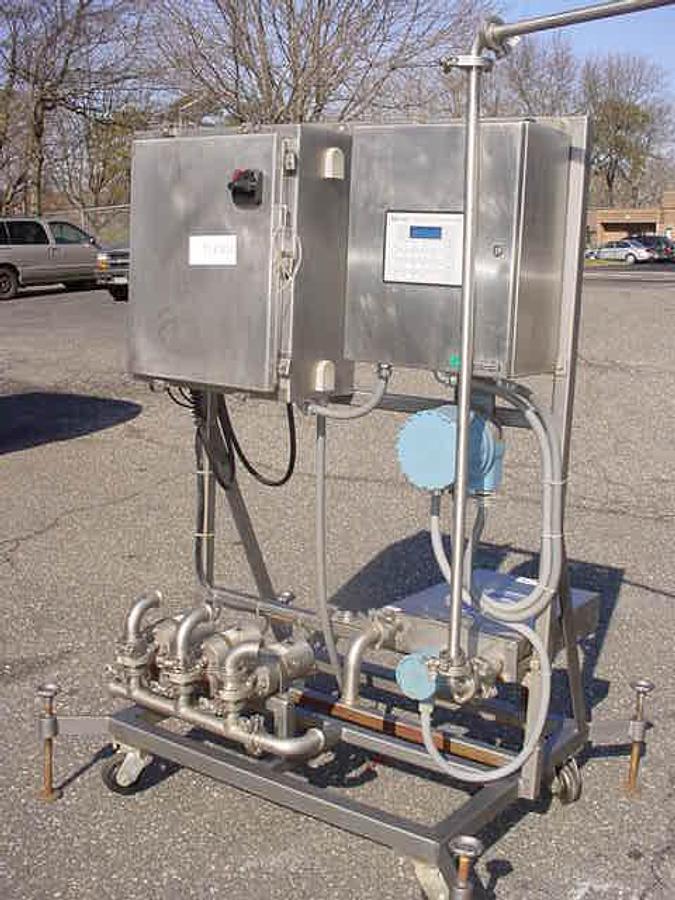
GSI Automation (a brand under AGCO Corporation) produces a range of control and automation systems built for grain handling and processing facilities. On the used market, buyers commonly find grain bin monitoring systems, aeration control panels, dryer automation systems, conveyor controls, and multi-ingredient metering systems. More complete facility automation platforms also appear periodically, depending on what agricultural and industrial operations are decommissioning at any given time. The 3-Ingredient Metering System is one example of the kind of specialized process control equipment that surfaces through used machinery dealers.
Availability fluctuates based on what facilities are upgrading or closing, so the selection at any point in time reflects the current state of the secondary market rather than a fixed catalog. Buyers looking for a specific model or control type should check with dealers who specialize in agricultural and industrial automation, as they tend to have better sourcing networks for these systems than general equipment resellers.
What is GSI Automation equipment primarily used for?
GSI Automation equipment is designed to control and monitor the core processes involved in grain storage, handling, and processing. This includes managing aeration fans to maintain grain quality during storage, automating dryer operations to hit precise moisture targets, controlling conveyors and bucket elevators across a facility, and coordinating multi-point ingredient metering for feed or processing applications. The systems are used in both agricultural settings (commercial grain elevators, on-farm storage) and broader industrial processing environments.
A defining feature of GSI Automation systems is their ability to centralize control over what would otherwise be a complex network of individual components. Many of their platforms support remote monitoring through mobile and desktop interfaces, which allows operators to track bin temperatures, fan status, and dryer performance without being physically present at the facility. This remote visibility capability is a significant reason these systems retain value on the secondary market, even as newer generations of the technology are released.
How do I verify the condition of used GSI Automation equipment before purchasing?
Inspecting used automation and control equipment requires a different approach than inspecting mechanical machinery, because the wear isn't always visible. Buyers should request either an in-person inspection at the dealer's facility or a detailed video walkthrough that shows the control panels, wiring condition, display screens, and any visible component damage. If the equipment is still installed at an operating facility, some dealers can arrange access to see it in its working environment, which gives a much clearer picture of its actual condition.
Beyond the physical inspection, buyers should ask about the firmware version and whether the unit has been tested for basic functionality. For GSI Automation systems specifically, it's worth contacting AGCO or an authorized GSI service provider to ask about support availability for the model in question, since older or discontinued models may have limited access to technical documentation, firmware updates, or replacement boards. Understanding the support landscape before purchasing is just as important as the physical inspection, particularly for control systems where software and firmware are central to operation.
Does used GSI Automation equipment come with a warranty?
Warranties on used automation equipment are generally not offered by resellers. The used equipment market operates on an 'as is' basis, meaning the responsibility for evaluating condition and fitness for purpose falls on the buyer rather than the seller. Manufacturer warranties, when they exist, are tied to the original purchase and typically do not transfer through secondary sales, particularly for equipment that may be several years old.
Given this reality, buyers should focus their due diligence on selecting dealers with a strong track record in agricultural and industrial automation equipment. A reputable dealer will be transparent about what they know of the machine's history, will facilitate thorough inspections, and will have enough industry knowledge to answer technical questions honestly. It's also worth reaching out directly to AGCO or GSI's service network to understand what level of manufacturer support is available for a specific model, since age and production status affect parts availability and technical assistance.
Can GSI Automation equipment be integrated with existing SCADA or PLC systems?
GSI Automation systems are generally designed with industrial-standard communication protocols in mind, which makes integration with third-party SCADA platforms and PLCs more feasible than with proprietary closed systems. Many GSI control platforms support common protocols used across grain handling and industrial automation, allowing them to feed data into broader facility management systems or to receive commands from centralized controllers. That said, compatibility depends heavily on the specific model and its firmware version, so buyers should verify protocol support for any unit they're considering.
For facilities that already have an established automation architecture, the integration process may require the involvement of an automation engineer or systems integrator familiar with both the GSI equipment and the existing platform. It's a good idea to pull any available technical documentation for the specific GSI model before purchase to map out what inputs, outputs, and communication ports are available. Older units may have more limited connectivity options compared to current-generation systems, which is an important factor to weigh when evaluating whether a used unit fits a planned integration.
Are replacement parts available for used GSI Automation systems?
Parts availability for GSI Automation equipment varies significantly by model age and whether the product line is still in active production. For relatively recent models, AGCO and authorized GSI distributors typically stock or can source replacement components including control boards, sensors, display units, and wiring harnesses. For older or discontinued models, the secondary parts market becomes more important, and buyers may need to source components from other decommissioned units or through specialized agricultural electronics suppliers.
Before purchasing a used GSI Automation system, it's worth identifying which components are most likely to need replacement over time and checking their current availability. Contacting AGCO's parts and service network directly is the most reliable way to get an honest answer about what's supported for a given model. Some buyers intentionally purchase a second unit as a parts source when dealing with older equipment, which is a common strategy in the used industrial automation space when long-term support from the manufacturer is uncertain.
What should I expect to pay for used GSI Automation equipment?
Pricing for used GSI Automation equipment on the secondary market depends on several factors: the type of system (a single aeration control panel versus a full facility automation platform), the model's age and current production status, overall condition, and how much demand exists for that specific configuration. Simpler control units and panels tend to be priced in the hundreds to low thousands of dollars, while more complex multi-component systems or integrated facility automation platforms can run significantly higher.
Because used automation equipment doesn't have a standardized pricing index the way some commodity machinery does, buyers should compare listings across multiple reputable dealers and factor in the full landed cost, which includes shipping, rigging if applicable, and any integration or commissioning work needed after delivery. A lower purchase price can quickly become less attractive if the unit requires significant rework or if parts are difficult to source. Getting a clear picture of total cost of ownership, not just the sticker price, is the right way to evaluate value in this category.
How is used GSI Automation equipment typically shipped, and what are the logistics considerations?
Shipping costs and logistics for used automation equipment depend on the size and weight of the specific unit. Smaller control panels and standalone automation components can often be palletized and shipped via standard freight carriers, with packaging requirements varying based on the fragility of the electronics involved. Larger systems or those that include physical enclosures, mounting frames, or multiple components may require custom crating to prevent damage in transit. Buyers should ask dealers specifically about how equipment will be packaged and what that packaging is designed to protect against.
For heavier or more complex systems, rigging for loading at the dealer's facility may be required, which adds to the overall cost. Buyers should request a detailed breakdown of all shipping-related costs before committing to a purchase, including packaging, freight, and any destination rigging or unloading requirements. Understanding the full landed cost upfront avoids surprises and makes it easier to compare options across different sellers.
What payment terms are typical when buying used GSI Automation equipment from a dealer?
The standard practice in the used industrial equipment market is full payment prior to shipment. This applies broadly across dealers regardless of the type of equipment being sold, and GSI Automation systems are no exception. The rationale is straightforward: once equipment leaves a dealer's facility, the transaction is effectively complete, and requiring payment upfront protects the seller from non-payment after delivery.
Some dealers extend payment terms to established customers with a history of repeat purchases, but this is not the norm for first-time buyers. Buyers who need financing should explore equipment financing options through third-party lenders that specialize in used industrial and agricultural equipment, as this is a well-established financing category. Before finalizing any purchase, it's reasonable to ask the dealer about accepted payment methods and whether any flexibility exists based on the transaction size or buyer relationship.
How does GSI Automation equipment support grain quality management in storage facilities?
Grain quality during storage is directly tied to temperature and moisture control, and GSI Automation systems are built specifically to manage these variables. Aeration control panels automate fan operation based on ambient temperature and humidity conditions, running fans only when outside air is suitable for cooling or drying stored grain. This prevents the manual guessing that leads to either under-aeration (grain heating) or over-aeration (unnecessary energy costs). Bin monitoring systems add a layer of continuous visibility by tracking temperature cables throughout the grain mass and alerting operators to hot spots before they become spoilage events.
For facilities handling large volumes, the ability to automate these decisions across multiple bins simultaneously is a significant operational advantage. Rather than requiring staff to manually check conditions and adjust fan timers at each bin, a centralized automation system handles the logic and logs the data. This is particularly valuable during high-throughput harvest periods when labor is stretched thin and the cost of a spoilage event is highest. It's one of the core reasons GSI Automation equipment holds its value on the secondary market even as the technology ages.