Category
Manufacturer
Model
Gse Scale Systems
Gse Scale Systems specializes in providing advanced weighing and measurement solutions for various industries, including food processing, pharmaceuticals, and chemical manufacturing. They are particularly known for their high-precision scales and automated weighing systems that enhance production line efficiency and accuracy.
FAQ:
What types of digital scales does GSE Scale Systems manufacture?
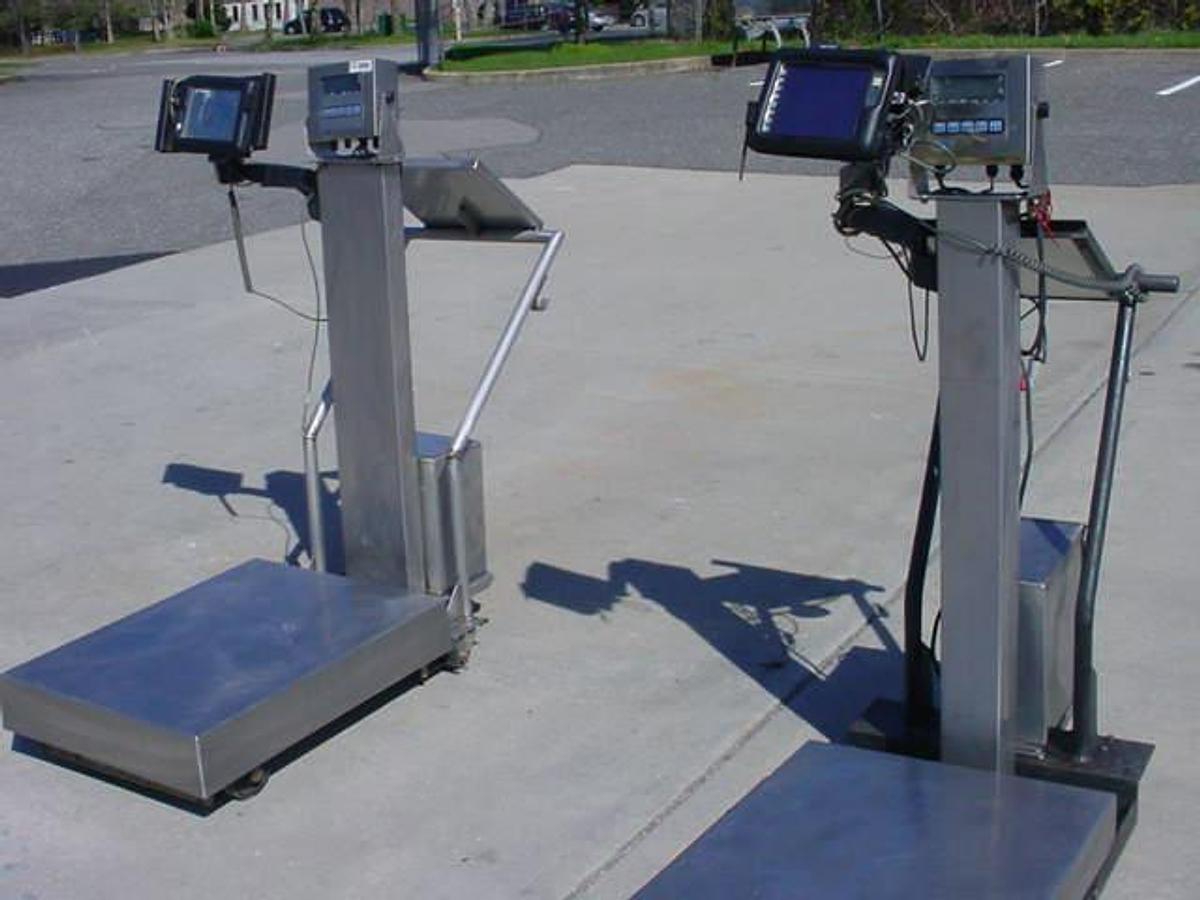
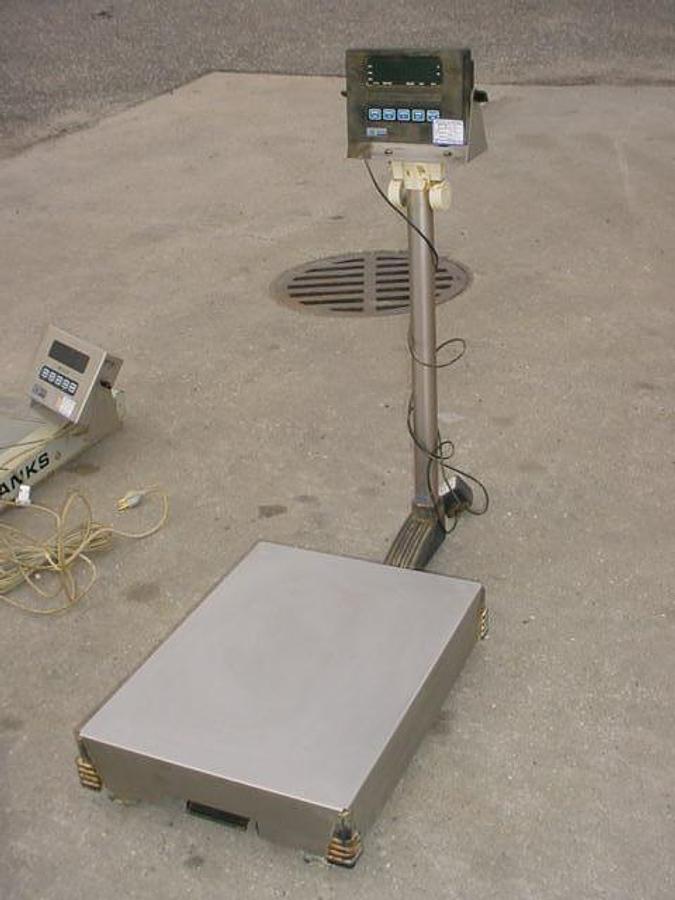
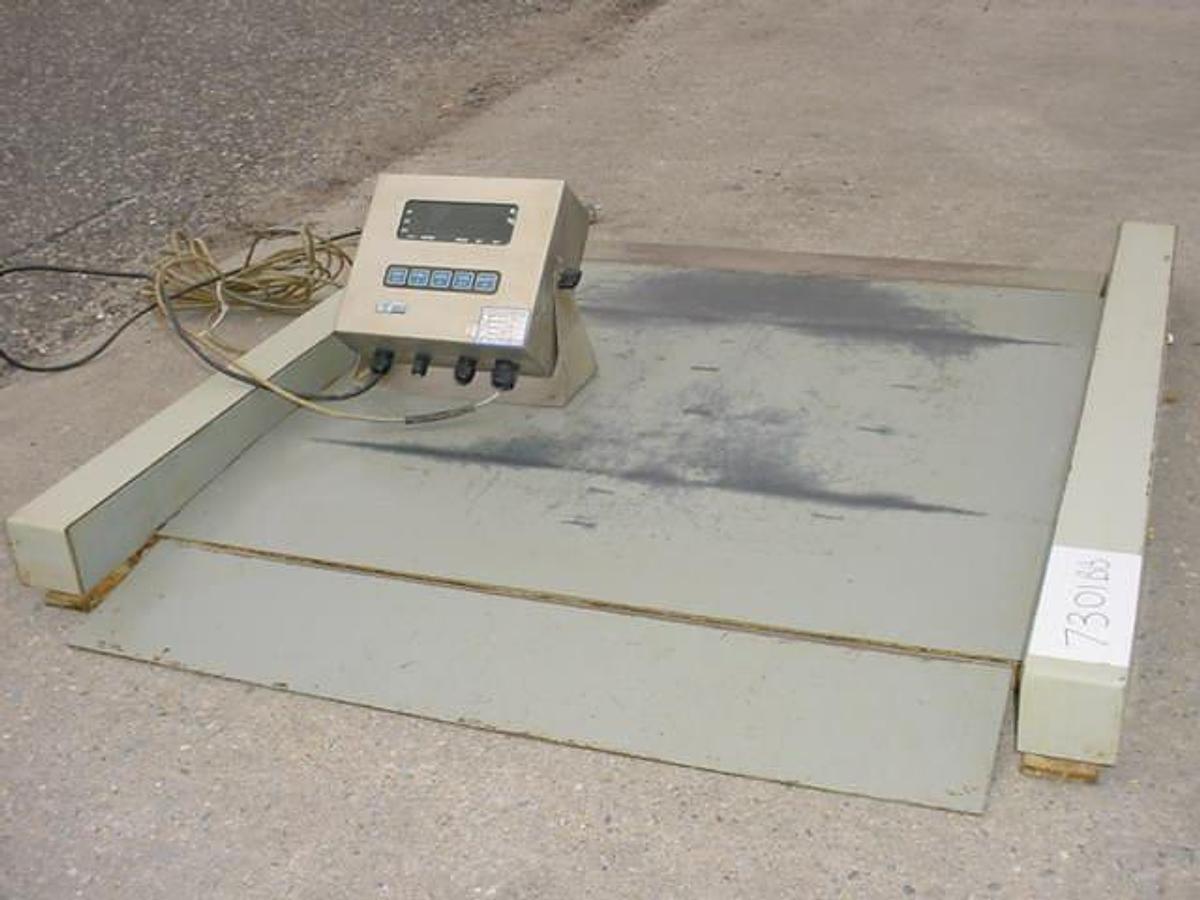
GSE Scale Systems produces a broad range of industrial weighing equipment designed to handle demanding production environments. Their product line spans bench scales, floor scales, pallet scales, and truck scales, along with weighing indicators and complete automated weighing systems. The Model 350 is one of their well-known digital scale platforms, available in portable configurations as well as single-phase fixed installations, making it adaptable to different facility setups and power requirements.
Beyond hardware variety, GSE is particularly recognized for building scales that function as part of larger production line systems rather than standalone units. Their equipment is engineered for food processing, pharmaceutical manufacturing, chemical production, and general industrial applications where consistent measurement accuracy directly affects output quality and regulatory compliance. Buyers looking at used GSE equipment will find that the brand's focus on durability means many units remain in solid working condition well into their service life.
Are GSE Scale Systems digital scales NTEP certified for commercial trade use?
Many GSE Scale Systems digital scales carry NTEP (National Type Evaluation Program) certification, which is the standard that determines whether a scale is legally approved for commercial trade transactions in the United States. NTEP certification means the scale design has been independently evaluated and found to meet the accuracy and performance requirements set by Handbook 44, the national standard for weighing and measuring devices used in commerce. For businesses that sell products by weight, use scales for billing purposes, or operate in regulated industries, NTEP compliance is not optional.
When purchasing a used GSE scale, buyers should verify the specific model's NTEP Certificate of Conformance number and confirm that the unit has not been modified in ways that would void that certification. It is also worth noting that even a certified scale must be properly calibrated and sealed by a licensed weights and measures official before it can be legally used for trade in most jurisdictions. Consulting the relevant state or local weights and measures authority is the right step after acquiring any used scale intended for commercial trade use.
What industries are GSE Scale Systems digital scales best suited for?
GSE Scale Systems built its reputation serving industries where precise, repeatable weight measurements are critical to product quality and regulatory compliance. Food processing is one of their core markets, where scales must handle wet or washdown environments, meet sanitary design standards, and integrate with portion control or batch formulation processes. Pharmaceutical manufacturing is another strong fit, given the industry's strict requirements around measurement accuracy and audit trails. Chemical manufacturing operations also rely heavily on GSE equipment for accurate batching and inventory control.
Beyond those three primary sectors, GSE scales are widely used in warehousing and logistics for shipping weight verification, in general manufacturing for process control, and in any facility that needs to connect weighing data to a broader production management system. The brand's emphasis on system integration, rather than just standalone measurement, makes their equipment a practical choice for operations that want weight data flowing automatically into ERP platforms or PLC-controlled production lines. Used GSE scales sold through industrial equipment dealers give smaller operations access to this level of capability at a fraction of the cost of purchasing equivalent equipment through other channels.
Can GSE Scale Systems digital scales integrate with ERP systems and PLC controls?
Integration capability is one of the defining strengths of GSE Scale Systems equipment. Their indicators and scales are designed to communicate with external systems through a range of standard interfaces, including RS-232, RS-485, Ethernet, and USB connections. This means weight data can be sent directly to ERP platforms, warehouse management systems, PLC-controlled production lines, or custom software without manual data entry. For high-volume operations, that kind of automated data flow reduces errors and speeds up processes like receiving, shipping verification, and batch formulation.
When evaluating a used GSE scale for integration purposes, buyers should identify the exact model and its available communication ports before purchase. Older models may support serial communication only, while later production units may include Ethernet or USB options that simplify connectivity to modern systems. It is also worth checking whether the software or PLC system on the receiving end has existing drivers or protocols for GSE equipment, as many industrial software vendors have built-in support for common GSE indicators. A reputable used equipment dealer should be able to provide the model number and any available documentation to help buyers assess compatibility before committing to a purchase.
What should buyers look for when inspecting a used GSE digital scale before purchasing?
A thorough inspection is the most important step in buying any used industrial scale. For GSE digital scales, the key areas to evaluate include the condition of the load cells, the display and indicator housing, the cable connections, and the structural integrity of the weighing platform or base. Load cells are the heart of any scale and can degrade from overloading, moisture exposure, or physical damage. Signs of corrosion, cracked seals, or bent mounting hardware around the load cells are red flags. The indicator display should power on cleanly and hold a stable zero reading without excessive drift.
Reputable used equipment dealers typically offer in-person inspections, virtual walkthroughs, or video documentation of the machine's current condition. Some units may still be installed and running in a production facility, which gives buyers the opportunity to see the scale operating under real conditions. Keep in mind that most dealers do not have the permitting or setup required to run actual production tests, so buyers should ask specifically what the dealer can demonstrate and under what conditions. Consulting GSE's manufacturer support resources is also advisable, since the age and model of a unit can affect parts availability and the level of technical support that can be expected going forward.
What is the typical accuracy and readability of GSE Scale Systems digital scales?
GSE Scale Systems positions its equipment in the industrial-grade category, meaning their scales are built to deliver consistent accuracy across a range of load capacities and environmental conditions. Readability, which refers to the smallest increment a scale can display, varies by model and capacity. Bench-scale configurations typically offer finer readability suitable for smaller portions or precise formulations, while floor and pallet scale models are calibrated for heavier loads where the readability increment is larger but the overall system accuracy remains within tight tolerances for the application.
For buyers considering used GSE equipment, the accuracy of a specific unit at the time of purchase depends heavily on its maintenance history and calibration status. A scale that was well maintained and regularly calibrated in its previous installation may still perform very close to its rated specifications. One that was subjected to overloading, harsh chemicals, or prolonged disuse may need recalibration or load cell service before it meets published accuracy figures. Having the scale professionally calibrated after installation is standard practice regardless of its prior condition, and local calibration service providers can assess the unit and bring it into compliance with applicable standards.
What is the weight capacity range available in GSE Scale Systems digital scales?
GSE Scale Systems offers equipment across a wide capacity spectrum to serve different industrial applications. Bench scale models are typically designed for lighter-duty precision work, with capacities ranging from a few pounds up to several hundred pounds depending on the configuration. Floor scales and pallet scale platforms step up significantly, commonly handling loads from 1,000 to 10,000 pounds or more. At the upper end, GSE's truck scale and heavy industrial systems are built for very large load applications common in shipping yards, agriculture, and bulk materials handling.
When shopping for a used GSE scale, matching the unit's rated capacity to the intended application is critical. Running a scale consistently near or above its rated maximum load accelerates wear on the load cells and can compromise accuracy over time. Conversely, using a very high-capacity scale for light loads can reduce readability and precision. Buyers should look at both the maximum capacity and the minimum recommended load for the specific model they are considering, and confirm those figures align with their actual production or weighing requirements before finalizing a purchase.
How does buying a used GSE Scale Systems digital scale compare to buying new industrial weighing equipment?
The primary advantage of purchasing a used GSE digital scale is cost. Industrial-grade weighing systems from established manufacturers like GSE carry significant price tags when purchased through standard distribution channels. A used unit in good working condition can deliver the same measurement capability and integration features at a substantially lower capital outlay, which matters for smaller operations, startups, or facilities adding a secondary weighing station without a large equipment budget. GSE's reputation for durability means their equipment tends to hold up well over time, so used units often retain meaningful service life.
The trade-off is that used equipment is sold as-is, without the coverage that comes with a purchase through a manufacturer's authorized channel. This makes the inspection process and dealer selection more important. Buyers should work with dealers who specialize in industrial weighing or processing equipment, have a verifiable track record, and are willing to provide detailed condition information, photos, and inspection access before the sale. It is also worth contacting GSE directly to ask about parts availability and technical support for the specific model being considered, since older or discontinued models may have limited support resources compared to current production units.
What are the shipping and logistics considerations for purchasing a used GSE digital scale?
Shipping industrial scales requires more planning than standard freight. The weight, footprint, and fragility of scale components, particularly the load cells and display indicators, mean that proper packaging is essential to prevent damage in transit. Smaller bench-scale units may ship on a standard pallet with appropriate cushioning, while larger floor scales and pallet scale platforms often require custom crating to protect the platform surface and load cell mounting points. The level of packaging directly affects shipping costs, and buyers should ask the dealer upfront what their standard packaging process looks like and what it costs.
For larger GSE scale systems, rigging may be required for loading at the dealer's facility and unloading at the destination. Rigging involves specialized equipment and labor to safely move heavy machinery, and it is typically an added cost beyond standard freight charges. Buyers should request a fully itemized landed cost estimate that includes packaging, rigging if applicable, freight, and any delivery or unloading requirements on their end. Understanding the total cost to get the equipment on-site and operational prevents budget surprises after the purchase is complete.
Can used GSE Scale Systems digital scales be calibrated on-site after installation?
Yes, GSE digital scales can be calibrated on-site, and doing so after installation is standard practice for any used industrial scale regardless of its prior calibration history. Calibration involves applying known test weights across the scale's capacity range and adjusting the indicator's internal settings to ensure the displayed reading matches the actual load. For NTEP-certified scales used in commercial trade, calibration must be performed by a licensed weights and measures technician who will also apply a seal to the indicator to prevent unauthorized adjustments.
For non-trade applications, calibration can be performed by any qualified service technician familiar with GSE equipment. Many industrial scale service companies operate regionally and can handle on-site calibration for floor scales, bench scales, and integrated weighing systems. The frequency of recalibration depends on the application, the environment, and any applicable regulatory requirements. High-throughput food processing or pharmaceutical environments typically require more frequent calibration checks than lower-volume general manufacturing settings. Buyers of used GSE scales should budget for an initial calibration service as part of their total acquisition cost, and factor in ongoing calibration intervals when assessing the long-term cost of ownership.