Category
Manufacturer
Model
Grovhac
Grovhac manufactures equipment for the food processing and packaging industries, emphasizing automation and efficiency. Their machines are designed to streamline production processes and improve product handling.
FAQ:
What types of equipment does Grovhac manufacture for the food processing industry?
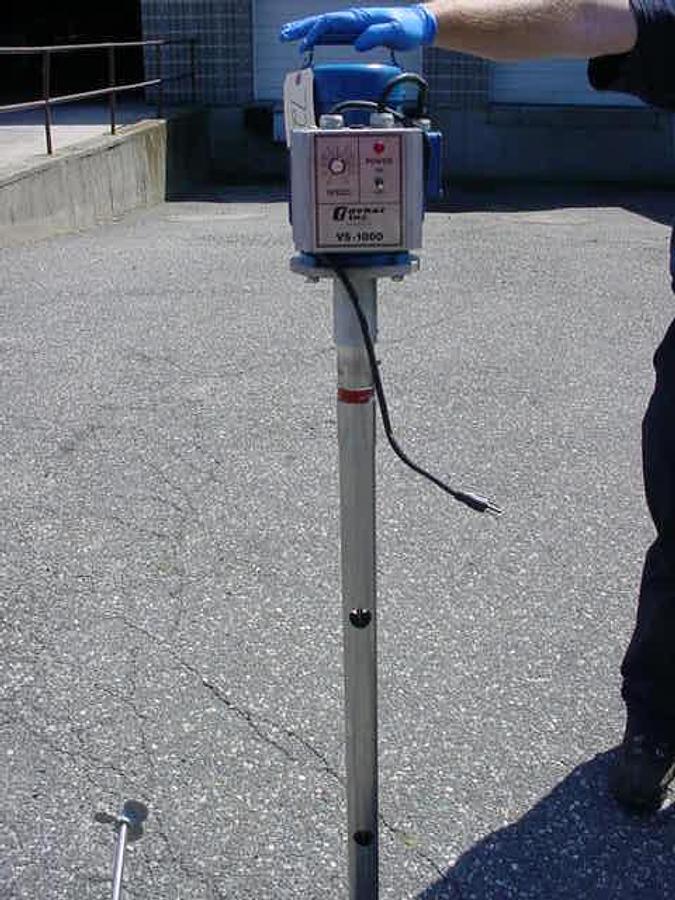
Grovhac produces machinery focused on food processing and packaging, with an emphasis on automation and efficient product handling. Their equipment is designed to streamline production workflows, and known models include high-speed homogenizing mixers built from stainless steel. Homogenizing mixers are used across a wide range of food and beverage applications, including dairy, sauces, emulsions, and other products that require consistent blending or particle-size reduction at speed.
Beyond mixing technology, Grovhac's broader product line targets the needs of commercial food processors looking to reduce manual handling and improve throughput. Used Grovhac machines appear periodically on the secondary market, making them accessible to buyers who want industrial-grade automation without the cost of purchasing comparable equipment directly from a manufacturer. Because these are used machines, the specific models available at any given time will vary depending on current inventory.
What should buyers know about purchasing used food processing equipment versus buying directly from a manufacturer?
Buying used food processing equipment can offer significant cost savings compared to sourcing the same machinery through a manufacturer or authorized distributor. For capital-intensive categories like high-speed mixers, homogenizers, and automated packaging lines, the price difference between used and manufacturer-direct can be substantial, sometimes 40 to 70 percent less depending on age, condition, and model. This makes the secondary market particularly attractive for operations looking to expand capacity or replace aging equipment without a large capital outlay.
The trade-off is that used equipment is sold as-is, meaning the buyer takes on the responsibility of thoroughly evaluating the machine's condition before committing to a purchase. Unlike buying through a manufacturer, there are no warranties or guarantees attached to used machinery. This makes the inspection process critical. Buyers should work with reputable used equipment dealers who specialize in food processing machinery, arrange in-person or video inspections, and consult with the original manufacturer about parts availability and support for the specific model and age of machine they are considering.
How do you inspect used food processing equipment before buying?
Inspection is one of the most important steps in purchasing used food processing equipment. Reputable dealers typically offer buyers the option to inspect machinery in person, through a live video call, or via recorded video walkthroughs that show the machine's current condition. In some cases, equipment being sold is still installed and running at a production facility, which gives buyers the opportunity to see it operating under real conditions. In other cases, the machine has been decommissioned and is available for static inspection only.
It is worth noting that most used equipment dealers do not have the permits or production infrastructure needed to run actual food product through a machine during a demonstration. Testing with real product typically requires a licensed food production environment. Because of this, buyers should focus inspections on mechanical condition, visible wear, cleanliness, the integrity of seals and contact surfaces, and the overall state of electrical and control components. Consulting with a qualified technician or the equipment manufacturer before finalizing a purchase is a practical way to identify any concerns that a visual inspection alone might miss.
What are the key factors to evaluate when buying a used homogenizing mixer for food production?
A high-speed homogenizing mixer is a precision piece of equipment, and evaluating a used unit requires attention to several mechanical and hygienic factors. The condition of the mixing head and rotor-stator assembly is critical, as these components experience the most wear during operation. Buyers should look for signs of corrosion, pitting, or damage on all product-contact surfaces, which in food-grade equipment should be stainless steel. The motor's operating hours, if documented, are also a useful indicator of remaining service life.
On the sanitation side, buyers should assess whether the machine is compatible with clean-in-place (CIP) protocols or can be easily disassembled for manual cleaning. CIP compatibility is a baseline expectation in most commercial food processing environments and directly affects operational efficiency and regulatory compliance. Checking whether replacement parts like seals, gaskets, and mixing heads are still available from the manufacturer for the specific model is equally important, since older or discontinued models can present sourcing challenges down the line.
What food safety and compliance standards should used food processing equipment meet?
Food processing equipment used in commercial production environments is generally expected to meet a range of safety and sanitation standards. In the United States, relevant certifications include NSF International standards for food equipment, FDA food-contact material requirements, and 3-A Sanitary Standards for dairy and other fluid processing applications. In markets where equipment is sold internationally, CE marking may also be relevant. These certifications indicate that the equipment was designed and built to meet specific hygienic construction criteria, including the use of non-toxic, corrosion-resistant materials and designs that minimize areas where food residue can accumulate.
When buying used equipment, buyers should ask the seller for any available documentation related to the machine's original certifications. Keep in mind that compliance documentation may not always be available for older machines, and the current condition of the equipment is what matters most for ongoing food safety compliance. Buyers are responsible for ensuring that any used machine they put into production meets the regulatory requirements of their specific operation, which may involve inspection by a qualified sanitarian or equipment technician before the machine is placed back into service.
What is the typical price range for used food processing equipment?
Pricing for used food processing equipment varies widely depending on the type of machine, its age, condition, brand reputation, and how specialized the technology is. Entry-level or simpler used processing equipment can be found for a few thousand dollars, while more complex automated systems, large-capacity mixers, homogenizers, or integrated packaging lines can run anywhere from tens of thousands to well over a hundred thousand dollars. High-speed homogenizing mixers from established manufacturers, for example, can range from roughly $5,000 to $50,000 or more on the secondary market depending on size and configuration.
Beyond the purchase price, buyers should account for the full landed cost of the equipment. This includes freight and shipping, any rigging or specialized loading and unloading required for heavy machinery, and the cost of installation and commissioning at the buyer's facility. Reconditioning, replacement parts, and any upgrades needed to bring the machine up to current production standards should also factor into the total cost of ownership calculation. Getting a clear picture of all these costs before committing to a purchase helps avoid surprises and makes it easier to compare the value of different listings.
How does shipping and freight work for used food processing equipment purchases?
Shipping used food processing equipment involves more logistical complexity than standard freight, particularly for larger or heavier machines. Equipment needs to be properly packaged, palletized, or crated before transit to prevent damage, and the level of packaging required will affect the overall shipping cost. Smaller machines may ship on standard pallets, while larger units often require custom crating or skidding to protect them during handling and transport. Buyers should ask the seller for detailed information on how the equipment will be packaged and what the associated costs are.
For heavy industrial equipment, rigging is often required at both the point of origin and the destination. This involves specialized equipment and labor to safely lift, move, and load or unload machinery that cannot be handled with standard forklifts. Rigging costs are typically separate from freight charges and can add meaningfully to the total expense. Buyers should request a full breakdown of packaging, rigging, and freight costs from the seller before finalizing a purchase so they have a clear understanding of the total landed cost of the equipment at their facility.
What payment terms do used food processing equipment dealers typically offer?
Most used equipment dealers require full payment before a machine is released for shipping. This is standard practice in the industry and reflects the nature of used equipment transactions, where the seller needs to confirm funds before the asset leaves their possession. Payment is commonly accepted by wire transfer, though some dealers may accept other forms depending on the transaction. Buyers should clarify accepted payment methods early in the process to avoid delays.
Some dealers may extend payment terms to repeat customers or buyers with an established relationship, but this is not the norm for first-time transactions. Buyers who need financing should explore third-party equipment financing options independently, as not all used equipment dealers offer in-house financing programs. Equipment financing companies and small business lenders often work with buyers purchasing used industrial machinery, and arranging financing in advance can help streamline the purchase process once a suitable machine is identified.
Is used food processing equipment a practical option for small or mid-sized food manufacturers?
Used food processing equipment is often a very practical option for small and mid-sized food manufacturers, and in many cases it is how these operations acquire the industrial-grade machinery they need to scale production without the capital cost of purchasing comparable equipment directly through a manufacturer. A used high-speed mixer or homogenizer that originally cost $80,000 or more may be available on the secondary market for a fraction of that price, making automation accessible to operations that could not otherwise justify the investment.
The key for smaller operations is to be thorough during the evaluation process. Unlike large manufacturers with dedicated maintenance teams, a small food producer may have less capacity to absorb unexpected repair costs or downtime. Choosing equipment from a reputable dealer who specializes in food processing machinery, conducting a careful inspection, and verifying parts availability before purchasing are all steps that reduce risk. Selecting a machine that is well-suited to the scale of the operation and straightforward to clean and maintain will also minimize ongoing operational burden.
How do you find reputable dealers for used food processing equipment?
Finding a trustworthy source for used food processing equipment starts with looking for dealers who specialize specifically in food and beverage processing machinery rather than general industrial equipment. Specialization matters because dealers with deep knowledge of the food processing sector are better positioned to accurately represent a machine's condition, understand its intended application, and provide useful context about the manufacturer and model. A dealer's track record, years in business, and the breadth of their food processing inventory are all reasonable indicators of credibility.
Buyers should also look for dealers who are transparent about the condition of their equipment and who actively support the inspection process, whether that means arranging in-person visits, providing detailed video walkthroughs, or sharing available service history. A dealer who is reluctant to accommodate inspection requests is a red flag. Checking references, reading reviews, and verifying that the dealer has experience handling the specific type of equipment you are looking for are all worthwhile steps before entering into a transaction.