Category
Manufacturer
Model
Gp
Gp is involved in providing manufacturing equipment for the automotive and aerospace industries, with a focus on precision machining and assembly solutions. Their products are designed to enhance productivity and ensure high-quality standards.
FAQ:
What types of GP manufacturing equipment are typically available on the used market?
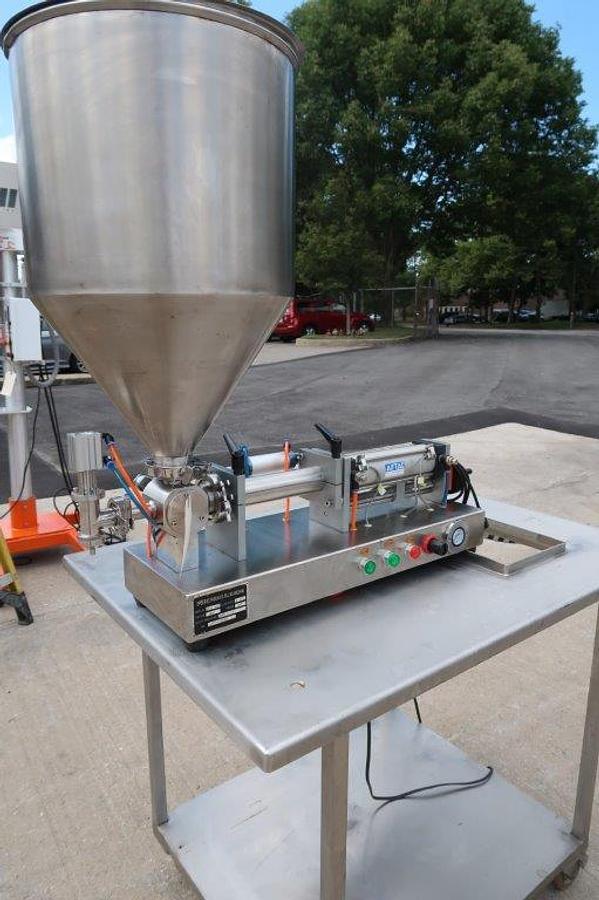
GP manufacturing equipment spans a wide range of industrial applications, with used inventory commonly including precision machining centers, assembly systems, piston fillers, tabletop semi-automatic filling equipment, and specialized tooling setups designed for automotive and aerospace production environments. Specific models like the GPTG Tabletop Air Operated Semi-Automatic Piston Filler (with a 250mL maximum fill capacity) represent the kind of specialized, application-specific machinery that surfaces regularly in the used equipment market. Because GP equipment is built around precision and productivity, it tends to hold its utility well over time, making used units a practical option for manufacturers looking to expand capacity without the lead times associated with sourcing brand-new machinery.
Beyond filling equipment, GP machinery often includes components oriented toward quality control and throughput efficiency in high-tolerance production settings. Buyers searching the used market should expect to find equipment in varying conditions, from recently decommissioned production-line machines to older units that have been refurbished or maintained in working order. Listings from reputable dealers will typically specify the model, configuration, and any known operational details so buyers can assess fit before reaching out for an inspection.
What should I know about buying used GP manufacturing equipment compared to sourcing it directly from a manufacturer?
Buying used GP manufacturing equipment through a specialized dealer is a fundamentally different process from sourcing through a manufacturer's sales channel. The most significant practical difference is condition and support: used machines are sold based on their current state rather than a factory specification, which means buyers take on more responsibility for due diligence. That said, the cost advantages can be substantial. Used industrial machinery often sells for a fraction of the equivalent replacement cost, and lead times are generally far shorter since the equipment already exists and can ship once payment and logistics are arranged.
The trade-off is that buyers need to invest more effort upfront in evaluating the equipment. Reviewing the machine's age, operating history, cycle counts, and any available service records gives a clearer picture of remaining useful life and likely maintenance needs. Choosing a dealer who specializes in the relevant industry sector matters a great deal here. A dealer with deep experience in manufacturing equipment will be better positioned to accurately describe a machine's condition, facilitate inspections, and answer technical questions than a generalist reseller. Consulting directly with GP's manufacturer support channels is also worthwhile, since the level of parts availability and technical support can vary depending on the model and how long ago it was produced.
Do used GP manufacturing equipment dealers offer warranties?
Warranties on used manufacturing equipment work differently than what buyers might expect from purchasing through a manufacturer's channel. Manufacturers are the entities that issue equipment warranties, and those warranties are typically tied to the original purchase of a new unit. When equipment changes hands on the secondary market, those manufacturer warranties have almost always expired or are non-transferable, which means used equipment dealers generally sell machinery on an as-is basis.
This puts the responsibility of inspection squarely on the buyer, which is why selecting a reputable dealer with a long track record in the industry is so important. A dealer who specializes in manufacturing equipment will typically offer thorough inspection options, accurate condition descriptions, and transparent communication about any known issues. Buyers should also contact GP's manufacturer support directly to understand what parts, service documentation, and technical assistance are still available for the specific model they are considering, since older or discontinued models may have more limited support options than recent production units.
How is used GP manufacturing equipment priced, and what factors affect the cost?
Pricing for used GP manufacturing equipment varies considerably depending on the machine type, age, condition, configuration, and how much demand exists for that particular model in the secondary market. A tabletop semi-automatic piston filler like the GPTG will sit at a very different price point than a large-format precision machining center designed for aerospace assembly. Condition grades play a major role: equipment described as recently decommissioned from active production typically commands a higher price than machines that have been in storage or show significant wear.
Buyers evaluating total cost of ownership should look beyond the sticker price. Maintenance history, availability of replacement parts, energy consumption, and the cost of any refurbishment needed before the machine goes back into production all factor into the real cost of acquiring used equipment. A lower purchase price on a machine with poor service records or limited parts availability can end up costing more over time than a slightly more expensive unit in better documented condition. Asking the dealer for as much operational history as possible, and getting a realistic picture of what it will take to bring the machine to production-ready status, is the right approach before committing to a purchase.
Can I inspect used GP manufacturing equipment before buying?
Inspection is one of the most important steps in any used equipment purchase, and reputable dealers will accommodate it in several formats. In-person inspections are the most thorough option and are typically available by appointment. Some machines may still be installed at the facility where they were used, which means an inspection can be arranged at the actual production site, giving buyers a chance to see the equipment in its working environment. In cases where travel is not practical, video inspections and detailed photo documentation are commonly offered as alternatives.
Buyers should keep in mind that most equipment dealers are not set up to run full production tests, since that would require the same permitting and operational infrastructure as an active manufacturing facility. What a dealer can typically demonstrate is the machine's mechanical condition, basic operational functions, and any visible wear or damage. For buyers who want additional assurance, hiring an independent third-party inspector with relevant industry experience is a reasonable step, particularly for higher-value equipment. The goal is to get the most accurate picture possible of the machine's current working order before the sale is finalized.
What certifications or compliance standards should I look for when buying used manufacturing equipment?
Used manufacturing equipment may carry certifications such as CE marking (required for equipment sold into European markets), ISO compliance documentation, and OSHA-relevant safety specifications that were in place at the time of manufacture. These certifications reflect the standards the equipment was designed and built to meet, but buyers should understand that used equipment does not automatically carry forward active compliance status. If the machine has been modified, refurbished, or has worn components that affect safety systems, the original certification may no longer apply without re-evaluation.
For regulated industries like aerospace or automotive manufacturing, buyers often need to verify that equipment meets current production standards before integrating it into a certified process. This may involve working with a qualified engineer or the equipment manufacturer's technical support team to assess whether the machine, in its current condition, can be brought into compliance with applicable standards. Asking the dealer for any original documentation, manuals, or compliance records that came with the machine is a good starting point. Even if documentation is incomplete, it provides useful context about the machine's intended specifications and original build standards.
What is typically included in the sale of used GP manufacturing equipment?
The contents of a used equipment sale vary from listing to listing, and buyers should clarify exactly what is included before finalizing a purchase. Some sales include only the primary machine itself, while others come with tooling, fixtures, spare parts, or operational manuals that were retained from the machine's working life. When available, original documentation such as operator manuals, maintenance logs, and parts lists adds significant value because it helps the buyer's technical team understand the machine's specifications and service requirements.
Accessories and spare parts are particularly worth asking about, since sourcing components for older equipment can sometimes be difficult or expensive through standard supply channels. If a seller has spare consumables or replacement parts that were used alongside the machine in production, acquiring them as part of the sale can reduce downtime risk after installation. Buyers should get a clear, written inventory of everything included in the transaction so there are no surprises at delivery. For complex machines, it is also worth confirming whether any assembly or setup instructions are available, especially if the equipment was disassembled for transport.
How does shipping and delivery work for used GP manufacturing equipment?
Shipping used manufacturing equipment involves more logistical complexity than standard freight, and the costs can vary significantly based on the size, weight, and fragility of the machine. Proper packaging is critical to prevent damage in transit. Smaller tabletop equipment like a piston filler may require only palletization with appropriate bracing, while larger machining centers or assembly systems typically need custom crating to protect precision components. Buyers should ask dealers specifically about how the equipment will be packaged and what standards are used, since inadequate preparation is one of the most common causes of transit damage.
For heavier industrial equipment, rigging is often required for both loading at the dealer's location and unloading at the buyer's facility. Rigging costs are generally separate from freight charges and should be factored into the total landed cost of the equipment. Buyers who have specific requirements for how equipment is unloaded or positioned at their facility should communicate those details early in the process. Dealers can usually provide estimates for packaging, rigging, and freight once the destination and equipment details are confirmed, which allows buyers to make an accurate comparison between sourcing options.
What payment terms are standard when purchasing used manufacturing equipment?
The standard practice among used equipment dealers is to require full payment before the machine ships. This applies to most transactions, particularly for buyers who are purchasing from a dealer for the first time. The reasoning is straightforward: once equipment leaves a dealer's facility, recovering it in the event of a payment dispute is costly and complicated. Buyers should plan for this requirement and ensure financing or funds are in place before a purchase is confirmed.
Some dealers extend more flexible terms to established customers with a track record of completed transactions, but this is the exception rather than the rule for first-time buyers. If financing is needed, buyers typically arrange it through their own banking relationships or third-party equipment financing companies rather than through the dealer directly. It is worth asking the dealer about accepted payment methods and the timeline between payment confirmation and equipment release for shipping, so the logistics can be coordinated accordingly.
How do I evaluate the condition of used GP manufacturing equipment before making a purchase decision?
Evaluating used manufacturing equipment requires looking at several layers of information together rather than relying on any single factor. Machine age and estimated operating hours give a general sense of wear, but they do not tell the whole story. A well-maintained machine with higher hours can be in better working condition than a neglected one with fewer cycles. Service history and maintenance records are among the most valuable documents a seller can provide, as they show whether the equipment received regular upkeep and whether any major repairs or component replacements were performed during its working life.
Visual inspection, whether in person or through detailed video and photography, helps identify obvious wear, corrosion, damage to critical components, or signs of improvised repairs that might not appear in documentation. For precision equipment, buyers should pay particular attention to the condition of moving parts, seals, drive systems, and any components that are expensive or difficult to replace. Comparing the machine's current configuration against its original specifications, when documentation is available, can reveal modifications that might affect performance or compliance. Buyers who are not technically experienced with a particular machine type may benefit from bringing in a qualified technician or independent inspector to assess the equipment before committing to a purchase.