Category
Manufacturer
Model
Gottscho
Gottscho is known for its precision manufacturing equipment, particularly in the field of optical and electronic components. They provide advanced machinery that caters to high-tech industries, emphasizing quality and accuracy in production.
FAQ:
What types of Gottscho equipment are commonly available on the used market?
Gottscho has built a long-standing reputation across several categories of industrial equipment. The brand is perhaps best known for its coding and marking machinery, including hot stamp coders, continuous ink jet (CIJ) systems, and thermal transfer overprinters (TTO). These machines are workhorses on packaging lines and have been manufactured in large enough volumes that used examples surface regularly through industrial equipment dealers and surplus channels. Beyond coding and marking, Gottscho also produces precision manufacturing equipment with applications in optical and electronic component production, reflecting a broader commitment to accuracy-driven machinery.
On the used market specifically, buyers tend to find a mix of standalone coders, integrated line systems, and specialized transport or handling equipment such as gap transporters with adjustable configurations. The availability of any particular model shifts over time depending on what facilities are decommissioning, so it pays to work with a dealer who actively tracks incoming inventory. Used Gottscho equipment spans a wide range of ages and conditions, so understanding the specific model and its production history is an important first step before making a purchase decision.
What industries use Gottscho marking and coding equipment?
Gottscho coding and marking equipment has found a home across a broad range of manufacturing and production environments. Food and beverage producers rely heavily on these machines for date coding, lot number printing, and best-by labeling on packaging lines where speed and legibility are non-negotiable. Pharmaceutical manufacturers use Gottscho coders to meet strict regulatory requirements for product identification and traceability. Cosmetics and personal care producers also make extensive use of this equipment, as do general consumer goods manufacturers who need consistent, high-volume coding on flexible packaging, cartons, and rigid containers.
Beyond packaging-focused industries, Gottscho's precision manufacturing equipment serves high-tech sectors including optical and electronic component production, where tight tolerances and repeatable accuracy are critical. This dual presence in both industrial packaging lines and precision manufacturing makes Gottscho a recognizable name across a wider cross-section of industries than many single-category equipment brands. When evaluating a used Gottscho machine, it can be helpful to confirm which industry the machine was previously deployed in, as production environments vary significantly and prior use conditions can affect the machine's current state.
What is the difference between Gottscho hot stamp coders and ink jet coders?
Hot stamp coders and ink jet coders serve the same fundamental purpose of applying codes, dates, and identification marks to products, but they do so through completely different mechanisms. A Gottscho hot stamp coder works by pressing a heated die or type character against a foil ribbon, transferring an impression directly onto the substrate. This process produces a clean, permanent mark that bonds well to many packaging materials, including films, foils, and coated paperboard. Hot stamp coding is particularly valued in environments where smear-resistance and sharp legibility are priorities, and it requires no ink or solvent, which simplifies consumable management.
Ink jet coders, including Gottscho's continuous ink jet (CIJ) systems, apply marks by projecting tiny droplets of ink onto the product surface without any physical contact. This non-contact approach makes ink jet well-suited for uneven surfaces, fragile containers, or applications where the substrate cannot tolerate pressure. CIJ systems can print variable data at high speeds, which is an advantage on fast-moving packaging lines. The trade-off is that ink jet systems require ongoing consumable management including inks and solvents, and the print heads need regular maintenance to prevent clogging. When buying either type used, confirming the condition of the print head or die set is one of the most important inspection points.
How do I evaluate the condition of a used Gottscho machine before purchasing?
Evaluating a used Gottscho machine starts with getting the most accurate picture possible of its current working condition. Reputable used equipment dealers will typically offer in-person inspections, video walkthroughs, or photo documentation of the machine. If the equipment is still installed at a production facility, it may even be possible to observe it running under real operating conditions, which provides the clearest indication of mechanical health. For machines that have been decommissioned and are sitting in a warehouse, a thorough visual inspection combined with a functional check of key components is the practical standard. Keep in mind that most equipment dealers do not have full production setups for testing actual output, so buyers should set realistic expectations about the depth of testing that can be performed.
Beyond the inspection itself, there are specific things worth examining on Gottscho coding and marking equipment. For hot stamp coders, check the condition of the heating elements, the die or type holder, and the foil feed mechanism. On ink jet systems, the print head condition is critical and can be expensive to replace. For any Gottscho machine, ask about the hours of use, the production environment it came from, and whether any major components have been replaced or repaired. Consulting with the manufacturer about parts availability for the specific model is also a smart move, since age and model generation can significantly affect how well-supported a machine is going forward. Selecting a dealer with a long track record in the industry adds an important layer of confidence to the process.
Are replacement parts and consumables readily available for used Gottscho equipment?
Parts and consumable availability is one of the most practical considerations when buying any used industrial machine, and Gottscho equipment is no exception. For consumables like ink ribbons, foil rolls, and type character sets used in hot stamp coders, availability tends to be relatively good because these items are produced by multiple third-party suppliers in addition to the manufacturer. Buyers of used Gottscho coders generally find that sourcing ribbons and foil is manageable, though confirming compatibility with the specific model before committing to a purchase is always wise.
For mechanical spare parts, the picture is more variable. Parts availability for Gottscho equipment depends heavily on the age of the machine and whether the model is still supported by the manufacturer. Older or discontinued models may have limited factory support, which means buyers need to factor in the cost and feasibility of sourcing parts through aftermarket suppliers or machining replacements. Before purchasing a used Gottscho machine, it is worth contacting the manufacturer directly to ask which parts are still stocked and what level of technical support is available for that particular model. This step can prevent a situation where a machine is acquired at a good price but becomes difficult to keep running due to parts scarcity.
What print speeds and production rates can Gottscho coders typically handle?
Gottscho coding equipment covers a range of production speeds depending on the machine type and model. Hot stamp coders in the Gottscho lineup are generally designed for medium to high-speed packaging lines, with many models capable of coding hundreds of impressions per minute under the right conditions. The actual throughput depends on several factors including the substrate being coded, the size of the impression, and how the coder is integrated into the broader production line. Hot stamp systems are well-regarded for maintaining consistent print quality even at sustained production speeds, which is why they have been a staple on food, beverage, and pharmaceutical packaging lines for decades.
Continuous ink jet (CIJ) coders offer a different speed profile. CIJ systems can often keep pace with very fast lines because the non-contact printing process does not require the machine to make physical contact with each product. Some CIJ systems can operate effectively at line speeds well above what hot stamp systems can handle, making them a preferred choice for high-velocity operations. When evaluating a used Gottscho coder for a specific application, it is important to match the machine's rated speed to the actual line speed requirements, and to verify that the used unit is capable of sustaining those speeds in its current condition rather than just under ideal circumstances.
What should buyers know about shipping and rigging used Gottscho equipment?
Shipping used industrial equipment like Gottscho coders and manufacturing machinery involves more logistical planning than most buyers anticipate going in. The first consideration is packaging. Smaller coders and benchtop units may ship adequately on a pallet with proper blocking and bracing, while larger or more fragile machines may require custom crating to prevent damage in transit. The level of packaging required directly affects the shipping cost, so buyers should ask the dealer for a clear breakdown of what palletization or crating is included and what additional charges may apply.
For larger Gottscho machines or complete systems, rigging becomes a factor. Loading and unloading heavy equipment requires forklifts, cranes, or specialized rigging crews depending on the machine's size and weight, and these services carry their own costs that are separate from freight charges. Buyers should request a full landed cost estimate from the dealer that accounts for rigging at origin, freight, and any unloading requirements at the destination. Understanding these costs upfront prevents surprises and helps buyers make a more accurate total cost comparison between machines listed at different price points.
What are typical payment terms when purchasing used Gottscho equipment from a dealer?
Payment practices in the used industrial equipment market follow fairly consistent norms. Most dealers require payment in full before a machine is released for shipping. This protects the dealer against the logistical and financial exposure of shipping high-value equipment before funds are secured. Wire transfer is the most common payment method for transactions of this type, though some dealers accept other forms depending on the transaction size and the buyer's relationship with the dealer.
For buyers who have an established purchasing history with a particular dealer, some flexibility on payment timing may be available, though this is handled on a case-by-case basis rather than as a standard offering. First-time buyers should expect to pay in full upfront. It is also worth clarifying with the dealer at what point payment is due relative to any inspection arrangements, since buyers will generally want to complete their inspection before funds are transferred. Getting clarity on the payment timeline and any holding deposit requirements early in the conversation prevents misunderstandings as the transaction moves forward.
How does buying used Gottscho equipment compare to purchasing a different brand of used coder?
Gottscho carries a well-established name in the coding and marking equipment sector, which has practical implications for buyers considering used machines. Brand recognition in this space matters partly because it affects parts availability, the pool of technicians familiar with the equipment, and the depth of documentation and service manuals that can be tracked down. A machine from a brand with decades of market presence tends to have a more accessible aftermarket support ecosystem than equipment from a less-established manufacturer, even when buying used.
That said, comparing used Gottscho equipment to other brands should still come down to the specifics of the application. The right coder for a given production line depends on substrate type, required print speed, the nature of the data being printed, and the technical capabilities of the maintenance team. A well-maintained used machine from a reputable brand in good mechanical condition will generally outperform a newer machine from any brand that has been poorly maintained. When evaluating alternatives, buyers should weigh the machine's condition, the availability of support for that specific model, and the total cost of ownership rather than brand name alone.
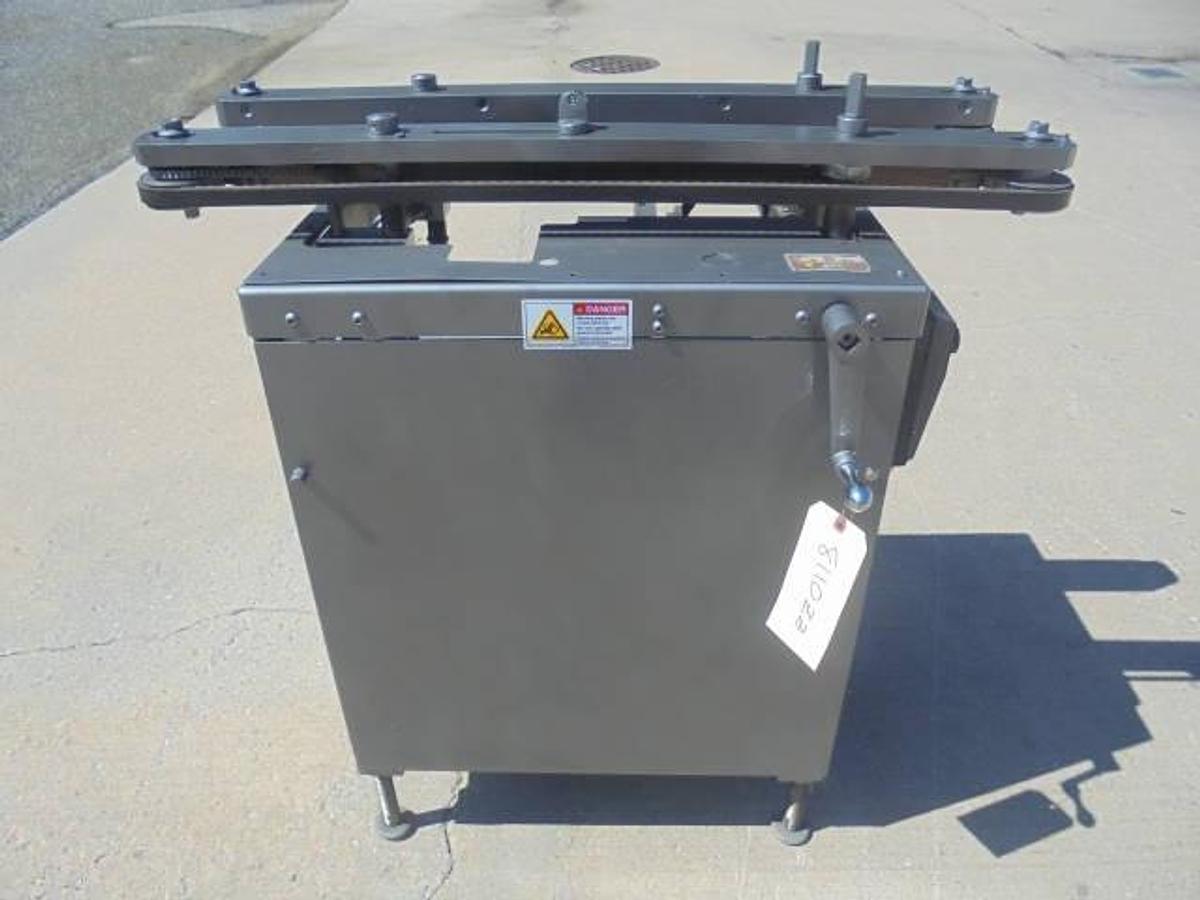
What is a Gottscho gap transporter and what is it used for?
A Gottscho gap transporter is a piece of material handling or web transport equipment used to move products or substrates through a production or processing line with controlled spacing between items. The adjustable configuration on these units allows operators to set the gap between transported items to match the requirements of the downstream process, which is particularly useful in printing, coding, or inspection applications where consistent spacing affects output quality and machine timing. These transporters are precision-built components, reflecting Gottscho's broader focus on accuracy-driven manufacturing equipment.
In practice, gap transporters are often found in packaging lines, label printing operations, and electronic or optical component manufacturing environments where product flow needs to be carefully metered. The adjustability of the gap is a key feature because it allows the same machine to accommodate different product sizes or line configurations without requiring a complete equipment change. When buying a used Gottscho gap transporter, buyers should verify that the adjustment mechanism operates smoothly across its full range and that the drive components show no signs of excessive wear, as these are the elements most likely to affect performance in a production setting.