Category
Manufacturer
Model
Globaltek
Globaltek is a manufacturer known for its advanced packaging solutions, particularly in the food and beverage industry. Their equipment includes vacuum sealers, filling machines, and labeling systems, designed to enhance product shelf life and presentation.
FAQ:
What types of packaging equipment does Globaltek manufacture?
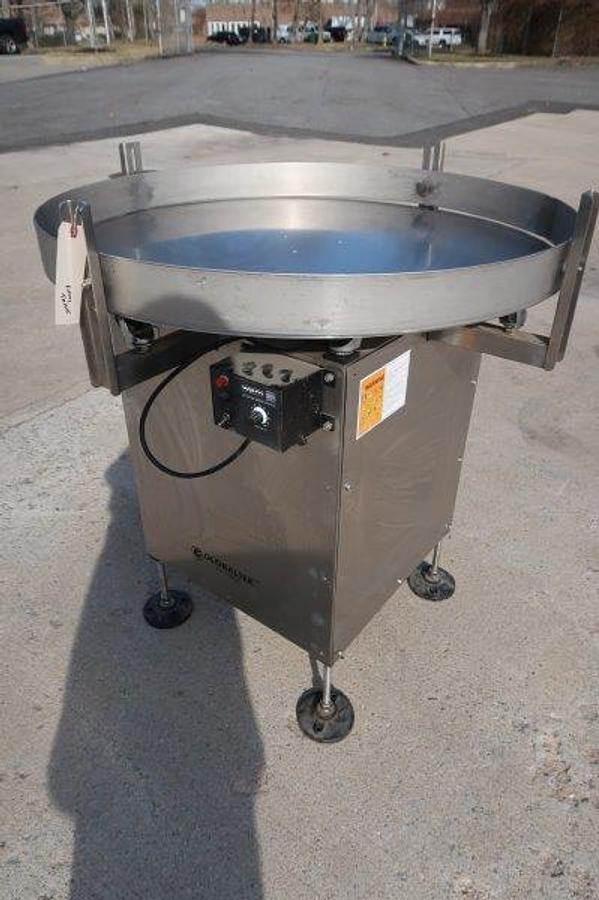
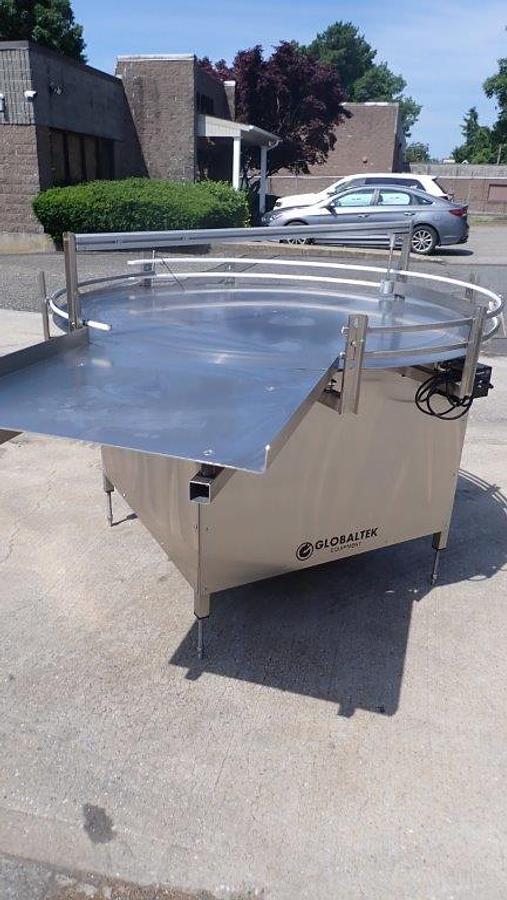
Globaltek is a packaging equipment manufacturer known for producing machinery used across food and beverage processing and packaging operations. Their product line includes vacuum sealers, filling machines, and labeling systems, along with rotary unscrambling and accumulating tables. The rotary table designs are available in multiple sizes, with 36-inch and 60-inch diameter configurations being common examples found on the used market. These machines are built to handle bottle and container management tasks within automated packaging lines.
Beyond those core categories, packaging equipment manufacturers in this segment typically produce capping machines, conveyors, and complete turnkey line components. Globaltek's focus has been on solutions that improve product shelf life and presentation, which makes their equipment particularly relevant for operations running bottled, sealed, or labeled consumer goods. Buyers sourcing used Globaltek machinery should review each listing carefully, as available inventory on the secondary market reflects what has been decommissioned from active production facilities rather than a fixed product catalog.
What industries use Globaltek packaging equipment?
Globaltek packaging equipment has a strong presence in the food and beverage industry, where vacuum sealing, filling accuracy, and labeling consistency are critical to product quality and regulatory compliance. Their machines are designed to handle the throughput demands of beverage bottling, condiment filling, and similar high-volume food production environments. The emphasis on shelf life extension makes their vacuum sealing equipment especially relevant for perishable goods manufacturers.
Beyond food and beverage, packaging equipment of this type is also used in pharmaceutical, cosmetics, and general industrial manufacturing settings. Pharmaceutical and nutraceutical operations value precise filling and sealing capabilities, while cosmetics producers rely on labeling and presentation-quality output. Buyers from any of these sectors should confirm that a specific used machine meets the sanitary, material-contact, or output-speed requirements of their particular application before purchasing, since production needs vary significantly across industries.
What should buyers know about purchasing used Globaltek packaging equipment?
Used Globaltek packaging equipment is sold on the secondary market by dealers who acquire machinery from facilities that have decommissioned or upgraded their production lines. These machines are sold as-is, which is standard practice in the used equipment industry. That means the responsibility for evaluating the condition and suitability of a machine rests with the buyer. Selecting a reputable dealer with a documented history of selling packaging machinery is one of the most important steps a buyer can take to reduce risk in this process.
Before committing to a purchase, buyers should request an inspection, either in person or via video walkthrough, to assess the machine's current working condition. Some equipment may still be installed and running at an active facility, while other units may have been decommissioned and moved to a dealer's warehouse. It is also worth contacting the manufacturer directly to understand what level of technical support and parts availability exists for a specific model and age of machine, since older units may have limited support options compared to more recently produced models.
How do inspections work when buying used packaging equipment?
Reputable used equipment dealers typically offer buyers the option to inspect machinery before purchase. This can take the form of an in-person visit, a live video call walkthrough, or pre-recorded video documentation of the machine. The goal of any inspection is to give the buyer an accurate picture of the equipment's current physical and mechanical condition, including visible wear, completeness of components, and any obvious signs of prior repairs or damage. Buyers should ask specific questions during inspections and request that key functions be demonstrated where possible.
One important limitation to understand is that most used equipment dealers are not set up to run full production tests with actual product. Operating a packaging line with live product requires production permits and facility infrastructure that a dealer's warehouse typically does not have. If a machine is still installed at an active plant, the dealer may be able to coordinate a visit where the equipment is observed running in its current production environment. That scenario offers the most complete picture of machine performance and is worth pursuing when available.
What is the typical price range for used Globaltek packaging equipment?
Pricing for used Globaltek packaging equipment varies considerably depending on the machine type, size, age, condition, and current market demand for that category of equipment. Rotary accumulating and unscrambling tables, for example, are priced differently than filling lines or vacuum sealing systems, and a 60-inch diameter rotary table will generally carry a higher price point than a 36-inch unit due to its larger capacity. Condition plays a significant role as well, with machines that are newer or have lower run hours typically commanding more than heavily used or cosmetically worn units.
Buyers should also factor in the total landed cost of the equipment, not just the listed sale price. Shipping, rigging, crating, and any reconditioning work needed after delivery can add meaningfully to the overall investment. Requesting a detailed quote that breaks out all of these costs before finalizing a purchase gives buyers a clearer picture of what the machine will actually cost to put into service. Comparing multiple listings across dealers is a practical way to calibrate expectations for fair market pricing on a specific model.
What are rotary unscrambling and accumulating tables used for in packaging lines?
Rotary unscrambling and accumulating tables are a standard component in bottling and container packaging operations. Their primary function is to orient, separate, and feed containers, such as bottles, jars, or cans, into a single-file stream that downstream filling, capping, or labeling equipment can process. Unscrambling tables take randomly loaded containers and use the rotation of the table surface, combined with guide rails or other orienting mechanisms, to position each container correctly before it moves further down the line. This eliminates the need for manual sorting and significantly increases line efficiency.
Accumulating tables serve a related but slightly different purpose. They act as a buffer zone within the packaging line, holding containers when downstream equipment slows down or stops temporarily. This prevents the entire line from halting every time there is a minor interruption, which improves overall throughput and reduces downtime. Globaltek produces rotary tables in multiple diameters, with larger tables like the 60-inch model handling higher container volumes than smaller configurations. The right size for a given operation depends on line speed, container dimensions, and the physical space available in the facility.
How does shipping and delivery work for used packaging equipment?
Shipping used packaging equipment involves more logistical planning than standard freight, particularly for large or heavy machines. Dealers are responsible for preparing equipment for transport, which typically includes palletizing, crating, or custom packaging to protect the machine during transit. The level of packaging required depends on the size, weight, and fragility of the equipment, and these preparation costs are usually passed on to the buyer. Buyers should ask for a detailed breakdown of packaging, rigging, and freight charges before finalizing a purchase so they understand the full delivered cost.
Larger machines, such as rotary accumulating tables or complete filling systems, often require specialized rigging equipment for loading at the dealer's facility and unloading at the buyer's location. Forklift access, loading dock availability, and ceiling height at the destination all factor into planning. Buyers should communicate their facility's receiving capabilities to the dealer in advance to avoid complications on delivery day. Transit times will vary based on distance, carrier availability, and whether the shipment moves via standard freight or requires a dedicated flatbed or oversized load arrangement.
What payment terms should buyers expect when purchasing used packaging equipment?
Used equipment dealers generally require full payment before a machine is released for shipping. This is the standard practice across the industry and reflects the nature of secondary market transactions, where the dealer needs to confirm funds are secured before coordinating logistics and relinquishing possession of the equipment. Wire transfer is the most common payment method for transactions of this size, though dealers may accept other forms depending on the amount and the buyer's relationship with them.
Some dealers extend payment terms to repeat customers or buyers with an established purchasing history, but this is not the default arrangement for first-time transactions. Buyers who need financing should explore equipment financing through third-party lenders before approaching a dealer, as most used equipment dealers do not operate their own financing programs. Having financing pre-arranged can also speed up the purchasing process once a machine is identified, since used equipment inventory moves and a desirable listing may not remain available for long.
Are replacement parts and technical support available for used Globaltek machines?
Parts and technical support availability for used Globaltek equipment depends primarily on the age and model of the specific machine. Packaging equipment manufacturers generally support their products for a period of years after production, but older or discontinued models may have limited parts availability through the manufacturer's official channels. Buyers should contact Globaltek directly before purchasing a used machine to understand what support they can realistically expect, including whether the manufacturer can still supply replacement parts, provide technical documentation, or offer service technician support for that particular model.
In cases where manufacturer support is limited, buyers often turn to third-party parts suppliers or machining shops that can fabricate replacement components. Many common wear parts, such as belts, seals, and sensors, are available from industrial supply distributors regardless of the original equipment manufacturer. Having a qualified packaging equipment technician evaluate the machine before purchase, and then plan for any foreseeable maintenance needs, is a practical approach to managing long-term operating costs on used machinery.
How should buyers evaluate a used packaging equipment dealer before making a purchase?
The dealer's track record is one of the most reliable indicators of a trustworthy transaction. Buyers should look for dealers who have been operating in the used packaging equipment space for a substantial period of time and who specialize in the relevant industry rather than selling general industrial surplus. Specialization matters because a dealer focused on packaging machinery is more likely to accurately represent what a machine does, identify missing components, and provide relevant context about a machine's history and condition. General surplus dealers may lack the technical knowledge to answer detailed questions about specific equipment categories.
Buyers should also assess how the dealer handles the inspection process. A dealer who readily offers video walkthroughs, provides detailed photographs, and answers technical questions transparently is demonstrating a level of accountability that reflects well on the transaction. Asking for references from past buyers in a similar industry is another reasonable step. Reviewing any available online feedback or business history can also help confirm that the dealer operates professionally and has a history of completing transactions without significant disputes.