Category
Manufacturer
Model
Geyer
Geyer manufactures a variety of industrial machines, with a strong emphasis on packaging and filling equipment. Their solutions cater to the food and beverage industry, providing innovative technologies for bottling, capping, and labeling processes.
FAQ:
What types of products can Geyer filling machines handle?
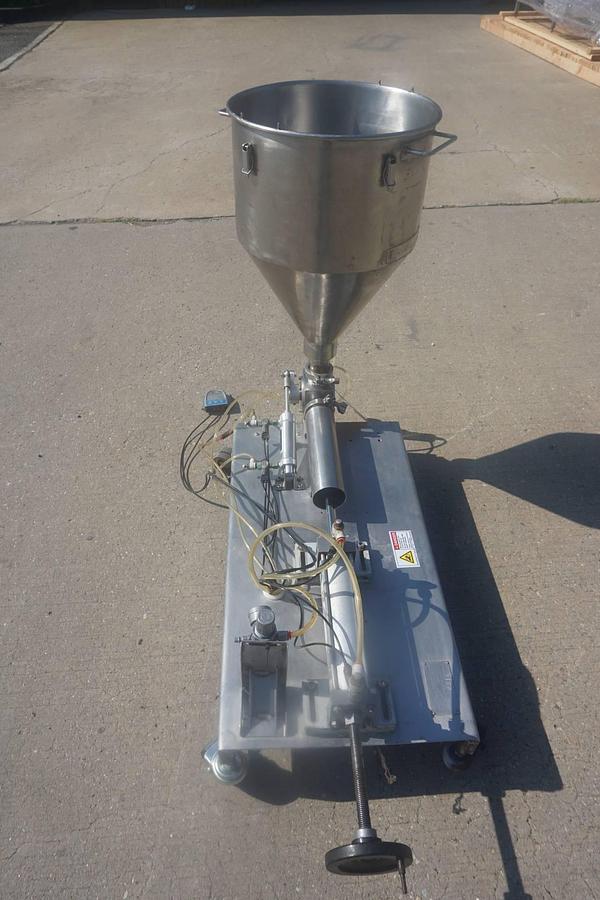
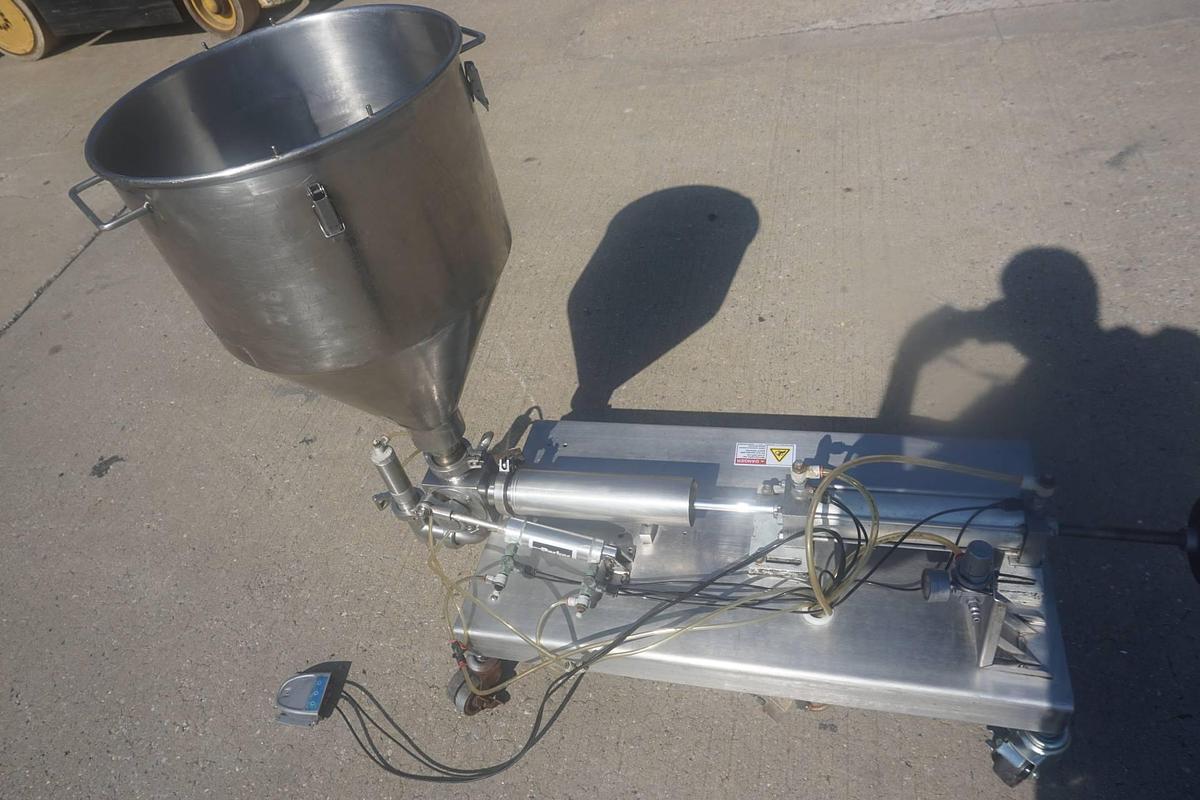
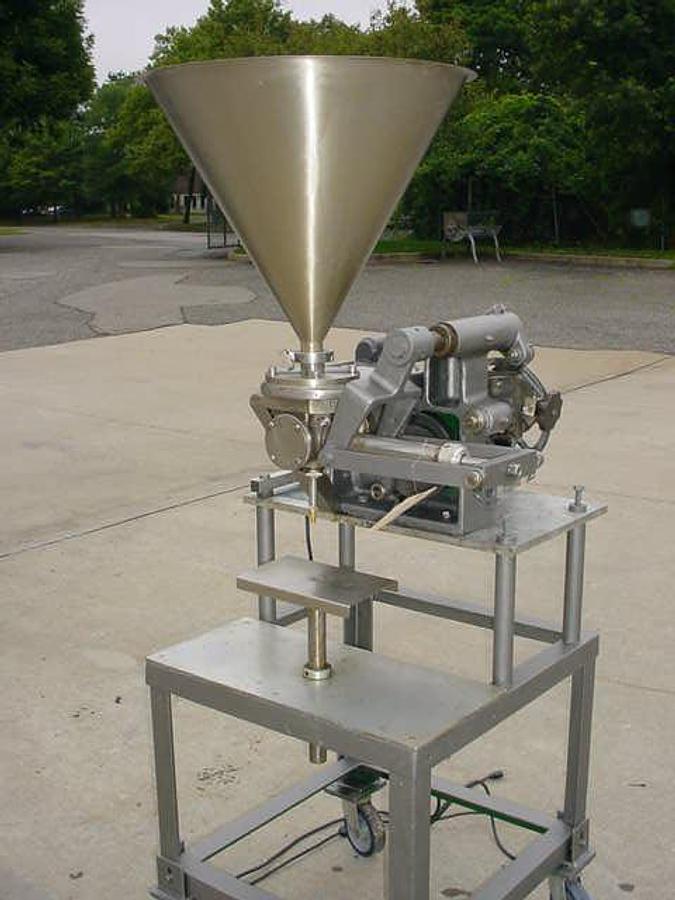
Geyer filling machines are designed to handle a broad range of liquid and semi-liquid products, making them a practical choice across several industries. Their piston-based filling systems are particularly well-suited for food and beverage applications, personal care products, pharmaceuticals, and cosmetics. Piston fillers like the Geyer single piston models work effectively with both free-flowing liquids and thicker, higher-viscosity products such as sauces, creams, gels, and lotions. The piston mechanism draws a precise volume of product into the cylinder and dispenses it into the container, which means the machine performs consistently regardless of whether the product is thin like water or dense like a paste.
Because Geyer has built its reputation around packaging and filling equipment for regulated and sanitary environments, their machines are often built with food-grade and pharmaceutical-compatible materials. Buyers in industries where product contamination or fill accuracy is a compliance concern tend to gravitate toward piston fillers for exactly this reason. Used Geyer filling machines available on the secondary market typically retain these design characteristics, so buyers can often source equipment capable of handling their specific product type without investing in a purpose-built machine from scratch.
What is the difference between a semi-automatic and fully automatic Geyer filling machine?
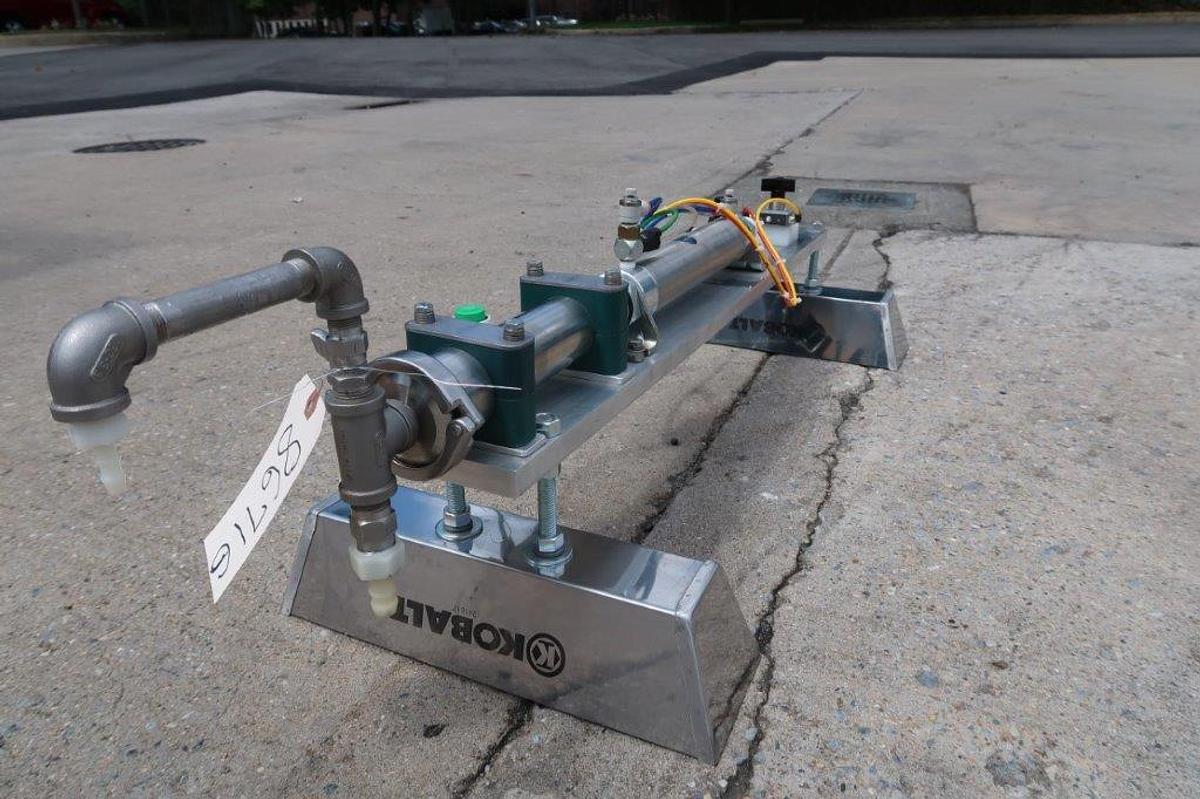
Semi-automatic Geyer filling machines, such as the tabletop single piston models, require an operator to position each container under the fill nozzle and typically trigger the fill cycle manually or with a foot pedal. The machine handles the metering and dispensing automatically, but the operator controls the pace and placement of containers. This setup works well for small to mid-sized production runs, startups, craft producers, and businesses that fill a variety of container sizes without needing to reconfigure a full automated line. The tabletop form factor also means the machine takes up minimal floor space, which is a practical advantage for smaller facilities.
Fully automatic filling machines, by contrast, integrate with conveyor systems and handle container indexing, filling, and discharge without continuous operator involvement. These systems are built for high-volume manufacturing where labor costs and throughput speed are the primary drivers. For businesses evaluating used Geyer equipment, the choice between semi-automatic and automatic often comes down to current production volume and budget. A used semi-automatic piston filler can be an excellent entry point for a growing operation, offering professional-grade fill accuracy at a fraction of the cost of a fully automated line.
What fill volume ranges do Geyer piston filling machines support?
Geyer single piston filling machines are designed around a volumetric piston mechanism, which means fill volumes are set by adjusting the stroke length of the piston inside the cylinder. This gives operators the ability to dial in specific fill volumes and repeat them consistently from container to container. Depending on the cylinder size installed on the machine, piston fillers of this type can typically handle fill volumes ranging from a few milliliters up to several liters per cycle, though the exact range varies by model and cylinder configuration. Operators can usually adjust the volume within the range supported by the installed cylinder without swapping out major components.
For buyers purchasing used Geyer filling machines, it is worth confirming the cylinder size and stroke adjustment range before purchase, as these directly determine the fill volumes the machine can produce. In some cases, cylinders can be swapped to accommodate a different volume range, but this should be verified with a qualified technician or by consulting Geyer's documentation for the specific model. Reaching out to the selling dealer for detailed specifications on the individual machine being considered is the most reliable way to confirm compatibility with your target fill volume.
Can Geyer filling machines handle both thick and thin viscosity liquids?
Piston-style filling machines, which are the primary format Geyer produces, are among the most viscosity-flexible filling technologies available. Unlike gravity fillers or overflow fillers that depend on liquid flow characteristics, a piston filler physically draws product into the cylinder and pushes it out through the nozzle. This positive displacement action works effectively across a wide viscosity spectrum, from thin, water-like liquids to thick products such as honey, peanut butter, body butter, or heavy industrial lubricants. The key variables are nozzle diameter, piston speed, and whether the product contains particulates or chunks that could affect valve seating.
For very thick or chunky products, buyers should look at the nozzle and valve design on the specific Geyer model they are considering. Some configurations include larger-bore nozzles or ball valves better suited to chunky products, while others are optimized for smooth, homogenous liquids. When inspecting a used Geyer filler, it is worth asking the dealer about the product types the machine was previously used for, as this can give useful insight into how the machine has been configured and whether it suits your application without significant modification.
Are Geyer filling machines suitable for small businesses?
Geyer's tabletop and semi-automatic single piston fillers are well-matched to small and mid-sized businesses. The tabletop form factor means these machines can be set up on a standard work surface without requiring dedicated floor space or complex installation. Semi-automatic operation keeps upfront costs lower than fully automated systems while still delivering the fill accuracy and repeatability that small-batch producers need to maintain product consistency and meet labeling requirements. For a craft food producer, a small cosmetics brand, or a startup in the beverage space, a used Geyer semi-automatic filler can provide a significant upgrade over manual filling without the capital outlay of a full production line.
Buying a used Geyer machine rather than purchasing new also makes the economics more accessible for smaller operations. Used piston fillers in good working condition can handle the production demands of a growing business while preserving cash flow for other operational needs. As volume increases, businesses can often add a second machine or transition to a higher-capacity model rather than replacing the entire filling setup. The key for small businesses is to source used equipment from a reputable dealer who can provide accurate information about the machine's condition and history.
What should I look for when inspecting a used Geyer filling machine before buying?
A thorough inspection of a used Geyer filling machine should cover the mechanical condition of the piston and cylinder assembly, the integrity of seals and gaskets, the condition of the fill nozzle and valve, and the overall cleanliness of any product-contact surfaces. Worn or degraded seals are one of the most common issues on used piston fillers and can affect fill accuracy and create leakage problems. If the machine has been used with corrosive or abrasive products, the cylinder bore and piston surface may show wear that affects volumetric consistency. Checking the air supply components on air-operated models, including regulators, solenoids, and fittings, is also important since pneumatic issues can affect cycle reliability.
Most reputable used equipment dealers will accommodate in-person inspections at their facility or at the plant where the equipment is currently located. Virtual inspections via video call or pre-recorded video walkthroughs are also commonly offered and can be a practical option for buyers who cannot travel. Keep in mind that most dealers do not have the permitting or infrastructure to run actual product through a machine during an inspection, so the assessment will focus on mechanical condition rather than live production output. Buyers should also contact Geyer directly to understand what parts and technical support are available for the specific model they are evaluating, since parts availability can vary based on the age and configuration of the machine.
Do Geyer filling machines come with a warranty when purchased used?
Used filling machines, including used Geyer models, are typically sold on an as-is basis by equipment dealers. Warranties in the traditional sense are generally offered only by manufacturers on equipment sold through authorized channels. When buying used machinery, the responsibility for evaluating the condition of the equipment falls primarily on the buyer, which is why inspection, due diligence, and selecting a reputable dealer are so important. A dealer with a long track record of selling packaging and filling equipment and a specialization in this category is generally a safer choice than a general surplus reseller with less category expertise.
Buyers should ask dealers detailed questions about the machine's history, the reason for decommissioning, and what if any servicing has been performed prior to sale. Consulting with Geyer directly about the specific model is also advisable, as the manufacturer can clarify what level of technical support, documentation, and parts availability to expect given the machine's age and configuration. Understanding these factors upfront helps buyers make a realistic assessment of the total cost of ownership, including any refurbishment or parts replacement that may be needed after purchase.
What are the typical production speeds for Geyer single piston filling machines?
The output rate of a Geyer single piston filling machine depends on several factors, including the fill volume per cycle, the viscosity of the product being filled, the speed of the piston stroke, and whether the machine is semi-automatic or integrated into an automated line. Semi-automatic models, where an operator manually positions each container and triggers the fill cycle, are generally capable of filling anywhere from 10 to 30 containers per minute under typical operating conditions, though this varies with operator pace and product characteristics. Air-operated models tend to cycle faster than mechanically actuated versions because pneumatic actuation can be tuned for speed without significant operator effort.
For buyers with specific throughput requirements, it is worth requesting the cycle time specifications for the particular Geyer model under consideration. Dealers selling used equipment should be able to provide this information from the machine's documentation or based on their knowledge of the model. It is also worth factoring in that real-world production speeds on used equipment may differ from published specifications depending on the machine's condition and how well it has been maintained. A machine that has been properly serviced and is running in good mechanical order should perform close to its rated cycle time.
Are replacement parts and technical support available for used Geyer filling machines?
Parts availability for used Geyer filling machines depends largely on the age and model of the specific machine. Geyer has been producing packaging and filling equipment for a considerable period, and for many models, common wear items such as seals, gaskets, pistons, nozzles, and pneumatic components are still available either directly from the manufacturer or through third-party suppliers who stock compatible parts. Simpler components like O-rings and seals are often available from industrial supply sources even if the manufacturer no longer stocks them specifically for a given model, since these are frequently standardized sizes.
Before purchasing a used Geyer filler, buyers are advised to contact Geyer directly to ask about parts and documentation availability for the specific model they are considering. The manufacturer can clarify whether replacement parts are stocked, whether service manuals are available, and what level of technical support they can provide for that machine. This information is critical for assessing the long-term serviceability of the equipment. Older or discontinued models may have limited factory support, which means buyers should factor in the cost and feasibility of sourcing parts independently when evaluating the total cost of ownership.
What should buyers expect regarding shipping and payment for used Geyer filling machines?
Shipping costs for used Geyer filling machines vary based on the size and weight of the equipment, the destination, and the level of packaging required to protect the machine in transit. Tabletop models are relatively compact and may ship on a standard pallet, while larger or heavier configurations may require custom crating or specialized rigging for loading and unloading. Buyers should ask dealers for a detailed breakdown of packaging, rigging, and freight costs before finalizing a purchase, since these expenses can add meaningfully to the total landed cost of the equipment. Larger machines may also require a forklift or other unloading equipment at the destination, which is the buyer's responsibility to arrange.
Payment terms for used industrial equipment typically require payment in full prior to shipment. Some dealers extend terms to established repeat customers, but buyers purchasing for the first time should expect to pay upfront. It is standard practice in the used machinery industry for dealers to hold equipment until funds have cleared. Buyers should clarify accepted payment methods, lead time from payment to shipment, and any documentation provided with the machine, such as manuals or inspection records, before completing the transaction.