Category
Manufacturer
Model
Geset Gmbh
Geset Gmbh specializes in providing high-precision manufacturing equipment for the automotive and aerospace industries. They are particularly known for their CNC machining centers and automation solutions that help streamline production processes and improve product quality.
FAQ:
What types of labeling equipment does Geset GmbH manufacture?
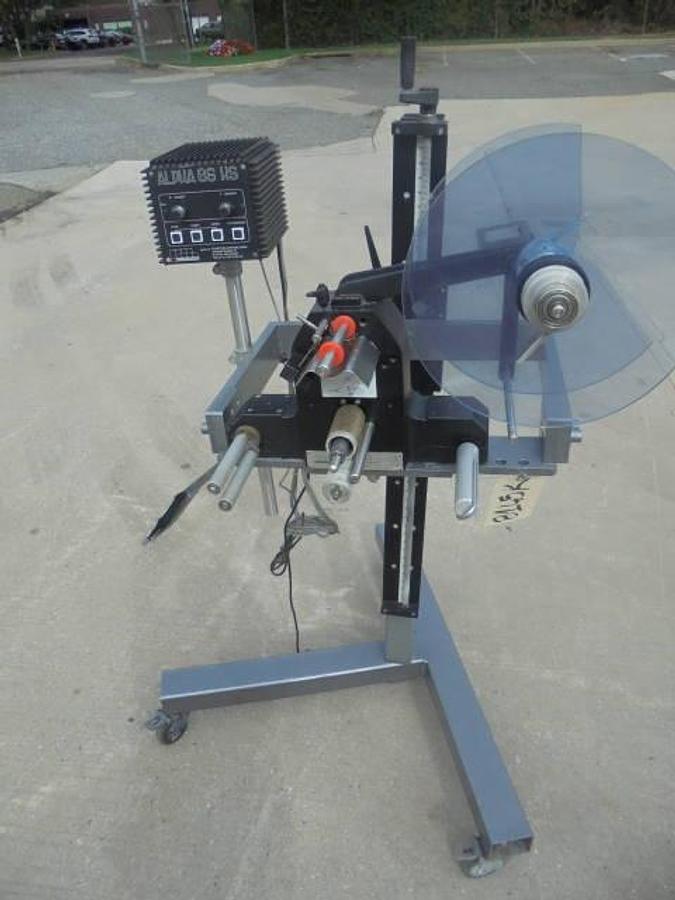
Geset GmbH is a German manufacturer specializing in labeling and packaging machinery. Their product line includes self-adhesive labeling machines, wrap-around labelers, front-and-back labelers, and top labelers. One specific example is the Geset Pressure Sensitive Top Labeler, which is a portable unit designed for applying pressure-sensitive labels to the top surface of products. This type of machine is commonly used in production environments where consistent, precise label placement is required without interrupting line flow.
German-engineered labeling equipment like Geset GmbH's line is generally associated with tight manufacturing tolerances, long service life, and low downtime. These characteristics make their machines a practical choice for operations that depend on reliable, repeatable labeling performance across extended production runs.
What industries use Geset GmbH labeling machines?
Geset GmbH labeling equipment is used across a wide range of industries where accurate and consistent label application is critical to operations. Common sectors include food and beverage, pharmaceutical, cosmetics, chemical manufacturing, and logistics. In regulated industries like pharma and food, label placement accuracy is not just a quality concern but often a compliance requirement, which is part of why precision German-engineered equipment tends to be favored in those environments.
Beyond regulated industries, Geset machines also find use in general manufacturing and distribution settings where products need clear identification for tracking, shipping, or retail presentation. The portability of certain models, like the Pressure Sensitive Top Labeler, makes them adaptable to facilities that need flexible labeling solutions rather than fixed, dedicated line equipment.
What should buyers know about purchasing used Geset GmbH labeling equipment?
Used Geset GmbH labeling machines are available through industrial equipment resellers and offer a cost-effective way to access German-engineered precision labeling technology without the capital outlay of buying from a manufacturer. For smaller businesses or operations scaling up production capacity, the used market can provide access to equipment that would otherwise be out of budget. That said, buyers should approach the purchase carefully, since used machinery is typically sold as-is, and the condition of the machine depends heavily on how it was maintained and operated by the previous owner.
Selecting a reputable dealer with a track record in packaging or labeling equipment is one of the most important steps in the buying process. Buyers should request as much documentation as possible about the machine's history, ask for an inspection (in person or via video), and consult with the manufacturer about parts availability and support for the specific model being considered. Age and model generation can significantly affect what level of technical support and spare parts a buyer can realistically expect going forward.
How can a buyer inspect used Geset GmbH labeling equipment before purchasing?
Most reputable used equipment dealers will offer buyers the option to inspect machinery before committing to a purchase. Inspections can take several forms: an in-person visit to the dealer's facility, a live video walkthrough conducted remotely, or a recorded video of the machine that captures its current condition. In some cases, the equipment may still be installed and running at the facility where it was decommissioned, which can allow for a more thorough evaluation of its working state.
Buyers should keep in mind that equipment dealers generally do not have the production permits or setup required to run actual labeling product through a machine during an inspection. The goal of an inspection is to assess the mechanical condition, check for visible wear or damage, verify that key components are present and functional, and get a realistic picture of what the machine's current working order looks like. Asking specific questions about the machine's history, cycle counts, and any known issues before scheduling an inspection will help make the process more productive.
What is a pressure sensitive top labeler and how does it work?
A pressure sensitive top labeler is a type of labeling machine that applies self-adhesive (pressure-sensitive) labels to the top surface of a product as it moves through the machine. The label is dispensed from a roll, peeled from its liner, and pressed onto the product using a combination of mechanical applicators and sometimes an air-blow or tamp mechanism to ensure full contact and adhesion. These machines are designed to apply labels at consistent positions and with even pressure, which is important for both appearance and label durability.
Portable versions, like the Geset Pressure Sensitive Top Labeler, are built to be moved between production areas or used in facilities where a fixed conveyor-integrated system is not practical. They are common in operations that handle multiple product types or run shorter production batches where flexibility matters. The pressure-sensitive mechanism means no heat or water activation is required, which simplifies operation and reduces the complexity of maintenance compared to heat-shrink or wet-glue labeling systems.
What is the typical price range for used Geset GmbH labeling machines?
Pricing for used Geset GmbH labeling equipment varies considerably depending on the model, age, condition, and the specific features included. Entry-level or simpler portable labelers tend to be priced lower than fully integrated, high-speed production line machines. In the broader used labeling equipment market, machines from established German manufacturers generally hold their value better than lower-tier brands, which can push prices somewhat higher relative to other used options in the same category.
Buyers should factor in more than just the purchase price when evaluating total cost. Shipping, rigging, any refurbishment or calibration work needed after delivery, and the cost of spare parts or consumables all contribute to the real landed cost of the equipment. Requesting a detailed quote that breaks out all of these components from the dealer before committing to a purchase is the best way to avoid surprises and make an accurate comparison between available machines.
How should used labeling equipment be shipped to prevent damage in transit?
Labeling machines contain precision mechanical components, sensors, and in many cases electronic control systems that are sensitive to impact and vibration during transport. Proper packaging is critical. Depending on the size and weight of the machine, this can range from heavy-duty palletization with strapping and foam protection to full custom wooden crating. Larger or heavier machines may require professional rigging for both loading at the origin and unloading at the destination, which adds to the overall shipping cost but significantly reduces the risk of damage.
Buyers should ask the dealer specifically about how the machine will be packaged and what rigging equipment will be used for loading. It is also worth confirming who is responsible for arranging freight and whether the buyer needs to have a forklift or loading dock available at the delivery address. Getting a complete breakdown of packaging, rigging, and freight costs upfront gives a clear picture of the total landed cost and helps avoid unexpected charges after the purchase is finalized.
Can used Geset GmbH labeling equipment integrate with existing production lines?
Geset GmbH labeling machines are generally designed with production line integration in mind. Many models can be configured to work alongside conveyors, filling machines, or capping equipment, allowing them to fit into a broader automated packaging line. The specific integration options depend on the model and its control system. Machines with programmable logic controllers (PLCs) and standard communication interfaces tend to be easier to connect to existing line controls, while older models may require additional engineering work to achieve full integration.
When buying used equipment, buyers should verify what control system the machine runs on and whether the documentation, including electrical schematics and operator manuals, is available. This information is essential for any integration or troubleshooting work that will need to happen after installation. Consulting with a packaging line integrator or the equipment manufacturer before purchase can help clarify what will be required to get the machine running as part of an existing operation.
What payment terms are typical when buying used labeling equipment from a dealer?
Used industrial equipment dealers most commonly require full payment before a machine is released for shipping. This is standard practice in the industry and reflects the nature of used equipment transactions, where the dealer needs to confirm cleared funds before transferring ownership and arranging logistics. Some dealers may offer extended terms or financing arrangements to repeat customers or buyers with established relationships, but this is not the norm for first-time transactions.
Buyers should clarify payment expectations with the dealer early in the process, including accepted payment methods and the timeline between payment confirmation and shipping. For international purchases, currency, wire transfer fees, and any import duties or taxes should also be factored into the total cost calculation. Understanding the full payment and logistics timeline before signing a purchase agreement helps avoid delays and ensures both parties have aligned expectations.
How do buyers assess parts availability and technical support for used Geset GmbH machines?
Parts availability is one of the most practical concerns when buying used labeling equipment, and it is worth investigating before making a purchase decision. The best starting point is contacting Geset GmbH directly to ask about support for the specific model and serial number being considered. Manufacturers can often indicate whether a machine is still within a supported product generation, whether spare parts are still being produced or stocked, and what level of technical documentation is available. Older or discontinued models may have limited factory support, which shifts more of the maintenance burden onto the buyer's internal team or third-party service providers.
Beyond the manufacturer, buyers should also ask the dealer whether any spare parts, tooling, or consumables are included with the machine. Having a small inventory of wear parts on hand at the time of purchase can reduce downtime during the initial period of operation. It is also worth checking whether independent service technicians with experience on Geset or similar German labeling equipment are available in the buyer's region, since local expertise can be valuable for routine maintenance and unexpected repairs.