Category
Manufacturer
Model
Garland Commercial Ranges Ltd.
Garland Commercial Ranges Ltd. specializes in high-performance cooking equipment for the food service industry. They are known for their durable and efficient ranges that cater to commercial kitchens.
FAQ:
What types of used Garland commercial ranges are typically available for sale?
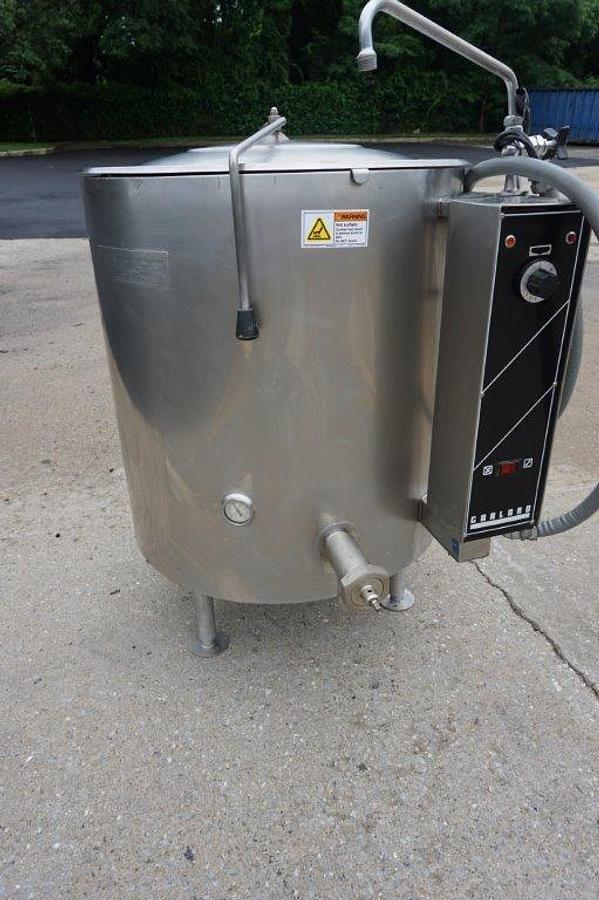
Used Garland commercial ranges appear on the market in several configurations, reflecting the brand's broad product lineup. The most commonly found models include units from the M Series, Cuisine Series, and Sunfire Series, each designed for different kitchen volumes and operational demands. Beyond standard ranges, Garland also manufactured specialty cooking equipment like self-contained electric kettles, countertop units, and heavy-duty floor models with multiple open burners or combination burner-and-griddle decks. Because Garland has been producing commercial cooking equipment for well over 150 years, the used market tends to have a reasonably steady supply of machines across different eras and configurations.
Buyers shopping for used Garland equipment should pay close attention to the specific model and series when evaluating a listing. Older units may have slightly different burner configurations, pilot ignition systems, or control layouts compared to later production runs. Reputable used equipment dealers will typically list the model number, approximate age, and a description of the unit's current condition. Asking the dealer for photos of the burner grates, drip trays, control valves, and any visible wear points is a practical first step before committing to a purchase.
What BTU ratings and sizes are common on used Garland commercial gas ranges?
Garland gas ranges are built for high-output commercial cooking, and that shows in their BTU ratings. Individual open burners on Garland gas ranges typically deliver somewhere between 30,000 and 35,000 BTU each, and larger section configurations or combination units can push total output well above 100,000 BTU. Standard footprint options commonly seen on the used market run from 24-inch single-section units up to 60-inch and 72-inch wide ranges with six or more burners, often paired with a full-width oven base or a convection oven underneath.
Size selection matters a great deal in a commercial kitchen, both for throughput and for fitting within an existing hood ventilation system. Before purchasing a used Garland range, buyers should measure the available hood coverage carefully, since a wider range that extends beyond the hood capture zone can create ventilation and code compliance problems. Dealers selling used Garland ranges should be able to provide the full specification sheet or at minimum the model number, which can then be cross-referenced against Garland's published spec data to confirm the exact dimensions and BTU output of the unit in question.
Are used Garland commercial ranges available in both gas and electric configurations?
Yes, Garland has manufactured both gas and electric commercial cooking equipment over the years, and both types surface on the used equipment market. Gas models are far more common in the used inventory pool, largely because gas ranges dominate professional kitchen installations in North America. Electric Garland equipment does appear as well, including specialty items like self-contained electric steam kettles, which are a distinct product category from a standard range but fall under the broader Garland commercial cooking equipment umbrella.
The choice between gas and electric matters significantly for installation planning. Gas units require a properly sized gas supply line, a commercial hood with grease capture, and in many jurisdictions an annual inspection. Electric units avoid the gas line requirement but typically demand a dedicated high-amperage circuit, and the electrical infrastructure cost can be substantial for larger equipment. Buyers purchasing used Garland equipment should confirm the utility requirements of the specific model before purchase and verify that their facility can support those requirements without major infrastructure upgrades.
What certifications do Garland commercial ranges typically carry, and why do they matter?
Garland commercial ranges are generally built to meet the certification requirements that commercial foodservice operations depend on. The most relevant certifications for this equipment category are NSF (National Sanitation Foundation), CSA (Canadian Standards Association), and ETL, which is issued by Intertek as an alternative to UL listing. NSF certification addresses sanitation and cleanability standards, which most health departments require for commercial kitchen equipment. CSA and ETL marks indicate that the equipment has been tested and verified to meet applicable safety standards for gas or electrical appliances in North America.
For buyers purchasing used Garland ranges, these certifications carry practical weight beyond just regulatory compliance. Many commercial kitchen operators are required by their local health department or fire marshal to use only certified equipment, and an uncertified or delisted machine can create inspection problems. When evaluating a used unit, it is worth checking whether the original certification placard or data plate is still intact and legible on the machine, since inspectors often look for that physical documentation. Dealers with experience in commercial foodservice equipment can usually help buyers identify the certification status of a specific model.
What is the typical lifespan of a Garland commercial range, and what affects longevity?
Garland commercial ranges have a reputation for durability that is well-earned. In professional kitchen environments with proper maintenance, these machines routinely last 15 to 25 years, and it is not unusual to find units still in service after 30 years in lower-volume operations. The stainless steel construction used throughout Garland's range lineup resists corrosion and stands up to the physical demands of daily commercial use. Heavy-duty cast iron grates, robust burner valves, and thick-gauge oven cavities all contribute to a machine that holds up over time.
That said, lifespan varies considerably based on how hard the equipment was run and how consistently it was maintained. A range that spent a decade in a high-volume restaurant running 16-hour days will show more wear than the same model used in a lower-volume hotel kitchen. Key factors to evaluate on a used unit include the condition of the burner orifices and valves, the integrity of the oven door seals and hinges, the state of the pilot or electronic ignition system, and whether the unit has been cleaned regularly to prevent grease buildup in burner ports. A thorough inspection before purchase is the most reliable way to gauge remaining service life.
Are used Garland commercial ranges a reliable option for a commercial kitchen?
Used Garland ranges can be a very practical choice for commercial kitchen operators, particularly given the brand's long-standing reputation for building equipment that holds up under demanding conditions. Because Garland has been a fixture in professional kitchens for generations, the used market offers access to machines with a proven track record at a fraction of the cost of purchasing comparable cooking capacity in a newer unit. For operators setting up a kitchen on a budget, or replacing a failed unit quickly, a well-maintained used Garland range can deliver reliable service for many years.
The key to a successful used equipment purchase is due diligence during the buying process. All used machines are sold as-is, which means the condition of the specific unit matters far more than the brand's general reputation. Buyers should work with dealers who have a documented history in the commercial foodservice equipment space and who can provide detailed photos, video, or in-person inspection access before the sale is finalized. Checking with Garland or an authorized service agent about parts availability for the specific model and production year is also a smart step, since older or discontinued models may have limited parts support.
Can replacement parts for Garland commercial ranges be sourced easily?
Parts availability for Garland commercial ranges is generally considered good relative to many other commercial cooking equipment brands, largely because Garland has maintained a consistent presence in the foodservice industry for so long and because the brand is now part of the Welbilt group of commercial equipment manufacturers. Common wear items like burner grates, pilot assemblies, oven door gaskets, control valves, and thermostat components have historically been available through authorized Garland service dealers and commercial kitchen equipment parts suppliers.
That said, parts availability is not uniform across all models and production years. Older or discontinued Garland range models may have components that are no longer stocked by the manufacturer or its distributors, which can make repairs more difficult or expensive. Before purchasing a used Garland range, prospective buyers are well advised to contact Garland's service support channel or a local authorized service agent and ask directly about parts availability for the specific model number. This step can prevent the frustration of acquiring a machine that is difficult or impossible to repair when a component eventually fails.
What should buyers inspect before purchasing a used Garland commercial range?
A thorough pre-purchase inspection covers several distinct areas of the machine. On a gas range, the burner ports should be clear of carbon buildup and corrosion, the control valves should turn smoothly without sticking or leaking, and the pilot or electronic ignition system should function reliably. The oven cavity, if present, should be checked for warping, damaged door seals, and the condition of the thermostat or temperature control system. Grates and drip trays should be examined for cracks, excessive wear, or warping that would affect cooking performance or create a safety hazard.
Reputable used equipment dealers will typically accommodate in-person inspections at their facility, and many also offer video inspections or detailed photo documentation for buyers who cannot travel to see the machine in person. Some units may still be installed at the facility where they were last used, in which case the dealer can sometimes arrange an inspection at that location. Keep in mind that most used equipment dealers do not have the permitting required to test-cook food on the equipment, so functional testing is generally limited to confirming that burners ignite, valves operate, and the oven thermostat responds, rather than a full production trial. Buyers should factor this limitation into their evaluation and ask as many detailed questions as possible before finalizing a purchase.
What does a used Garland commercial range typically cost?
Pricing for used Garland commercial ranges varies widely depending on the model, size, age, condition, and configuration of the unit. Smaller or older units in average condition can be found at price points significantly below what comparable cooking capacity would cost in a newer machine. Larger, more recently produced units in good working condition, particularly those with multiple burners and a convection oven base, will command higher prices that still typically represent meaningful savings compared to newer equipment of similar capacity.
Beyond the purchase price, buyers should account for the full landed cost of the equipment before making a decision. Shipping charges for a heavy commercial range can be substantial, and larger units may require specialized rigging equipment for loading and unloading, which adds to the total cost. Some dealers charge separately for crating or palletizing the equipment for transit. Getting a clear breakdown of purchase price, packaging, freight, and any rigging fees from the dealer before committing to a purchase is the best way to avoid surprises and accurately compare options.
What should buyers know about shipping and payment when purchasing used Garland commercial ranges?
Shipping a commercial range is not the same as shipping a small appliance, and buyers should approach logistics planning carefully. These machines are heavy, often exceeding several hundred pounds, and require secure palletization or crating to prevent damage in transit. Larger or wider units may need to be moved with a forklift at both the origin and destination, and the cost of rigging services for loading and unloading can add meaningfully to the total expense. Buyers should ask the dealer specifically about how the equipment will be packaged, what carrier will be used, and whether liftgate service is included or is an additional charge at delivery.
On the payment side, used equipment dealers in this category typically require full payment before the machine is released for shipping. This is standard practice in the used commercial equipment industry. Some dealers may offer payment terms to customers with whom they have an established purchasing history, but buyers who are new to a particular dealer should expect to pay in full upfront. Clarifying payment method, timing, and any applicable fees before the sale is finalized helps avoid delays in getting the equipment shipped and delivered.