Category
Manufacturer
Model
G.E.C. Machines
G.E.C. Machines offers a wide range of manufacturing equipment tailored for the food and beverage industry. They are known for their reliable packaging and processing solutions.
FAQ:
What types of G.E.C. machines are typically available on the used equipment market?
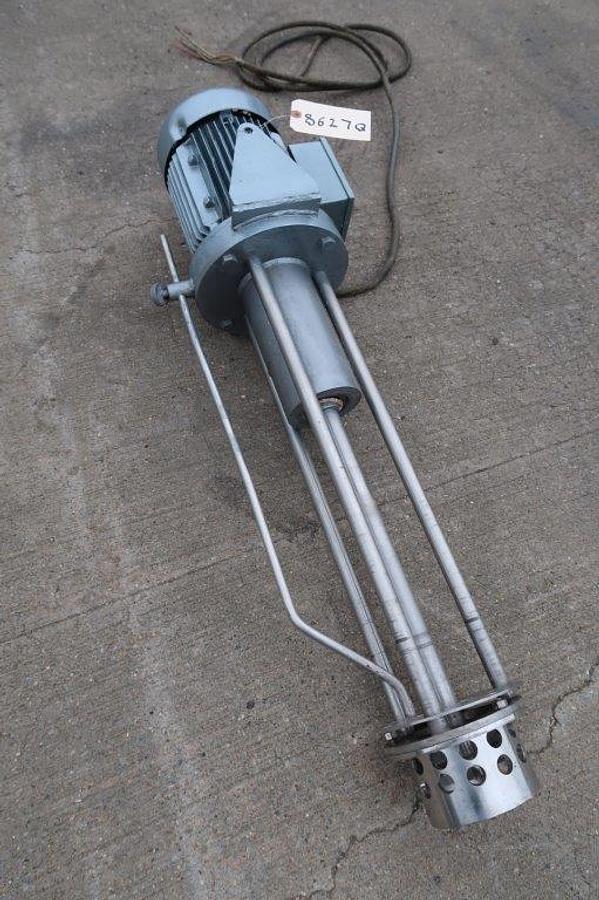
G.E.C. (General Electric Company, UK) produced a broad range of industrial and processing equipment throughout the 20th century. On the used equipment market, buyers commonly encounter G.E.C. electric motors, generators, transformers, industrial fans, and food and beverage processing machinery. Within the food and beverage sector specifically, G.E.C. was known for reliable packaging and processing solutions, including homogenizing mixers and similar production-grade equipment. The brand built a strong reputation for durability and build quality, which is a primary reason these machines retain functional value decades after manufacture.
Availability at any given time depends on what has come to market through industrial auctions, plant closures, estate sales, and specialist used equipment dealers. Because all G.E.C. machines currently available are used rather than newly manufactured, inventory shifts frequently. Buyers looking for a specific model or capacity should work with dealers who specialize in food and beverage or industrial processing equipment, as these dealers tend to source and vet machines that are appropriate for production use rather than simply reselling whatever passes through an auction.
Are G.E.C. machines still being manufactured, or are all available units used?
G.E.C. as a manufacturing entity underwent significant restructuring in the late 20th century, and machines carrying the G.E.C. nameplate are no longer produced. Every G.E.C. machine available for purchase today is a used unit sourced from the secondary market. This includes machines pulled from active production lines, decommissioned equipment from facility closures, and units that have been in storage for extended periods. The age of these machines varies considerably, but many date from the mid-to-late 1900s.
The fact that these are used machines is an important consideration for buyers. Condition, hours of use, maintenance history, and storage conditions all affect how a particular unit will perform after purchase. Buyers should approach the purchase with that context in mind, arranging thorough inspections before committing and consulting with the manufacturer's current support network (or authorized service providers) to understand what parts and technical support remain available for the specific model they are considering.
What should I inspect when buying a used G.E.C. homogenizing mixer?
A homogenizing mixer is a mechanically and electrically complex piece of equipment, so inspection should cover several systems. On the mechanical side, check the condition of the mixing head, shaft seals, bearings, and any gearbox or drive components. Look for signs of wear, corrosion, or prior repairs that may indicate heavy use or past mechanical failures. For a 3 HP unit, verify that the motor windings are intact and that the electrical connections meet current safety standards for the facility where the machine will be installed. Any visible cracks, pitting, or weld repairs on product-contact surfaces are worth scrutinizing carefully, particularly for food-grade applications.
Dealers selling used G.E.C. mixers will typically accommodate in-person inspections, video walkthroughs, or recorded video captures of the machine. If the equipment is still installed at a production facility, it may be possible to observe it running under actual operating conditions, which is the most informative scenario. Keep in mind that most used equipment dealers do not have the permitting or infrastructure to run full production tests themselves, so the opportunity to see a machine in active use at a plant is genuinely valuable. Buyers should ask specific questions about the machine's last use date, what product it was processing, and whether any components have been replaced.
How do used equipment dealers typically grade or describe the condition of G.E.C. machines?
Condition descriptions in the used machinery industry are not universally standardized, but most reputable dealers use a general framework that ranges from surplus or unused (equipment that was purchased but never put into service) down through excellent, good, fair, and as-is or parts-only designations. G.E.C. machines, given their age, are most commonly listed in the good to fair range, meaning they are functional but show normal signs of wear from prior production use. Some dealers provide more detailed condition notes covering specific components, hours of operation, or known issues.
Because grading language varies from dealer to dealer, buyers should not rely solely on a condition label. Requesting photos of all major components, asking for the machine's service history, and arranging an inspection are the most reliable ways to assess actual condition. A machine described as good by one dealer may be in meaningfully different shape than one described the same way by another. Selecting a dealer who specializes in the relevant industry and has a long track record of selling that category of equipment reduces the risk of misrepresentation, since their reputation depends on accurately representing what they sell.
Are spare parts still available for G.E.C. machines?
Parts availability for G.E.C. machines varies significantly depending on the model, age, and the specific component needed. For more common components like standard electric motors or widely used mechanical parts, compatible replacements from other manufacturers may be available, even if G.E.C.-branded parts are not. For more specialized or proprietary components, buyers may need to source parts from specialist dealers who focus on vintage or legacy industrial equipment, or in some cases have parts custom fabricated.
Before purchasing a used G.E.C. machine, it is worth contacting the current support network associated with the equipment's category to gauge what level of parts and technical support is realistically available. Age and model both affect this significantly. A machine from the 1990s will generally have better parts support than one from the 1960s. Buyers should factor parts availability into their total cost of ownership calculation, since a machine that is inexpensive to purchase but difficult or expensive to maintain may not represent the value it appears to at first glance.
Do used G.E.C. machines come with any warranty or guarantee?
Used equipment dealers typically sell machinery on an as-is basis, which means no warranty is provided by the dealer. Warranties in the traditional sense are generally only offered by original manufacturers on newly produced equipment. Since all G.E.C. machines on the market today are used, and G.E.C. no longer manufactures equipment under that name, buyers should not expect warranty coverage as part of a purchase.
This as-is structure places the responsibility of due diligence squarely on the buyer, which is why thorough pre-purchase inspection is so important. Buyers should prioritize dealers with a long, verifiable track record in the industry and who specialize in the relevant equipment category. A dealer with deep experience in food and beverage processing machinery, for example, is more likely to accurately represent the condition and suitability of a G.E.C. mixer than a general auction house. Taking the time to inspect the machine, ask detailed questions, and consult with service technicians before purchase is the most effective way to protect the investment.
What are the typical shipping and logistics considerations when buying a used G.E.C. machine?
Shipping used industrial machinery involves more planning than standard freight. The machine must be properly packaged, palletized, or crated to prevent damage in transit, and the level of packaging required will affect the total shipping cost. Smaller machines like a 3 HP homogenizing mixer may ship on a standard pallet with appropriate bracing, while larger or heavier G.E.C. equipment may require custom crating. Buyers should ask the dealer specifically what packaging will be used and whether crating is included in the quoted price or billed separately.
For heavier equipment, rigging costs for loading at the dealer's facility and unloading at the destination are an additional expense that buyers sometimes overlook. Rigging involves specialized equipment and labor to safely move heavy machinery, and those costs vary based on machine weight, dimensions, and site conditions at both ends of the shipment. Getting a full landed cost estimate before committing to a purchase, including freight, packaging, and rigging, gives a much clearer picture of the actual investment. Buyers should also confirm lead times for packaging and shipping, as preparing a machine for safe transit can take time depending on the dealer's workload.
What payment terms should buyers expect when purchasing used G.E.C. equipment?
The standard practice among used equipment dealers is to require full payment prior to shipping. This is consistent across most of the industry and applies to both domestic and international transactions. Some dealers may offer extended payment terms to established repeat customers with whom they have a prior business relationship, but this is the exception rather than the rule, and first-time buyers should plan for full prepayment.
Buyers should clarify accepted payment methods early in the process, as dealers may accept wire transfers, credit cards, or other instruments with varying processing times. Confirming payment terms, along with the full landed cost of the equipment including shipping and rigging, before finalizing a purchase avoids surprises. For higher-value machines, buyers sometimes choose to work with an escrow arrangement or request detailed documentation of the machine's condition prior to releasing payment, which is a reasonable precaution when purchasing used industrial equipment remotely.
How can I verify the condition of a used G.E.C. machine before purchasing remotely?
Remote verification of a used machine's condition relies on a combination of dealer-provided documentation and independent inspection. Most reputable dealers will provide detailed photographs of the machine from multiple angles, including close-ups of wear points, nameplates, electrical panels, and any visible damage or repairs. Many dealers also offer video walkthroughs, either live via video call or as a recorded video sent to the buyer. These videos can be particularly useful for assessing the overall condition of the machine and identifying anything that warrants further questions.
For higher-value purchases, buyers can arrange for a third-party inspection by an independent machinery appraiser or technician who visits the dealer's location in person. If the machine is still installed at a production facility, the dealer may be able to coordinate an in-person visit where the buyer can observe the equipment running under actual operating conditions. This is the most reliable form of pre-purchase verification available for used equipment. Regardless of the inspection method, buyers should document everything discussed about the machine's condition in writing before completing the transaction.
Why do buyers continue to seek out G.E.C. machines despite their age?
G.E.C. built a reputation over decades for producing industrial equipment with solid construction and reliable performance. Many of these machines were built to tolerances and with materials that gave them long service lives, and units that were properly maintained can still perform effectively in production environments today. For certain applications in the food and beverage industry, a well-maintained G.E.C. mixer or processing unit may offer comparable performance to more recent equipment at a significantly lower acquisition cost.
There is also a practical consideration around familiarity. Facilities that have operated G.E.C. equipment for years often prefer to source replacement units of the same make and model rather than retraining staff and reconfiguring processes around different equipment. Used G.E.C. machines can serve as direct drop-in replacements in these situations. Additionally, for smaller operations or startups entering food and beverage production, used G.E.C. equipment offers a way to acquire proven processing capability without the capital outlay associated with purchasing more recent machinery.