Category
Manufacturer
Model
G &A H
G & H provides innovative solutions for the food processing industry, specializing in equipment that enhances production efficiency and product quality.
FAQ:
What are G&H sanitary pumps and what industries use them?
G&H sanitary pumps are hygienic-grade pumping solutions designed specifically for food processing, beverage production, dairy operations, pharmaceutical manufacturing, and cosmetic production. The brand has built a reputation around equipment that supports production efficiency while meeting the strict cleanliness and material standards those industries require. Common pump types in the G&H lineup include centrifugal pumps, positive displacement pumps, and rotary gear pumps, each suited to different viscosity ranges and flow requirements.
The defining characteristic of sanitary pumps as a category is that every component contacting the product must be constructed from materials that are safe, non-reactive, and easy to clean. G&H pumps are typically built with stainless steel wetted parts and seal materials that meet food-grade and pharmaceutical-grade standards. Used G&H sanitary pumps appear regularly on the secondary market because food and beverage processors frequently upgrade or reconfigure production lines, making quality pre-owned units a practical option for processors looking to control capital costs without sacrificing hygienic performance.
What types of G&H sanitary pumps are commonly available on the used equipment market?
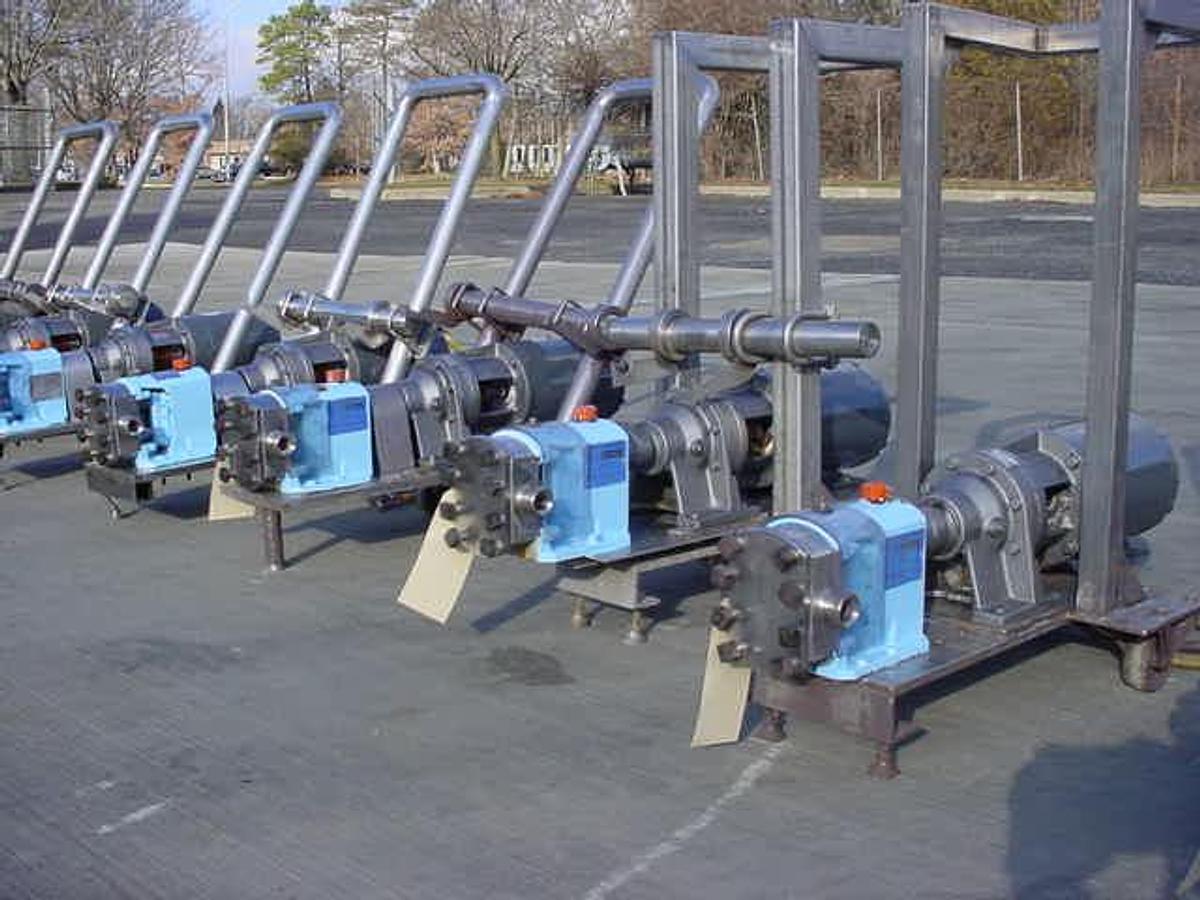
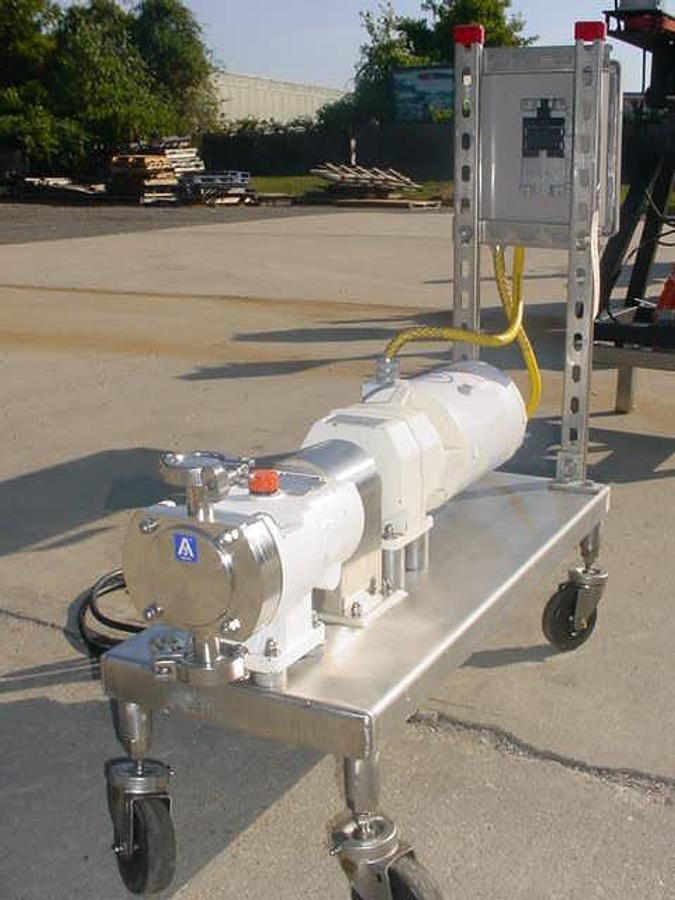
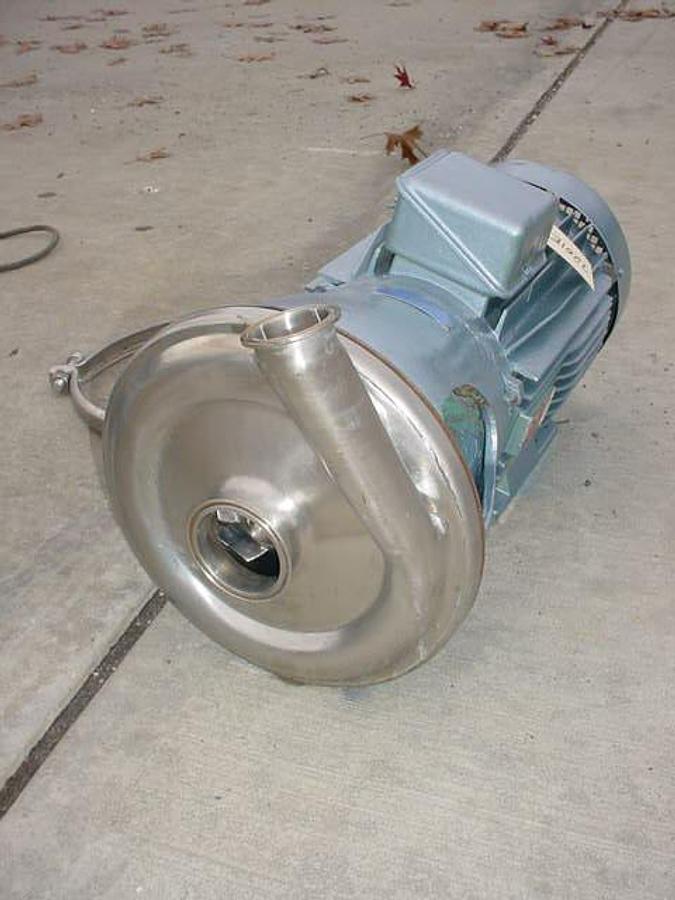
The used market for G&H sanitary pumps typically includes three main pump types: centrifugal pumps, positive displacement pumps, and rotary gear pumps. Centrifugal models, such as the G&H 3-inch by 2-inch stainless sanitary centrifugal pump, are well suited for thin, low-viscosity liquids and high-flow transfer applications. Positive displacement models, like the G&H 1-inch by 1-inch stainless positive displacement pump with a 3/4 hp motor, are better suited for thicker, more viscous products or applications where a consistent, metered flow is needed regardless of pressure changes. Rotary gear pumps, including wash-down motor configurations, are commonly used for gentle product handling in food processing environments.
When sourcing a used G&H pump, buyers should pay close attention to the specific model designation and port sizes, since these directly affect how the pump integrates into an existing processing line. The availability of any given model on the used market depends on what processors have decommissioned or upgraded away from, so inventory tends to shift over time. Working with a dealer that specializes in sanitary food processing equipment gives buyers the best chance of finding the right configuration and getting accurate information about the pump's prior service history and current condition.
What materials are G&H sanitary pumps made from, and why does that matter for hygienic applications?
G&H sanitary pumps are constructed with stainless steel for the pump body and wetted components, with 316L stainless steel being the standard material for surfaces that contact the product. The 316L grade offers better corrosion resistance than 304 stainless, particularly in chloride-heavy cleaning environments, which makes it the preferred choice for CIP (clean-in-place) processes that use caustic or acidic cleaning agents. Internal surface finish is also critical: sanitary pump wetted surfaces are typically polished to a roughness average (Ra) of 0.8 microns or better, which limits bacterial adhesion and makes thorough cleaning achievable without full disassembly.
Seals, gaskets, and elastomers are the other key material consideration. These components must be made from FDA-approved materials such as EPDM, Buna-N, or PTFE to ensure they do not leach contaminants into the product stream. When evaluating a used G&H sanitary pump, buyers should inspect or ask about the condition of seals and elastomers, since these are wear items that may need replacement regardless of how well the pump body has held up. A reputable used equipment dealer should be able to provide photos or video of the pump's internal components so buyers can assess the condition of these parts before committing to a purchase.
Are used G&H sanitary pumps 3-A certified or FDA compliant?
G&H sanitary pumps are designed to meet the hygienic standards required in food, beverage, and pharmaceutical processing, which includes alignment with 3-A Sanitary Standards and FDA CFR 21 material requirements. 3-A certification is a third-party verification that a pump's design, materials, and surface finishes meet the hygienic criteria established for dairy and food processing equipment. FDA CFR 21 compliance refers specifically to the materials used in components that contact food products, confirming they are safe for that use.
For used equipment, buyers should understand that certifications are tied to the original design and manufacturing standards of the pump, not to a specific unit's current condition. A used pump that was built to 3-A standards will still carry that design pedigree, but its actual compliance in a given facility depends on its current condition, how it has been maintained, and whether any non-compliant replacement parts were used during its service life. Buyers in regulated industries should inspect the pump carefully, ask the dealer about its service history to the extent it is known, and consult with their own quality or compliance teams before placing a used sanitary pump into a regulated production environment.
How do I select the right G&H sanitary pump model for my application?
Selecting the correct pump model comes down to matching the pump's design characteristics to the specific demands of the application. The most important variables to define upfront are the product being pumped (viscosity, particulate content, temperature, and any corrosive properties), the required flow rate in gallons per minute, the system pressure or head requirements, and the port sizes needed to connect to existing piping. Centrifugal pumps are generally the right choice for thin, water-like fluids at higher flow rates, while positive displacement and rotary gear pumps handle thicker, more viscous products and deliver more consistent flow under varying back pressures.
For used G&H pumps specifically, buyers should also factor in the pump's horsepower rating and motor configuration, since these affect energy consumption and compatibility with existing electrical infrastructure. Port size is another practical consideration: a 3-inch by 2-inch centrifugal pump has different integration requirements than a 1-inch by 1-inch positive displacement unit. If there is any uncertainty about which model fits the application, it is worth consulting with the selling dealer, who may have technical specifications on file, and cross-referencing with the pump manufacturer's published performance curves if they are still available for the model in question.
What should buyers inspect when purchasing a used G&H sanitary pump?
A thorough inspection of a used sanitary pump should cover both the mechanical condition and the hygienic integrity of the unit. On the mechanical side, buyers want to look at the condition of the impeller or rotor, the shaft and bearings, and the motor. Signs of excessive wear, pitting, or corrosion on internal components are red flags that could indicate the pump will need significant refurbishment before it returns to service. The motor's condition, including any signs of overheating or moisture ingress, is equally important, especially on wash-down motor configurations that have been exposed to regular high-pressure cleaning.
From a hygienic standpoint, the internal surface finish of the pump body and any product-contact components should be examined closely. Pitting or deep scratches on stainless surfaces can harbor bacteria and compromise cleanability. Seals, gaskets, and O-rings should be inspected for cracking, swelling, or deformation, as these are common wear items in sanitary pump applications. Reputable used equipment dealers will typically accommodate in-person inspections at their facility or provide detailed video walkthroughs of the machine. Some pumps may still be located at the processing facility where they were last used, which can allow for an inspection while the equipment is still installed, though most dealers are not equipped to run the pump with actual product.
Can used G&H sanitary pumps be cleaned in place (CIP), and what does that mean for maintenance?
CIP (clean-in-place) compatibility is one of the most valued features in sanitary pump design for food and beverage processing. A CIP-compatible pump can be cleaned by circulating cleaning solutions through the pump without disassembling it, which dramatically reduces downtime between production runs and makes it easier to meet hygiene protocols consistently. G&H sanitary pumps are designed with smooth internal surfaces, minimal dead zones, and drain-capable geometries that support effective CIP cleaning. Some configurations also support SIP (steam-in-place) sterilization, which is particularly relevant for pharmaceutical and aseptic dairy applications.
For a used pump, the CIP performance depends heavily on the condition of the internal surfaces and seals. If the pump has been well maintained and its wetted surfaces are still within acceptable surface finish tolerances, it should continue to clean effectively in a CIP circuit. However, if seals are worn or internal surfaces have developed pitting from corrosion or mechanical damage, cleaning efficacy can be compromised. Buyers should factor in the potential cost of seal replacement and any necessary polishing or refurbishment when evaluating the total cost of putting a used sanitary pump back into a hygienic production environment.
What are typical flow rates and pressure ratings for G&H sanitary pumps?
Flow rates and pressure ratings for G&H sanitary pumps vary considerably depending on the pump type and model. Centrifugal sanitary pumps in this class typically handle flow rates ranging from a few gallons per minute up to several hundred GPM, depending on impeller diameter and motor horsepower. They are better suited for lower-viscosity applications and perform most efficiently within a specific range of flow and head conditions as defined by their performance curves. Positive displacement pumps, including rotary gear designs, generally operate at lower flow rates but maintain more consistent output across a range of back pressures, making them more predictable for metering and dosing applications.
For specific G&H models available on the used market, performance data should be confirmed against the manufacturer's published specifications for that model and size. Port dimensions give a rough indication of capacity: a 3-inch by 2-inch centrifugal pump will handle significantly higher flow than a 1-inch by 1-inch positive displacement unit. When evaluating a used pump for a specific application, buyers should request whatever documentation the dealer has available and, where possible, cross-reference with the manufacturer's technical resources to confirm the pump's rated performance before purchase.
What should buyers understand about shipping and logistics when purchasing a used sanitary pump?
Shipping a used sanitary pump involves more planning than many buyers expect, particularly for larger or heavier units. The pump needs to be properly secured and packaged to prevent damage in transit, which typically means palletizing at a minimum and may require custom crating for fragile components or larger configurations. The level of packaging required directly affects shipping costs, so buyers should ask the dealer upfront about how the pump will be prepared for shipment and what those preparation costs include. Freight charges will vary based on the pump's weight, dimensions, origin, and destination, and heavier industrial pumps may require liftgate service or dock-to-dock freight arrangements.
For larger pumps or those with significant weight, rigging may be required for both loading at the dealer's facility and unloading at the buyer's location. Rigging costs are typically separate from freight charges and should be confirmed before finalizing the purchase. Buyers should request a full breakdown of all costs involved in getting the pump to their facility, including packaging, rigging, freight, and any applicable fuel surcharges or accessorial fees, so they have an accurate picture of the total landed cost before committing to the purchase.
What payment terms should buyers expect when purchasing used sanitary pumps from a dealer?
Most used equipment dealers require full payment before the equipment ships. This is standard practice in the used machinery industry and reflects the fact that used equipment transactions typically involve a single unit with no restocking option once it has been prepared for shipment. Buyers who are unfamiliar with a dealer should expect to pay in full upfront and factor that into their purchasing timeline, particularly if internal purchase order or payment approval processes take time. Some dealers may offer payment terms to established customers with a history of repeat transactions, but this is the exception rather than the rule for first-time buyers.
Accepted payment methods vary by dealer but commonly include wire transfer, ACH, or company check. Credit card payments may be accepted for smaller purchases but are less common for larger equipment transactions due to processing fees. Buyers should confirm accepted payment methods early in the process and clarify the exact payment timeline required before the dealer will schedule the pump for packaging and shipment. Getting clarity on these logistics upfront avoids delays once a purchase decision has been made.