Category
Manufacturer
Model
FAQ:
What is the Freeze Dry Company 3600, and what is it used for?
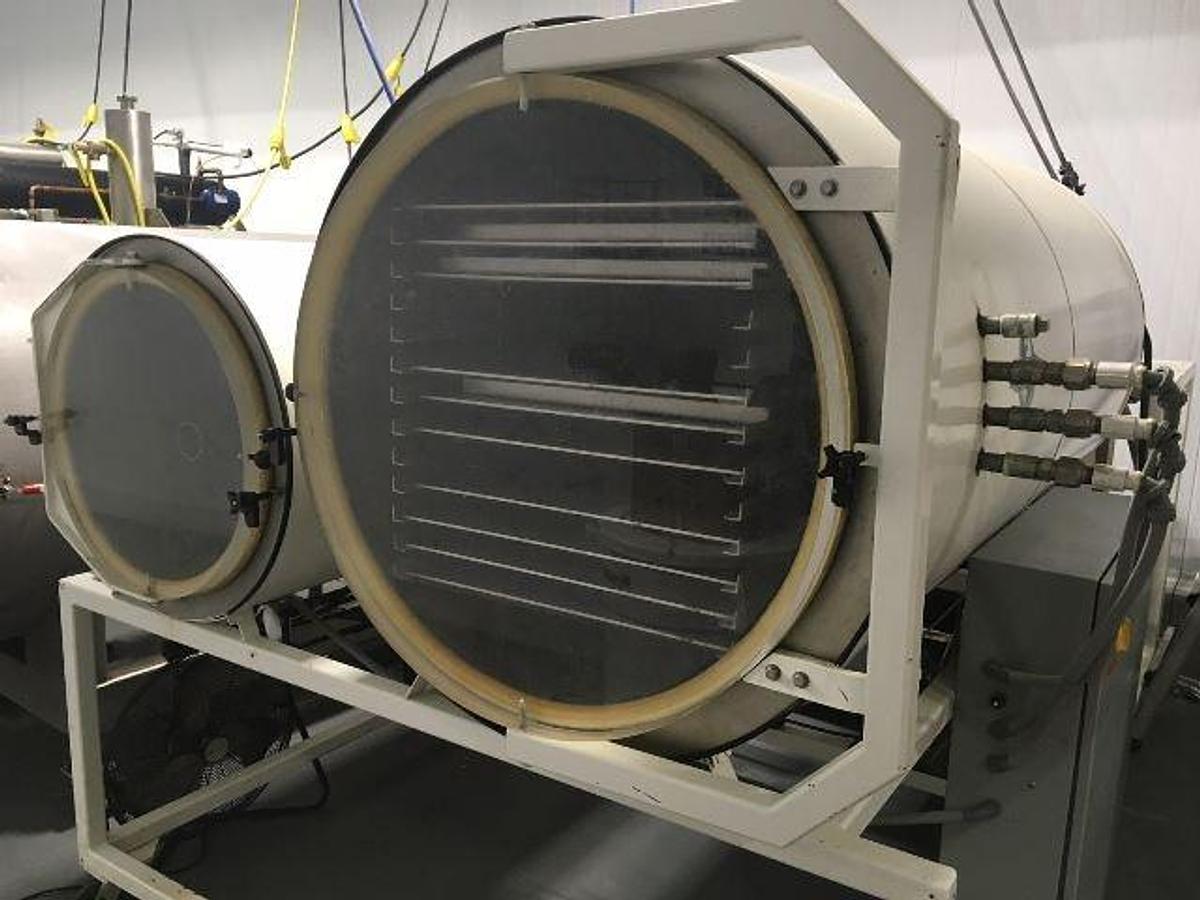
The Freeze Dry Company 3600 is a commercial-grade freeze dryer designed for food processing applications. It is built for operations that need consistent, high-volume freeze drying output, making it well-suited for small to mid-sized food production businesses, specialty food manufacturers, and operations focused on long-term food preservation. The "3600" designation refers to the specific model in the Freeze Dry Company lineup, and units like this are typically found in facilities producing freeze-dried fruits, vegetables, meats, dairy products, and prepared meals.
When purchasing a used Freeze Dry Company 3600, buyers should pay close attention to its production history, the types of food products it was used to process, and its current mechanical condition. Food-use equipment carries additional considerations around sanitation and compliance with food safety standards, so understanding how the machine was maintained and cleaned during its service life is an important part of the evaluation process before committing to a purchase.
What should I know before buying used freeze drying equipment?
Buying used freeze drying equipment requires a more thorough due diligence process than purchasing other types of machinery, largely because freeze dryers involve vacuum systems, refrigeration components, and control electronics that all need to be in working order simultaneously. A machine that appears structurally sound may still have worn vacuum pump seals, refrigerant leaks, or failing heating elements that are not obvious from a visual inspection alone. Requesting a detailed service and maintenance history from the seller is one of the most useful steps a buyer can take.
Beyond mechanical condition, buyers should verify that the equipment is compatible with their production requirements in terms of chamber size, batch capacity, and cycle times. It is also worth contacting the manufacturer directly to determine what level of technical support, spare parts availability, and documentation exists for the specific model being considered. Older models or discontinued configurations may have limited parts availability, which can affect long-term operating costs and downtime risk. Selecting a used equipment dealer who specializes in food processing machinery and has a verifiable track record is one of the best ways to reduce risk in this type of purchase.
How much does used commercial freeze drying equipment typically cost?
Used commercial freeze drying equipment spans a wide price range depending on the manufacturer, model, chamber capacity, age, and overall condition of the machine. Smaller benchtop or pilot-scale units can be found in the range of a few thousand dollars, while mid-sized commercial freeze dryers like the Freeze Dry Company 3600 typically fall in the range of tens of thousands of dollars. Large-scale industrial freeze drying systems used in pharmaceutical or high-volume food production can command prices well into six figures even on the used market.
Beyond the purchase price, buyers should factor in total landed cost, which includes shipping, rigging, any necessary refurbishment or parts replacement, and installation. A machine priced attractively may carry significant additional costs if it requires vacuum pump rebuilds, condenser servicing, or control system upgrades before it is production-ready. Getting a clear picture of the machine's current operating condition through inspection, and budgeting for realistic startup costs, will lead to a more accurate total cost of ownership calculation than looking at the sticker price alone.
What is the freeze drying process, and how does it differ from dehydrating?
Freeze drying, technically called lyophilization, removes moisture from food through a process called sublimation. The food is first frozen solid, and then placed in a vacuum chamber where pressure is reduced to a point where ice converts directly to vapor without passing through a liquid phase. This preserves the cellular structure of the food far better than heat-based drying methods, which is why freeze-dried products retain their shape, color, flavor, and nutritional profile so effectively. Studies have shown that freeze drying preserves up to 97% of a food's nutritional content, compared to significantly lower retention rates with conventional dehydration.
Dehydrating uses heat and airflow to evaporate moisture, which is faster and less energy-intensive but causes more degradation to texture, flavor, and nutrition. The shelf life difference is also substantial. Properly packaged dehydrated foods typically last one to five years, while freeze-dried foods stored in sealed, oxygen-free packaging can remain shelf-stable for 25 years or more under the right conditions. For businesses or individuals focused on long-term food storage, emergency preparedness, or producing premium food products, freeze drying is the more capable technology despite its higher equipment and operating costs.
Is commercial freeze drying equipment appropriate for home use?
Commercial freeze dryers like the Freeze Dry Company 3600 are engineered for production-scale operations and are generally not practical for typical home use. They require three-phase electrical connections in many cases, significant floor space, proper ventilation, and in some configurations, cooling water infrastructure. The operational complexity, maintenance requirements, and energy consumption of commercial units go well beyond what a home kitchen environment can reasonably support.
For home users or small-scale hobbyists, there are purpose-built residential freeze dryers available from manufacturers like Harvest Right that are designed for standard household electrical connections and smaller batch sizes. Commercial used equipment like the Freeze Dry Company 3600 is better suited for small food businesses, catering operations, farms producing value-added products, or co-packing facilities. Buyers considering a used commercial unit for a small business should carefully assess whether their facility has the electrical capacity, floor load rating, and space to accommodate the equipment before making a purchase decision.
How long does a typical freeze drying cycle take on commercial equipment?
Cycle times on commercial freeze drying equipment vary considerably based on the type of product being processed, the moisture content of the food, the chamber load, and the specific machine's refrigeration and vacuum capabilities. Most commercial freeze drying cycles for food products run anywhere from 20 to 40 hours, though dense or high-moisture items like whole fruits, cooked meats, or dairy products can take longer. Some products with very low moisture content or thin cross-sections may complete cycles faster.
The cycle itself has three distinct phases: freezing the product down to the required temperature (often between -40°F and -50°F), primary drying where the bulk of the ice is removed through sublimation under vacuum, and secondary drying where residual bound moisture is extracted at slightly elevated shelf temperatures. Optimizing cycle parameters for a specific product is part of the learning curve when operating freeze drying equipment, and buyers acquiring used machines should try to obtain any process documentation or recipes that came with the equipment, as these can significantly reduce the time needed to dial in production runs.
What ongoing maintenance does commercial freeze drying equipment require?
Commercial freeze dryers have several mechanical systems that require regular attention to keep them operating reliably. The vacuum pump is one of the most maintenance-intensive components and typically requires periodic oil changes, with frequency depending on the pump type and how heavily the machine is used. Rotary vane vacuum pumps, which are common on food-grade freeze dryers, need clean oil to maintain the deep vacuum levels required for effective sublimation. Neglecting vacuum pump maintenance is one of the most common causes of performance degradation in used freeze drying equipment.
Refrigeration systems require inspection of refrigerant levels, condenser coil cleaning, and monitoring of compressor performance. Door seals and gaskets should be checked regularly since vacuum integrity depends on them. Control systems, including temperature sensors and pressure transducers, should be calibrated periodically to ensure accurate cycle data. On food-use equipment, cleaning and sanitation protocols for the product chamber and shelves are also part of routine upkeep. When evaluating a used freeze dryer, asking for maintenance logs and understanding what service has or has not been performed gives buyers a realistic picture of what they may need to address before putting the machine into production.
What are the typical operating costs of running commercial freeze drying equipment?
Electricity is the largest ongoing operating expense for commercial freeze drying equipment. Freeze dryers run refrigeration compressors, vacuum pumps, and shelf heating elements simultaneously over multi-hour cycles, and energy consumption can range from 10 to 20 kilowatt-hours or more per cycle depending on machine size and product load. For businesses running the equipment daily, electricity costs can add up quickly and should be factored into product pricing and profitability calculations before purchasing a machine.
Beyond electricity, vacuum pump oil is a recurring consumable cost, and replacement filters, gaskets, and seals represent periodic parts expenses. On the packaging side, mylar bags, oxygen absorbers, and nitrogen flush equipment are necessary to achieve the long shelf life that makes freeze-dried products valuable. Businesses processing food for retail sale will also need to account for food safety compliance costs, including facility requirements and any applicable regulatory certifications. Running a thorough total cost of ownership analysis, including all of these factors alongside the purchase price of used equipment, gives a much more accurate picture of what it actually costs to operate a freeze drying business.
How should buyers inspect used freeze drying equipment before purchasing?
A thorough inspection of used freeze drying equipment should cover the vacuum system, refrigeration components, product chamber, control systems, and overall structural condition of the machine. Buyers should look for signs of corrosion inside the chamber, damage to shelf heating elements, worn or cracked door seals, and any evidence of refrigerant leaks around fittings and coils. Reviewing the vacuum pump condition is particularly important, as rebuilding or replacing a vacuum pump on a commercial freeze dryer can be a significant expense.
Reputable used equipment dealers typically offer in-person inspections, video walkthroughs, or detailed photo documentation of machines. For equipment that is still installed at a production facility, it may be possible to arrange an inspection while the machine is operational, which gives the best indication of current working condition. Keep in mind that most equipment dealers are not set up to run actual production tests with food product, as that requires separate permitting and facility compliance. Buyers should also contact the manufacturer with the machine's serial number to confirm what technical documentation, spare parts, and support may still be available for that specific model and production year.
What are the shipping and logistics considerations when buying a large used freeze dryer?
Commercial freeze dryers are heavy, mechanically sensitive pieces of equipment that require careful handling throughout the shipping process. Vacuum systems, refrigeration lines, and precision instrumentation can all be damaged by rough handling, improper blocking, or inadequate packaging. Depending on the size and weight of the unit, professional rigging may be required for loading at the origin facility and unloading at the destination, and this cost is typically separate from freight charges. Buyers should ask the dealer specifically what palletization, crating, or skidding will be provided and whether rigging services are included or need to be arranged independently.
Shipping costs for large commercial freeze dryers can be substantial, and the total landed cost of the equipment should always be calculated before finalizing a purchase decision. Freight rates vary based on origin, destination, weight, dimensions, and the level of service required (standard LTL, flatbed, or specialized machinery transport). Buyers in locations with limited freight access or those requiring liftgate delivery at the destination should clarify these details with the seller upfront. Inspecting the equipment thoroughly before it ships, or ensuring adequate documentation of its condition prior to loading, is also important for protecting the buyer's interests in the event of transit damage.