Category
Manufacturer
Model
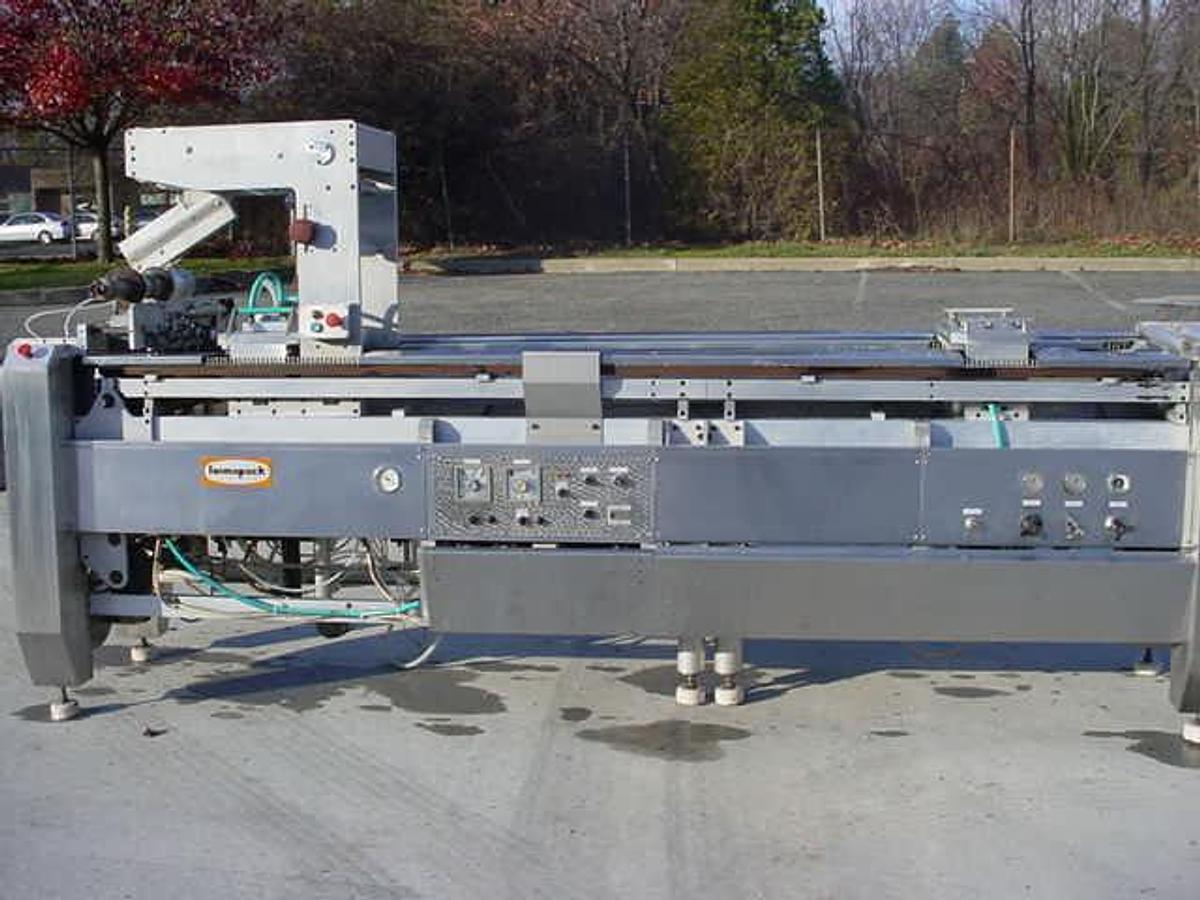
Formapack
Formapack offers packaging machinery for the food and consumer goods industries. They are known for their flexible packaging solutions that cater to various product types and sizes.
FAQ:
What types of packaging machinery does Formapack manufacture?
Formapack specializes in packaging machinery for the food and consumer goods industries, with a particular focus on flexible packaging solutions. Their equipment lineup includes thermoforming machines, vacuum packaging systems, modified atmosphere packaging (MAP) equipment, skin packaging machines, and tray sealers. This range of formats makes Formapack a versatile choice for processors who need to handle multiple product types or packaging styles within a single facility.
Thermoforming machines are among the most recognized Formapack products, used widely in food manufacturing to form, fill, and seal plastic film around products in a controlled environment. Vacuum packaging equipment is another core category, designed to extend shelf life by removing air from the package before sealing. Many Formapack machines can also be integrated with downstream equipment such as labeling systems, date coders, and conveyors, which makes them well-suited for high-throughput production lines that require end-to-end automation.
What industries use Formapack packaging equipment?
Formapack equipment is used most heavily in food processing, where the demand for reliable, hygienic, and flexible packaging is high. Common applications include the packaging of meat, poultry, seafood, cheese, deli products, and ready meals. These categories share a need for extended shelf life and airtight sealing, which aligns directly with Formapack's vacuum and thermoforming capabilities. The machines are built to handle the rigorous sanitation requirements and continuous production cycles typical of food manufacturing environments.
Beyond food processing, Formapack machinery also serves the broader consumer goods industry, where flexible packaging formats are used for non-food products that require protective or tamper-evident sealing. The brand's reputation for accommodating various product sizes and packaging formats has made it a recognized name among mid-to-large scale processors. Buyers sourcing used Formapack equipment should consider whether the specific model they are evaluating was configured for food-grade applications, as this can affect cleaning requirements, material compatibility, and compliance with food safety standards.
What should buyers know about purchasing used Formapack machinery?
Buying used Formapack packaging machinery is a practical way to access mid-to-high range industrial equipment at a lower capital cost than purchasing equivalent equipment through other channels. However, because used machines are sold as-is, the burden of due diligence falls on the buyer. This means thoroughly evaluating the machine's condition, age, hours of operation, and maintenance history before committing to a purchase. Selecting a dealer who specializes in packaging machinery and has an established track record is one of the most important steps a buyer can take to reduce risk.
Buyers should also contact Formapack or its authorized service network to understand what level of technical support, spare parts availability, and service documentation can be expected for the specific model and age of the machine being considered. Older models may have limited parts availability, which can affect long-term operating costs. Requesting an inspection, whether in person or via detailed video, is strongly recommended before finalizing any purchase. A reputable dealer will typically accommodate this and provide accurate documentation of the machine's current condition.
How does thermoforming packaging work, and what is Formapack's role in that process?
Thermoforming packaging is a process in which a flat sheet of plastic film is heated until it becomes pliable, then formed into a specific shape using a mold, filled with product, and sealed with a top film. The sealed package can then be cut into individual units. This method is widely used in food packaging because it creates a tight, consistent seal around the product, supports vacuum and modified atmosphere packaging, and can be run at high speeds on automated production lines. The result is a package that protects product integrity, extends shelf life, and presents well at retail.
Formapack thermoforming machines are designed to handle this full cycle, from film forming through filling and sealing to cutting. Their equipment supports multiple packaging formats within the thermoforming category, including standard vacuum packs and skin packs where the film conforms closely to the product's surface. For buyers evaluating a used Formapack thermoformer, it is worth confirming which film types and thicknesses the machine is configured to run, as tooling and settings vary by model and can affect compatibility with a buyer's existing film supply chain.
What is modified atmosphere packaging (MAP), and do Formapack machines support it?
Modified atmosphere packaging is a preservation technique in which the air inside a sealed package is replaced with a specific mixture of gases, typically some combination of carbon dioxide, nitrogen, and oxygen, to slow the growth of bacteria and extend product shelf life without the use of preservatives. MAP is used extensively in the packaging of fresh meat, poultry, seafood, cheese, and prepared foods. The gas mixture is tailored to the specific product being packaged, and the effectiveness of MAP depends on the quality of the seal and the precision of the gas flush process.
Formapack is recognized in the industry for producing equipment that supports MAP applications, and many of their thermoforming and tray sealing machines include gas flushing capability. When evaluating a used Formapack machine for MAP use, buyers should verify that the gas flushing system is functional and that the sealing components are in good condition, as any compromise in seal integrity undermines the MAP process. It is also worth confirming that the machine's controls are compatible with the gas ratios required for the buyer's specific product applications, since different food categories require different atmospheric profiles.
What is the typical price range for used Formapack packaging machines?
Formapack equipment is generally positioned in the mid-to-high range of the packaging machinery market, reflecting the industrial-grade construction and multi-format flexibility these machines offer. On the used market, pricing varies considerably depending on the machine type, age, condition, configuration, and included tooling. Entry-level used models or older machines with higher hours may be available at lower price points, while more recent models in good working condition with full tooling sets will command higher prices. Buyers should treat any listed price as a starting point and factor in inspection costs, shipping, rigging, and any refurbishment or parts replacement that may be needed.
Total cost of ownership is an important consideration when budgeting for used packaging equipment. Beyond the purchase price, buyers should account for installation, commissioning, operator training, ongoing maintenance, and spare parts. Contacting the manufacturer or an authorized service provider to get a realistic picture of parts availability and service costs for the specific model is a worthwhile step before finalizing a purchase. A machine with a lower asking price but limited parts availability or high service costs may prove more expensive over time than a higher-priced unit in better condition.
Can Formapack machines be integrated with other production line equipment?
Integration capability is one of the practical strengths of Formapack packaging machinery. Many models are designed to work in line with upstream and downstream equipment, including product loading conveyors, metal detectors, checkweighers, labeling systems, and date coding equipment. This makes Formapack machines a viable choice for processors looking to build or expand a semi-automated or fully automated packaging line rather than operating standalone equipment. The specific integration options available depend on the model, configuration, and any modifications made by previous owners.
When purchasing a used Formapack machine with integration in mind, buyers should request detailed specifications and, if possible, photos or video of the machine as it was installed in its previous production environment. This can reveal how the machine was configured, what upstream and downstream equipment it was connected to, and whether any custom modifications were made. It is also advisable to involve a packaging line integrator or the machine's service provider early in the planning process to confirm compatibility with existing equipment and identify any additional components or modifications that may be needed before the machine is operational.
What should buyers expect during the inspection process for used Formapack equipment?
Inspections are a standard part of purchasing used industrial packaging machinery, and reputable dealers will typically offer buyers the option to inspect equipment in person, via video call, or through detailed video footage of the machine. The goal is to give the buyer an accurate picture of the machine's current condition, including visible wear, the state of sealing components and tooling, the condition of electrical panels and controls, and any obvious mechanical issues. Some machines may still be installed and operational at a production facility, which can allow for a live demonstration under actual running conditions.
Buyers should keep in mind that most used equipment dealers do not have the permits or infrastructure to run full production tests with actual product. What a dealer can typically demonstrate is that the machine powers on, that mechanical systems cycle correctly, and that controls respond as expected. Testing with live product in a production environment is generally not possible until the machine is installed at the buyer's facility. For this reason, buyers should ask detailed questions about the machine's history, request any available maintenance records, and consider having an independent technician or packaging equipment specialist accompany them during an in-person inspection to assess condition more thoroughly.
How is used packaging machinery typically shipped, and what costs should buyers anticipate?
Shipping used packaging machinery involves more logistical planning than standard freight, particularly for larger thermoforming and vacuum packaging systems that may weigh several thousand pounds. Machines need to be properly secured, palletized, or crated to prevent damage during transit. The level of packaging required depends on the size and fragility of the equipment, and costs will vary accordingly. Heavier or more complex machines may require specialized rigging equipment for loading and unloading, which adds to the overall shipping cost. Buyers should ask dealers for a detailed breakdown of packaging, rigging, and freight charges before finalizing a purchase to understand the full landed cost.
For international shipments, buyers also need to account for customs duties, import taxes, and any compliance requirements that apply in the destination country. Freight terms, such as who is responsible for the machine once it leaves the seller's facility, should be clearly defined in the purchase agreement. It is generally advisable to arrange freight insurance for high-value equipment. Buyers who are unfamiliar with machinery shipping logistics may benefit from working with a freight broker who has experience handling industrial equipment, as they can help navigate carrier selection, documentation, and delivery coordination at the destination.
What payment terms are typical when buying used packaging machinery?
Most used equipment dealers require full payment before a machine is released for shipping. This is standard practice in the industry and reflects the logistical and financial risks involved in holding and shipping large industrial equipment. Payment is typically made by wire transfer, though some dealers may accept other forms of payment depending on the transaction size and the buyer's relationship with the dealer. Buyers who have an established purchasing history with a particular dealer may occasionally be offered alternative arrangements, but first-time buyers should generally expect to pay in full upfront.
Before sending payment, buyers should ensure they have completed their due diligence, including any inspections they intend to conduct, a review of the machine's specifications, and a clear understanding of what is included in the sale, such as tooling, manuals, and spare parts. It is also worth confirming the dealer's process for handling any discrepancies between the machine's described condition and what is received. Getting all terms in writing before payment is made is a basic but important step that protects both parties and reduces the potential for disputes after the transaction is complete.