Category
Manufacturer
Model
Forma Scientific
Forma Scientific specializes in laboratory equipment and environmental chambers for the pharmaceutical and biotech sectors. Their products are designed to maintain precise conditions for research and development.
FAQ:
What types of Forma Scientific laboratory equipment are commonly available on the used market?
Forma Scientific built a broad catalog of laboratory and environmental control equipment, and the most frequently traded units on the used market include CO2 incubators, ultra-low temperature (ULT) freezers rated to -80°C, water-jacketed incubators, biological safety cabinets, refrigerated centrifuges, and laboratory ovens. Environmental chambers designed to maintain precise humidity and temperature conditions for pharmaceutical and biotech research are also common finds. Because the brand was known for durability, many of these units remain in active lab service for 15 to 25 years, which means a healthy supply of well-maintained machines continues to circulate through the secondary market.
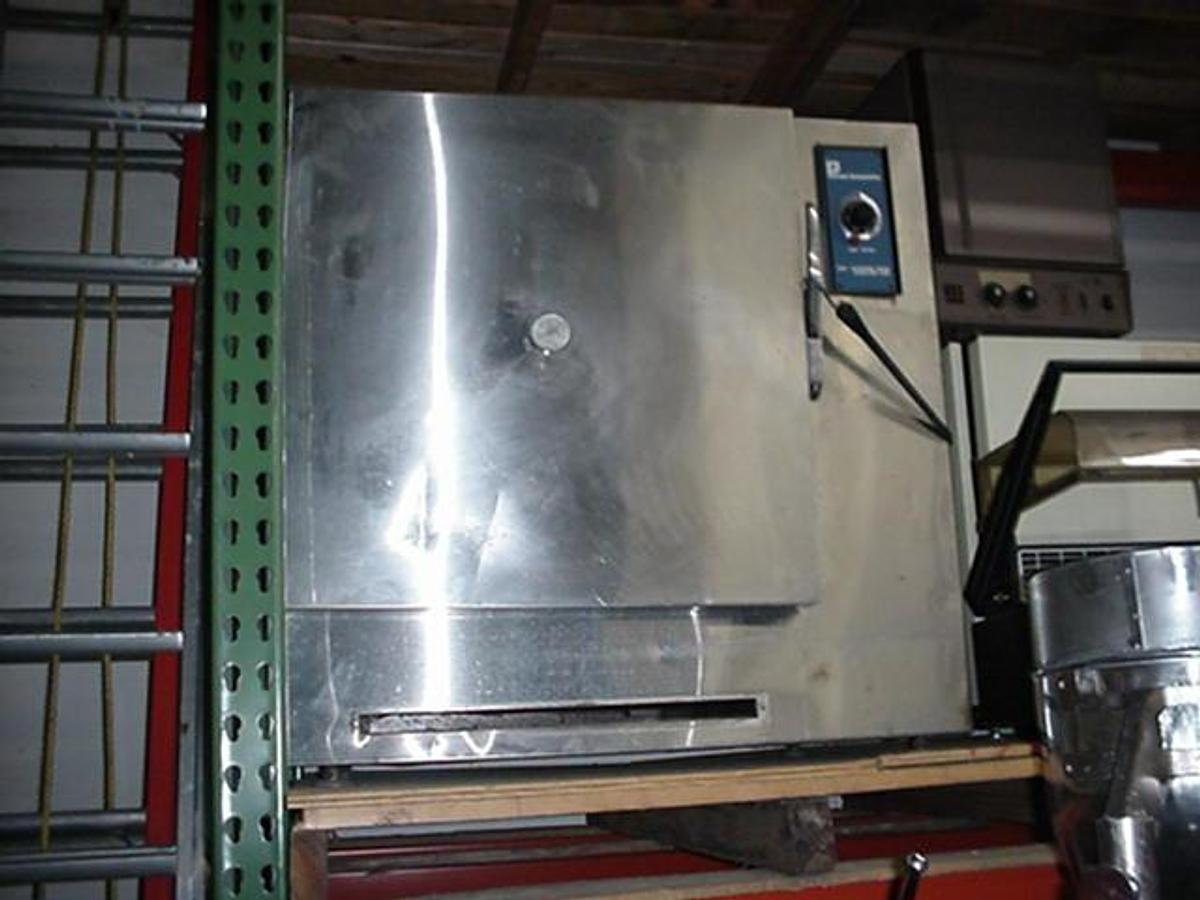
Buyers should pay attention to the specific model numbers when shopping, since Forma Scientific produced multiple generations of each product category and specifications can vary significantly between them. A Forma Scientific stainless electric oven, for example, differs considerably in capacity and temperature range depending on the series. Checking the nameplate data against published spec sheets, which are often still available through Thermo Fisher Scientific's documentation archives, is a practical way to confirm that a particular unit fits the intended application before committing to a purchase.
What happened to the Forma Scientific brand, and is equipment still being manufactured under that name?
Forma Scientific was an independent laboratory equipment manufacturer that built a strong reputation in the pharmaceutical, biotech, and clinical research sectors. The company was eventually acquired by Thermo Electron Corporation, which later merged with Fisher Scientific to become Thermo Fisher Scientific. As a result of that acquisition, the Forma Scientific brand was folded into Thermo Fisher's product lineup, and equipment is no longer produced under the standalone Forma Scientific name. Buyers shopping for used units will encounter both the older Forma Scientific branding and transitional units that carry Thermo Electron or early Thermo Fisher labeling, all of which share common engineering lineage.
This history is relevant for a few practical reasons. First, it explains why older Forma-branded machines can still receive manufacturer support: Thermo Fisher Scientific has continued to maintain documentation, spare parts availability, and service resources for many legacy Forma models. Second, it means buyers should verify which entity currently holds service responsibility for a specific model before purchasing, since support levels can vary depending on the age and series of the equipment. Contacting Thermo Fisher directly to ask about parts availability and technical documentation for a specific model number is a worthwhile step before finalizing any used equipment purchase.
Is used Forma Scientific equipment reliable enough for active laboratory use?
Forma Scientific equipment earned a reputation for mechanical durability and precise environmental control that has held up well over decades of lab use. CO2 incubators and ULT freezers from this brand are particularly well-regarded because their core components, including compressor systems, copper or stainless interior liners, and alarm electronics, were engineered for continuous operation in demanding research environments. Many units that were installed in the 1990s and early 2000s are still functioning within specification today, which is a meaningful indicator of build quality. That said, the reliability of any specific used unit depends heavily on how it was maintained, stored, and transported, so the condition of the individual machine matters as much as the brand reputation.
Buyers considering used Forma Scientific equipment should request a thorough inspection before purchase. Reputable used equipment dealers will typically accommodate in-person inspections, video walkthroughs, or recorded demonstrations of the machine operating. Key things to assess include temperature stability logs if available, the condition of door gaskets and seals, compressor noise and cycling behavior, and the integrity of any interior surfaces. For incubators and safety cabinets, HEPA filter condition and CO2 sensor calibration history are also worth asking about. Taking the time to evaluate these details gives buyers a realistic picture of what they are acquiring and what, if any, servicing may be needed before the unit goes back into production.
What is the typical price range for used Forma Scientific laboratory equipment?
Pricing for used Forma Scientific equipment varies widely depending on the product category, model, age, and physical condition. Entry-level items such as laboratory ovens or smaller incubators can sell for a few hundred to a couple of thousand dollars. Mid-range units like water-jacketed CO2 incubators in good working condition typically fall somewhere between $1,000 and $5,000 depending on capacity and included accessories. Ultra-low temperature freezers, which are among the most mechanically complex and expensive Forma Scientific products, often command prices from $2,000 on the low end for older or as-is units up to $8,000 or more for larger capacity models in solid working order. Biological safety cabinets occupy a similar range.
Beyond the sticker price, buyers should factor in the full landed cost of the equipment, which includes packaging, rigging, freight, and any site-specific unloading requirements. Larger and heavier units like ULT freezers may require specialized rigging equipment for loading and unloading, and that adds to the total cost. Asking the dealer for a detailed breakdown of all associated fees before agreeing to a purchase is the best way to avoid surprises. In many cases, even with shipping and any minor servicing costs included, used Forma Scientific equipment represents significant savings compared to purchasing equivalent current-production units.
Does used Forma Scientific equipment come with a warranty?
Manufacturer warranties are tied to the sale of equipment directly from the producing company and do not transfer through the secondary market. Used equipment dealers typically sell machinery on an as-is basis, which places the responsibility for evaluating condition squarely on the buyer. This is standard practice across the used laboratory equipment industry and is not specific to Forma Scientific products. Because of this, selecting a dealer with a verifiable track record in laboratory equipment and a willingness to support thorough pre-purchase inspections is one of the most important decisions a buyer can make.
Buyers should also consult directly with Thermo Fisher Scientific to understand what level of support is available for the specific Forma Scientific model they are considering. Age and model series affect parts availability and whether factory service technicians can still work on a given unit. Some older models may have limited parts availability, while others remain well-supported. Getting clarity on this before purchasing helps buyers realistically plan for maintenance costs and understand the long-term serviceability of the equipment they intend to acquire.
How do I inspect used Forma Scientific equipment before buying?
A thorough pre-purchase inspection is the single most effective way to reduce risk when buying used laboratory equipment. Reputable dealers will offer inspection options that include in-person visits to their facility, live video calls showing the equipment powered on and operating, or recorded video documentation of the machine going through its basic functions. For Forma Scientific environmental chambers and incubators, a meaningful inspection should cover temperature uniformity across the chamber interior, compressor operation, door seal integrity, alarm system function, and the condition of any interior surfaces for signs of corrosion, contamination, or physical damage. For ULT freezers, observing pull-down time and listening for unusual compressor behavior are useful indicators of mechanical health.
It is worth understanding that most used equipment dealers do not hold production permits and cannot run actual laboratory processes or validate equipment to GMP standards on their premises. The inspection is meant to give a realistic picture of the machine's current mechanical and functional state, not to replicate a full qualification protocol. Some equipment may still be installed at the facility where it was last used, in which case the dealer may be able to arrange an inspection at that location, potentially allowing the buyer to see the unit in its working environment. Buyers who have specific performance requirements should document those requirements in writing and confirm with the dealer what can and cannot be verified during the inspection process.
Are replacement parts still available for older Forma Scientific models?
Parts availability for Forma Scientific equipment is generally better than what buyers might expect for a brand that is no longer in active production. Because Thermo Fisher Scientific absorbed the Forma Scientific line, the company has maintained service documentation and continues to supply spare parts for a meaningful number of legacy models. Components like door gaskets, interior shelving, temperature sensors, CO2 sensors for incubators, and compressor-related parts are among the items that tend to remain available through Thermo Fisher's service network or through third-party laboratory equipment service companies that specialize in legacy systems.
That said, parts availability is not uniform across all models and all vintages. Older units from the 1980s or very early 1990s may have components that are no longer stocked, and sourcing them may require working with specialty repair shops that fabricate or source equivalent parts. Before purchasing a used Forma Scientific unit, especially one of significant age, it is worth contacting Thermo Fisher Scientific's service department with the model and serial number to ask specifically about parts availability and whether factory-trained technicians can still service that unit. This due diligence can prevent a situation where a buyer acquires a machine that cannot be economically repaired if a key component fails.
What certifications and compliance standards does Forma Scientific equipment meet?
Forma Scientific designed its laboratory equipment to meet the regulatory and safety standards relevant to pharmaceutical, biotech, and clinical research environments at the time of manufacture. CO2 incubators, biological safety cabinets, and ULT freezers from the Forma Scientific catalog were built to comply with standards from organizations including NSF International (particularly NSF/ANSI 49 for biological safety cabinets), UL electrical safety standards, and in many cases relevant ISO standards for laboratory equipment performance. Environmental chambers used in pharmaceutical applications were also designed with GMP-compatible features such as temperature uniformity documentation and alarm systems, which supported their use in regulated research and manufacturing environments.
Buyers purchasing used Forma Scientific equipment for use in regulated settings should be aware that compliance with current versions of these standards requires independent qualification and validation of the specific unit being purchased, regardless of what the equipment was certified to when it left the factory. Regulatory bodies expect laboratories to qualify equipment based on its current performance, not its historical certification status. This means buyers in GMP or GLP environments will typically need to conduct installation qualification (IQ), operational qualification (OQ), and in some cases performance qualification (PQ) on any used equipment before placing it into regulated use. Understanding this requirement upfront helps buyers plan appropriately and budget for any necessary qualification work.
What should buyers know about shipping used Forma Scientific equipment?
Shipping used laboratory equipment, particularly heavy or temperature-sensitive units like ULT freezers and large incubators, requires careful planning to prevent damage in transit. Proper packaging is critical, and the level of protection needed, ranging from basic palletization to full custom crating, will affect the shipping cost. Buyers should ask dealers specifically how the equipment will be packaged and whether the packaging approach is appropriate for the size and fragility of the unit. Larger Forma Scientific equipment like floor-standing biological safety cabinets or chest-style ULT freezers may require custom crating and specialized freight carriers rather than standard parcel or LTL shipping.
For heavy equipment, rigging costs for loading at the dealer's facility and unloading at the buyer's site can add meaningfully to the total cost of acquisition. Buyers should ask for a complete breakdown of packaging, rigging, and freight charges before finalizing a purchase so they understand the full landed cost. It is also worth confirming what equipment is available at the receiving site for unloading, since some units may require a loading dock, forklift, or pallet jack. Getting these logistics sorted out before the equipment ships prevents delays and reduces the risk of damage during the final delivery stage.
What payment terms are typical when purchasing used Forma Scientific equipment from a dealer?
The standard practice among used laboratory equipment dealers is to require full payment before the equipment is released for shipping. This applies broadly across the industry and is not unique to any particular product category or brand. The rationale is straightforward: once equipment leaves a dealer's facility, the ability to verify its condition and resolve disputes becomes significantly more complicated, so dealers protect themselves by collecting payment in full prior to shipment. Buyers should plan their purchasing process accordingly and factor in the time needed to process payment when coordinating shipping timelines.
Some dealers extend payment terms to customers with whom they have an established purchasing history, but this is the exception rather than the rule and is typically negotiated on a case-by-case basis. First-time buyers should expect to pay in full upfront. Common payment methods accepted by used equipment dealers include wire transfer, ACH, and in some cases credit cards, though credit card payments may carry a processing fee. Buyers should clarify accepted payment methods and any associated fees early in the purchasing conversation to avoid delays when it comes time to close the transaction.