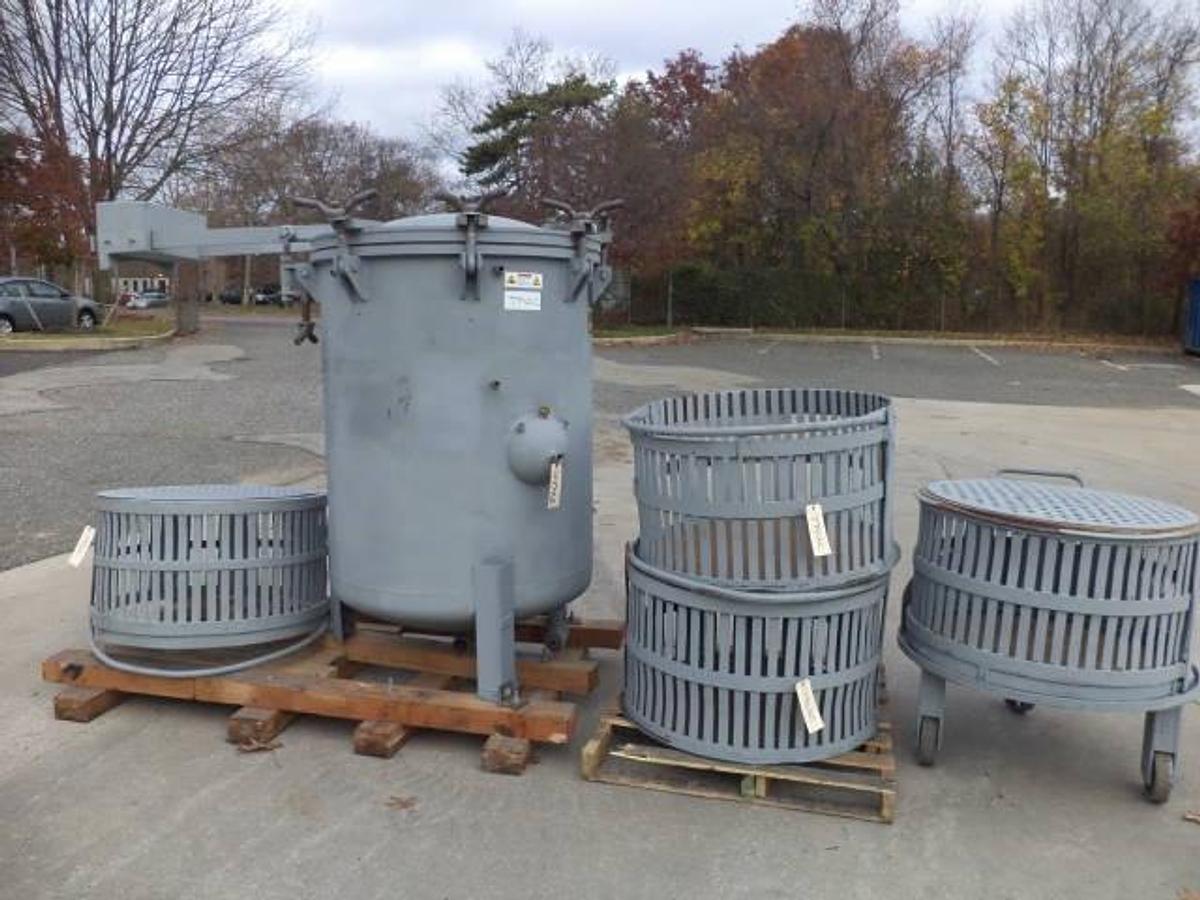
Category
Manufacturer
Model
Fmc
Fmc is a global leader in agricultural solutions, providing equipment and technology for food production. They are known for their innovative systems that enhance crop yield and sustainability.
FAQ:
What is FMC and what kinds of equipment did they manufacture?
FMC Corporation has a long history as a diversified industrial manufacturer, with divisions spanning food processing machinery, agricultural equipment, defense systems, and chemical production. In the food and beverage processing world, FMC built a strong reputation for producing retorts, fillers, pulpers, finishers, and conveying systems that became workhorses in canneries, packing plants, and large-scale food production facilities. Their equipment was known for durability and precision, which is a big reason why used FMC machines remain in demand decades after they were originally manufactured.
The FMC name also appears in connection with Syntron, a brand they acquired that specialized in vibratory feeding and conveying equipment. Syntron bowl feeders and vibratory conveyors are widely used in parts handling, packaging, and bulk material processing. Because FMC produced equipment across so many industrial categories, buyers searching for used FMC machines may encounter anything from vertical basket retorts and sterilizers to pulper/finisher systems, pea and bean fillers, and vibratory bowl feeders, each serving a very different production need.
What types of used FMC equipment are commonly available on the market?
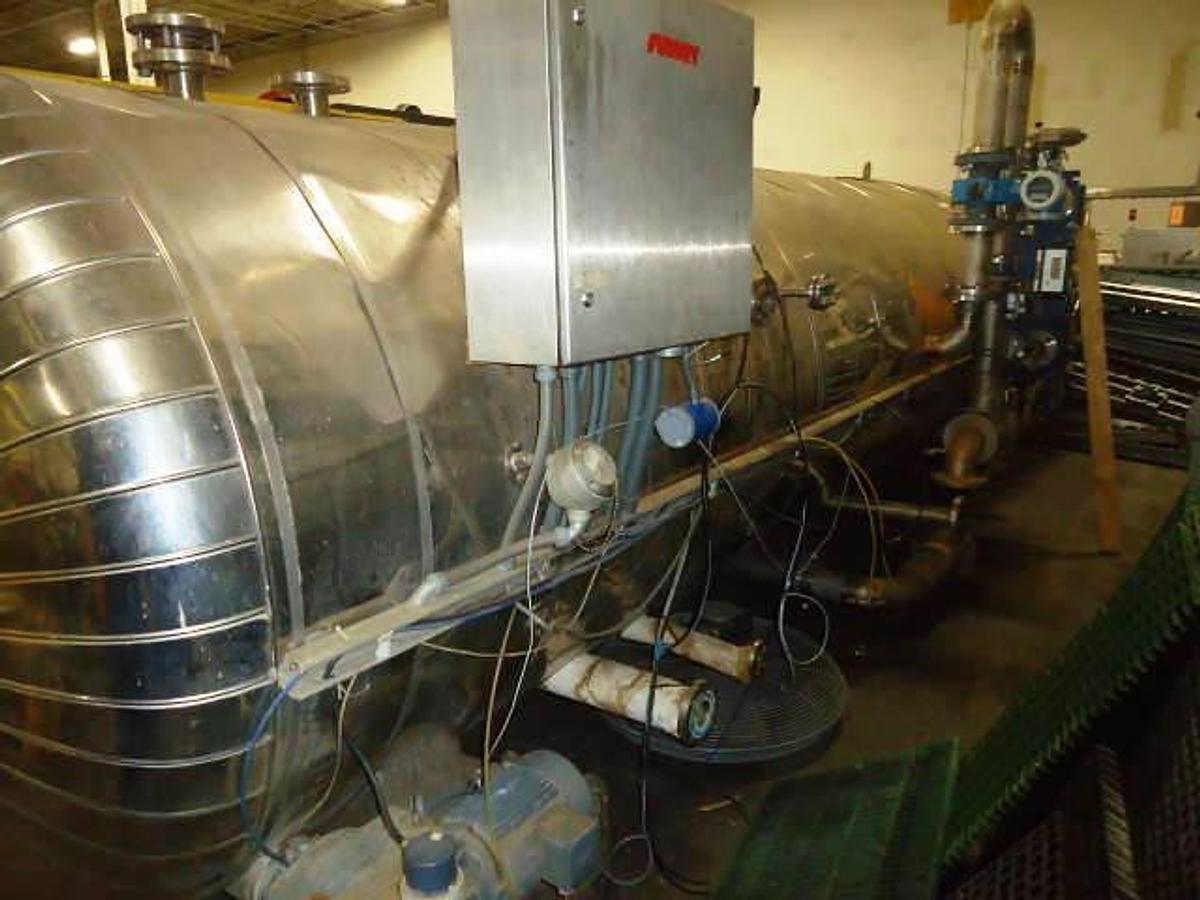
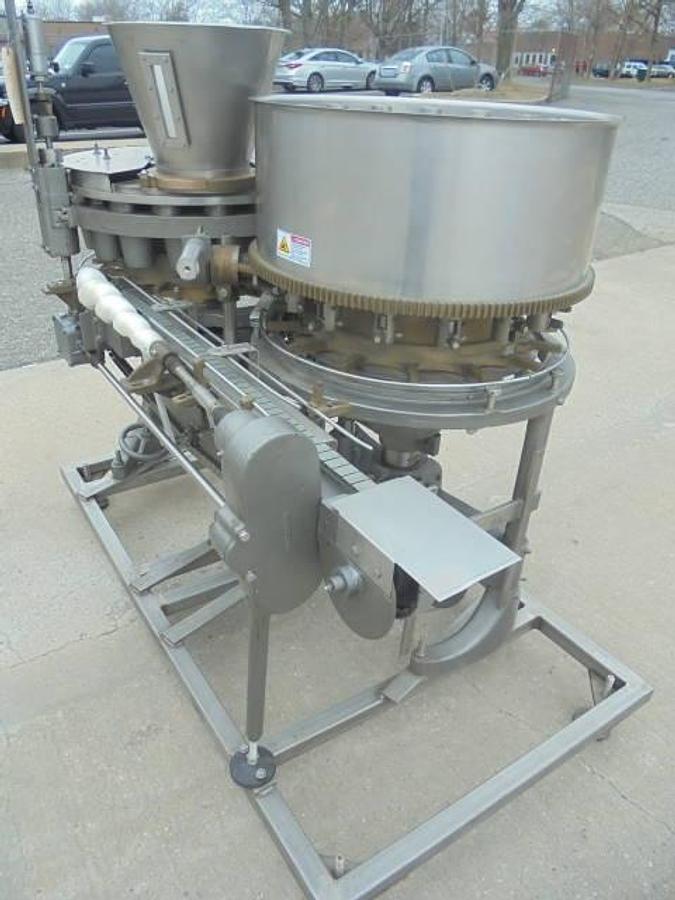
The used FMC equipment market tends to surface a fairly specific set of machine types that reflect the company's strongest product lines. Food processing equipment is among the most frequently listed, including retorts and sterilizers used for canning and thermal processing, pulpers and finishers for fruit and vegetable processing, and filling machines designed for high-volume packing of products like peas and beans. FMC retorts, for example, were built for continuous or batch sterilization and are still sought after by processors looking for reliable thermal processing capacity without the price tag of new equipment.
Beyond food processing, used FMC Syntron vibratory bowl feeders and related conveying equipment appear regularly in the market and are used across industries ranging from pharmaceuticals and electronics assembly to plastics and hardware manufacturing. These bowl feeders orient and feed small parts automatically, making them valuable in any production line that requires consistent, high-speed part delivery. Buyers should review available listings carefully and confirm the specific model, size, and configuration, since FMC produced many variants of each machine type and specifications can vary significantly from one unit to the next.
What should buyers know about purchasing used FMC equipment versus buying new machinery?
Buying used FMC equipment offers a meaningful cost advantage over purchasing comparable new machinery, and in many cases the machines available on the used market are overbuilt by modern standards, meaning they were manufactured to a level of mechanical robustness that translates into long service life when properly maintained. For processors or manufacturers working with tighter capital budgets, or those who need to bring capacity online quickly without waiting on new equipment lead times, the used market is a practical and well-established option. The trade-off is that buyers take on more responsibility for assessing the condition of the machine before purchase.
Unlike buying from a manufacturer, purchasing used equipment is typically done on an as-is basis. This means the buyer carries the burden of inspection and due diligence. Reputable used equipment dealers will facilitate in-person or video inspections so buyers can assess the machine's current condition, check for wear, and verify that major components are intact. It is also worth contacting FMC or the relevant successor company directly to understand what level of parts and technical support is available for a specific model, since older or discontinued machines may have limited manufacturer support. Selecting a dealer with a long track record in the specific equipment category is one of the most important steps a buyer can take to reduce risk.
How does the inspection process work when buying used FMC equipment?
Inspection is one of the most critical steps in any used equipment purchase, and most reputable dealers will offer buyers multiple ways to evaluate a machine before committing. In-person inspections are the gold standard, allowing a buyer or their technician to physically examine the equipment, check for corrosion, worn components, missing parts, and overall structural integrity. Some machines may still be installed and running at a production facility, in which case the dealer can typically coordinate access between the buyer and the plant owner for a live inspection. Seeing a machine under power, even briefly, provides a level of confidence that static inspection alone cannot match.
For buyers who cannot travel, many dealers offer video inspections or recorded walkthroughs that document the machine's condition in detail. While this is a reasonable alternative, buyers relying on video should ask specific questions and request footage of any areas of concern, including drive systems, seals, frames, and control panels. One important caveat: most used equipment dealers are not licensed food production facilities and cannot run actual product through a retort, filler, or pulper to demonstrate full production performance. Inspections are focused on mechanical condition rather than production output. Buyers should factor this limitation into their evaluation and, if possible, have an experienced technician review the footage or accompany them on-site.
What industries use FMC retorts and sterilizers, and what should buyers look for in a used unit?
FMC retorts and sterilizers are primarily used in food and beverage processing, specifically for the thermal processing of canned or packaged goods. Canneries processing vegetables, soups, sauces, pet food, and seafood have historically relied on retort technology to achieve the temperatures and pressures required for commercial sterilization. FMC was a major supplier to this segment, and their vertical basket retorts in particular were installed in large numbers across North American and international canning operations. Beyond food, retort-style pressure vessels are also used in certain pharmaceutical and chemical processing applications.
When evaluating a used FMC retort, buyers should pay close attention to the vessel's pressure rating and certifications, as retorts are pressure vessels subject to regulatory oversight in most jurisdictions. The condition of seals, gaskets, valve assemblies, and any instrumentation or controls should be carefully assessed. Baskets and internal fittings should be inspected for corrosion or deformation. Buyers should also verify whether the unit has been decommissioned or is still in active service, since a machine that has been sitting idle for an extended period may require more reconditioning work than one that was recently in production. Consulting with a qualified technician or boiler and pressure vessel inspector before finalizing a purchase is a sound practice.
What is an FMC Syntron bowl feeder and where is it used?
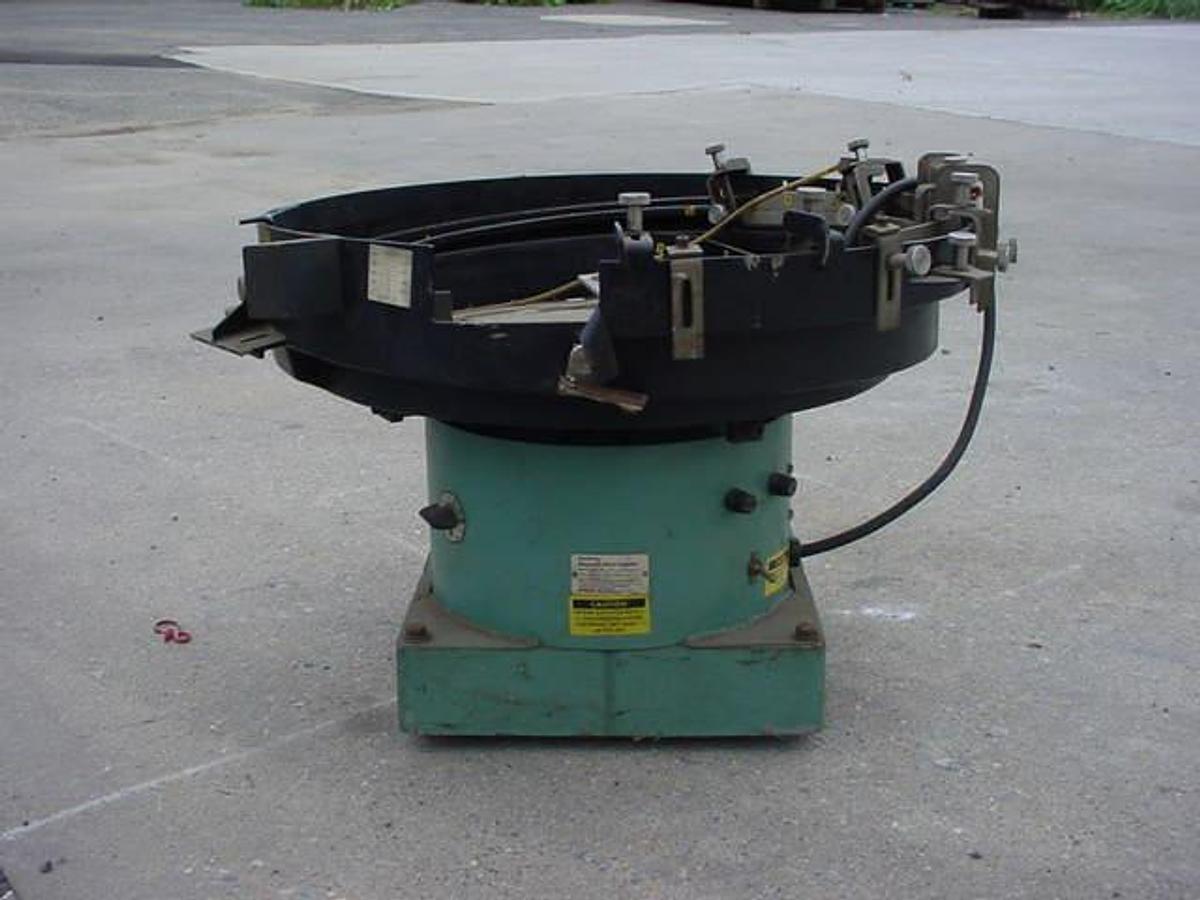
A Syntron vibratory bowl feeder is a type of parts-feeding equipment that uses controlled vibration to move, orient, and deliver small components along a track or chute at a consistent rate. The bowl itself is typically a round hopper with an internal spiral track, and the vibratory drive causes parts to climb the track and exit at a specific orientation, ready for the next stage of assembly or packaging. FMC acquired the Syntron brand and continued producing these feeders, which became standard equipment in many automated manufacturing environments.
Syntron bowl feeders are used across a wide range of industries, including electronics assembly, pharmaceutical packaging, plastics processing, hardware manufacturing, and food packaging. The specific bowl design and tooling are usually customized to the shape of the part being fed, so buyers of used bowl feeders should confirm that the bowl configuration matches their application or budget for retooling. Bowl diameter is a key specification, as larger bowls handle higher feed rates and larger parts. A used FMC Syntron 22-inch diameter bowl feeder, for example, is a mid-range unit suitable for many standard parts-feeding applications, but buyers should verify the drive unit's condition and confirm that the controller is functional before purchase.
What is a pulper/finisher and what role does it play in food processing?
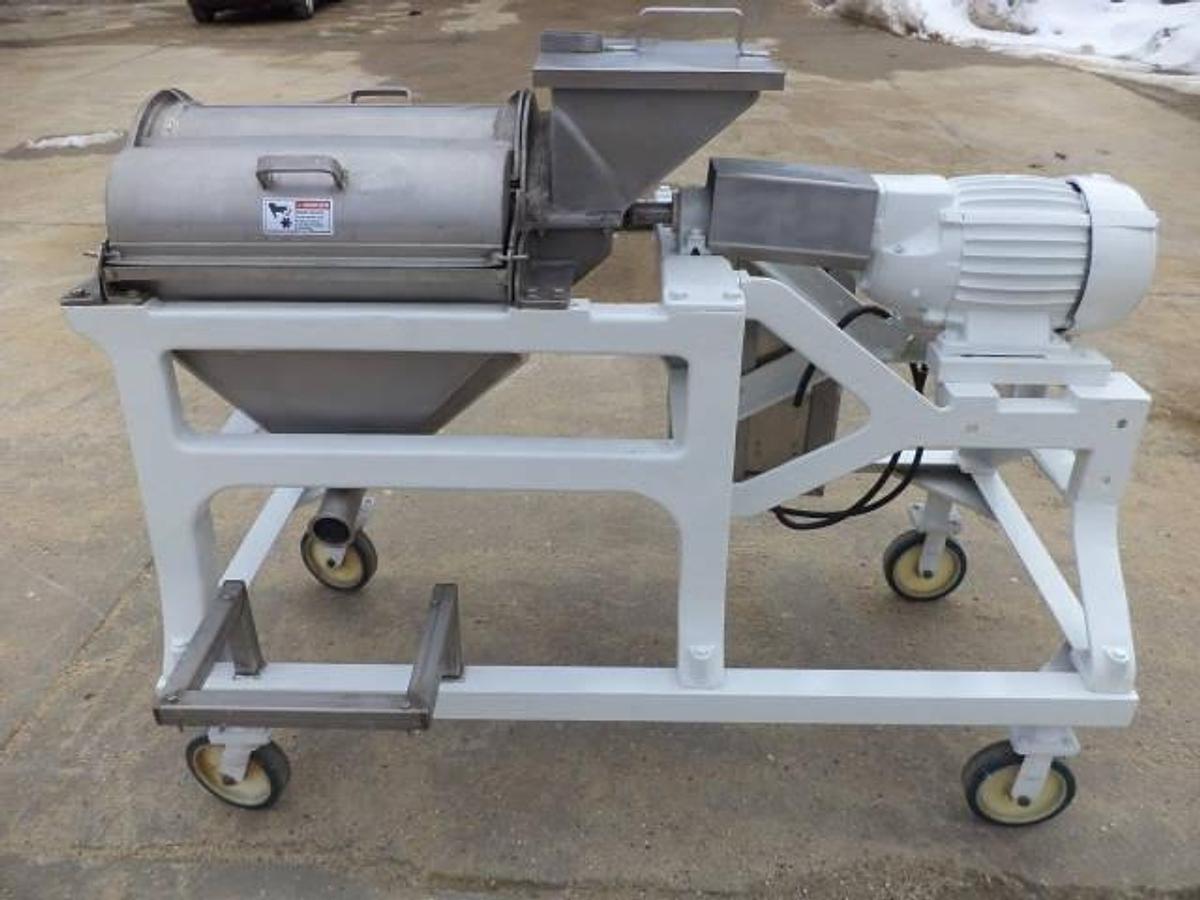
A pulper/finisher is a food processing machine designed to separate the usable pulp of fruits or vegetables from seeds, skins, stems, and other unwanted material. The process typically involves feeding raw or pre-cooked product into the machine, where a rotating paddle or beater forces the product through a screen. The pulp passes through the screen and is collected as the finished product, while the waste material is discharged separately. FMC manufactured pulper/finisher equipment that was widely used in the production of tomato products, fruit purees, baby food, and similar applications.
The finisher stage is essentially a refinement of the pulping step, using finer screens to further smooth and refine the texture of the pulp. In many production lines, a pulper and finisher are used in sequence, with the pulper doing the initial separation and the finisher polishing the output to the required consistency. Used FMC pulpers and finishers, such as the 50 series units, are sought after by processors who need proven, heavy-duty equipment for high-volume fruit and vegetable processing. Buyers should inspect the screen condition, paddle wear, and motor integrity, as these are the components most subject to wear in normal operation. Replacement screens are often available through aftermarket suppliers, which makes maintenance planning more straightforward.
Are parts and technical support available for used FMC food processing equipment?
Parts availability for used FMC equipment varies depending on the machine type, age, and model. FMC's food processing equipment business has changed hands over the years through various acquisitions and divestitures, so buyers should research which company currently holds the relevant product line and what level of support they offer. For some equipment categories, aftermarket parts suppliers have stepped in to fill gaps left by changes in manufacturer support, and these can be a practical source for wear items like screens, seals, paddles, and gaskets. For more complex components like drive assemblies or control systems, sourcing can require more effort.
Before purchasing a used FMC machine, it is worth reaching out directly to the current manufacturer or their authorized service network to ask specifically about parts availability and technical documentation for the model in question. Some older models may have limited or no manufacturer support remaining, which shifts the maintenance burden entirely to the buyer's in-house capabilities or third-party machine shops. This is not necessarily a deal-breaker for mechanically straightforward equipment, but it is an important factor in estimating the total cost of ownership. Buyers should also ask the selling dealer whether any spare parts, manuals, or documentation are included with the machine, as these can add real value to a used equipment purchase.
What are typical shipping and logistics considerations when buying used FMC equipment?
Shipping used industrial equipment like FMC retorts, pulpers, or filling machines involves more complexity than standard freight. These are heavy, often awkwardly shaped machines that require careful preparation before they can be safely transported. Depending on the machine's size and weight, packaging may range from basic palletization with protective wrapping to full custom crating. The level of packaging directly affects the cost, and buyers should ask the dealer specifically what packaging is included in any quoted price and what additional charges may apply for custom crating or skidding.
For larger equipment, professional rigging is typically required for both loading at the origin and unloading at the destination. Rigging costs can be significant and are usually quoted separately from freight, so buyers should request a fully itemized breakdown of all charges to understand the true landed cost of the equipment. Freight carriers for heavy machinery are specialized, and transit times can vary based on distance, carrier availability, and whether the shipment requires flatbed, enclosed, or specialized transport. Buyers should also verify that they have appropriate unloading equipment at their facility before the machine ships, since a large retort or filling machine arriving without a forklift or crane on site creates real logistical problems.
What payment terms are typical when purchasing used FMC equipment from a dealer?
The used industrial equipment industry generally operates on fairly straightforward payment terms. Most dealers require payment in full before a machine is released for shipping. This is standard practice across the industry and reflects the nature of used equipment transactions, where the dealer needs to confirm cleared funds before coordinating logistics and releasing inventory. Buyers should plan accordingly and factor in the time required for wire transfers or other payment methods to clear before expecting a ship date to be confirmed.
For buyers with an established purchasing relationship with a dealer, some flexibility on terms may be available, but this is typically extended only to repeat customers with a demonstrated track record. First-time buyers should expect to pay in full upfront. It is also worth clarifying what the payment process looks like if a machine is inspected and found to differ materially from its description, as this is a scenario worth discussing with the dealer before funds are transferred. Reputable dealers are generally transparent about machine condition and will work to ensure buyers have accurate information before payment is made.