Category
Manufacturer
Model
Fairchild
Fairchild specializes in manufacturing equipment for the aerospace and automotive industries, focusing on precision components and assembly systems. Their products are known for their quality and reliability, catering to the stringent requirements of these sectors. Fairchild’s commitment to innovation positions them as a leader in aerospace manufacturing solutions.
FAQ:
What types of Fairchild equipment are commonly available on the used market?
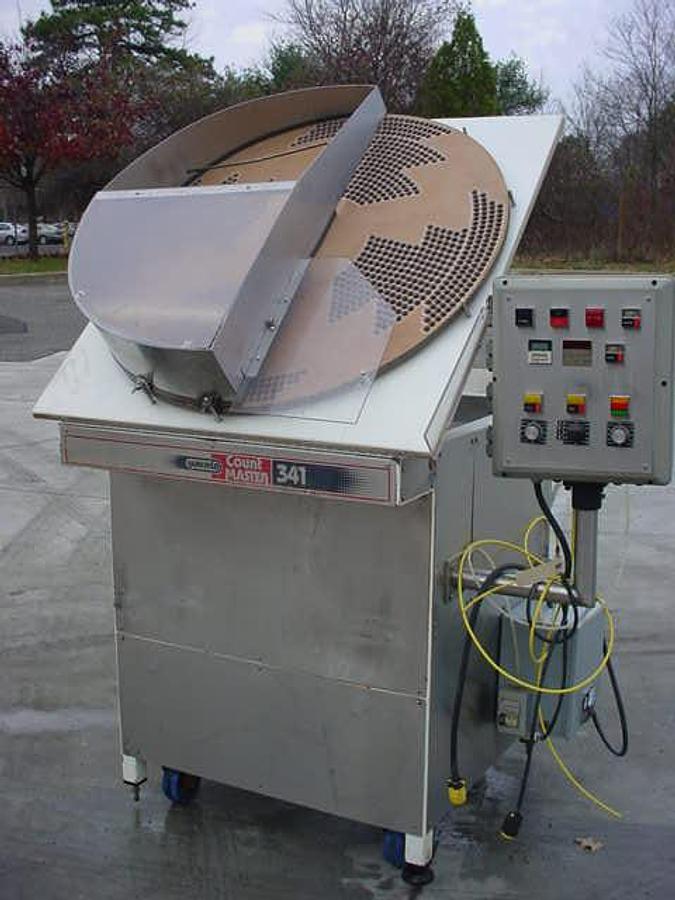
Fairchild produces equipment across several distinct product categories, and used units from most of these lines turn up regularly through industrial resellers. The most frequently traded items include precision pneumatic pressure regulators (such as the Model 10, Model 20, and Model 30 series), electro-pneumatic transducers (including the T5200 and T6000 series), and volume boosters used in process control systems. Beyond pneumatic and pressure control equipment, Fairchild also manufactures equipment for the aerospace and automotive industries, focusing on precision components and assembly systems. Specialty units like the Fairchild "Count-Master" 341 Tablet/Capsule Disc Type Counter-Filler also appear in the used market, reflecting the brand's reach into pharmaceutical and nutraceutical production environments.
Because Fairchild equipment is built to tight tolerances and is known for durability, used units are widely considered reliable when they have been properly maintained and inspected before resale. Buyers looking for specific models should search by series number and confirm that the unit's pressure range, signal type, and media compatibility match their application before purchasing. Used equipment dealers who specialize in industrial machinery are typically the best source for these units, as they are more likely to have accurate specifications on hand and can arrange inspections prior to sale.
What industries use Fairchild pneumatic and pressure control equipment?
Fairchild pneumatic regulators, transducers, and volume boosters are found across a wide range of process industries. Oil and gas, chemical processing, food and beverage, pharmaceuticals, pulp and paper, and general manufacturing are among the most common sectors that rely on Fairchild equipment for precise pressure management and signal conversion. The brand's reputation for accuracy and reliability under demanding conditions has made it a go-to choice in environments where process control tolerances are tight and equipment downtime is costly.
Beyond process industries, Fairchild also serves the aerospace and automotive sectors with precision components and assembly systems designed to meet the stringent quality requirements those industries demand. This cross-industry presence means that used Fairchild equipment surfaces from a variety of decommissioned facilities, giving buyers a reasonably broad selection to choose from on the secondary market. When sourcing used units, it helps to know the specific application requirements upfront, since Fairchild produces models configured for different pressure ranges, media types, and input/output signal specifications.
How do I verify that used Fairchild equipment is in proper working order before buying?
Verifying the condition of used Fairchild equipment before purchase is one of the most important steps a buyer can take, and reputable used machinery dealers typically offer several options to support that process. In-person inspections are the most thorough approach, allowing a buyer or their technician to examine the unit directly and assess physical condition, signs of wear, corrosion, or prior repair work. When travel is not practical, many dealers offer virtual inspections via video call or provide detailed video captures of the machine so buyers can evaluate its condition remotely. In some cases, equipment may still be installed and operating at the facility where it was decommissioned, which allows for observation during actual use.
It is worth noting that most used equipment dealers do not have the permitting or production infrastructure to run full functional tests with actual process media, so buyers should not expect a live production test in a dealer's warehouse. Instead, the focus of an inspection is typically on confirming the unit's physical integrity, completeness of components, and general working order. Buyers should also contact Fairchild directly to determine what level of technical support and parts availability exists for the specific model they are considering, since older units may have more limited manufacturer support. Choosing a dealer with a long track record of selling industrial machinery in the relevant equipment category adds an additional layer of confidence to the purchase.
Does used Fairchild equipment come with a warranty?
Used equipment is almost universally sold on an "as-is" basis by resellers, meaning no warranty is provided by the dealer. Warranties are typically offered only by the equipment's manufacturer, and that coverage generally applies to units purchased through authorized channels at the time of production. When a machine changes hands on the secondary market, manufacturer warranty coverage is not typically transferable, so buyers should not expect warranty protection when purchasing used Fairchild equipment from a reseller.
Because of this, the burden of inspection falls squarely on the buyer. Selecting a dealer with a strong reputation and a long history of selling industrial equipment in the relevant category is one of the most practical ways to reduce risk. Buyers should also consult with Fairchild directly to understand what parts and technical support are available for the specific model they are considering, since the availability of service support can vary based on a unit's age and model line. Arranging a thorough inspection before finalizing a purchase is the single most effective way to assess condition and make an informed buying decision.
What should I check before purchasing a used Fairchild pressure regulator or transducer?
Before committing to a used Fairchild pressure regulator or electro-pneumatic transducer, buyers should confirm several technical specifications to make sure the unit fits their application. Pressure range is the first thing to verify, since Fairchild produces regulators and transducers configured for different operating ranges, and using a unit outside its rated range can cause inaccurate performance or damage. Input and output signal types are equally important for transducers, as models in the T5200 and T6000 series, for example, are available in different electrical input configurations. Media compatibility is another consideration, particularly in chemical or food processing environments where the materials in contact with process fluid must meet specific standards.
Beyond technical specs, buyers should request as much information as possible about the unit's service history and prior application. Physical inspection, either in person or via video, should focus on the condition of ports, seals, and any visible internal components where accessible. It is also worth checking with Fairchild on parts availability for the specific model, since some older units may have limited support for replacement components. Working with a used equipment dealer who specializes in process control or industrial equipment and can provide accurate model documentation makes this due diligence considerably easier.
How does shipping work for used Fairchild equipment purchased from a reseller?
Shipping costs and logistics for used industrial equipment depend heavily on the size and weight of the unit, as well as the level of packaging required to prevent damage in transit. Smaller items like individual pressure regulators or transducers are typically palletized or boxed with appropriate cushioning, while larger assemblies or machines may require custom crating for safe transport. The cost of packaging, crating, and freight should be factored into the total landed cost of any purchase, and buyers should ask the dealer for a detailed breakdown of those charges before finalizing the transaction.
For heavier or bulkier Fairchild equipment, rigging may be required to safely load the unit onto a truck or freight carrier, which adds to the overall shipping expense. Buyers should clarify with the dealer whether rigging is included in any quoted shipping cost or billed separately. It is also worth confirming the carrier and transit method, particularly for sensitive precision equipment like transducers or regulators, where rough handling during shipping can affect calibration or internal components. Getting a clear picture of all shipping-related costs upfront avoids surprises when the invoice arrives.
What are the typical payment terms when buying used Fairchild equipment from a dealer?
Most used equipment dealers require payment in full before a machine is released for shipping. This is standard practice in the secondary industrial equipment market and applies to the majority of transactions, particularly for first-time buyers. Some dealers may extend payment terms to customers with whom they have an established purchasing history, but that flexibility is dealer-specific and not something buyers should count on without a prior relationship in place.
Buyers should clarify accepted payment methods early in the process, as dealers may have preferences or requirements around wire transfer, credit card, or other forms of payment. For higher-value purchases, it is reasonable to ask whether an escrow arrangement is possible, though not all dealers accommodate this. Understanding the full payment timeline, including when funds must clear before shipping is scheduled, helps buyers plan accordingly and avoid delays in receiving their equipment.
Are replacement parts available for older Fairchild equipment models?
Parts availability for older Fairchild equipment varies depending on the model and how long ago it was produced. For well-established product lines like the Model 10, 20, and 30 pressure regulators, replacement components have historically been available through Fairchild's distribution network, though availability for discontinued models can be less predictable. Buyers considering a used unit should contact Fairchild directly before purchasing to ask specifically about parts support for that model number, since the manufacturer is the most reliable source of information on what is currently stocked or can be ordered.
For models where manufacturer parts support has been reduced or discontinued, the secondary market sometimes offers a source of spare components, particularly when multiple units of the same model are being sold as a lot or when a facility decommissions an entire production line. In those cases, buyers occasionally purchase an additional unit as a parts source. It is also worth asking the selling dealer whether any spare parts or documentation, such as service manuals or calibration records, are included with the sale, as that information can be valuable for ongoing maintenance.
How do I find the right Fairchild model for a specific application?
Matching a Fairchild unit to a specific application starts with defining the key operating parameters. For pressure regulators, that means knowing the inlet pressure range, the required outlet pressure range, the flow capacity needed, and the type of media (air, gas, or other) the regulator will handle. For electro-pneumatic transducers, buyers need to know the input signal type (typically a current or voltage signal from a control system) and the required pneumatic output range. Fairchild's product documentation, including datasheets and application guides, provides the specification details needed to cross-reference models to those requirements.
For buyers sourcing used equipment, having those application parameters defined in advance makes it much easier to evaluate whether a specific used unit will work. A dealer who specializes in process control equipment should be able to help identify whether a listed unit matches a buyer's requirements based on the model number and available documentation. When in doubt, reaching out to Fairchild's technical support team with the model number can confirm whether a used unit is appropriate for a given application and whether any configuration limitations apply to that specific unit.
What makes Fairchild equipment a reputable choice in the used industrial equipment market?
Fairchild has built a long-standing reputation for producing precision pneumatic and pressure control equipment that holds up well over time. That durability is one of the main reasons used Fairchild units are considered viable purchases on the secondary market. Instruments like the Model 10, 20, and 30 pressure regulators and the T5200 and T6000 series transducers have been deployed in demanding industrial environments for decades, and many units that come off production lines are still mechanically sound and capable of continued service when properly inspected and maintained.
The brand's presence across a wide range of industries, from oil and gas to pharmaceuticals to aerospace, also means that used Fairchild equipment surfaces regularly through industrial auctions and specialty resellers, giving buyers reasonable access to specific models. That said, the condition of any used unit depends on how it was operated and maintained during its prior service life, which is why inspection before purchase is so important. Buyers who do their homework on specifications and condition, and who work with experienced dealers, are generally well-positioned to get reliable service from used Fairchild equipment.