Category
Manufacturer
Model
FAQ:
What types of used industrial equipment does Expert Industries manufacture?
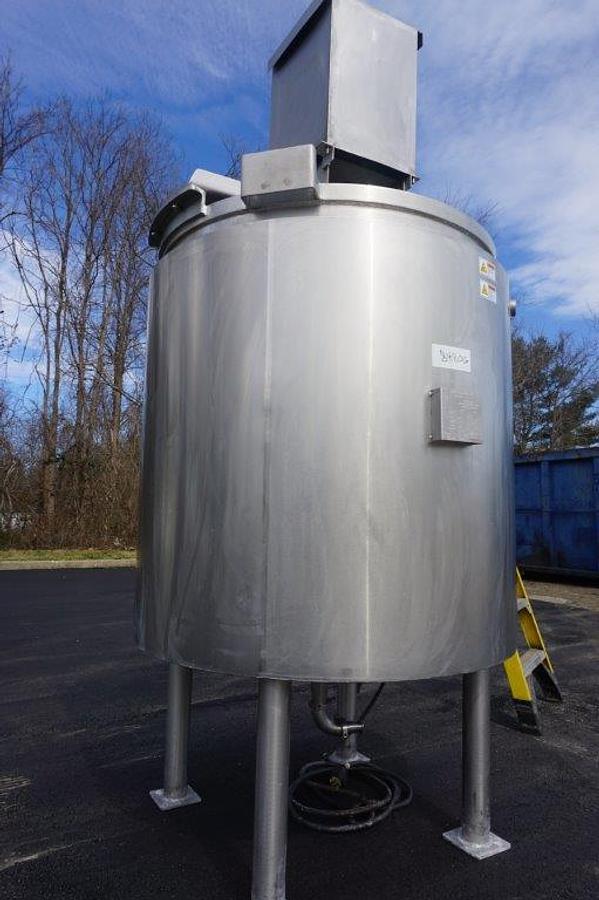
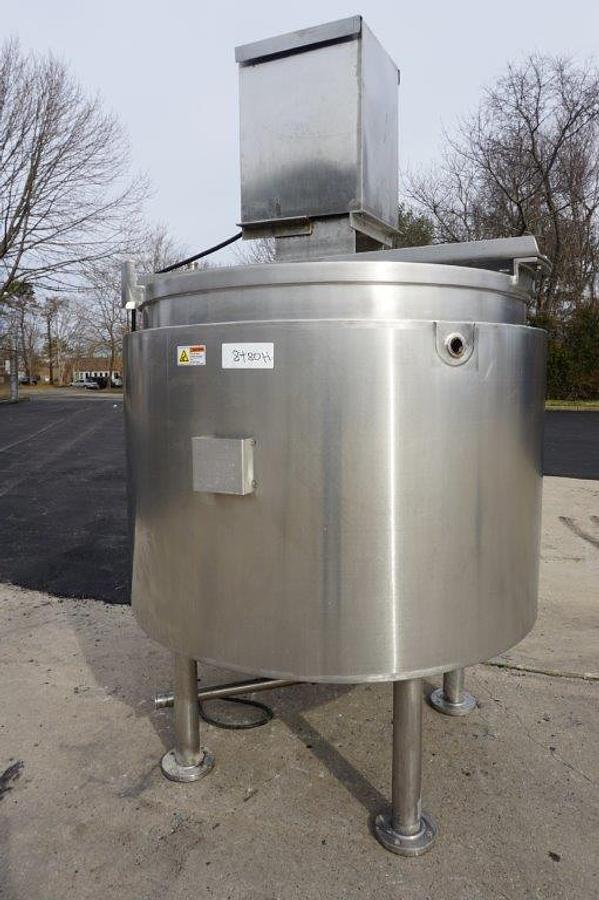
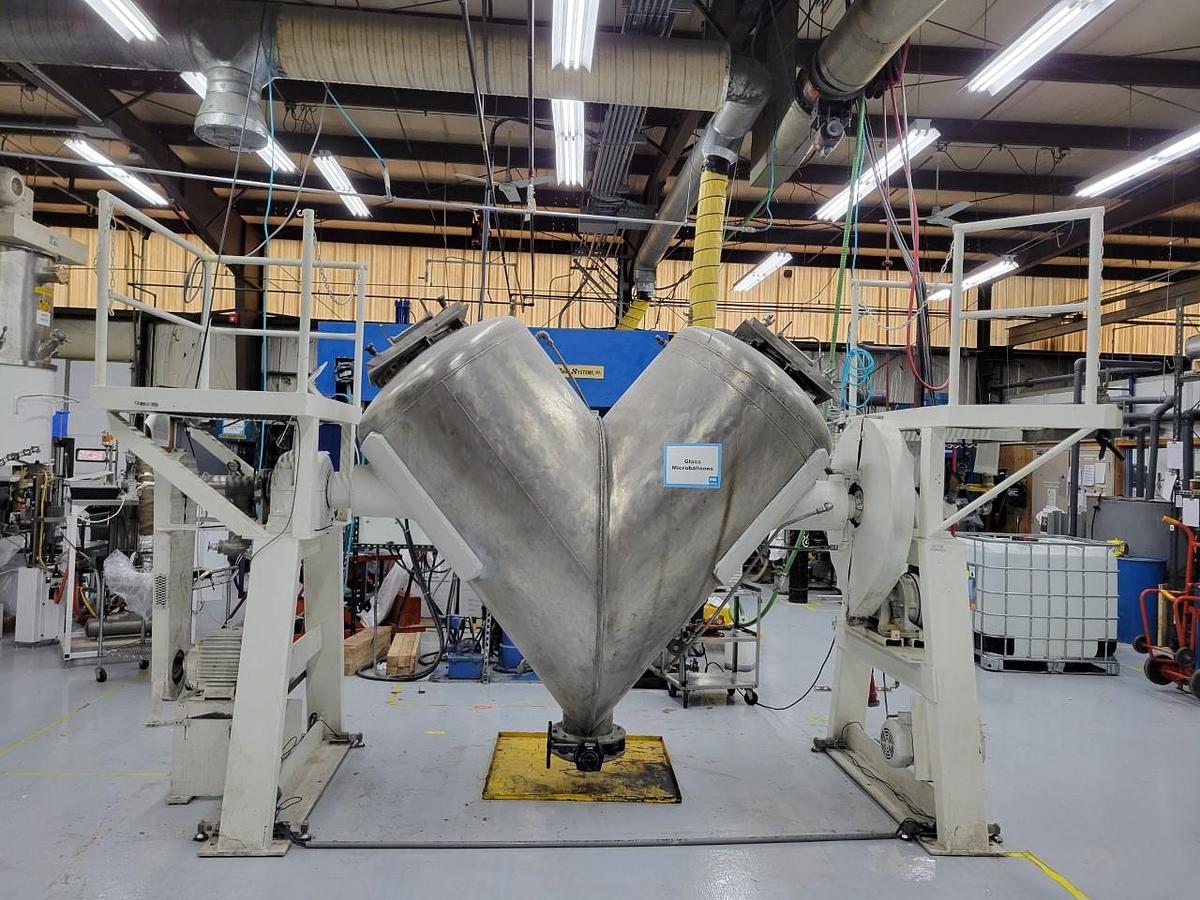
Expert Industries is known for producing stainless steel processing equipment used across food, pharmaceutical, chemical, and cosmetic manufacturing industries. Their product line includes agitated kettles and tanks, scraper agitated vessels, and twin shell V blenders, among other mixing and blending equipment. A common example found on the used market is their 316 stainless steel scraper agitated kettles, which are available in various capacities such as 350-gallon and 400-gallon configurations, often with jacketed designs rated for pressures like 45 PSI. Their twin shell V blenders, such as 75 cubic foot units with intensifier bars, are also widely traded on the secondary market.
Because Expert Industries equipment is built for demanding production environments, it tends to hold up well over time and remains functional for years after its initial installation. This durability makes used Expert Industries machinery a practical choice for manufacturers looking to expand capacity or replace aging equipment without the lead times associated with sourcing brand-new processing vessels. Buyers should verify the specific alloy grade, jacket rating, and any agitator or intensifier bar configuration when evaluating a particular unit, as these details directly affect compatibility with their process requirements.
What should I look for when buying a used agitated kettle or mixing tank?
When evaluating a used agitated kettle or mixing tank, the most important factors are the vessel material and grade, jacket pressure rating, agitator type and condition, and any signs of corrosion, pitting, or weld repairs on the interior surface. For stainless steel vessels, 316 SS is generally preferred over 304 SS in applications involving acidic or chloride-containing products because of its superior corrosion resistance. Jacket ratings matter because they determine what heating or cooling media can safely be used, and a vessel rated at 45 PSI, for example, may not be suitable for higher-pressure steam applications without re-certification.
Beyond the vessel itself, buyers should closely inspect the scraper blades, agitator shaft seals, drive motor, and any associated controls or instrumentation. Worn seals or a damaged agitator can add unexpected costs after purchase. Requesting photos or a video walkthrough of the interior and all mechanical components is a reasonable step before committing to a purchase. If possible, arranging an in-person or virtual inspection through the dealer is the most reliable way to assess actual condition. Used processing vessels are typically sold as-is, so doing thorough due diligence before the sale is far more effective than trying to resolve condition disputes afterward.
How does a used equipment dealer typically inspect industrial processing equipment before listing it for sale?
Reputable used industrial equipment dealers generally assess machinery through a combination of visual inspection, mechanical checks, and documentation review. For processing vessels like agitated kettles or V blenders, this typically involves examining the interior and exterior surfaces for corrosion or damage, verifying that mechanical components such as agitators, drives, and seals are intact, and confirming that any pressure ratings or certifications stamped on the vessel are legible and match the listing specifications. Some dealers also capture detailed photographs or video walkthroughs that document the machine's condition at the time of listing.
It is worth noting that most used equipment dealers do not operate licensed production facilities, which means they cannot run actual product trials or simulate full production conditions. Testing is generally limited to visual and mechanical inspection rather than live operational testing. This is standard practice across the industry and is not a reflection of a dealer's diligence. Buyers should take advantage of inspection opportunities offered by the dealer, whether in person or via video, and should ask specific questions about any components that are critical to their application. Consulting the equipment manufacturer directly about parts availability and support for a specific model and age of machine is also a smart step before finalizing a purchase.
What does it mean when used industrial equipment is sold "as-is"?
Selling equipment as-is means the seller makes no representations about the machine's condition beyond what is disclosed in the listing, and the buyer accepts the equipment in its current state at the time of sale. There is no coverage for defects discovered after delivery, and the responsibility for verifying condition falls entirely on the buyer prior to completing the transaction. This is the standard practice for used industrial equipment across the industry, regardless of dealer size or reputation. Warranties are typically only offered by original equipment manufacturers on new production, not by secondary market dealers.
Because of this structure, the inspection process becomes the buyer's primary tool for managing risk. Buyers should request as much documentation as possible, including photos, video, any available maintenance records, and details about how the machine was last used and for how long. Choosing a dealer with a long track record in the specific type of equipment being purchased adds a layer of confidence, since experienced specialists are more likely to accurately describe equipment condition and flag known issues. Buyers who skip the inspection step and rely solely on listing descriptions take on considerably more risk in an as-is transaction.
Can I inspect used industrial equipment before purchasing it?
Yes, inspections are a standard part of the used industrial equipment buying process and most reputable dealers actively accommodate them. Depending on where the equipment is located, inspections can be conducted in person at the dealer's facility, virtually through a live video call, or through pre-recorded video documentation of the machine. For equipment that is still in active production at a manufacturing facility, the dealer can often coordinate access between the buyer and the plant owner so the buyer can see the machine running in its actual environment. This type of in-plant inspection is particularly valuable because it provides direct evidence of the machine's operational status.
For equipment that has already been decommissioned and moved to a dealer's warehouse, in-person visits are typically straightforward to arrange. Buyers should come prepared with a checklist of the specific components they want to examine, including drive motors, seals, interior vessel surfaces, agitator condition, and any instrumentation. Keep in mind that dealers generally cannot run production batches during an inspection due to permitting and facility limitations, so testing is visual and mechanical rather than a full operational trial. Getting a thorough inspection on record before purchase is the single most effective way to avoid surprises after delivery.
How is shipping handled for large used industrial equipment like processing tanks and blenders?
Shipping large industrial equipment requires careful planning because these machines are heavy, often irregularly shaped, and sensitive to damage during transit. The process typically starts with proper packaging, which can range from basic palletization to full custom crating depending on the machine's size, fragility, and the distance it needs to travel. Heavier or more complex equipment like large agitated kettles or twin shell V blenders may also require professional rigging for loading at the origin point and unloading at the destination, which adds to the total landed cost. Buyers should ask the dealer specifically what packaging method will be used and whether rigging services are included or billed separately.
Freight costs for industrial equipment can vary significantly based on weight, dimensions, distance, and the type of carrier required. Oversized loads may need flatbed trucking or specialized heavy freight services rather than standard LTL shipping. It is always a good idea to get a full breakdown of all costs involved before finalizing the purchase, including packaging, rigging, freight, and any delivery charges at the destination. Understanding the complete landed cost upfront prevents budget surprises and allows for a more accurate comparison between different equipment options or sellers.
What payment terms are typical when buying used industrial equipment?
The standard practice in the used industrial equipment industry is for dealers to require full payment before the equipment is released for shipping. This applies to most transactions, particularly for first-time buyers. Some dealers extend payment terms or net arrangements to repeat customers with whom they have an established relationship, but this is at the dealer's discretion and not something buyers should assume will be available. Wire transfers are the most common payment method for larger transactions, though some dealers may accept other forms depending on the purchase amount.
Buyers who need financing to acquire equipment generally need to arrange that independently through a commercial lender, equipment leasing company, or their own banking relationship before approaching a dealer. Having financing pre-arranged also puts buyers in a stronger position to move quickly when a desirable piece of equipment becomes available, since used machines are often one-of-a-kind items that can sell quickly. It is always worth asking a dealer directly about payment flexibility, especially for higher-value purchases, as policies can vary from one seller to the next.
What is a twin shell V blender and what industries use them?
A twin shell V blender, sometimes called a V-cone blender, is a dry blending machine consisting of two cylindrical shells joined at an angle to form a V shape. As the vessel rotates, material tumbles and splits between the two chambers, creating a gentle but highly effective blending action. Many units are equipped with an intensifier bar, which is a high-speed rotating bar mounted inside the vessel that breaks up agglomerates and improves blending uniformity for fine or cohesive powders. Capacity is measured in cubic feet, and units like the 75 cubic foot configuration are considered mid-to-large scale for most production environments.
V blenders are widely used in pharmaceutical manufacturing for blending active ingredients and excipients, in food processing for dry mixes and seasoning blends, and in chemical and nutraceutical production. They are favored for applications where gentle handling of fragile or shear-sensitive materials is important, and where thorough homogeneity is required. Because stainless steel V blenders are built to last and are relatively straightforward to clean and validate, they retain strong demand on the used equipment market. Buyers evaluating a used unit should pay close attention to the condition of the shell interior, the intensifier bar and its bearings, the drive system, and the discharge valve.
How do I determine if used processing equipment is compatible with my production requirements?
Compatibility assessment starts with matching the equipment's specifications to your process parameters. For agitated kettles and tanks, the key variables include vessel capacity, material of construction (such as 316 SS for corrosion resistance), jacket pressure rating, agitator type, motor horsepower, and any heating or cooling connections. For blenders, you need to consider batch size relative to the vessel's working capacity, the type of materials being blended, and whether features like an intensifier bar are necessary for your product. Reviewing the full specification sheet for a listed machine and comparing it point by point against your process requirements is the most reliable starting point.
Beyond the specifications, buyers should also consider the machine's age and the availability of spare parts and technical support from the manufacturer. Older models may have limited parts availability, which can affect long-term maintenance costs and uptime. Contacting the equipment manufacturer directly to ask about support for a specific model number and approximate age is a practical step that many buyers overlook. A machine that fits your process specs but lacks available parts or manufacturer support can end up being a poor investment, even if the purchase price is attractive. Pairing thorough spec review with a parts availability check gives you a much clearer picture of the true value of a used piece of equipment.
Why do manufacturers and processors buy used industrial equipment instead of purchasing new machinery?
The most straightforward reason is cost. Used industrial equipment typically sells for a fraction of the price of a comparable machine purchased directly from a manufacturer, which can free up capital for other operational needs. For smaller manufacturers, contract processors, or companies scaling up production, acquiring used equipment makes it possible to add capacity or capabilities that would otherwise require a much larger capital commitment. The savings can be substantial, particularly for high-quality stainless steel processing equipment like agitated kettles or large-format blenders, which carry significant price tags when purchased through standard manufacturing channels.
Lead time is another major factor. Sourcing a machine through a used equipment dealer can put equipment on the floor in weeks rather than the months-long lead times that are common for custom-fabricated or made-to-order processing vessels. This matters a great deal when a manufacturer needs to respond quickly to new contracts, replace a failed machine, or expand a product line. Used equipment also tends to be available in a wide range of configurations and capacities, giving buyers more options to find a machine that closely matches their requirements without paying for custom engineering. For many operations, a well-maintained used machine performs identically to a newer one at a significantly lower total cost.