Category
Manufacturer
Model
Eugeng International
Eugeng International specializes in manufacturing equipment for the textile industry, focusing on machines that enhance production efficiency and quality. Their products include weaving machines and finishing equipment, which are essential for modern textile manufacturing. Eugeng’s innovative solutions help manufacturers improve their operations and product offerings.
FAQ:
What types of textile equipment does Eugeng International manufacture?
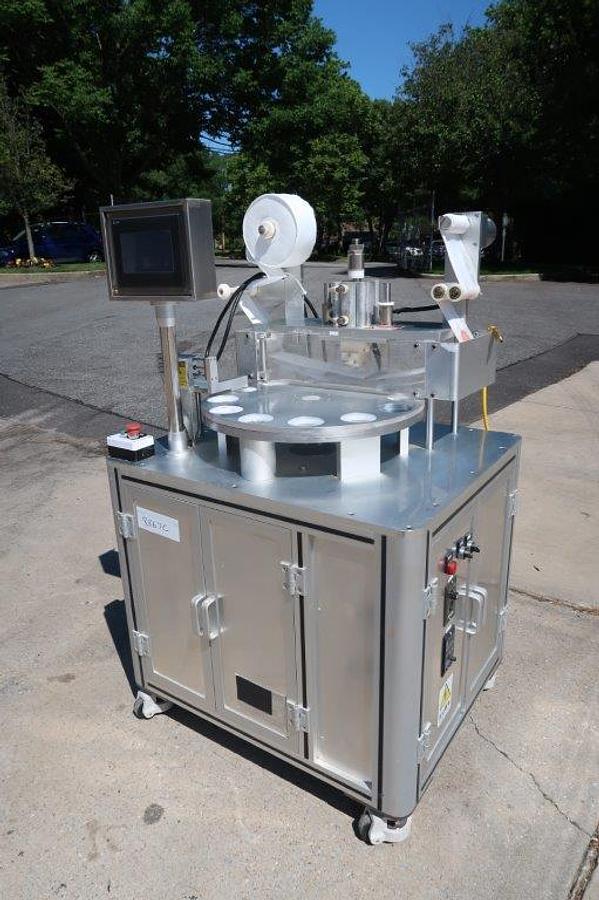
Eugeng International focuses on machinery for the textile industry, with a product range that covers weaving machines and finishing equipment. These categories address two of the most production-critical stages in textile manufacturing: the actual construction of fabric and the post-production processes that determine final quality, appearance, and durability. One specific machine in their lineup is the EGBP-01 Compact Rotary Powder Press, which reflects their focus on specialized finishing applications.
Beyond those core categories, industrial textile machinery from manufacturers like Eugeng typically spans a broader ecosystem that includes spinning, knitting, dyeing, and cutting equipment. Buyers sourcing used Eugeng machines should review detailed technical specifications for each listing, since model-to-model differences in speed, width capacity, power requirements, and automation level can significantly affect whether a given machine fits a particular production setup.
What should buyers know about purchasing used textile machinery versus buying directly from a manufacturer?
Buying used textile equipment means acquiring machines that have prior production history, which has real implications for price, condition, and support. The most significant difference is cost: used industrial textile machines typically sell at a substantial discount compared to their original purchase price, making them accessible to operations that could not otherwise afford high-capacity equipment. However, buyers take on more due diligence responsibility because the machines are sold as-is, without manufacturer warranties.
The practical steps that protect a buyer in the used market include requesting a full inspection before purchase, either in person or via video. Some machines may still be installed and running at a production facility, which gives buyers a rare opportunity to observe the equipment under real operating conditions. Buyers should also contact the original manufacturer directly to ask about parts availability and technical support for the specific model and age of machine they are considering, since older models may have limited service documentation or discontinued components.
How do buyers inspect used Eugeng International textile machines before purchasing?
Reputable used equipment dealers typically offer three inspection formats: in-person visits, live video calls, and pre-recorded video walkthroughs of the machine. Each option gives buyers a different level of detail. An in-person inspection allows a buyer or their technician to physically examine wear points, check electrical panels, review maintenance records, and run the machine if it is still connected to power. A live video inspection is a practical alternative for international buyers and can still reveal a great deal about the machine's condition when conducted by an experienced equipment specialist.
It is worth noting that most used equipment dealers do not have the permits or infrastructure to run full production tests on machinery, so testing is generally limited to powering the machine and observing mechanical function rather than producing finished textile product. Buyers who need production-level verification should try to arrange inspections at the original facility where the machine was in use, if that option is available through the dealer. Bringing a qualified textile machinery technician to any inspection, whether in person or remote, is strongly advisable before committing to a purchase.
Are used Eugeng International machines suitable for small textile businesses?
Used industrial textile machinery can be a practical path for smaller operations precisely because the secondary market offers equipment at a fraction of the cost of buying the same model through a distributor. A small weaving or finishing operation that cannot justify the capital outlay for a brand-new machine may find that a used Eugeng unit in good working condition meets their production needs at a manageable price point. The EGBP-01 Compact Rotary Powder Press, for example, uses the word 'compact' in its designation, which often signals a machine designed for lower-footprint or lower-volume environments.
That said, smaller businesses should factor in the full cost of ownership, not just the purchase price. Shipping, rigging, installation, any needed refurbishment, and the ongoing cost of spare parts all add to the total investment. Buyers should also honestly assess their in-house technical capacity to maintain the equipment, since used machines may require more frequent attention than newer ones. Consulting with a machinery technician who has experience with textile equipment before purchasing is a sound step for any buyer, but especially for smaller operations without a dedicated maintenance team.
What is the typical price range for used industrial textile machinery?
Pricing for used textile machinery varies enormously based on machine type, age, brand reputation, condition, and included accessories. Entry-level or compact finishing machines can sell in the low thousands of dollars, while high-capacity weaving systems or automated finishing lines from established manufacturers can reach tens of thousands or more. The used market generally prices equipment at anywhere from 20% to 60% of the equivalent machine's original purchase cost, though heavily worn or older machines may fall well below that range.
Buyers should treat any listed price as a starting point rather than a final landed cost. Freight, rigging for heavy equipment, customs duties for international shipments, and any refurbishment or parts replacement needed after delivery all affect the real cost of acquisition. Getting a detailed quote that breaks out each of those components before agreeing to purchase is the most reliable way to avoid surprises. Dealers who specialize in textile machinery are generally better positioned to provide accurate shipping and rigging estimates than general industrial equipment resellers.
What are the shipping and logistics considerations for buying used textile equipment?
Industrial textile machines range from compact benchtop units to large floor-standing systems that weigh several tons, and the logistics approach has to match the machine. Smaller equipment can often be palletized and shipped via standard freight carriers, while larger machines require custom crating, heavy-duty rigging for loading and unloading, and sometimes specialized flatbed or oversized freight services. Each of those steps adds cost, and buyers should request a complete breakdown of packaging, rigging, and freight charges before finalizing a purchase so they understand the full landed cost.
For international shipments, additional factors come into play including customs clearance, import duties, and compliance with the destination country's electrical and safety standards. Some machines may need voltage conversion or other modifications to operate correctly in a different country. Buyers should also confirm lead times, since arranging rigging, crating, and international freight for large machinery can take several weeks. Working with a dealer that has experience shipping textile equipment internationally reduces the risk of delays or damage in transit.
What payment terms should buyers expect when purchasing used textile machinery?
The standard practice among used industrial equipment dealers is to require payment in full before the machine is released for shipping. This protects the dealer from the logistical and financial complications of reversing a freight shipment on large, heavy equipment. For buyers, this means having financing or capital arranged in advance rather than expecting to negotiate extended terms at the point of sale. Some dealers may offer payment terms to repeat customers or established business relationships, but that is the exception rather than the rule in the used machinery market.
Buyers financing a used equipment purchase through a third-party lender should confirm that the lender is familiar with used industrial machinery transactions, since some lenders place restrictions on equipment age or require independent appraisals. Wire transfer is the most common payment method for large machinery transactions, particularly for cross-border purchases. Buyers should also confirm the dealer's process for transferring title and any documentation provided at the time of payment, such as a bill of sale, which may be needed for customs clearance or insurance purposes.
How important is parts availability when buying used Eugeng International equipment?
Parts availability is one of the most consequential factors in the long-term value of any used industrial machine. A textile machine that runs reliably is an asset; one that sits idle waiting for an unobtainable component becomes a liability quickly. Before purchasing a used Eugeng International machine, buyers should contact the manufacturer directly to ask which parts are stocked, which are made to order, and whether there are any components for that specific model that are no longer supported. The answers will vary by model age and production status.
Beyond the manufacturer, buyers should look into whether third-party suppliers or regional machinery service companies carry compatible components for the machine in question. For some widely used machine types like rotary presses or standard weaving frames, generic or aftermarket parts are often available through industrial supply channels. Buyers who operate in regions with active textile manufacturing industries may also find local technicians who have experience with similar equipment and can source parts through their own networks. Factoring parts lead times and costs into the purchase decision is as important as evaluating the machine's current condition.
What certifications should buyers look for when evaluating used textile machinery?
CE marking is the most commonly referenced certification for textile machinery sold into European markets, indicating that the machine met the safety and performance standards required for European Union compliance at the time it was manufactured. ISO certifications, particularly ISO 9001 for quality management systems, are often cited by manufacturers as indicators of consistent production standards. For buyers in other regions, local equivalents such as UL listing in North America or CCC certification in China may be relevant depending on where the equipment will be operated.
It is important to understand that certifications on used machinery reflect the standards the machine was built to, not necessarily its current condition. A machine that was CE-certified when manufactured may have been modified, repaired with non-standard parts, or simply aged in ways that affect its compliance status. Buyers with strict regulatory requirements, such as those operating in facilities subject to occupational safety inspections, should have a qualified technician evaluate whether the machine as currently configured meets applicable standards in their jurisdiction before putting it into production.
How should buyers evaluate a used equipment dealer before purchasing textile machinery?
The dealer's track record and specialization are the two most reliable indicators of a trustworthy transaction. A dealer with a long history of selling textile machinery specifically will have accumulated knowledge about the machines they list, established relationships with freight and rigging companies experienced in handling that equipment, and a reputation to protect within a relatively small industry community. General industrial resellers may offer lower prices but often lack the technical depth to accurately represent a machine's condition or assist with post-sale logistics.
Practical due diligence steps include checking for verifiable business history, looking for customer references or reviews from other textile industry buyers, and asking the dealer direct technical questions about the machine to gauge their familiarity with it. A dealer who can answer specific questions about a machine's maintenance history, known wear points, and operational quirks is demonstrably more knowledgeable than one who can only relay what is printed on a spec sheet. Buyers should also ask whether the dealer can facilitate an inspection, either in person or via video, and be cautious of any seller who resists or cannot accommodate that request.