Category
Manufacturer
Model
Enoveneta
Enoveneta is a manufacturer of wine production equipment, focusing on machinery for the fermentation and bottling processes. Their products are well-regarded in the wine industry for their precision and reliability, helping winemakers achieve high-quality results. Enoveneta’s commitment to innovation has made them a trusted partner for wineries around the world.
FAQ:
What types of wine production equipment does Enoveneta manufacture?
Enoveneta is an Italian manufacturer based in Gambellara, Vicenza, with decades of experience building machinery for winemaking and beverage processing. Their product range covers the full production cycle, including destemmer-crushers, pneumatic membrane presses, must pumps, filtration systems, bottling lines, and temperature control systems. Stainless steel construction is standard across most of their product lines, which supports food-grade compliance, straightforward sanitation, and a long operational lifespan under demanding winery conditions.
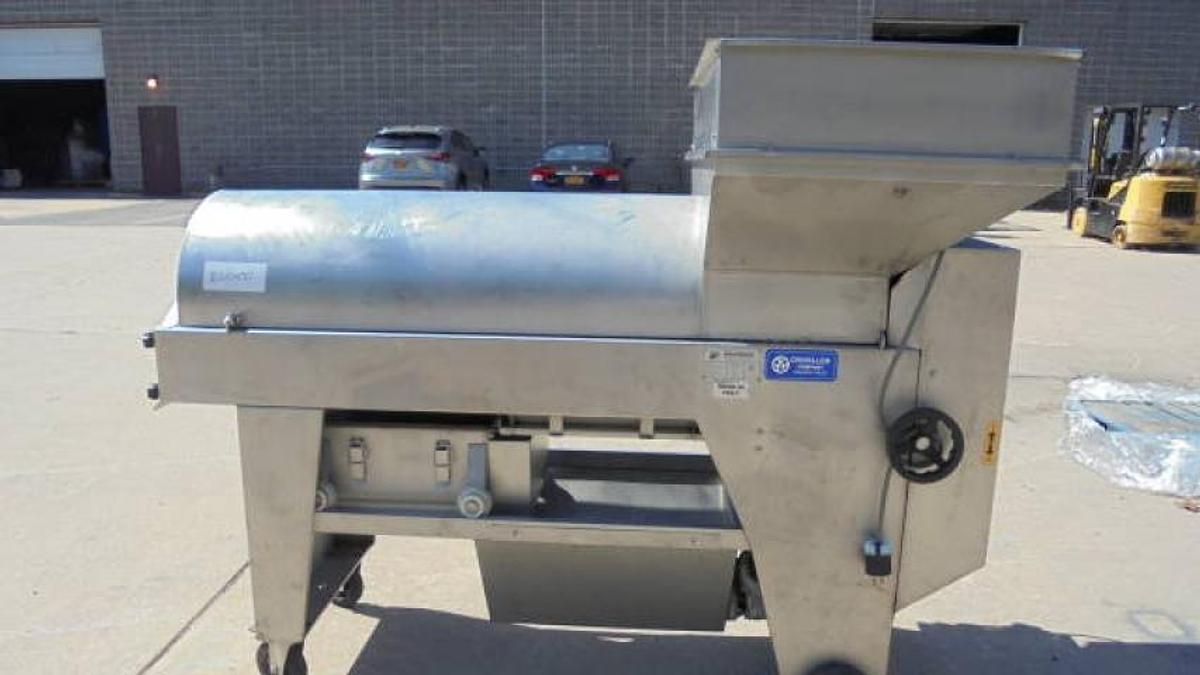
Among their most recognized products are pneumatic membrane presses, which are valued in the industry for the gentle pressing action that protects aromatic integrity and overall wine quality. Destemmer-crushers are another core product, designed to handle grape processing efficiently at the start of the production cycle. Because the range spans entry-level and high-capacity machines, Enoveneta equipment is found in operations ranging from small artisan producers to large commercial wineries across many countries.
What should buyers know about purchasing used Enoveneta equipment versus buying from the manufacturer?
Used Enoveneta machines are sold through specialized used equipment dealers rather than directly from the manufacturer. The key difference is that used equipment is sold as-is, meaning there is no manufacturer warranty attached to the transaction. This places the responsibility of due diligence squarely on the buyer. Choosing a dealer who has a long track record of selling winemaking or food processing machinery is important, since industry-specific expertise helps ensure the machines are accurately described and appropriately priced.
Buyers should also contact Enoveneta directly to understand what level of support is available for a specific model and production year, since parts availability and technical support can vary depending on how old the machine is. A reputable dealer will facilitate in-person or video inspections so buyers can assess the current condition of the equipment before committing to a purchase. Taking these steps reduces risk and gives buyers a clearer picture of what they are acquiring.
Is used Enoveneta equipment suitable for small or boutique wineries?
Used Enoveneta machinery can be a practical fit for small and boutique wineries, largely because it allows producers to access Italian-engineered equipment at a lower entry cost than purchasing equivalent machinery outright. Enoveneta builds machines across a wide capacity range, so there are models designed for lower-volume operations that do not require the throughput of a large commercial facility. For a small producer, a used destemmer-crusher or a compact pneumatic press from Enoveneta can deliver the same precision and stainless steel build quality that larger wineries rely on.
The main consideration for a boutique winery purchasing used equipment is making sure the machine's capacity and condition match actual production needs. A thorough inspection, whether conducted in person or via video, is especially important for smaller operations that may not have the resources to absorb unexpected repair costs. Consulting with the manufacturer about parts availability for the specific model being considered is also a smart step before finalizing any purchase.
How do pneumatic membrane presses from Enoveneta work, and why are they popular?
A pneumatic membrane press uses an inflatable rubber membrane inside a cylindrical drum to apply gentle, even pressure to grape must or whole clusters. As the membrane expands, it presses the fruit against a perforated cage, allowing juice to drain without excessive mechanical stress on the skins and seeds. This approach minimizes the extraction of harsh tannins and bitter phenolics, which is particularly valuable for white wine and rosé production where aromatic freshness is a priority.
Enoveneta's pneumatic presses have earned a strong reputation in the industry because the pressing cycle can be precisely controlled, allowing winemakers to separate juice fractions and maintain consistency across harvests. The stainless steel construction of the drum and frame makes cleaning straightforward and supports long service life. These characteristics explain why Enoveneta pneumatic presses are among the most sought-after models on the used equipment market, as a well-maintained press can continue delivering high-quality results for many years after its initial installation.
What is the typical price range for used Enoveneta wine production equipment?
Pricing for used Enoveneta equipment varies considerably depending on the machine type, capacity, age, and overall condition. Smaller pieces such as a used destemmer-crusher may be available at a fraction of the cost of comparable new machinery, while larger systems like multi-ton pneumatic presses or complete bottling lines represent a more significant investment. Condition is the single biggest variable: a machine that has been well-maintained and recently serviced will command a higher price than one that shows heavy wear or requires parts.
Because used equipment is sold as-is, buyers should factor in potential refurbishment or maintenance costs when evaluating the total price. It is also worth accounting for shipping, rigging, and any installation work, which can add meaningfully to the landed cost depending on the size of the machine and the buyer's location. Requesting a detailed quote from the dealer that breaks out all of these costs gives a more accurate picture of the true investment before making a decision.
How should buyers inspect used Enoveneta machinery before purchasing?
Inspections are a critical part of any used equipment purchase, and reputable dealers will typically offer buyers the option to inspect machinery in person, through a live video call, or via detailed video documentation of the machine. The goal is to get an honest, accurate picture of the equipment's current condition, including any visible wear, signs of prior repairs, or components that may need attention. For Enoveneta machines still installed at a production facility, it may be possible to arrange an in-person visit to see the equipment in its operating environment.
Buyers should keep in mind that most used equipment dealers do not have the permits or infrastructure to run actual production tests, so a functional test with real product is generally not possible at the dealer's location. Inspections focus on mechanical condition, structural integrity, and completeness of components. Buyers who are not familiar with winemaking equipment may want to bring in a winery equipment technician or consultant to evaluate the machine alongside them. This added expertise can catch potential issues that a general inspection might miss.
Are spare parts and replacement components available for used Enoveneta machines?
Parts availability for used Enoveneta equipment depends primarily on the age and model of the machine in question. Enoveneta, as an established Italian manufacturer, has maintained production over many years, and components for many models remain available through the manufacturer or authorized service channels. However, older or discontinued models may have limited parts support, which is why buyers are advised to contact Enoveneta directly before purchasing a used machine to confirm what is available for that specific model.
Common wear items such as press membranes, seals, and pump components tend to have better availability than specialized electronic or mechanical assemblies unique to a particular generation of equipment. Stainless steel structural components are generally long-lived and rarely need replacement under normal operating conditions. Understanding the parts situation before purchase helps buyers assess the long-term serviceability of the machine and avoid acquiring equipment that could become difficult to maintain.
What are the shipping and logistics considerations for used Enoveneta wine production equipment?
Shipping winemaking machinery requires careful planning, particularly for larger pieces like pneumatic presses or bottling lines that are heavy and dimensionally large. Proper palletization or custom crating is essential to prevent damage in transit, and the level of packaging required directly affects shipping costs. Buyers should ask the dealer for a detailed breakdown of packaging, rigging, and freight charges to understand the full landed cost before finalizing a purchase. Larger machines often require specialized rigging equipment for loading and unloading, which adds to the overall expense.
For international shipments, additional considerations include customs documentation, import duties, and compliance with the destination country's import regulations for used industrial machinery. Transit times vary based on origin, destination, and the shipping method selected. Buyers should clarify all of these logistics details with the dealer early in the process, since the total cost of getting the machine to its final location can be a meaningful portion of the overall investment, especially for heavy or oversized equipment.
What payment terms are typical when buying used Enoveneta equipment from a dealer?
Used equipment dealers generally require full payment before a machine is released for shipping. This is standard practice in the industry and applies to most transactions involving used winemaking machinery. Some dealers may extend different terms to repeat customers or buyers with an established relationship, but first-time buyers should expect to pay in full prior to shipment. Buyers should confirm the accepted payment methods and any associated fees with the dealer before proceeding.
Because payment is typically required upfront and the equipment is sold as-is, conducting a thorough inspection before committing is especially important. Once payment is made and the machine ships, the transaction is generally considered complete. Clarifying all terms in writing, including the condition of the equipment as described, packaging arrangements, and the scope of what is included with the machine, protects both parties and reduces the chance of disputes after the sale.
How does stainless steel construction affect the longevity and performance of Enoveneta equipment?
Stainless steel is the material of choice for winemaking equipment because it resists corrosion from acidic grape juice and wine, does not impart flavors or odors to the product, and can withstand the repeated cleaning and sanitization cycles that food and beverage production demands. Enoveneta uses stainless steel construction as a standard feature across most of its product lines, which contributes directly to the durability and long service life that these machines are known for. A well-maintained stainless steel press or crusher can remain in productive service for decades.
From a practical standpoint, stainless steel surfaces are also easier to inspect for wear or damage than painted or coated alternatives, which simplifies the evaluation process when buying used equipment. Buyers examining a used Enoveneta machine should look for any pitting, weld repairs, or surface damage that might indicate heavy use or prior exposure to harsh cleaning chemicals. Minor surface oxidation is common on older stainless equipment and does not necessarily affect function, but deeper corrosion or structural damage warrants closer scrutiny before purchase.