Category
Manufacturer
Model
Engineered Automation
Engineered Automation specializes in custom automation solutions for various industries, including automotive, aerospace, and consumer goods. Their offerings include robotic systems, assembly lines, and material handling equipment, all designed to enhance productivity and reduce operational costs. Engineered Automation’s expertise in tailored solutions sets them apart in the automation market.
FAQ:
What types of engineered automation equipment are typically available on the used market?
Used engineered automation equipment covers a wide range of machinery designed to automate repetitive or precision-intensive manufacturing tasks. Common categories include robotic assembly systems, multi-spindle cap tighteners and retorquers, conveyor and material handling lines, pick-and-place units, automated inspection systems, and custom-built assembly cells. Because engineered automation is often purpose-built for specific production environments, the used market tends to offer highly capable machines at a fraction of what comparable custom-built systems would cost to commission from scratch.
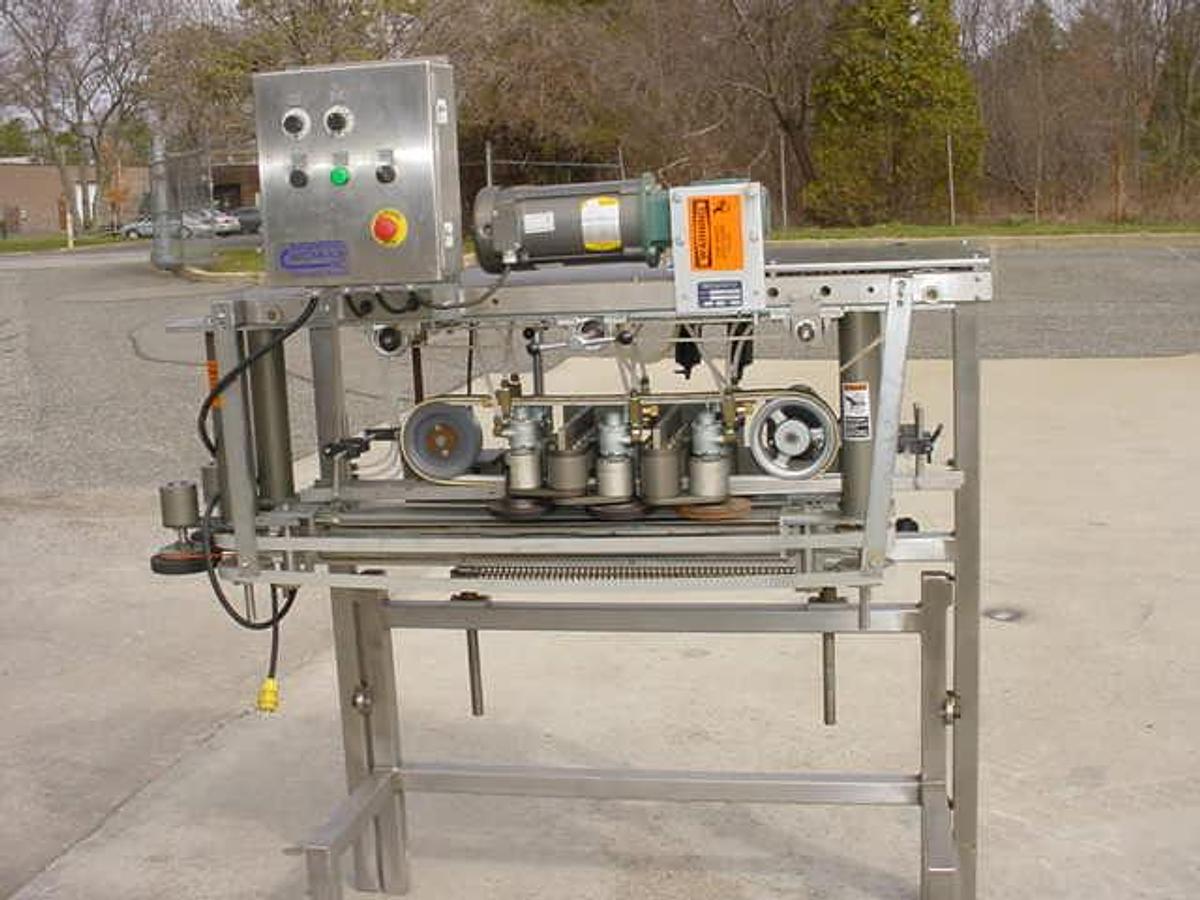
Buyers shopping for used engineered automation should pay close attention to the machine's original application. A six-spindle cap tightener, for example, is highly specific to bottling or capping lines in food, beverage, or pharmaceutical production. Understanding what the machine was originally built to do helps buyers assess fit for their own line without needing to invest in a fully custom build. Reputable used equipment dealers who specialize in automation machinery are the best source for this kind of application history and technical context.
What industries buy used engineered automation equipment most often?
The primary buyers of used engineered automation equipment are manufacturers in industries where repetitive, high-volume, or precision assembly tasks drive production. Automotive and aerospace manufacturers are historically heavy users of robotic systems and automated assembly lines. Food and beverage producers frequently seek capping, filling, and conveyor automation. Pharmaceutical and consumer goods companies rely on automated torque, inspection, and packaging systems to maintain consistency and meet regulatory standards.
Electronics manufacturing, logistics and distribution, and general industrial fabrication also represent strong demand segments. Because engineered automation systems are built to tight tolerances and often include programmable controls, they can frequently be adapted to a new application with relatively modest reconfiguration, which makes used equipment an attractive option across many sectors. Buyers should evaluate whether the machine's original specifications align closely enough with their own production requirements before purchasing.
How does buying used engineered automation equipment differ from buying a new custom-built system?
A custom-built engineered automation system is designed and fabricated to match a buyer's exact production specifications, which means lead times can stretch anywhere from 6 to 52 weeks depending on complexity. The purchase price also reflects engineering labor, custom components, and integration work. Buying a used engineered automation system sidesteps most of that timeline and cost, since the machine already exists and is available for inspection before purchase. The trade-off is that the equipment was built around someone else's production requirements, so buyers need to carefully evaluate how closely the machine's specs match their own application.
Used equipment is sold as-is, which places the burden of due diligence squarely on the buyer. That makes the inspection process especially important. Buyers should request detailed technical documentation, operational history if available, and either an in-person or video inspection of the machine before committing. Choosing a dealer who specializes in automation equipment rather than a generalist reseller adds an important layer of confidence, since a specialist can speak to the machine's capabilities and condition with greater accuracy.
What should buyers inspect before purchasing used engineered automation equipment?
A thorough inspection of used engineered automation equipment should cover mechanical condition, electrical and control systems, and any tooling or fixtures included with the machine. Mechanically, buyers should look for wear on drive components, actuators, and any tooling heads such as spindles or grippers. Electrical panels should be inspected for the condition of wiring, relays, and PLCs. If the machine uses a proprietary HMI or control platform, buyers should verify that the software and any associated licenses are transferable and that the control system is still supported.
Most reputable dealers will accommodate in-person inspections, virtual walkthroughs, or detailed video captures of the equipment in its current state. In some cases, the machine may still be installed and running at a production facility, which gives buyers the opportunity to see it operating under real conditions. Keep in mind that dealers typically cannot run production tests with actual product, as that requires production permits they don't hold. Buyers should also consult directly with the equipment manufacturer to understand what technical support, replacement parts, and documentation are available for the specific model and age of the machine.
Are spare parts and replacement components available for used engineered automation equipment?
Parts availability for used engineered automation equipment depends heavily on the age of the machine, the manufacturer's current product lineup, and whether the control platform has been superseded by a newer generation. For machines built around widely used PLC platforms from manufacturers like Allen-Bradley, Siemens, or Mitsubishi, finding replacement control components is generally straightforward. Mechanical components such as spindles, servo motors, and pneumatic actuators are often available through third-party suppliers even when the original manufacturer no longer stocks them.
Before purchasing, buyers should contact the equipment manufacturer directly to ask about parts availability and technical support for the specific model. Older or discontinued models may have limited factory support, which shifts maintenance responsibility to the buyer's internal engineering team or third-party automation integrators. This is a meaningful factor in the total cost of ownership calculation and should be weighed alongside the purchase price. A dealer with deep knowledge of the equipment category can often provide guidance on known parts challenges for specific machines.
What is the typical return on investment for used engineered automation equipment?
ROI calculations for used engineered automation equipment generally factor in labor savings, throughput gains, reduced scrap rates, and the purchase price relative to what a comparable custom-built system would cost. Because used equipment typically sells at a significant discount to the cost of a new custom build, the payback period is often considerably shorter. Manufacturers who can replace a manual assembly process with an automated system frequently see labor cost reductions that recover the equipment investment within one to three years, though this varies widely based on production volume and labor rates.
Buyers should also account for total cost of ownership beyond the sticker price. This includes shipping and rigging, any required reconfiguration or integration work, ongoing maintenance, and the cost of spare parts. Energy consumption is another variable worth evaluating, particularly for older machines with less efficient drive systems. A used machine with a lower purchase price but high maintenance demands may deliver a less favorable ROI than a slightly more expensive unit in better condition. Getting a clear picture of the machine's service history and current mechanical condition during the inspection process directly informs this analysis.
How does integration with existing production systems work for used engineered automation equipment?
Integration capability is one of the most important technical factors when evaluating used engineered automation equipment. Most modern production environments rely on PLCs, SCADA systems, or ERP platforms to coordinate equipment across the line. A used machine's ability to communicate with these systems depends on the control architecture it was built with. Machines using current-generation PLC platforms and standard industrial communication protocols such as EtherNet/IP, Profibus, or Modbus are generally easier to integrate than older machines with proprietary or legacy control systems.
Buyers should request full electrical and controls documentation from the dealer before purchase. Understanding what the machine's existing control system can and cannot do helps buyers estimate the engineering effort required to bring it into their production environment. In some cases, a controls upgrade may be necessary to achieve full integration, which adds to the overall project cost but also extends the useful life of the equipment. Automation integrators who specialize in retrofitting and controls upgrades can assess this during or after the inspection phase.
What are the shipping and rigging considerations for used engineered automation equipment?
Shipping used engineered automation equipment involves more logistics complexity than shipping standard palletized goods. Larger machines require professional rigging for loading and unloading, which typically involves forklifts, cranes, or specialized lifting equipment depending on the machine's weight and footprint. These rigging services are usually arranged and billed separately from the freight itself, and buyers should request a detailed breakdown of all associated costs before finalizing a purchase to understand the full landed cost of the equipment.
Packaging and crating requirements also vary based on machine size, fragility, and shipping distance. Smaller tabletop automation units may ship on standard pallets with protective wrapping, while larger systems often require custom wooden crates or skids to prevent damage in transit. Some dealers handle crating in-house while others use third-party packaging services. Buyers should ask the dealer specifically what packaging is included in the quoted price and what additional preparation may be required. Getting clarity on these details upfront avoids unexpected costs and helps ensure the equipment arrives in the same condition it was inspected in.
What payment terms should buyers expect when purchasing used engineered automation equipment?
Payment practices in the used machinery industry are fairly standardized. Most dealers require payment in full before the equipment is released for shipping. This protects the seller against non-payment on large-ticket items that are difficult to resell quickly once packaged and staged for freight. Wire transfer is the most common payment method for transactions of this size, though some dealers also accept certified checks or other verified payment instruments.
Buyers who have an established purchasing history with a particular dealer may occasionally be offered extended payment terms, but this is the exception rather than the rule for first-time transactions. Buyers should also be aware that some dealers require a deposit to hold equipment while an inspection is being arranged, with the balance due prior to shipment. Clarifying payment expectations early in the negotiation process avoids delays once a purchase decision is made.
How should buyers evaluate a used engineered automation dealer before making a purchase?
The reputation and specialization of the dealer matter significantly when buying used engineered automation equipment, since these machines are sold as-is and the buyer assumes responsibility for condition after purchase. Buyers should look for dealers with a documented track record in automation and industrial machinery, not generalist resellers who handle everything from office furniture to factory equipment. A specialist dealer is more likely to have accurate technical knowledge about the machines they carry, to provide meaningful inspection support, and to represent the equipment's condition honestly.
Practical indicators of a reputable dealer include detailed machine listings with specifications and photographs, willingness to accommodate in-person or video inspections, transparency about the machine's history and current condition, and clear communication about shipping, packaging, and payment terms. Buyers should also check how long the dealer has been operating and whether they have verifiable references or a history of transactions in the automation space. Taking the time to vet the dealer is one of the most effective ways to reduce risk in a used equipment purchase where no manufacturer warranty applies.