Category
Manufacturer
Model
Emura Food Machine
Emura Food Machine specializes in food processing equipment, particularly for the production of noodles and other staple foods. Their machines are known for their efficiency and ability to maintain product quality, catering to both small-scale and large-scale manufacturers. Emura’s commitment to innovation ensures that they remain a key player in the food manufacturing industry.
FAQ:
What types of food processing equipment does Emura manufacture?
Emura Food Machine is a manufacturer that specializes in food processing equipment, with a particular focus on noodle production and other staple food manufacturing. Their product line is designed to serve both small-scale operations and large industrial manufacturers, making them a versatile option across different production volumes. The brand is recognized for building machines that maintain consistent product quality while operating efficiently across long production runs.
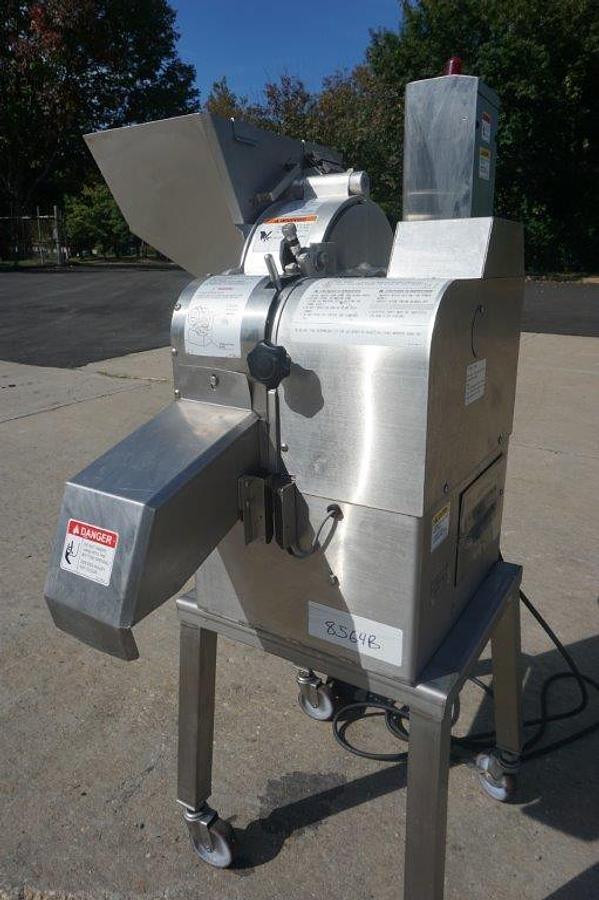
Beyond noodle-making equipment, Emura also produces food cutting and portioning machinery. One example is their dicer and slicer, which is built on casters for mobility within a facility. This kind of equipment is commonly used in food processing plants that need to portion vegetables, proteins, or other ingredients at scale, where manual cutting would be impractical. Emura's focus on both staple food production and food prep machinery positions them as a multi-category supplier to the food manufacturing industry.
What should I know before buying a used Emura food processing machine?
Buying a used Emura machine is meaningfully different from purchasing directly from a manufacturer. Used machines are sold as-is, which means the condition, age, and operational history of the equipment vary from unit to unit. Before committing to a purchase, buyers should research the specific model they are considering, verify that parts are still available for that model, and contact Emura directly to understand what level of technical support they can expect given the machine's age.
One of the most important steps is to inspect the machine before buying. Reputable used equipment dealers will typically offer in-person inspections, video walkthroughs, or recorded footage of the machine so buyers can assess its current condition. If the machine is still installed at a production facility, it may even be possible to view it in operation. Buyers should also ask detailed questions about the machine's maintenance history, any repairs that have been made, and whether all original components are present. Taking these steps reduces the risk of surprises after the machine arrives.
How do I inspect a used Emura machine before purchasing?
Used equipment dealers handling Emura machines will generally offer several inspection options. In-person inspections allow a buyer or their technician to physically examine the machine, check wear on critical components, and assess overall condition. For buyers who cannot travel, many dealers provide video inspections or send recorded footage showing the machine from multiple angles, including mechanical and electrical components. In cases where the equipment is still installed at a food production facility, it may be possible to observe the machine running as part of an active production line.
It is worth understanding that most used equipment dealers do not have the permitting or infrastructure to run actual food production during an inspection. What they can typically demonstrate is that the machine powers on, that moving parts operate correctly, and that there are no obvious signs of damage or excessive wear. Buyers with specific technical concerns should consider sending a qualified technician to conduct the inspection, or at minimum, prepare a detailed list of questions to ask the dealer before finalizing the purchase. Getting a clear picture of the machine's working order ahead of time is the most reliable way to make a confident buying decision.
What are the shipping and logistics considerations when buying a used Emura food machine?
Food processing machinery from Emura, particularly larger units like industrial dicers and slicers, requires careful handling during transit. Packaging requirements will depend on the size and weight of the specific machine. Smaller units may be palletized, while larger or heavier equipment often needs custom crating to prevent damage in transit. Buyers should ask the dealer upfront about what packaging is included in the quoted price and what additional costs might apply for more protective crating.
For heavy machinery, rigging is typically required for both loading at the origin and unloading at the destination. This involves specialized equipment and labor to safely move the machine, and it is usually an added cost on top of freight charges. Buyers should request a full breakdown of shipping costs, including packaging, rigging, and freight, to understand the total landed cost before agreeing to a purchase. Failing to account for these costs can result in unexpected expenses that significantly change the economics of the deal.
What payment terms are typical when purchasing used Emura equipment?
The standard practice among used food equipment dealers is to require full payment before a machine is released for shipping. This applies to most buyers, particularly those making a first-time purchase from a given dealer. The rationale is straightforward: once a machine ships, the dealer has limited recourse if payment issues arise, so collecting payment in advance protects both parties by establishing clear terms before the transaction is completed.
Some dealers do extend payment terms to repeat customers with an established purchasing history, but this is not the norm for first-time buyers. Buyers should ask about accepted payment methods, wire transfer requirements, and whether any escrow arrangements are available for higher-value purchases. Understanding the payment process before making an offer helps avoid delays once a deal is agreed upon, since machines in demand can sometimes sell quickly and a slow payment process can result in losing the equipment to another buyer.
What is an Emura dicer and slicer used for in food production?
A dicer and slicer is a piece of food processing equipment designed to cut food products into uniform pieces at high volume and consistent dimensions. In a commercial or industrial food production setting, this type of machine handles tasks that would be impractical to perform manually at scale. Common applications include portioning vegetables, fruits, proteins, and other ingredients into cubes, slices, or strips of a specific size, which is critical for products where visual consistency and even cooking times matter.
Emura's dicer and slicer model is built on casters, which makes it mobile within a production facility. This is a practical design feature for operations where equipment needs to be repositioned based on production schedules or floor layout changes. The machine is suited for food manufacturers, processors, and commercial kitchens that require repeatable cutting results across large quantities of product. When evaluating a used unit, buyers should pay close attention to the condition of the cutting blades and any adjustable components, as these parts directly affect the quality of the output and are subject to wear over time.
How does Emura food processing equipment compare to other brands in the same category?
Emura Food Machine has built its reputation primarily around noodle production and staple food processing equipment. Within that niche, the brand is recognized for machines that balance efficiency with consistent output quality, which is why their equipment appears in both smaller manufacturing operations and larger-scale production facilities. Compared to some European or Japanese food equipment manufacturers, Emura tends to be associated with practical, production-focused designs rather than highly specialized or bespoke machinery.
For buyers comparing used Emura equipment against other brands, the most relevant factors are parts availability, manufacturer support for older models, and the specific production requirements of the buyer's facility. A machine from a well-known brand is only as useful as the support ecosystem around it. Contacting Emura directly to ask about parts availability and technical support for a specific model and serial number is a smart step before committing to a purchase. Buyers should also consider the age of the machine, since older models may have limited parts availability regardless of the brand.
Are used Emura machines a good fit for small-scale food manufacturers?
Emura designs equipment for both small-scale and large-scale food manufacturers, so the brand does produce machinery that can be appropriate for smaller operations. That said, the right fit depends heavily on the specific machine in question. Industrial-grade food processing equipment, even from a manufacturer that serves smaller producers, is built for continuous production use and may be oversized or over-engineered for a very low-volume operation. Buyers should evaluate the machine's throughput capacity against their actual production needs before purchasing.
For small food manufacturers, buying used Emura equipment can be a cost-effective way to access commercial-grade machinery that would be significantly more expensive to purchase through other channels. The key is doing thorough due diligence on the specific unit, including its condition, compatibility with the buyer's facility setup, and the availability of any replacement parts that might be needed over time. Smaller operations may also want to factor in whether they have staff with the technical knowledge to maintain and troubleshoot the equipment, since professional servicing for specialized food machinery can be an ongoing cost.
What role does Emura play in noodle production equipment?
Emura Food Machine has a recognized presence in the noodle manufacturing segment of the food processing industry. Noodle production involves several distinct mechanical stages, including mixing, sheeting, cutting, and in some cases drying or steaming, and manufacturers in this space need equipment that can handle each stage reliably while maintaining the texture and consistency that define the finished product. Emura's machines are designed with these requirements in mind, which is why they are used by producers making noodles and similar staple foods at commercial scale.
For food manufacturers looking to enter the noodle production market or expand existing capacity, used Emura equipment can represent an accessible entry point. The considerations when buying used noodle production equipment are similar to those for any food machinery: condition of mechanical components, sanitary design features that comply with food safety standards, and the availability of technical support and replacement parts. Buyers should also verify that the machine's output specifications, such as noodle width, thickness range, and production speed, align with their product requirements before finalizing a purchase.
How should buyers evaluate the condition of a used food processing machine?
Evaluating a used food processing machine requires looking at several different aspects of the equipment. Mechanically, buyers or their technicians should examine wear on drive components, belts, chains, and cutting surfaces, since these are the parts most subject to degradation in high-use production environments. Electrically, the control panel, wiring, and any motors should be checked for signs of damage or improper repairs. For food-contact surfaces, buyers should assess whether stainless steel components show signs of corrosion, pitting, or damage that could affect sanitation compliance.
Beyond the physical inspection, buyers should ask the dealer for any available documentation on the machine's service history, previous use, and any repairs or modifications that have been made. Understanding how intensively the machine was used, and in what type of production environment, gives important context for assessing how much useful life remains. If the machine is still installed at a facility and can be viewed in operation, that is generally the most informative inspection scenario. When in-person access is not possible, a thorough video inspection combined with detailed questions to the dealer is the next best approach.