Category
Manufacturer
Model
Emerito
Emerito is a supplier of advanced automation solutions for the manufacturing sector, particularly in the automotive and electronics industries. Their equipment includes robotic systems, conveyor technologies, and assembly line machinery designed to optimize production processes. Emerito’s focus on smart manufacturing solutions positions them as a leader in industrial automation.
FAQ:
What types of caps or closures can Emerito capping machines handle?
Emerito capping machines are associated with steam capping technology, which is specifically designed for twist-off closures commonly used in food and beverage packaging. The steam capping process works by briefly exposing the cap and container to steam, which creates a vacuum seal as the product cools. This method is widely used for glass jars, sauce bottles, condiment containers, and similar products that require a tamper-evident, airtight seal.
Buyers evaluating a used Emerito machine should confirm the specific cap types and sizes the unit was configured for, as capping machines are often set up for a particular closure style or diameter range. A machine like the Emerito CT-2000, for example, may have been tooled for a specific jar opening size during its production life. Asking the seller about the cap diameter range, any included change parts, and whether the machine was last running a particular closure type will help determine how closely it matches your current packaging requirements.
What is the difference between the Emerito 2.8 and the Emerito CT-2000 steam capping machines?
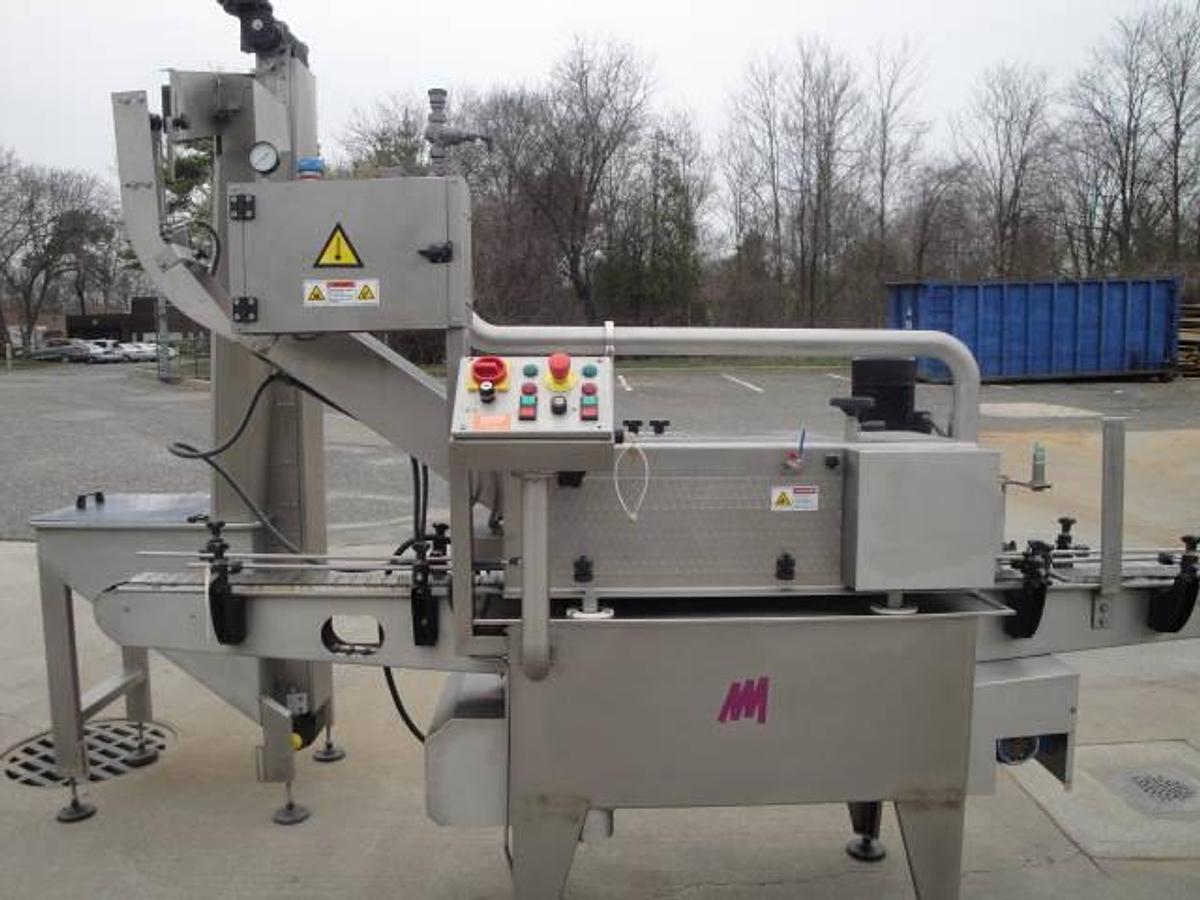
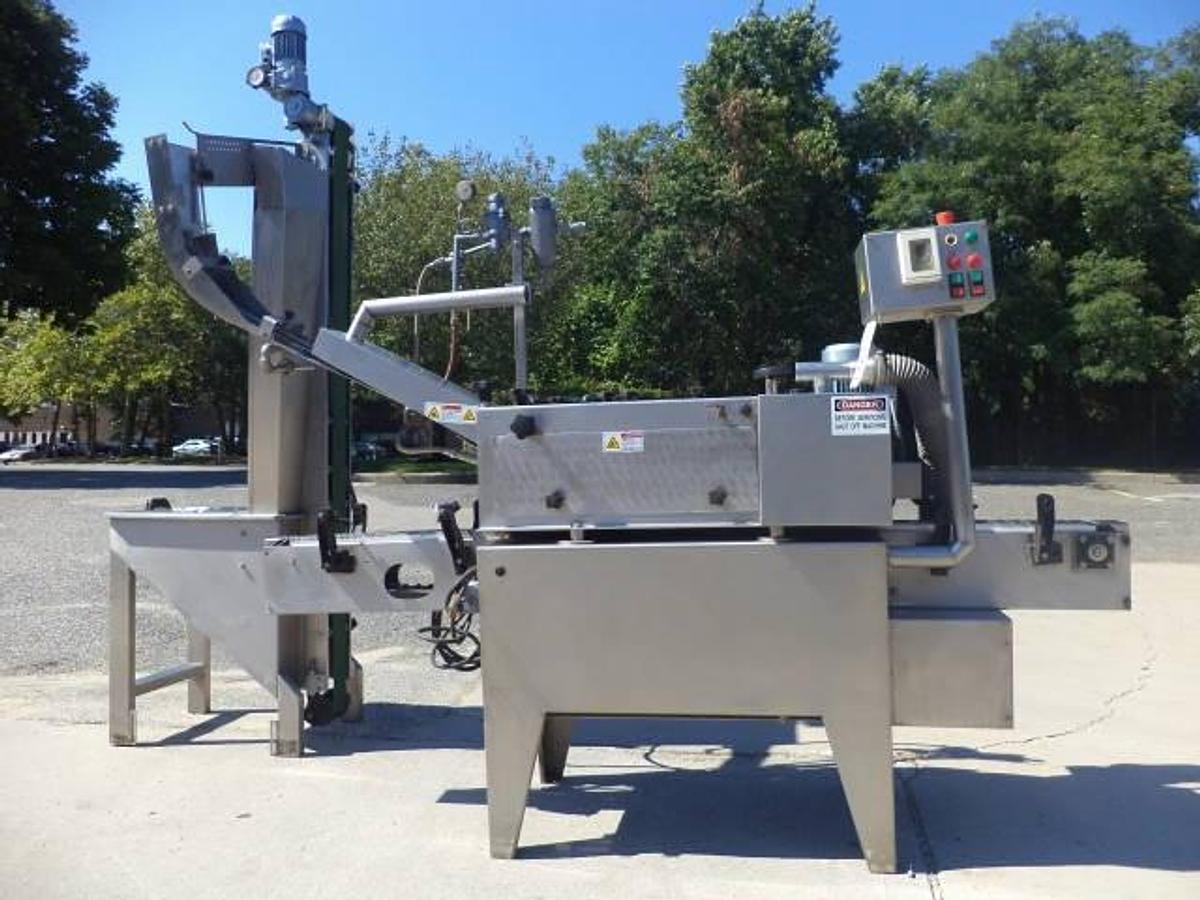
The Emerito 2.8 Automatic Twist-Off Steam Capping Machine and the Emerito CT-2000 Steam Capping Machine represent two distinct models within the Emerito capping lineup. The 2.8 model is described as an automatic twist-off unit, meaning it is designed to apply twist-off closures with minimal operator intervention, making it suitable for higher-throughput or more automated production environments. The CT-2000 designation suggests a different configuration or capacity level, though the specific output rates and features will vary by the individual unit's condition and setup.
Both machines are constructed in stainless steel, which is a significant advantage for food, beverage, pharmaceutical, and cosmetic applications where hygiene standards are strict and equipment must withstand frequent washdowns. When evaluating either model on the used market, buyers should request detailed specifications, ask about the machine's production history, and arrange an inspection to assess the current mechanical condition. Since these are used machines sold as-is, understanding what each unit was previously used for and how heavily it was run is essential to making a sound purchasing decision.
Why is stainless steel construction important in a capping machine?
Stainless steel is the material of choice for capping machines used in food, beverage, pharmaceutical, and cosmetic production for several practical reasons. It resists corrosion from product spillage, cleaning chemicals, and high-humidity production environments. It is also non-porous, which means it does not harbor bacteria or absorb contaminants the way other materials might. For facilities subject to FDA, GMP, or similar regulatory oversight, stainless steel construction is frequently a baseline requirement rather than an optional upgrade.
From a durability standpoint, stainless steel frames and contact parts hold up well under the repetitive mechanical stress of continuous production cycles. On the used equipment market, stainless steel machines tend to maintain their structural integrity better than painted carbon steel alternatives, provided they have been reasonably maintained. When inspecting a used stainless steel capping machine, buyers should look for signs of pitting, weld repairs, or surface contamination that could indicate improper cleaning practices or chemical exposure during the machine's prior service life.
What is the capping speed or output rate of Emerito capping machines?
The output rate of a capping machine depends on the specific model, the cap type being applied, the container size, and how the machine is integrated into the broader production line. Steam capping machines in the class that Emerito produces are generally designed for small to mid-scale production runs, making them well-suited for craft food producers, specialty beverage operations, and growing packaging businesses that need reliable automation without the footprint or cost of high-speed industrial lines.
For a specific used Emerito machine, buyers should ask the seller for the rated cycles per minute, any production records if available, and whether the machine was running at full capacity or had been derated for a particular application. Keep in mind that actual throughput on a used machine may differ from the rated specification depending on wear, the condition of drive components, and how well the machine has been maintained. An in-person or video inspection that includes a dry-cycle demonstration can give a much clearer picture of real-world speed and consistency than specifications alone.
Are Emerito capping machines suitable for small businesses and craft producers?
Emerito capping machines are generally positioned in the small to mid-sized production segment, which makes them a practical fit for craft food and beverage producers, specialty sauce and condiment brands, small-batch cosmetic manufacturers, and similar operations that have outgrown manual capping but do not yet need high-speed industrial equipment. The automatic twist-off steam capping format is particularly common in the cottage and artisan food industry, where glass jars with vacuum-sealed lids are a standard packaging format.
Buying a used Emerito machine can be a cost-effective way for a small business to add automation without the capital outlay of purchasing new equipment. That said, small operations should carefully assess their technical capacity before purchasing any used capping machine. Used equipment requires periodic maintenance, and having access to a qualified technician or an in-house person with mechanical aptitude will reduce downtime risk. Consulting with the manufacturer about parts availability for the specific model and serial number is a smart step before finalizing any purchase.
What bottle sizes and container shapes are compatible with Emerito capping machines?
Capping machine compatibility with container sizes and shapes depends on the tooling, guides, and conveyor setup that came with the machine or were installed during its production life. Steam capping machines like those in the Emerito lineup are typically used with glass jars and bottles that accept twist-off closures, and the acceptable container diameter and height range is usually defined by the machine's infeed starwheel, conveyor width, and cap chute dimensions.
When purchasing a used Emerito capping machine, buyers should ask the seller specifically what container sizes the machine was last configured to run, and whether any change parts for alternate sizes are included in the sale. Change parts, such as starwheels, guides, and cap feed components sized for different container diameters, can be expensive or difficult to source for older machines. Confirming that the machine's current tooling matches your container lineup before purchase avoids costly surprises after delivery.
How difficult is it to operate and set up an Emerito capping machine?
Steam capping machines in this category are generally designed with production-floor practicality in mind, meaning they are intended to be operated by trained production staff rather than specialized engineers. That said, initial setup, including leveling the machine, connecting utilities such as steam supply and electrical service, and adjusting the cap feed and conveyor settings for a specific container, does require a working knowledge of packaging machinery. Operators unfamiliar with steam capping equipment should plan for a learning curve and potentially budget for a setup visit from a qualified technician.
For a used machine specifically, setup can be more involved than it would be for a machine delivered directly from a manufacturer with documentation and support. Buyers should request any available manuals, wiring diagrams, or maintenance records from the seller. If documentation is unavailable, contacting the manufacturer with the machine's model and serial number is worth attempting, though support availability will vary depending on the age of the unit. Arranging a video inspection where the seller demonstrates the machine cycling through its normal operation is one of the best ways to assess how straightforward the machine will be to get running.
What should buyers expect to pay for a used Emerito capping machine?
Pricing for used capping machines varies considerably based on the model, age, mechanical condition, included accessories, and current market demand. Steam capping machines designed for small to mid-scale production, like those in the Emerito lineup, generally occupy a price range below that of high-speed rotary cappers used in large industrial facilities, which makes them accessible for smaller operations. Machines that are in documented working order, include change parts for multiple container sizes, and come with manuals will typically command a higher price than units sold with limited information about their history.
Beyond the purchase price, buyers should factor in the total landed cost of the equipment. Shipping a capping machine involves proper palletization or crating, and larger or heavier units may require rigging equipment for loading and unloading, both of which add to the final cost. Payment for used industrial equipment is typically required in full prior to shipment. Buyers who are comparing multiple machines should get a complete breakdown of packaging, freight, and rigging costs from the seller before making a final decision, since these expenses can meaningfully affect which option represents the better value.
Are replacement parts available for used Emerito capping machines?
Parts availability for any used capping machine depends heavily on the age of the unit, whether the manufacturer is still in business and supporting that product line, and how common the machine's components are in the broader packaging equipment market. Before purchasing a used Emerito capping machine, it is worth contacting the manufacturer directly to ask which components are still available, what the typical lead times are, and whether technical support is offered for that specific model. Older machines or discontinued models may have limited factory support, which shifts the maintenance burden to third-party machine shops or the buyer's own technical staff.
Some capping machine components, such as belts, bearings, and standard pneumatic fittings, are commodity parts available through industrial suppliers regardless of the machine brand. Other components, like proprietary cap chutes, starwheels, or electronic control boards, may need to come from the manufacturer or a specialized rebuilder. Asking the seller whether any spare parts are included in the sale is a reasonable request, as sellers sometimes have leftover change parts or consumables from the machine's prior production environment that can be included in the transaction.
How should buyers inspect a used Emerito capping machine before purchasing?
Inspecting used capping equipment before purchase is one of the most important steps a buyer can take to reduce risk. Most reputable used equipment dealers will accommodate an in-person visit to their facility, or alternatively, a video inspection where the machine is shown in detail and cycled through its operation. For machines that are still installed at a production facility, some dealers can arrange access to the site so the buyer can observe the equipment running under actual production conditions, which provides the most accurate picture of its mechanical health.
During an inspection, buyers should pay attention to the condition of the frame and stainless steel surfaces, the state of the drive components and belts, the responsiveness of any controls, and whether the machine cycles smoothly without unusual noise or hesitation. It is also worth asking how recently the machine was last in production, since equipment that has been sitting idle for an extended period may require more preparation to return to service. Keep in mind that most used equipment dealers do not have production permits that would allow them to run actual product through a machine at their facility, so testing will typically be limited to dry cycling rather than a full production trial.