Category
Manufacturer
Model
Elanco
Elanco is a global leader in animal health, providing innovative solutions for livestock and companion animals. The company specializes in a variety of manufacturing equipment for the pharmaceutical and agricultural sectors, focusing on products that enhance animal health and food safety. Their popular equipment includes vaccine production systems and feed additives processing machines.
FAQ:
What types of used Elanco pharmaceutical equipment are typically available for sale?
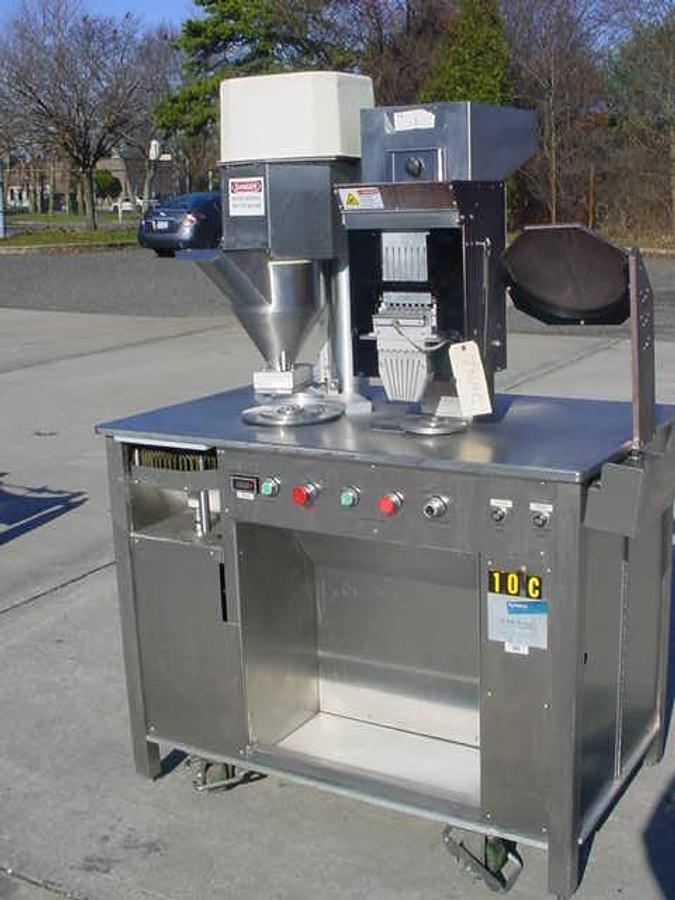
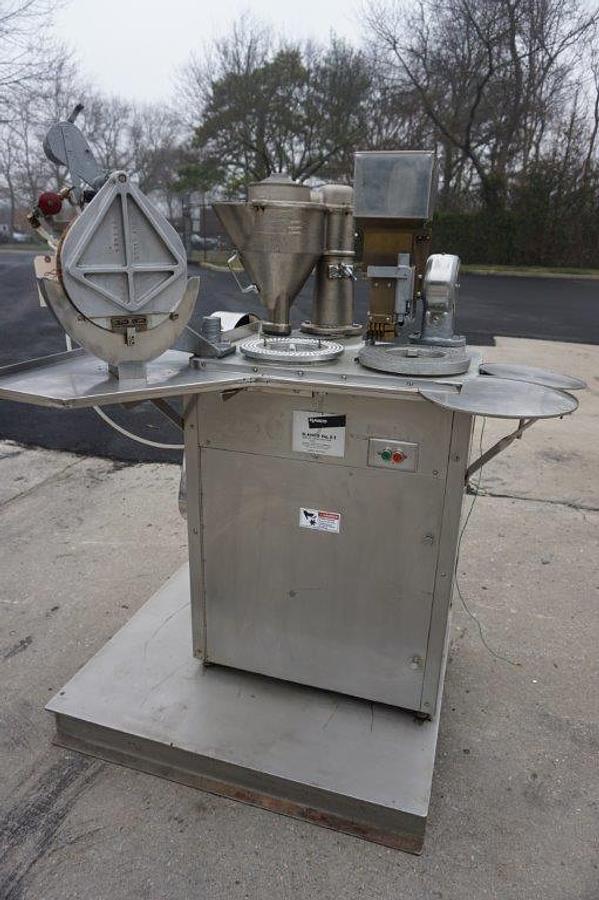
Used Elanco pharmaceutical equipment available on the secondary market tends to reflect the company's focus on animal health manufacturing and pharmaceutical production. Common listings include capsule filling machines such as the Elanco 8S Semi-Automatic Encapsulator, which operates at approximately 15,000 capsules per hour, and the Elanco "Quali-Fill" Model 10 Semi-Automatic Capsule Filler. These machines were originally used in regulated pharmaceutical and veterinary manufacturing environments, which means they were built to exacting standards for precision and repeatability.
Beyond capsule filling equipment, buyers searching for surplus Elanco machinery may also encounter processing and packaging equipment associated with vaccine production systems, feed additive processing machines, and general pharmaceutical manufacturing lines. Because Elanco operates across both the livestock and companion animal sectors, the equipment that surfaces on the used market can vary considerably depending on which facility it originated from. Buyers should work with dealers who specialize in pharmaceutical equipment to identify machines that match their specific production needs.
What is an Elanco 8S Semi-Automatic Encapsulator and what does it do?
The Elanco 8S Semi-Automatic Encapsulator is a capsule filling machine designed for pharmaceutical and veterinary production environments. It operates at a rated capacity of approximately 15,000 capsules per hour, making it suitable for mid-volume production runs. Semi-automatic encapsulators like this model handle the mechanical separation, filling, and closing of hard-shell capsules while requiring an operator to manage loading and oversight. This type of equipment is commonly used in pharmaceutical facilities producing oral dosage forms for both human and animal health applications.
On the used equipment market, the 8S is valued for its relatively straightforward mechanical design, which makes it easier to source parts and maintain compared to more complex fully automated systems. Because this machine was used in a regulated pharmaceutical manufacturing setting, buyers can reasonably expect that it was operated under GMP-compliant conditions during its service life. Prospective buyers should request any available maintenance records, service logs, and technical documentation to assess the machine's current condition before committing to a purchase.
What is the Elanco Quali-Fill Model 10 capsule filler and what applications is it suited for?
The Elanco "Quali-Fill" Model 10 is a semi-automatic capsule filling machine designed for pharmaceutical production. Semi-automatic models in this category are well suited for smaller batch sizes, research and development operations, contract manufacturing organizations handling multiple product lines, and facilities that require flexibility between different capsule sizes or formulations. The Quali-Fill designation suggests a focus on fill accuracy and consistency, which are critical quality attributes in any pharmaceutical or veterinary dosage form production environment.
On the used market, this model appeals to buyers who need reliable capsule filling capability without the capital outlay associated with high-speed fully automated equipment. Its semi-automatic operation means lower complexity and potentially lower maintenance demands, which can be an advantage for smaller operations or those with limited technical staff. As with any used pharmaceutical machine, buyers should request documentation of the machine's service history, inspect it thoroughly either in person or via video, and verify that replacement parts are still available before finalizing a purchase.
Why does pharmaceutical equipment from companies like Elanco carry added value on the used market?
Equipment that originates from regulated pharmaceutical manufacturers carries a degree of built-in credibility that general industrial machinery does not. Companies like Elanco operate under strict regulatory frameworks including FDA oversight and Good Manufacturing Practice (GMP) requirements. This means the equipment was installed, operated, and maintained within a compliance-driven environment where calibration, validation, and maintenance documentation are standard practice. For buyers who need to qualify equipment for use in their own regulated facilities, a machine with a traceable history from a pharmaceutical manufacturer can simplify the requalification process.
That said, the value of this regulatory history depends heavily on whether the documentation has been preserved and transferred with the equipment. Buyers should specifically ask used equipment dealers whether calibration records, IQ/OQ/PQ validation documents, maintenance logs, and operator manuals are available for any machine they are considering. Equipment sold without documentation requires more extensive buyer-side qualification work before it can be placed into a regulated production environment. The machine's physical condition and the availability of spare parts are equally important factors to evaluate alongside its compliance history.
Can used Elanco pharmaceutical equipment be inspected before purchase?
Reputable used equipment dealers will typically offer buyers the opportunity to inspect machinery before completing a purchase. Depending on the situation, this can take the form of an in-person visit to the dealer's facility, a live video walkthrough conducted remotely, or a detailed video recording of the machine that the buyer can review at their convenience. In some cases, equipment that has not yet been decommissioned may still be located at the original production facility, and dealers can sometimes arrange access for inspection at that site. This is worth asking about because seeing a machine in an operating environment provides the most complete picture of its condition.
Buyers should keep in mind that most used equipment dealers are not set up to run full production tests with actual pharmaceutical product, as that level of operation requires manufacturing permits and regulatory compliance that a reseller typically does not maintain. What a dealer can generally demonstrate is whether a machine powers on, whether mechanical components move as expected, and whether there are any visible signs of wear, damage, or missing parts. Buyers are strongly encouraged to take advantage of whatever inspection options are available and, where possible, to involve a qualified equipment technician or engineer in the evaluation process before making a purchasing decision.
What documentation should buyers request when purchasing used pharmaceutical equipment like Elanco machines?
When buying used pharmaceutical equipment, documentation is one of the most important factors to evaluate alongside the physical condition of the machine. Buyers should ask for any available operator manuals, maintenance and service records, calibration certificates, and validation documentation such as Installation Qualification (IQ), Operational Qualification (OQ), and Performance Qualification (PQ) reports. These records provide a detailed picture of how the machine was used, how well it was maintained, and whether it was operating within its specified parameters during its previous service life.
Not every used machine will come with a complete documentation package, and buyers should factor the absence of records into their assessment of the equipment's value and the work required to qualify it for use in their own facility. Machines sold without documentation will typically require more extensive validation work on the buyer's end before they can be placed into a regulated production environment. Buyers should also contact the equipment manufacturer directly to determine whether technical support, service bulletins, or replacement parts are still available for the specific model and age of machine they are considering, as this can vary significantly.
Are spare parts and replacement components available for used Elanco pharmaceutical equipment?
Parts availability for used pharmaceutical equipment depends on the age of the machine, the model, and the manufacturer's current support policies. For equipment like the Elanco capsule fillers, prospective buyers are advised to contact the manufacturer directly before purchasing to understand what level of support and parts availability they can expect. Older models may have limited or discontinued parts support, which can affect long-term maintainability and the total cost of ownership. In some cases, third-party suppliers or machining services can produce replacement components for simpler mechanical parts, but this adds complexity and cost.
A practical step buyers can take is to inspect the machine carefully for any signs of worn or damaged components that may need near-term replacement, and then verify whether those specific parts are available and at what cost. Dealers who specialize in pharmaceutical equipment are often knowledgeable about parts availability for the machines they sell and may be able to provide guidance. Buying from a dealer with deep experience in the pharmaceutical equipment sector is particularly valuable here, as they are more likely to have encountered parts sourcing challenges for specific models and can give buyers a realistic picture of what to expect after the sale.
What should buyers understand about shipping and rigging costs for used pharmaceutical equipment?
Shipping costs for used pharmaceutical equipment can vary significantly based on the size and weight of the machine, the destination, and the level of packaging required to protect it in transit. Smaller benchtop equipment may ship on a standard pallet with minimal preparation, while larger production machines like encapsulators or filling lines typically require custom crating to prevent damage. Buyers should ask dealers specifically about how the equipment will be packaged and what that packaging cost includes, as these charges are often separate from the freight quote itself.
For heavier or bulkier machinery, professional rigging is often required for safe loading at the seller's location and unloading at the buyer's facility. Rigging services involve specialized equipment and trained personnel to move heavy machines without damage, and these costs are typically the buyer's responsibility unless otherwise negotiated. Buyers should request a fully itemized breakdown of all charges including packaging, rigging, freight, and any applicable fuel surcharges or accessorial fees to understand the true landed cost of the equipment before committing to a purchase. Failing to account for these costs upfront can result in significant unexpected expenses after the sale.
What are typical payment terms when purchasing used pharmaceutical equipment?
Most used equipment dealers require full payment prior to shipping the machinery. This is standard practice in the industry and reflects the fact that once equipment leaves a dealer's facility, it is difficult to reverse the transaction if payment issues arise. Buyers who are unfamiliar with a particular dealer should expect to pay in full before the equipment is released for shipment. Wire transfer is the most common payment method for transactions of this size, though dealers may accept other forms of payment depending on the circumstances.
Some dealers may offer extended payment terms or other arrangements to established customers with a history of prior purchases, but this is generally handled on a case-by-case basis and is not a standard offering for first-time buyers. Buyers who are concerned about the risk of paying in full before receiving equipment should focus on selecting dealers with a verifiable long-term track record in pharmaceutical equipment sales, check for references or reviews from past customers, and take full advantage of inspection opportunities before completing payment. Thorough due diligence on both the equipment and the dealer is the most effective way to reduce risk in a used equipment transaction.
How does used pharmaceutical equipment from a regulated manufacturer differ from general industrial surplus machinery?
Pharmaceutical equipment from a regulated manufacturer like Elanco differs from general industrial surplus machinery in several meaningful ways. First, the machines were designed and built specifically for pharmaceutical or veterinary production, meaning they are constructed from materials and to tolerances appropriate for drug manufacturing, such as stainless steel contact surfaces, cleanable designs, and precision filling mechanisms. Second, they were operated within a regulatory framework that required documented procedures, regular calibration, and controlled maintenance practices, which can translate into better-maintained machines compared to equipment from less regulated industries.
However, buyers should not assume that pharmaceutical-grade origin automatically means a machine is in excellent condition or fully documented. Equipment can be decommissioned for many reasons, including age, obsolescence, or facility consolidation, and its condition at the time of sale reflects its actual maintenance history rather than the reputation of the company it came from. The practical advantages of pharmaceutical-grade equipment are most fully realized when the documentation has been preserved and the machine has been well maintained. Buyers should evaluate each piece of equipment on its own merits, using inspection and documentation review as the primary basis for their purchasing decision rather than relying solely on the manufacturer's reputation.