Category
Manufacturer
Model
Eillert
Eillert manufactures machinery for the packaging and labeling sectors, focusing on the cosmetic and personal care industries. They are known for their high-speed labeling machines that improve production efficiency. Their innovative designs help brands maintain quality and consistency in packaging.
FAQ:
What types of machinery does Eillert manufacture?
Eillert is a Dutch industrial machinery manufacturer with a broad product range that spans two distinct market segments. On one side, they produce equipment for the food processing and agricultural sectors, including potato peeling machines, vegetable cutting equipment, and industrial washing systems. On the other, they manufacture machinery for the packaging and labeling industries, with a particular focus on the cosmetic and personal care markets. Their high-speed labeling machines are especially well regarded for improving throughput and maintaining consistency across production runs.
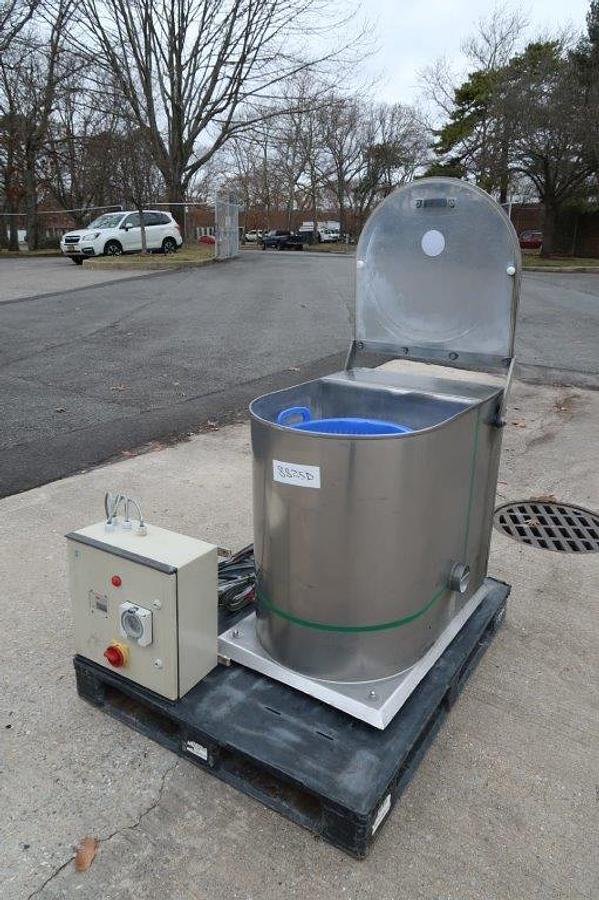
The company has built a long-standing reputation in Europe for producing durable, well-engineered equipment. Specific machine types available on the used market include centrifuges and spin dryers, such as the Eillert 20-inch diameter stainless steel basket centrifuge, along with various processing and labeling units. Because Eillert machines are built to last, they circulate frequently in the second-hand market and remain functional well beyond their initial production lifecycle, making them a practical option for buyers seeking reliable industrial equipment without the cost of purchasing from a manufacturer.
What industries use Eillert machinery?
Eillert machinery serves a range of industries, and the specific application depends on the machine type. Their food processing equipment, including peeling, cutting, and washing machines, is used extensively in agricultural processing facilities, commercial kitchens, and food manufacturing plants that handle vegetables and root crops like potatoes. These machines are designed for high-volume, repetitive processing tasks where durability and hygiene are critical considerations.
Their labeling and packaging equipment is targeted at a different customer base, primarily manufacturers in the cosmetic and personal care industries. Brands in these sectors rely on Eillert's high-speed labeling machines to apply labels accurately and consistently at scale, which directly impacts product presentation and regulatory compliance. The breadth of industries served reflects Eillert's engineering versatility, and buyers from both food production and consumer goods manufacturing regularly seek out used Eillert equipment due to the machines' reputation for longevity and build quality.
Why is Eillert machinery popular on the used equipment market?
Eillert machines have developed a strong following in the second-hand market primarily because of how they are built. The company has a decades-long track record in Europe of producing equipment that holds up under demanding production conditions. Stainless steel construction, as seen in machines like their basket centrifuge and spin dryer models, resists corrosion and wear in ways that extend the usable life of the machine well beyond what buyers might expect from lesser-known manufacturers. That durability translates directly into residual value, which is why used Eillert units continue to attract serious buyers.
For budget-conscious operations, purchasing used Eillert equipment offers a way to acquire proven industrial machinery at a fraction of the cost of buying from a manufacturer. Food processors, agricultural operations, and packaging facilities often find that a well-maintained used Eillert machine can perform at a level comparable to newer alternatives. Buyers should still conduct thorough inspections before purchasing, as the condition of any used machine varies depending on how it was operated and maintained during its previous service life.
What should buyers look for when inspecting used Eillert machinery?
A thorough inspection of used Eillert machinery should cover both the mechanical and structural condition of the unit. For food processing equipment like peeling or washing machines, pay close attention to the condition of stainless steel surfaces, seals, bearings, and any moving parts that experience high wear. For centrifuges and spin dryers, the basket integrity, motor condition, and drive components are particularly important to evaluate. Corrosion, cracks, or signs of improper repair work are red flags that can indicate significant underlying problems.
Reputable used equipment dealers will typically offer in-person inspections, virtual walkthroughs, or detailed video captures of the machine so buyers can assess its condition before committing to a purchase. Some machines may still be installed and operating at a production facility, which allows for a more realistic evaluation of how the equipment functions under load. Keep in mind that most dealers are not set up to run full production tests, as that would require permitting and operational infrastructure beyond what a resale operation normally maintains. Buyers should ask specific questions about the machine's service history, reason for decommissioning, and any known issues prior to finalizing any transaction.
Does buying used Eillert machinery come with a warranty?
Used industrial machinery, including used Eillert equipment, is generally sold on an as-is basis. Warranties are typically only offered by the equipment's original manufacturer, and once a machine enters the second-hand market, that coverage has usually expired or is no longer transferable. This places the responsibility of due diligence squarely on the buyer, which is why inspection before purchase is so important.
To reduce risk, buyers should prioritize working with used equipment dealers who have a long, verifiable track record in the industry and who specialize in the type of machinery being purchased. A dealer with deep experience in industrial or food processing equipment will be better positioned to accurately represent the condition of a machine and provide useful context about its history. It is also worth contacting Eillert directly or consulting with a qualified technician to understand what level of manufacturer support, parts availability, and technical documentation might still be accessible for a specific model or age of machine, as this can vary considerably.
How is used Eillert machinery typically shipped, and what costs should buyers expect?
Shipping used industrial machinery like Eillert equipment involves more logistical complexity than standard freight. Machines need to be carefully packaged, palletized, or crated to prevent damage during transit, and the level of packaging required directly affects the shipping cost. Smaller units may be manageable with standard palletization, while larger or heavier machines, such as industrial centrifuges or processing lines, may require custom crating and heavy-duty rigging for both loading at the origin and unloading at the destination.
Buyers should request a detailed breakdown of all shipping-related costs from the dealer before finalizing a purchase. This includes packaging, rigging, freight, and any special handling fees, since these charges can add meaningfully to the total landed cost of the equipment. For international shipments, customs duties, import fees, and compliance documentation are additional factors to account for. Getting a clear picture of the full delivered cost upfront helps avoid surprises and allows for accurate budgeting when comparing used equipment options.
What payment terms are typical when purchasing used Eillert machinery?
Most used equipment dealers require full payment before a machine is released for shipment. This is standard practice across the industry and applies to used Eillert machinery as it would to any other used industrial equipment purchase. The rationale is straightforward: once a machine leaves the dealer's facility, the transaction is effectively complete, and the dealer has limited recourse if payment issues arise after the fact.
Some dealers may offer extended payment terms to repeat customers or established buyers with a documented purchasing history, but this is the exception rather than the rule for first-time transactions. Buyers should clarify payment expectations early in the negotiation process, including accepted payment methods and any deposit requirements that might apply. Wire transfers are common for transactions of this size, and buyers should take standard precautions to verify banking details directly with the dealer before sending any funds.
What routine maintenance does Eillert machinery typically require?
Maintenance requirements for Eillert machinery depend on the specific machine type and its application, but there are common practices that apply across most of their product lines. For food processing equipment like vegetable peelers, cutters, and washers, regular cleaning is essential, particularly for machines that come into contact with food products. Bearing lubrication, inspection of drive belts and chains, and checking for wear on cutting or abrasive components should be part of any routine maintenance schedule. Stainless steel construction makes cleaning easier and reduces corrosion risk, but it does not eliminate the need for consistent upkeep.
For labeling and packaging machines, maintaining calibration, checking sensor and applicator components, and keeping the label feed mechanism clean and properly tensioned are ongoing tasks. When purchasing used Eillert equipment, it is worth requesting whatever service documentation or maintenance records are available, as this gives insight into how well the machine was cared for during its previous service life. Consulting with a technician familiar with Eillert equipment, or reaching out to the manufacturer directly, can help establish an appropriate maintenance protocol for the specific model being purchased.
Are spare parts available for used Eillert machines?
Parts availability for used Eillert machinery varies depending on the age and model of the machine. Eillert has been manufacturing equipment for decades, and for more recent or widely distributed models, the manufacturer may still supply replacement parts or technical support. For older or discontinued models, parts sourcing can become more challenging, and buyers may need to rely on third-party suppliers, machine shops capable of fabricating components, or the used parts market.
Before purchasing a used Eillert machine, it is advisable to contact the manufacturer directly to ask about parts and support availability for that specific model. This conversation can reveal a lot about the long-term serviceability of the equipment. A machine that is well-supported with available parts is a much safer investment than one where critical components are difficult or impossible to source. Dealers who specialize in Eillert or similar European industrial equipment may also have useful contacts and resources for parts procurement that a general machinery dealer would not.
How does purchasing used Eillert equipment compare to buying from a manufacturer?
Buying used Eillert machinery offers a significant cost advantage over purchasing directly from a manufacturer, often at a fraction of the price for equipment that still has considerable service life remaining. For operations that need reliable industrial processing or packaging capability without the capital outlay of a new purchase, the used market provides access to proven equipment that has already demonstrated its durability in real production environments. Eillert's reputation for building long-lasting machines makes their used equipment particularly attractive in this regard.
The trade-off is that used equipment comes without the support structure that accompanies a manufacturer purchase. There is no standard warranty coverage, lead times are immediate rather than tied to production schedules, and the buyer takes on more responsibility for verifying the machine's condition and serviceability. This makes the choice of dealer critically important. Working with a used equipment specialist who has deep knowledge of industrial machinery and a verifiable history of transactions in the relevant sector reduces the risk considerably and gives buyers a more reliable foundation for making an informed purchasing decision.