Category
Manufacturer
Model
Ecuamex Equipment Company
Ecuamex Equipment Company is dedicated to supplying machinery for the food processing industry. They are particularly known for their meat processing equipment, which includes grinders and slicers that enhance operational efficiency. Their products support businesses in meeting high food safety standards.
FAQ:
What types of machinery does Ecuamex Equipment Company sell?
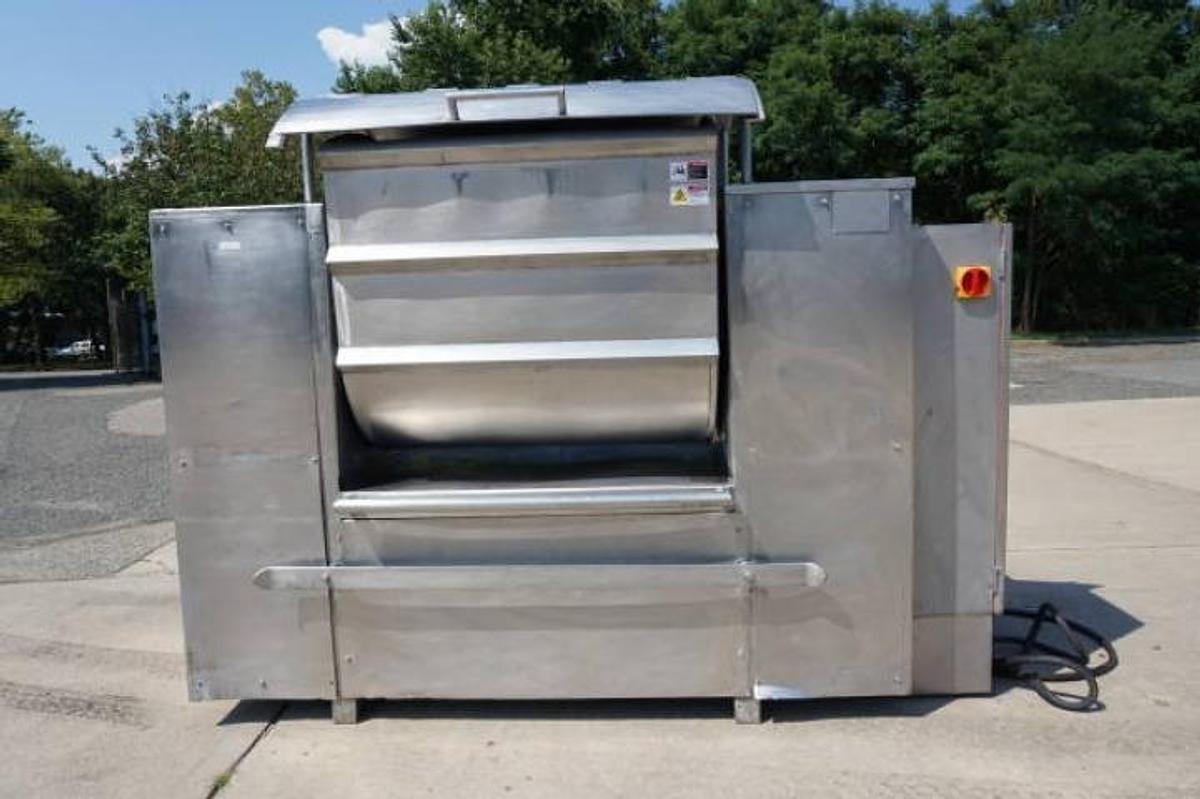
Ecuamex Equipment Company specializes in machinery for the food processing industry, with a particular focus on meat processing equipment. Their inventory includes grinders, slicers, and mixing equipment such as stainless sigma arm mixers with tilt discharge. These machines are designed to support operational efficiency in commercial food production environments, helping processors maintain consistent output while meeting food safety standards.
All equipment offered is used, not sourced directly from manufacturers as new stock. This makes Ecuamex a practical option for food processing operations looking to acquire proven industrial machinery at a lower price point than purchasing brand-new equipment. Buyers should expect inventory to vary over time, as used equipment dealers typically source machines opportunistically from facilities that are upgrading, consolidating, or closing operations.
What industries are best served by used food processing equipment?
Used food processing equipment is widely used across meat processing plants, poultry facilities, seafood processors, bakeries, dairy operations, and prepared food manufacturers. Machines like grinders, slicers, mixers, and fillers are workhorses in these environments, and the underlying mechanical designs of many models have remained consistent for decades, which makes the used market particularly viable. A well-maintained grinder or sigma mixer from a reputable brand can perform comparably to a newer unit at a fraction of the cost.
Small to mid-sized processors, co-packers, and startup food businesses often turn to the used equipment market specifically because capital budgets are limited but production demands are real. Purchasing used allows a facility to equip multiple production lines or expand capacity without the lead times associated with ordering new equipment from a manufacturer. For operations that need to move quickly or test a new product line before committing to full-scale investment, used machinery offers a practical and financially sound path forward.
How do warranties work when buying used industrial machinery?
Warranties on used industrial machinery work very differently than they do on new equipment purchased directly from a manufacturer. Manufacturers typically only extend warranty coverage to the first buyer of a new machine. Once a machine enters the secondary market, that coverage is generally no longer in effect. As a result, used equipment is almost always sold on an as-is basis, meaning the buyer accepts the machine in its current condition at the time of sale.
This places the responsibility of due diligence squarely on the buyer. Before committing to a purchase, buyers should conduct a thorough inspection, either in person or via a detailed video walkthrough provided by the dealer. It is also worth contacting the original manufacturer directly to ask about parts availability, service manual access, and whether technicians familiar with the model are still available in your region. Older or discontinued models may have limited manufacturer support, which is an important factor to weigh when evaluating total cost of ownership on a used machine.
How can I inspect a used machine before buying it?
Most reputable used equipment dealers offer buyers at least one of three inspection options: an in-person visit to the dealer's facility, a live video call walkthrough of the machine, or a recorded video inspection that documents the machine's condition in detail. The goal of any inspection is to get an accurate, honest picture of the equipment's current working order, including visible wear, condition of key components, and any known mechanical issues.
Some machines may still be installed and running at the facility from which they are being sourced, which can allow for an inspection while the equipment is in active production. Keep in mind that used equipment dealers typically do not have the permitting or production infrastructure to run actual product through a machine during a demonstration. What buyers can realistically expect is a visual and operational check of the machine's mechanics, not a full production trial. If a specific inspection type matters to you, ask the dealer directly about what they can arrange before moving forward with a purchase.
What should I look for when evaluating a used meat processing machine?
Condition of contact surfaces is the first thing to assess on any used meat processing equipment. Stainless steel components should be free of deep pitting, cracks, or corrosion that could harbor bacteria or compromise structural integrity. On grinders, inspect the auger, plates, and knife blades for wear. On slicers, check the blade, carriage, and drive mechanisms. For mixers, examine the mixing arms, discharge mechanism, and bowl for signs of damage or excessive wear.
Beyond the physical condition of the machine, buyers should research the specific model to understand its production capacity, power requirements, and sanitation design. Older machines may not meet current food safety standards without modifications, so it is worth consulting with a food safety engineer or the equipment manufacturer before finalizing a purchase. Ask the dealer about the machine's history, including how long it was in service, what it was used to process, and whether any major repairs or part replacements have been made. A dealer who can provide that history is generally a more trustworthy source than one who cannot.
How is used industrial machinery typically shipped, and what costs should I expect?
Shipping costs for used industrial machinery depend on several factors: the size and weight of the equipment, how it needs to be packaged or crated, the distance being shipped, and whether specialized rigging is required for loading and unloading. Smaller machines may be palletized and shipped via standard freight carriers, while larger or heavier equipment often requires flatbed trucking, crane service, or forklift rigging at both the origin and destination. These rigging costs are typically additional and can add meaningfully to the total landed cost.
Buyers should ask the dealer for a detailed breakdown of all shipping-related costs before finalizing a purchase. This includes packaging or crating fees, freight charges, any required export documentation for international shipments, and destination rigging if applicable. Getting a full landed cost estimate upfront avoids surprises and allows for an accurate comparison between machines priced at different locations. For international shipments, buyers should also factor in import duties, customs clearance fees, and any local compliance requirements that may apply to the equipment in their country.
What are typical payment terms for purchasing used industrial equipment?
The standard practice among used equipment dealers is to require full payment before a machine is released for shipping. This protects the dealer against non-payment on equipment that has already been packed and prepared for transit. Buyers should expect to pay in full prior to the machine leaving the dealer's facility, regardless of whether shipping is domestic or international.
Some dealers may offer extended payment terms to established customers with a history of prior purchases, but this is not the norm for first-time buyers. Wire transfers are the most common payment method for large equipment transactions, though some dealers accept other forms of payment depending on the transaction size and buyer relationship. Before sending any funds, buyers should verify the dealer's legitimacy, confirm the machine's condition through inspection, and ensure all terms of the sale are documented in writing. Due diligence at the payment stage is just as important as due diligence during the inspection process.
How do I evaluate whether a used equipment dealer is reputable?
A few key signals help separate trustworthy used equipment dealers from less reliable ones. Start by looking at how long the dealer has been in business. Companies with a long track record in a specific industry segment, such as food processing equipment, have typically built their reputation by accurately representing machines and supporting buyers through the purchase process. Look for verifiable business information including a physical address, a working phone number, and a web presence that reflects genuine inventory rather than a placeholder site.
Customer reviews, industry references, and listings on established machinery platforms can also provide useful context, though buyers should be cautious about relying solely on reviews that cannot be independently verified. Dealers who specialize in a particular industry, such as food processing, tend to have deeper knowledge of the equipment they sell and better relationships with the facilities from which they source machines. When in doubt, ask the dealer direct questions about their sourcing process, how they assess machine condition, and what information they can provide about a specific machine's history. A knowledgeable, transparent dealer will be able to answer those questions without hesitation.
What is a stainless sigma arm mixer, and what is it used for in food processing?
A sigma arm mixer is a type of heavy-duty industrial mixer that uses two interlocking, S-shaped (sigma) blades to knead, mix, and blend dense or viscous materials. The blades rotate toward each other at different speeds, creating a folding and shearing action that thoroughly combines ingredients. In food processing, sigma arm mixers are commonly used for meat processing applications such as mixing sausage and ground meat blends, as well as for dough, cheese, confectionery products, and other thick food formulations that require intensive mixing.
The tilt discharge feature found on many sigma mixers allows the entire mixing bowl to tip forward, making it easier to unload heavy or sticky batches without manual scooping. Stainless steel construction is standard for food-grade applications because it resists corrosion, is easy to clean, and meets sanitation requirements for direct food contact. When evaluating a used sigma mixer, buyers should inspect the condition of the sigma arms, the integrity of the bowl, the functionality of the tilt mechanism, and the seals around the shaft entry points, as these are common wear areas on high-use machines.
What should buyers consider about parts and technical support for used food processing equipment?
Parts availability is one of the most practical concerns when buying used food processing machinery, and it varies significantly by brand, model age, and whether the manufacturer is still actively supporting that product line. Before purchasing a used machine, it is worth reaching out directly to the manufacturer to ask whether replacement parts are still stocked or available to order, and whether their technical support team can assist with a machine of that age and model. Some manufacturers maintain excellent support for older equipment, while others may have discontinued parts for models beyond a certain age.
For machines from well-established brands in the meat processing space, third-party parts suppliers often fill gaps left by manufacturers, which can extend the useful life of older equipment considerably. Buyers should also ask whether service documentation such as parts manuals or maintenance guides are available, either from the manufacturer or the dealer. Having access to that documentation makes it significantly easier to train maintenance staff and troubleshoot issues without relying on expensive factory service calls. Understanding the support landscape before purchasing, rather than after, is one of the most effective ways to manage the long-term cost of owning used industrial equipment.