Category
Manufacturer
Model
FAQ:
What is an Econoseal cartoner and what industries use it?
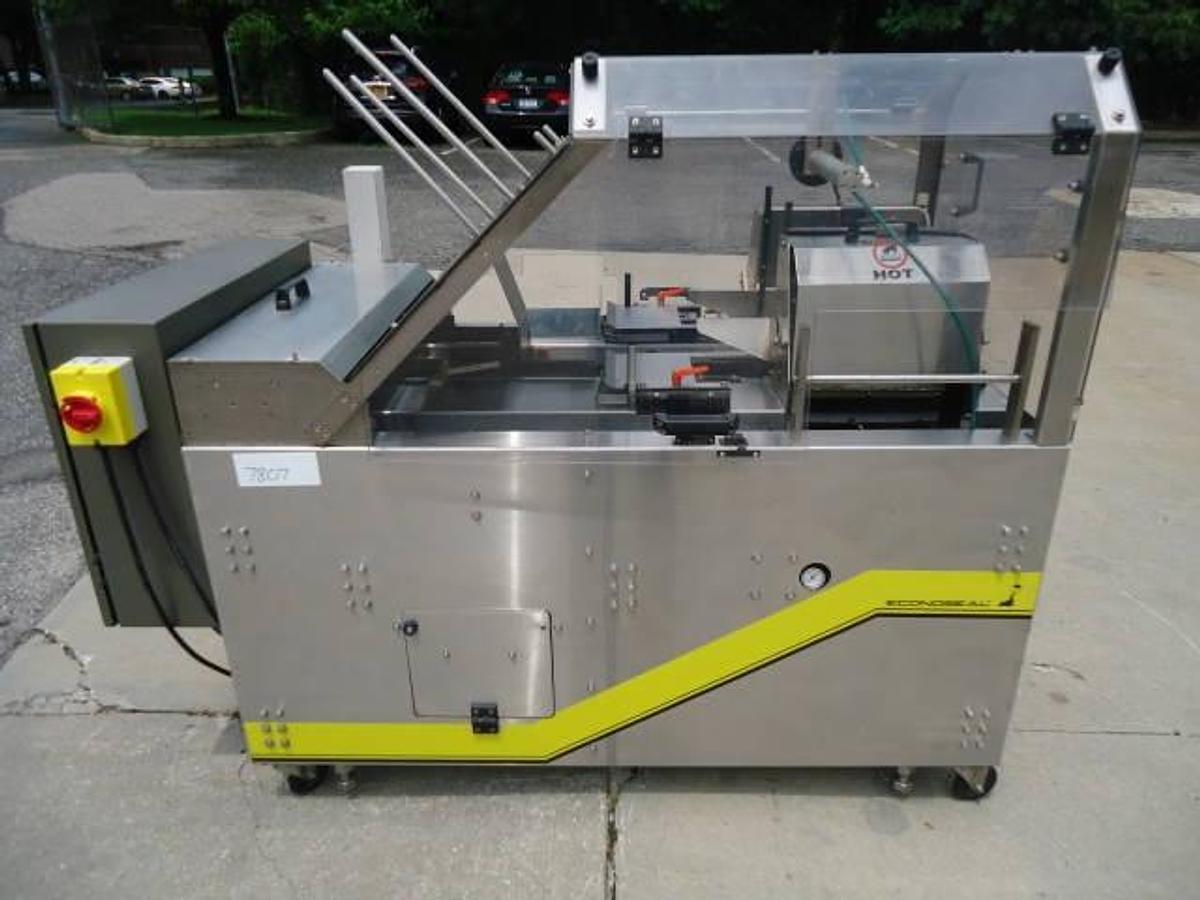
An Econoseal cartoner is an intermittent-motion horizontal cartoning machine designed to automatically erect, fill, and close folding cartons. These machines are built for packaging lines that require consistent, repeatable carton handling across a range of product types. The Econoseal name is associated with compact, reliable cartoning equipment that has found a strong foothold in pharmaceutical, nutraceutical, food, and personal care packaging operations.
Because of their relatively small footprint compared to high-speed continuous-motion cartoners, Econoseal machines are particularly well-suited for small to mid-sized production facilities where floor space is at a premium. They handle a wide variety of products including bottles, tubes, blister packs, sachets, and pouches, making them versatile enough to serve multiple product lines within a single facility. Their intermittent-motion design also makes changeovers more manageable, which is a practical advantage for operations that run multiple SKUs.
What should buyers know about purchasing a used Econoseal cartoner versus buying one directly from the manufacturer?
Buying a used Econoseal cartoner through the secondary market is a common practice for companies looking to add cartoning capacity without the lead times and capital expenditure associated with ordering equipment through a manufacturer's standard channels. Used machines are typically available for immediate purchase and can be inspected, evaluated, and shipped far more quickly than a new build. For facilities with a defined production requirement and a known carton format, a used Econoseal cartoner can be a cost-effective path to getting a line running.
The key difference buyers need to understand is that used equipment is sold as-is, meaning the responsibility for evaluating the machine's condition falls squarely on the buyer. There are no manufacturer warranties attached to used equipment transactions. This makes it critical to work with a reputable dealer who has a verifiable track record in the packaging machinery space, who can facilitate in-person or video inspections, and who can provide detailed information about the machine's history and current working condition. Buyers should also contact the manufacturer directly to understand what level of technical support, documentation, and parts availability they can expect for the specific model and age of the machine they are considering.
What production speeds can you expect from an Econoseal cartoner?
Econoseal cartoners are intermittent-motion machines, which means they operate in a stop-and-go cycle as each carton is erected, loaded, and sealed. Depending on the model and configuration, production speeds typically range from around 30 to 150 cartons per minute. Lower-end speeds are common on smaller or older models, while higher throughput is achievable on more capable configurations with optimized tooling and product handling systems.
For most small to mid-sized packaging operations, this output range is more than sufficient. Pharmaceutical and nutraceutical lines, for example, often run well within this range due to upstream filling and inspection equipment acting as the pacing constraint. Buyers evaluating a specific used Econoseal cartoner should verify the rated speed of that particular model and ask the dealer whether the machine was running at or near its rated capacity in its previous application. Actual achievable speeds on a used machine will depend on its mechanical condition, the carton format being run, and the product being loaded.
What carton sizes and formats are compatible with Econoseal cartoners?
Econoseal cartoners are designed to handle a range of standard folding carton sizes, and the adjustability of the machine is one of its practical strengths. The carton size range varies by model, but these machines are generally capable of running cartons across a meaningful span of length, width, and height dimensions, making them suitable for operations that package products in multiple carton formats. Tooling and guides are typically adjustable, and some configurations support quick-change format parts that allow operators to switch between carton sizes with minimal downtime.
For buyers evaluating a specific used Econoseal cartoner, it is important to confirm the carton size range for that exact model and to understand what format parts are included with the machine. In many cases, a used machine may come with tooling configured for a previous user's specific carton, which may or may not align with the buyer's requirements. Additional format parts can sometimes be sourced through the manufacturer or fabricated, but buyers should factor that into their evaluation. Asking the dealer for the machine's carton specification sheet or operator manual is a good starting point.
Does an Econoseal cartoner support glue seal, tuck seal, or both?
Econoseal cartoners are available in configurations that support both glue-end seal and tuck-end seal carton closing methods, and some machines are set up to handle either depending on the carton style being run. The choice between glue and tuck seal is typically driven by the application and the regulatory or tamper-evidence requirements of the end product. Hot melt glue seal is the preferred method in pharmaceutical and nutraceutical packaging because it creates a more secure closure that is visually evident if tampered with, which is a requirement in many regulated markets.
Tuck-end seal is more common in food and general consumer goods packaging where tamper evidence is less critical and throughput or carton cost considerations favor a simpler closure. When evaluating a used Econoseal cartoner, buyers should confirm which sealing method the machine is currently configured for and whether converting to a different seal style is feasible. The Econoseal E2000, for example, is available with hot melt glue sealing, which makes it well-suited for pharmaceutical and nutraceutical lines. Buyers should ask the dealer about the current glue system installed, including the brand and condition of the hot melt unit, as this is a component that sees wear and may require service.
What are the power and utility requirements for an Econoseal cartoner?
Econoseal cartoners typically require a standard three-phase electrical supply, with voltage and amperage specifications varying by model and any auxiliary equipment attached to the machine, such as a hot melt glue system or conveyor integration. Most machines in this class are designed for 480V/60Hz power in North American configurations, though some may have been built or modified for other voltage standards depending on where they were originally installed. Compressed air is also generally required to operate pneumatic components including carton erecting mechanisms, product pushers, and closing stations.
Buyers should request the electrical and utility specifications for the specific used machine they are considering before committing to a purchase. This is particularly relevant for facilities that are installing the machine in a space with existing utility drops, since mismatched voltage or insufficient air pressure can require costly modifications. The dealer should be able to provide the machine's nameplate data or documentation that outlines power draw, air consumption, and any other utility requirements. If the machine includes a hot melt glue system, the glue unit will add to both the electrical load and the startup time required before the machine is ready to run.
Are spare parts and replacement components available for used Econoseal cartoners?
Parts availability is one of the first practical questions buyers should address before purchasing any used cartoning machine, and Econoseal equipment is no exception. For machines that are older or have been out of active production for some time, the availability of manufacturer-supplied spare parts can vary. Buyers are strongly encouraged to contact the manufacturer directly to ask about parts support for the specific model and serial number they are considering. In some cases, manufacturers maintain parts inventories for older models; in others, certain components may need to be fabricated or sourced from third-party suppliers.
Beyond manufacturer parts, many components on cartoning machines, including bearings, belts, sensors, pneumatic cylinders, and hot melt system parts, are standard industrial components that can be sourced through industrial distributors regardless of the machine's age. This means that even if direct manufacturer support is limited, a mechanically capable maintenance team can often keep an Econoseal cartoner running with commercially available parts. Buyers should ask the dealer whether any spare parts are included with the machine, and they should document the key component brands and part numbers on the machine during the inspection process so they can begin building a spare parts inventory before the machine goes into production.
How should buyers inspect a used Econoseal cartoner before purchasing?
Inspecting a used cartoner thoroughly before purchase is the single most important step in protecting the buyer's investment, since used equipment is sold as-is with no manufacturer warranty attached. Most reputable used equipment dealers will accommodate inspections either in person at their facility, or through video walkthroughs and photo documentation if travel is not practical. In some cases, the machine may still be installed at the facility where it was last used, in which case the dealer can sometimes arrange an inspection at that location, and the machine may even be available to observe in operation.
During an inspection, buyers should focus on the mechanical condition of the carton erecting, loading, and closing stations, the condition of the drive systems and chain drives, the state of any hot melt glue equipment, and the overall cleanliness and maintenance history of the machine. Keep in mind that most dealers are not set up to run production with actual product during an inspection, since that requires permits and production infrastructure that equipment dealers do not typically have. What buyers can reasonably expect is a powered demonstration showing the machine cycling, which gives a useful indication of mechanical function. Any concerns identified during inspection should be discussed with the dealer and factored into the purchase price or the buyer's budget for refurbishment.
What does the shipping and delivery process look like for a used Econoseal cartoner?
Shipping a used cartoner involves more logistical planning than typical freight shipments, and buyers should factor all associated costs into their total budget before finalizing a purchase. The machine will need to be properly palletized or crated to prevent damage in transit, and the level of packaging required will depend on the size and weight of the equipment. Larger or heavier configurations may require custom crating and specialized rigging for loading at the dealer's facility and unloading at the buyer's location. These costs are typically separate from the base freight charge and should be confirmed with the dealer upfront.
Buyers should ask the dealer for a detailed breakdown of packaging, rigging, and freight costs to understand the full landed cost of the machine before committing. For Econoseal cartoners, which are mid-sized pieces of packaging equipment, freight is typically handled via flatbed or enclosed truck depending on the crating method. Buyers receiving the machine should have appropriate unloading equipment available, such as a forklift with adequate capacity, and should inspect the shipment carefully upon arrival before signing any delivery paperwork. Any visible damage should be documented immediately and reported to both the freight carrier and the dealer.
What payment terms should buyers expect when purchasing a used Econoseal cartoner?
Payment terms in the used packaging equipment market are fairly standardized. Most dealers require payment in full before the machine is released for shipping. This is the norm across the industry and reflects the fact that used equipment transactions involve a single asset that cannot be resold once shipped. Buyers who are new to a particular dealer should expect to pay in full prior to shipment as the default arrangement. Some dealers extend modified terms to repeat customers with an established purchasing history, but this is at the dealer's discretion and not something first-time buyers should count on.
Common payment methods include wire transfer and certified funds, with credit card payments sometimes available though often subject to processing fees. Buyers working with a significant capital budget may want to explore equipment financing through third-party lenders, as some financing companies specialize in used industrial equipment and can provide funding that allows the buyer to preserve working capital. It is worth asking the dealer whether they have relationships with equipment financing providers if that is a consideration. Regardless of payment method, buyers should ensure they receive clear documentation of the transaction, including a bill of sale that accurately describes the machine by model, serial number, and condition.