Category
Manufacturer
Model
Eco
Eco is recognized for its sustainable manufacturing equipment, serving a variety of sectors including packaging and materials handling. The company’s focus on eco-friendly processes and energy-efficient machines positions them as a leader in environmentally conscious manufacturing.
FAQ:
What types of used eco manufacturing equipment are typically available for sale?
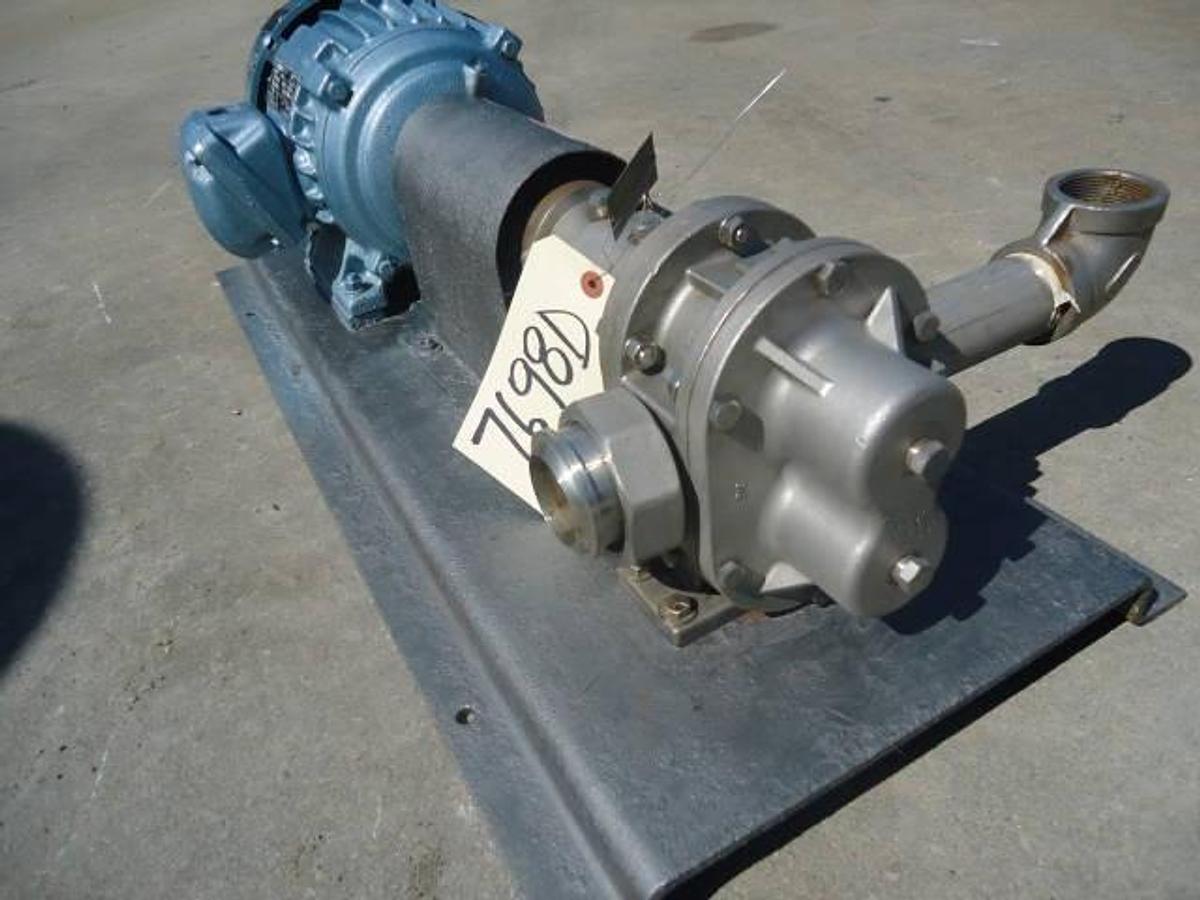
Used eco manufacturing equipment spans a wide range of industrial categories, reflecting how broadly sustainable practices have been adopted across manufacturing sectors. Common categories include energy-efficient compressors, low-emission CNC machines, water recycling systems, waste reduction processing equipment, packaging machinery designed for minimal material use, and materials handling equipment built around energy-saving principles. Specialty items like gear pumps made from 316 stainless steel with explosion-proof ratings also appear in used inventories, serving industries that require both durability and compliance with environmental and safety standards.
Because eco-focused manufacturers have supplied equipment to packaging, food processing, chemical handling, and general industrial sectors, the used market reflects that diversity. Buyers sourcing used equipment should look for machines from manufacturers that built sustainability into their core design philosophy, as those machines tend to maintain their efficiency advantages even after years of service. Checking the specifications carefully, including materials of construction, motor ratings, and any integrated energy-saving controls, helps buyers confirm that a used machine still delivers the environmental and operational benefits it was designed for.
How does eco manufacturing equipment reduce energy consumption compared to conventional machinery?
Eco manufacturing equipment is engineered from the ground up to minimize energy waste at every stage of operation. Design features commonly include variable frequency drives that adjust motor speed to match actual load demand rather than running at full power continuously, high-efficiency motors that exceed standard efficiency ratings, and optimized fluid dynamics in pumps and compressors that reduce friction losses. Taken together, these design choices can reduce energy consumption by 20 to 50 percent compared to older conventional industrial machinery performing the same tasks.
For buyers considering used eco equipment, those efficiency advantages are largely built into the mechanical and electrical design of the machine itself, meaning a well-maintained used unit can still deliver meaningful energy savings relative to a conventional machine of the same age. That said, buyers should inspect motors, drives, and seals carefully during any pre-purchase evaluation, since worn components can erode efficiency gains. Requesting documentation on the machine's original specifications and comparing them to current operating condition gives buyers a realistic picture of what energy performance to expect after purchase.
What certifications should I look for when buying eco-friendly manufacturing equipment?
Several third-party certifications signal that a piece of manufacturing equipment was designed and tested to meet verified environmental and safety standards. ISO 14001 indicates the manufacturer operated under a formal environmental management system during production. ENERGY STAR certification, where applicable to industrial equipment, confirms independently measured energy efficiency. CE Marking is required for equipment sold into European markets and covers safety, health, and environmental protection requirements. RoHS compliance confirms that hazardous substances such as lead, mercury, and cadmium were restricted in the machine's construction, which matters for both environmental impact and end-of-life disposal.
For used equipment specifically, buyers should ask sellers for any available documentation that accompanied the machine at the time of manufacture, including spec sheets, compliance declarations, or test records. While certifications apply to the machine as designed and built, they do not automatically account for modifications or wear that may have occurred during its service life. Consulting the equipment manufacturer directly is also worthwhile, as they can confirm what certifications applied to a specific model and serial number range, and advise on whether replacement parts or service support are still available for that machine.
What is the typical return on investment for used eco manufacturing equipment?
Calculating ROI on eco manufacturing equipment requires looking beyond the purchase price to the full cost of ownership over the machine's remaining useful life. Energy savings are usually the largest driver of ROI, particularly for high-runtime equipment like pumps, compressors, and motors where even a 20 to 30 percent reduction in power draw translates to significant annual savings at industrial electricity rates. Reduced waste generation and lower consumable costs add further value over time. Buying used rather than purchasing equivalent equipment at full market price compresses the payback period considerably, since the acquisition cost is substantially lower while the operational benefits remain largely intact.
Buyers should build a realistic TCO model that accounts for the purchase price, estimated shipping and installation, any refurbishment costs identified during inspection, projected energy savings based on the machine's rated efficiency, and the cost of ongoing maintenance. Used eco equipment from reputable manufacturers often has a remaining service life of many years, especially for well-built components like stainless steel gear pumps or heavy-duty materials handling machinery. Getting a thorough inspection done before purchase, and factoring in the manufacturer's current parts availability for that model, gives buyers the data they need to make a confident ROI calculation.
Are there government incentives or tax benefits available for purchasing eco manufacturing equipment?
Several federal and state-level programs in the United States can reduce the effective cost of purchasing energy-efficient or environmentally focused manufacturing equipment. The federal Section 179 deduction allows businesses to deduct the full purchase price of qualifying equipment in the year it is placed in service, rather than depreciating it over multiple years. The bonus depreciation provisions under current tax law have also allowed businesses to accelerate deductions on qualifying machinery purchases. For equipment that incorporates renewable energy components or meets specific energy efficiency thresholds, the Investment Tax Credit (ITC) may apply as well, though eligibility depends on the specific equipment type and use case.
It is worth noting that used equipment can qualify for Section 179 and, in many cases, bonus depreciation, making the tax treatment of used eco machinery comparable to that of equivalent equipment purchased at full price. State-level incentives vary significantly by location and can include grants, low-interest financing programs, and additional tax credits for businesses that reduce their energy consumption or emissions. Buyers should consult with a tax advisor and review current program guidelines before purchase, as incentive structures change with legislation. Confirming that the specific equipment meets program requirements is an important step in the buying process.
How long does eco manufacturing equipment typically last, and does buying used affect its remaining lifespan?
Well-built eco manufacturing equipment constructed from quality materials, such as 316 stainless steel in the case of pumps and fluid handling components, is designed for long service lives under demanding industrial conditions. Lifespan varies significantly by equipment type and operating conditions, but industrial pumps, compressors, and processing machinery from reputable manufacturers routinely operate for 15 to 25 years or more with proper maintenance. Eco-focused designs often benefit from fewer moving parts or more efficient operating points that reduce mechanical stress over time, which can contribute to longevity.
Buying used does mean that some portion of that service life has already been consumed, so understanding the machine's history is important. Buyers should ask about the number of operating hours, the maintenance history, and the conditions under which the equipment was used. A machine that ran at partial load in a clean environment will typically have more remaining life than one that operated continuously in harsh conditions. A thorough inspection, either in person or via detailed video, is the most reliable way to assess current mechanical condition. Contacting the manufacturer to confirm parts availability for the specific model is also a practical step, since parts supply directly affects how long a machine can continue to be maintained and operated.
Can used eco manufacturing equipment be integrated into an existing production line?
Used eco manufacturing equipment can generally be integrated into existing production lines, though the process requires careful planning around compatibility. Key factors include matching the machine's input and output specifications to adjacent equipment, confirming that electrical requirements (voltage, phase, amperage) align with the facility's power infrastructure, and verifying that any control interfaces are compatible with existing automation or monitoring systems. For fluid handling equipment like gear pumps, confirming port sizes, flow rates, and pressure ratings relative to the existing piping system is essential before purchase.
One advantage of sourcing used equipment from established manufacturers is that detailed technical documentation is often still available, making integration planning more straightforward. Buyers should request full specification sheets and any available drawings or manuals from the seller as part of the purchasing process. For complex integrations, it may be worth consulting with a process engineer or the equipment manufacturer's technical team before finalizing a purchase. Keep in mind that most used equipment dealers are not set up to run production trials, so the buyer carries the responsibility of confirming compatibility through documentation review, inspection, and consultation with appropriate technical resources.
What should I inspect before buying used eco manufacturing equipment?
A thorough pre-purchase inspection is the most important step a buyer can take when sourcing used industrial machinery. The inspection should cover the mechanical condition of all major components, looking for wear, corrosion, cracks, or signs of previous repairs that may affect reliability. For equipment like stainless steel gear pumps, this means examining the pump body, gears, seals, and any explosion-proof housings for integrity. Electrical components including motors, drives, and control panels should be checked for condition and proper function. If the machine is still in service at a facility, an in-person or live video inspection can capture the equipment running under actual operating conditions, which is the most informative scenario.
When an in-person visit is not practical, reputable dealers can provide detailed video walkthroughs and still photography that document the machine's current state. Buyers should ask specific questions about what they want to see rather than accepting a generic overview. It is also worth requesting any maintenance records, repair history, or operating logs that the seller has available. One important limitation to keep in mind: most used equipment dealers do not have the permitting or infrastructure to run full production trials, so functional testing is typically limited to confirming that the machine powers up and moves through its operating cycle rather than producing actual product. Factor that limitation into your risk assessment and inspection checklist.
How is used manufacturing equipment typically shipped, and what costs should buyers expect?
Shipping used manufacturing equipment involves more complexity than standard freight, and the total landed cost can vary considerably depending on the size and weight of the machine, its fragility, and the distance it needs to travel. Smaller items like gear pumps may be palletized and shipped via standard LTL (less-than-truckload) freight carriers, while larger machines typically require custom crating to prevent damage in transit. The level of packaging required directly affects shipping costs, and buyers should ask sellers for a clear breakdown of palletization or crating charges before committing to a purchase.
Heavier or oversized equipment often requires specialized rigging for both loading at the seller's location and unloading at the buyer's facility. Rigging costs are generally separate from freight charges and should be confirmed upfront so buyers understand the full picture of what it will cost to get the machine on-site and in place. International shipments add customs, duties, and compliance documentation to that equation. The practical advice is to request a complete landed cost estimate from the seller that includes packaging, rigging, freight, and any applicable fees, so there are no surprises when the equipment arrives.
What are the typical payment terms for purchasing used manufacturing equipment?
Used equipment transactions generally require full payment before the machinery is released for shipping. This is standard practice across the industry and reflects the nature of used equipment sales, where machines are sold as-is and dealers need to confirm funds before arranging logistics. Buyers who have an established relationship with a dealer may occasionally be offered extended terms, but first-time buyers should expect to pay in full prior to shipment as the default arrangement.
Accepted payment methods vary by dealer but commonly include wire transfer, ACH, and in some cases financing arranged through third-party lenders that specialize in equipment purchases. For larger transactions, buyers sometimes work with equipment financing companies that can structure installment payments, effectively allowing them to preserve working capital while still acquiring the machinery. Buyers should clarify payment expectations early in the negotiation process and confirm all terms in writing before proceeding. Given that used equipment is typically sold without recourse, taking time to verify the seller's reputation and track record in the industry is a sound precaution before transferring funds.