Category
Manufacturer
Model
Eastern
Eastern companies offer a variety of manufacturing solutions, including fabrication and assembly services, catering to automotive and aerospace industries. They are known for their precision engineering and capability to produce complex, custom-designed components.
FAQ:
What types of used Eastern industrial equipment are typically available for sale?
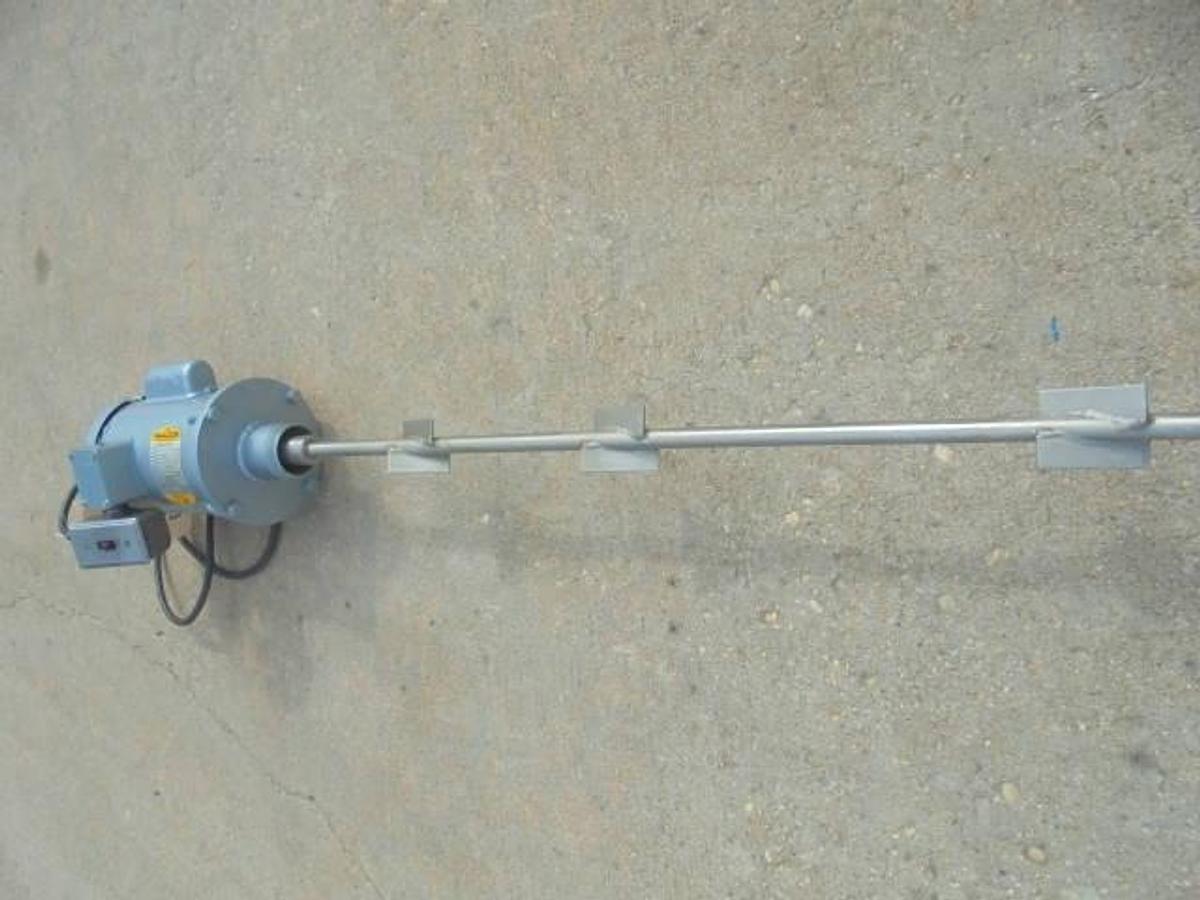
Used Eastern industrial equipment covers a broad range of manufacturing categories. Common machinery available on the secondary market includes drum mixers, fabrication equipment, assembly machinery, precision machining centers, and components used in automotive and aerospace production. Eastern manufacturers, particularly those based in Japan, South Korea, Taiwan, and China, have long supplied equipment to global industrial markets, so used examples of their machines surface regularly through specialized dealers.
Beyond general fabrication and assembly tools, buyers often find CNC machining centers, stamping presses, welding systems, and material handling equipment sourced from Eastern manufacturers. Brands such as Mitsubishi, Fanuc, Hyundai, and Samsung have strong reputations for precision engineering, and their used machines remain highly sought after because of their build quality and the complexity of components they can produce. Buyers looking for specific machinery should work with dealers who specialize in industrial equipment, as they tend to carry more targeted inventory and can help match a machine to a particular production need.
How does buying used Eastern industrial equipment compare to buying used Western-manufactured machinery?
Used Eastern industrial equipment often carries a meaningful price advantage over comparable Western-manufactured machines. Buyers frequently report savings in the range of 20 to 50 percent when choosing Eastern-made equipment, even after accounting for shipping and any import-related costs. This gap has narrowed somewhat as Eastern manufacturers, particularly Japanese and South Korean brands, have built strong reputations for precision and durability that rival their Western counterparts.
The practical difference for a buyer shopping the used market comes down to parts availability, technical support, and how well the machine's original design holds up over time. Japanese and South Korean equipment tends to have broader global support networks, making it easier to source replacement components and service documentation. Chinese-manufactured equipment has improved substantially in quality over the past decade, with brands like SANY and Komatsu gaining real credibility in international markets. Regardless of origin, buyers should evaluate each machine on its individual condition, maintenance history, and the availability of parts and service support rather than relying solely on country of manufacture as a quality indicator.
What certifications should I look for when purchasing used Eastern industrial equipment?
When evaluating used Eastern industrial equipment, the two most commonly referenced certifications are ISO 9001 and CE marking. ISO 9001 indicates that the manufacturer operated under a documented quality management system at the time the machine was produced, which gives buyers some confidence in the consistency of the original build. CE marking is required for equipment sold into European markets and signals compliance with specific safety and performance directives. For buyers in North America, UL listing or CSA certification may be relevant depending on the application and local regulatory requirements.
It is worth noting that certifications speak to how the machine was built, not necessarily its current condition after years of use. When buying used, buyers should request any available documentation, including original manuals, maintenance records, and certification paperwork, and treat those documents as one input among several rather than a guarantee of current performance. A physical or video inspection of the machine is far more telling than paperwork alone. Buyers should also consult with the original manufacturer to understand what level of technical support and parts availability they can expect for a specific model and age of machine, since older equipment may fall outside the manufacturer's active support window.
Is replacement parts availability a concern when buying used Eastern industrial equipment?
Parts availability is one of the most practical considerations when purchasing any used industrial machine, and Eastern equipment is no exception. The answer varies considerably depending on the brand, age, and model. Japanese and South Korean brands with strong global distribution networks, such as Fanuc or Mitsubishi, tend to have better parts availability through North American distributors and authorized service centers. For older or less common models, buyers may need to source components directly from overseas suppliers, which adds lead time and cost to any repair.
Before committing to a purchase, buyers should contact the original manufacturer or their regional representative to ask specifically about parts support for the model in question. Some manufacturers maintain full parts catalogs for machines that are decades old, while others discontinue support after a certain number of years. It is also worth asking the equipment dealer whether they stock any common wear items or consumables for the machines they sell. A dealer who specializes in a particular type of Eastern equipment is more likely to have practical knowledge about parts sourcing than a general auction house or reseller. Factoring in parts availability upfront can prevent costly downtime later.
Are used Eastern industrial machines compatible with North American electrical standards?
Electrical compatibility is a legitimate concern when importing used industrial equipment from Eastern manufacturers, and it requires attention before the machine arrives on site. Most industrial equipment produced in Japan, South Korea, and Taiwan is designed for 200V to 220V three-phase power, which is broadly compatible with North American industrial power supplies, though specific voltage, frequency, and plug configurations may still require adaptation. Chinese equipment may be configured for 380V three-phase, which is the Chinese industrial standard, and may need transformer or electrical modification to run correctly in a North American facility.
Buyers should request the full electrical specifications of any machine before purchase and have a qualified electrician review them against the facility's available power supply. In some cases, the adaptation is straightforward and inexpensive. In others, particularly with larger or more complex machines, rewiring or installing step-up transformers can add meaningful cost to the project. Some used equipment dealers can advise on what modifications were made to a machine before it was sold domestically, which is helpful if the machine was previously operated in a North American facility. Confirming electrical compatibility early in the buying process prevents surprises during installation.
What should I expect during the inspection process for used Eastern industrial equipment?
Inspection is one of the most important steps in buying used industrial equipment, and reputable dealers will accommodate it in several forms. Buyers can typically arrange an in-person visit to the dealer's facility, or request a video walkthrough if traveling is not practical. In some cases, a machine may still be installed and operating at the facility where it was decommissioned, which allows for a more thorough assessment of its working condition in a real production environment. Dealers will generally coordinate access to those locations between the buyer and the current owner.
It is important to understand what a dealer-facilitated inspection can and cannot show. Most equipment dealers are not set up to run full production trials, as that would require permits, materials, and tooling that fall outside the scope of a resale operation. What a good inspection can reveal is the machine's physical condition, signs of wear or damage, completeness of components, and basic mechanical function. Buyers who want a deeper technical assessment should consider bringing a qualified technician or engineer familiar with the specific type of machinery. For Eastern equipment with documentation in a foreign language, having someone who can read the original manuals and service records is an added advantage during the inspection process.
How is used Eastern industrial equipment typically shipped, and what costs should buyers anticipate?
Shipping used industrial equipment involves more logistical complexity than standard freight, and costs vary based on the size and weight of the machine, the level of packaging required, and the distance between origin and destination. Smaller machines like portable drum mixers are generally palletized and shipped via standard LTL freight carriers. Larger equipment, such as machining centers or heavy fabrication machinery, may require custom crating and specialized rigging for both loading at the origin and unloading at the buyer's facility. These rigging costs are typically separate from the freight charge and should be confirmed with the dealer before finalizing a purchase.
Buyers should ask the dealer for a complete breakdown of landed costs, which includes packaging, rigging, freight, and any applicable import duties or customs fees for equipment sourced internationally. Packaging standards matter because inadequate protection can result in damage during transit, and the responsibility for that damage depends on how the shipment was arranged and insured. It is also worth confirming whether the dealer arranges shipping directly or whether the buyer is expected to coordinate their own freight. Getting clarity on all of these details upfront helps avoid unexpected costs and ensures the machine arrives in the condition it was sold.
What payment terms are standard when purchasing used industrial equipment?
Used industrial equipment transactions are typically conducted on a payment-before-shipment basis. Most dealers require full payment prior to releasing a machine for shipping, which is a standard practice in the industry given the high value of the equipment and the logistics involved in moving it. This means buyers should be prepared to complete payment, confirm banking details carefully, and allow time for funds to clear before expecting a ship date to be scheduled.
Some dealers extend payment terms to repeat customers or buyers with an established purchasing history, but this is not the norm for first-time transactions. Buyers working with a dealer for the first time should expect to pay in full upfront. It is reasonable to ask the dealer about their accepted payment methods, whether wire transfer, credit card, or other arrangements, and to request a written invoice or purchase agreement that clearly describes the machine, its condition as represented, and the agreed price before sending any funds. Keeping clear documentation of the transaction protects both parties and provides a reference point if any questions arise after delivery.
What industries commonly use Eastern-manufactured industrial equipment?
Eastern industrial equipment has found wide adoption across a range of manufacturing sectors globally. The automotive industry is one of the largest consumers, relying on precision machining centers, stamping presses, welding systems, and assembly line equipment from Japanese, South Korean, and Chinese manufacturers. Aerospace manufacturing also draws on Eastern-made equipment, particularly for precision components that require tight tolerances and consistent quality. Electronics manufacturing, semiconductor production, and consumer goods fabrication are additional sectors where Eastern machinery has a strong presence.
Beyond these high-profile industries, Eastern industrial equipment is common in food processing, chemical manufacturing, plastics, and general metal fabrication. The variety of available equipment reflects the breadth of Eastern manufacturing capabilities, from small portable mixers used in batch processing to large-scale CNC machining centers used in precision part production. On the used market, buyers from virtually any manufacturing background can find Eastern equipment that fits their production needs, often at a lower cost than comparable Western-made alternatives. The key is working with a dealer who understands the specific application and can help identify machines with the right specifications for the job.
How do I choose a reputable dealer when buying used Eastern industrial equipment?
Selecting the right dealer is as important as selecting the right machine, particularly in the used equipment market where the condition of any individual piece can vary widely. A dealer with a long track record in industrial machinery sales is generally a safer choice than a general liquidator or auction platform, because specialized dealers tend to have deeper knowledge of the equipment they carry, better relationships with manufacturers and parts suppliers, and more experience managing the logistics of shipping heavy machinery. Buyers should look for dealers who focus specifically on the category of equipment they need, whether that is mixing equipment, machining centers, or fabrication machinery.
Before committing to a purchase, it is reasonable to ask a dealer how long they have been in business, what their process is for inspecting and representing the condition of their inventory, and whether they can provide references from past buyers. A dealer who is transparent about a machine's condition, including visible wear, missing components, or unknown service history, is generally more trustworthy than one who describes everything in uniformly positive terms. Buyers should also verify that the dealer will accommodate an inspection, either in person or by video, before purchase. A dealer who discourages inspection of a used machine is a red flag worth taking seriously.