Category
Manufacturer
Model
EHS Solutions
FAQ:
What types of EHS Solutions equipment are typically available on the used market?
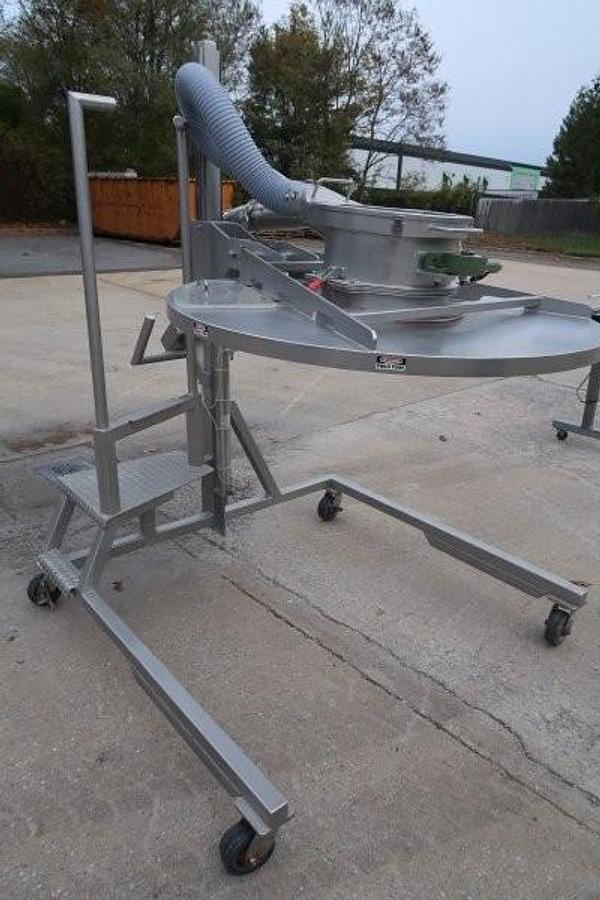
EHS Solutions is known for producing pharmaceutical and food-grade processing equipment, with bowl lifts being among the more commonly traded pieces on the secondary market. A pharmaceutical bowl lift, such as the air-operated models that surface through used equipment dealers, is designed to safely raise and tilt heavy mixing bowls in regulated production environments. These machines are built to meet the sanitary and ergonomic demands of pharmaceutical, nutraceutical, and food manufacturing facilities, where manual lifting of large bowls poses both safety and contamination risks.
Beyond bowl lifts, buyers searching the used market for EHS Solutions equipment may encounter related material handling and ergonomic safety equipment suited for GMP (Good Manufacturing Practice) environments. Because the market for this brand is relatively specialized, availability can vary significantly at any given time. Buyers are best served by setting up alerts with reputable used equipment dealers who specialize in pharmaceutical and food processing machinery, so they are notified when relevant pieces become available.
What should I look for when buying used pharmaceutical bowl lift equipment?
Condition assessment is the most critical step when purchasing a used pharmaceutical bowl lift. Key areas to evaluate include the integrity of the lift mechanism, the condition of any pneumatic or hydraulic components, the state of stainless steel surfaces (looking for pitting, cracks, or welds that could harbor contamination), and the overall structural soundness of the frame. For air-operated models specifically, the pneumatic cylinders, valves, and tubing should be inspected for wear, leaks, or corrosion. Any signs of improper repair or modification should be noted and discussed with the seller before purchase.
Beyond mechanical condition, buyers should consider whether the equipment still meets the regulatory requirements of their facility. Pharmaceutical and food-grade environments often require equipment to comply with FDA, cGMP, or 3-A Sanitary Standards. Requesting photos, videos, or an in-person inspection from the dealer is strongly advised. Checking with the manufacturer about parts availability and technical support for the specific model and age of the equipment is also a smart step before committing to a purchase, since older models may have limited support infrastructure.
How do I determine if a used EHS Solutions bowl lift is compatible with my existing mixing equipment?
Compatibility between a bowl lift and your existing mixer comes down to a handful of specific measurements: bowl diameter, bowl capacity (in liters or gallons), the lift height range, and the tilt angle the machine provides. EHS Solutions bowl lifts are designed to pair with planetary mixers and similar equipment common in pharmaceutical and food production. Before purchasing, you should confirm the bowl dimensions your current mixer uses and cross-reference them against the specifications listed for the used equipment. Dealers who specialize in pharmaceutical processing equipment can often help buyers verify fit.
It is also worth considering the physical footprint of the lift relative to your production floor layout, as well as the air supply requirements for air-operated models. Pneumatic equipment requires a compressed air source at a specific pressure rating, so your facility's air supply capacity needs to match the machine's operating requirements. If detailed spec sheets are not included in the listing, ask the dealer to provide them or to capture measurements during an inspection. Getting this information upfront prevents costly mismatches after the equipment has shipped.
What does the inspection process look like when buying used EHS Solutions equipment?
Reputable used equipment dealers typically offer buyers the option to inspect machinery in person, via a live video call, or through detailed video recordings of the equipment. For pharmaceutical and food processing equipment like bowl lifts, a thorough inspection should cover the mechanical operation of the lift and tilt functions, the condition of all contact surfaces, the state of pneumatic or hydraulic components, and any visible signs of wear, damage, or prior repair. If the equipment is still installed at a production facility, the dealer can often arrange an inspection at that location, and in some cases the machine may even be observed in active use.
Keep in mind that most used equipment dealers operate as resellers, not production facilities, so they are generally not set up to run a full production test using your specific product or process. What they can demonstrate is the mechanical function of the equipment itself. Buyers with strict validation requirements should plan for their own installation qualification (IQ) and operational qualification (OQ) processes after the equipment arrives at their facility. Arranging the most detailed inspection possible before purchase is the best way to reduce uncertainty about the machine's current condition.
Are replacement parts available for used EHS Solutions equipment?
Parts availability for used EHS Solutions equipment depends largely on the age and model of the specific machine. EHS Solutions is a specialized manufacturer in the pharmaceutical and food equipment space, and like most equipment manufacturers, they may support some models more actively than others depending on how long ago those units were produced. Before purchasing a used bowl lift or any other piece of EHS Solutions equipment, it is worth contacting the manufacturer directly to ask about parts availability, service documentation, and whether technical support is offered for that particular model.
For pneumatic components, many standard parts such as cylinders, valves, and fittings can be sourced from third-party industrial suppliers even if the manufacturer no longer stocks them directly. Stainless steel fabricated components, however, may need to come from the manufacturer or a qualified fabrication shop. Buyers who depend on rapid uptime in regulated environments should factor parts lead times into their purchasing decision and consider stocking critical wear items at the time of purchase if they are still available.
What are the typical shipping and rigging considerations for used pharmaceutical bowl lift equipment?
Bowl lifts and similar pharmaceutical processing equipment are heavy, structurally complex machines that require careful preparation before transport. Dealers will typically palletize or crate equipment to protect it during transit, and the level of packaging required directly affects shipping costs. Buyers should ask the dealer specifically how the machine will be packaged, what rigging will be used for loading, and whether the buyer's facility will need a forklift or other unloading equipment on the receiving end. Getting a clear picture of all these logistics upfront helps avoid surprises on delivery day.
For larger or heavier equipment, professional rigging services may be required for both loading at the dealer's location and unloading at the buyer's facility. These rigging costs are typically separate from freight charges and should be factored into the total landed cost of the equipment. Buyers should also confirm whether the dealer ships domestically only or can arrange international freight, and whether any disassembly is needed to make the machine shippable. Asking for a detailed freight quote that breaks out packaging, rigging, and transportation costs separately is the clearest way to understand what you are actually paying.
What payment terms should I expect when purchasing used equipment from a dealer?
The standard practice in the used equipment industry is full payment prior to shipment. This applies to most transactions regardless of the buyer's size or purchasing history. Some dealers may offer extended terms to established customers with a track record of repeat business, but buyers should not assume credit terms will be available, particularly for a first purchase. Wire transfer is the most common payment method for used machinery transactions, though some dealers also accept credit cards or other forms of electronic payment.
Buyers should also be aware that the quoted price for a piece of equipment typically does not include shipping, rigging, or any applicable taxes, so the final cost can be meaningfully higher than the listed price. Confirming the total landed cost, including all fees, before submitting payment is essential. For high-value equipment, some buyers choose to work with an escrow service to provide an additional layer of protection during the transaction, though this is more common in private-party sales than through established dealers.
How does buying used pharmaceutical equipment differ from buying it directly from a manufacturer?
Purchasing used pharmaceutical equipment through a secondary market dealer is fundamentally different from a direct manufacturer purchase in several important ways. Used equipment is sold in its current condition, without the benefit of factory testing, calibration to spec, or any manufacturer-backed coverage. The buyer takes on more responsibility for verifying condition, compatibility, and fitness for purpose before the sale is finalized. This is why the inspection process carries so much weight in used equipment transactions. A buyer who skips or rushes the inspection phase has limited recourse if the equipment does not perform as expected after delivery.
On the other hand, buying used equipment can offer significant cost advantages, particularly for capital-constrained operations or for buyers who need equipment quickly and cannot wait for a manufacturer's lead time. Used equipment is also the only option when a specific model that has been discontinued is needed to match existing equipment in a production line. The key to a successful used equipment purchase is selecting a dealer who specializes in the relevant equipment category, has a verifiable track record, and is willing to provide thorough documentation and inspection access before the transaction is completed.
What compliance and regulatory standards should buyers consider when sourcing used EHS Solutions equipment for pharmaceutical applications?
Pharmaceutical manufacturing environments in the United States operate under FDA regulations and current Good Manufacturing Practice (cGMP) guidelines, which set specific requirements for equipment design, materials of construction, and cleanability. When evaluating used pharmaceutical bowl lift equipment, buyers need to assess whether the machine's construction, particularly its contact surfaces and sanitary design, still meets the standards required by their facility's validation protocols. Equipment that has been well-maintained and shows no signs of surface degradation or improper modification is more likely to pass an installation qualification review.
Buyers operating in food production environments face similar scrutiny under FDA Food Safety Modernization Act (FSMA) requirements and may also need to meet 3-A Sanitary Standards for specific equipment types. Before purchasing, it is advisable to review the original equipment specifications against your facility's current compliance requirements. If documentation such as material certifications or original design drawings is available from the dealer, requesting those records can simplify the qualification process after installation. When documentation is unavailable, buyers may need to engage a qualified engineer to assess the equipment's compliance suitability independently.
How can I evaluate whether a used equipment dealer is reputable before making a purchase?
The used equipment market includes dealers of widely varying quality, so due diligence on the seller is just as important as evaluating the equipment itself. A reputable dealer will have a verifiable history in the industry, ideally spanning many years, with a track record that can be confirmed through references, reviews, or industry associations. Specialization matters too. A dealer who focuses specifically on pharmaceutical and food processing equipment will have more relevant expertise and a better-curated inventory than a general industrial reseller. They are also more likely to understand the specific compliance and sanitary requirements that buyers in those industries face.
Practical signals of a trustworthy dealer include transparent communication about the equipment's condition (including known issues), willingness to facilitate in-person or video inspections, clear documentation of what is and is not included with the machine, and straightforward answers about shipping, payment, and logistics. Dealers who are evasive about inspection access or who pressure buyers to purchase quickly without adequate review time are worth approaching with caution. Asking for references from past buyers of similar equipment is a reasonable request that a reputable dealer should be able to accommodate.