Category
Manufacturer
Model
Duriron
Duriron is a well-established name in the field of industrial pumps and valves, serving industries such as chemical processing and wastewater treatment. The company is recognized for its durable and corrosion-resistant equipment designed to withstand harsh industrial environments.
FAQ:
What is Duriron and why is it well-regarded in industrial applications?
Duriron is a long-established manufacturer of pumps and valves that built its reputation on corrosion-resistant equipment designed for the most demanding industrial environments. The brand became synonymous with durability in chemical processing, petrochemical, pharmaceutical, pulp and paper, and wastewater treatment industries, where standard materials simply can't hold up against aggressive media. Over time, Duriron was absorbed into Flowserve through a series of mergers and acquisitions, but the equipment produced under the Duriron name remains widely used and highly respected across these sectors.
What sets Duriron apart is the materials science behind its products. The company developed proprietary alloys and non-metallic materials, including high-silicon iron (the material the brand name itself derives from), Durco alloys, and Ni-Resist, that are specifically engineered to resist acids, alkalis, and other corrosive substances that would destroy conventional pump and valve materials. This focus on material performance made Duriron equipment a go-to choice for plant engineers dealing with difficult fluid handling challenges, and that legacy is a big reason why used Duriron equipment continues to trade actively in the industrial surplus marketplace decades after manufacture.
What types of Duriron pumps and valves are commonly available on the used equipment market?
The used market for Duriron equipment is fairly broad, reflecting the wide range of products the company produced over its history. Centrifugal pumps are among the most commonly traded items, including end-suction process pumps in various sizes and horsepower ratings. Vertical pumps, including vertical turbine and sump configurations, also appear regularly. On the valve side, Duriron produced a range of lined and alloy valves suited for corrosive service, and these show up in surplus inventories as plants upgrade, decommission, or reconfigure their process systems.
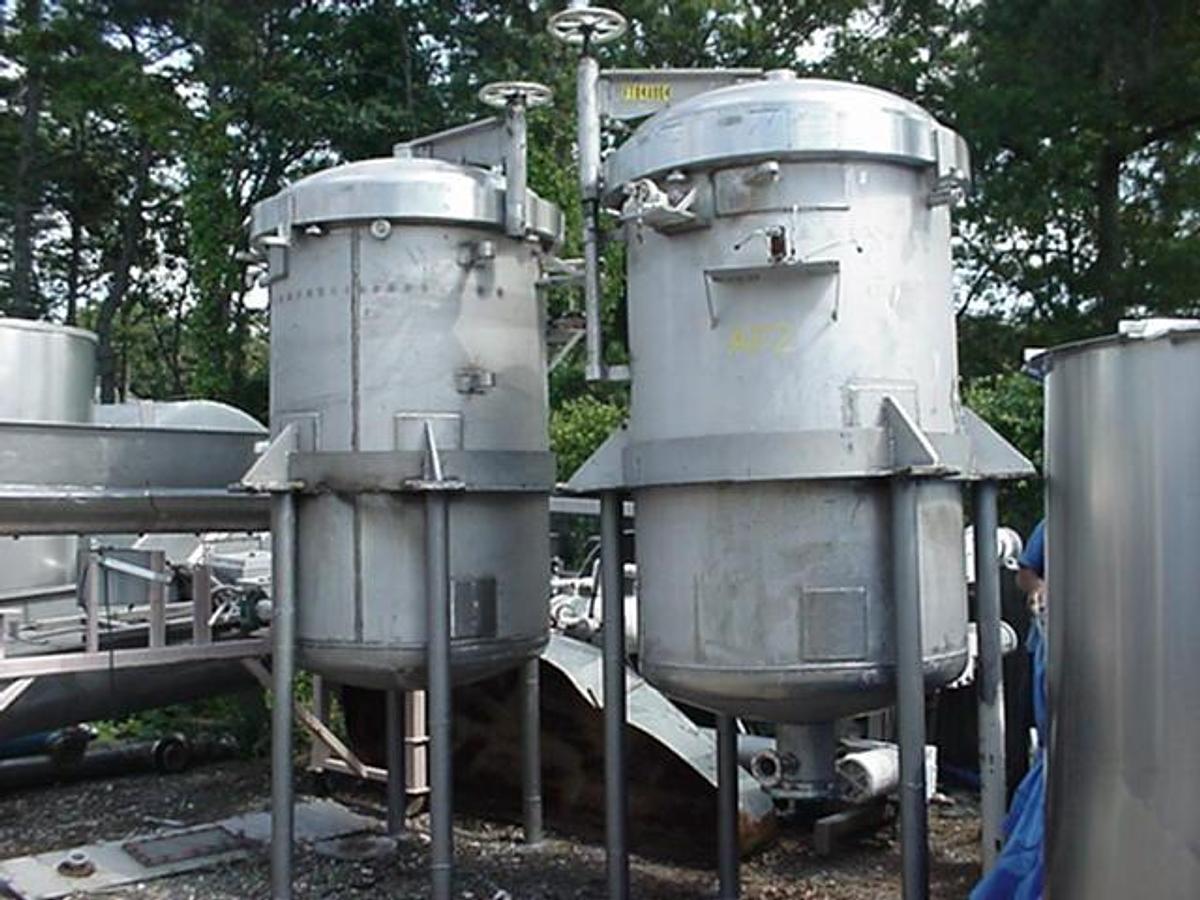
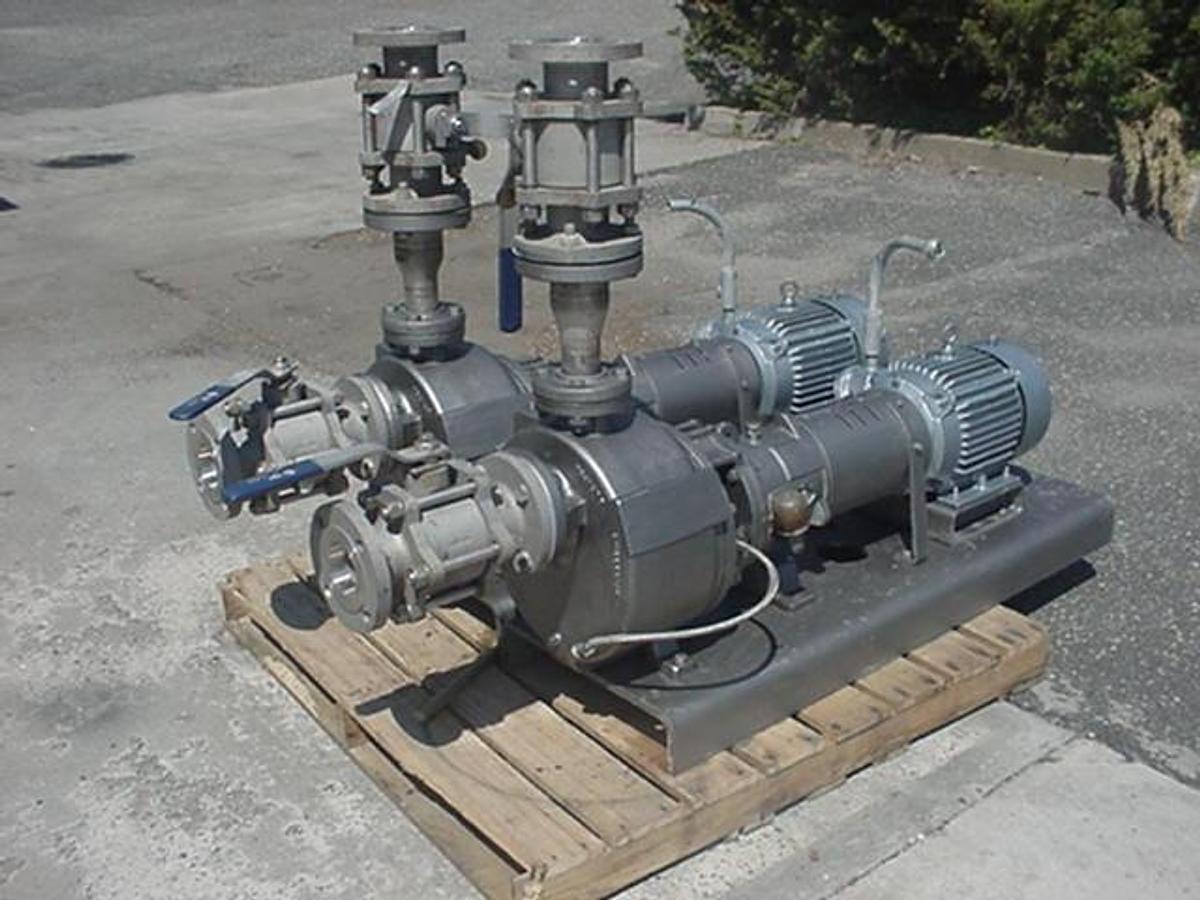
Specialty filtration equipment also surfaces in Duriron inventories. Vertical pressure leaf filters, for example, are a category of Duriron equipment sought after in chemical and process industries for liquid-solid separation. When searching the used market, buyers will encounter equipment listed with Duriron model designations that include material and size codes embedded in the model number, such as the 2K3x2US centrifugal pump designation that indicates casing material, inlet and outlet sizes, and other configuration details. Understanding how to read these model codes is important for confirming that a particular piece of surplus equipment fits the intended application before purchase.
Which industries typically use Duriron pumps and valves?
Duriron equipment was designed from the ground up for industries where fluid handling involves corrosive, abrasive, or otherwise aggressive media. Chemical processing is the most prominent application, where plants handle acids, caustics, solvents, and other substances that attack standard pump materials. Petrochemical refineries, pharmaceutical manufacturers, and pulp and paper mills have all historically relied on Duriron equipment for similar reasons. Wastewater treatment facilities also use Duriron pumps and valves, particularly in areas of the process where chemical dosing or sludge handling introduces corrosive conditions.
Beyond these core sectors, Duriron equipment finds use in mining and mineral processing, food and beverage production involving acidic products, and general industrial applications where fluid purity or material compatibility is a concern. The breadth of industries that used this equipment is one reason the used market stays active. When a plant in any of these sectors upgrades its process or shuts down a production line, the Duriron equipment that comes out of service is often still mechanically sound and attractive to buyers in the same industries who need proven corrosion-resistant solutions without the cost of purchasing comparable equipment.
What materials are Duriron pumps and valves made from?
Duriron built its product line around materials specifically chosen for corrosion resistance rather than just mechanical strength. High-silicon iron, the material from which the Duriron name originates, is a cast iron alloy with a silicon content high enough to form a protective silica layer that resists most acids, including sulfuric, nitric, and hydrochloric acid at various concentrations. This made it particularly valuable in chemical plant applications where other metals would corrode rapidly. Ni-Resist, a nickel-alloyed cast iron, was used where resistance to alkalis and certain acids was the priority.
As the product line expanded, Duriron and its successor brands incorporated stainless steel alloys, including 316 stainless, for applications requiring both corrosion resistance and the mechanical properties of steel. Fluoropolymer-lined versions of valves and pump casings were also produced to handle highly aggressive chemicals where even the specialty irons weren't sufficient. When evaluating used Duriron equipment, the material designation embedded in the model number is critical. A pump in one material configuration may be entirely unsuitable for a service that an otherwise identical pump in a different material would handle without issue. Buyers should always cross-reference the material code against the fluid compatibility requirements of their specific application.
Are used Duriron pumps and valves a cost-effective alternative to purchasing comparable equipment?
For plants and facilities that need proven corrosion-resistant process equipment, used Duriron pumps and valves can represent significant savings compared to purchasing equivalent equipment. The brand's longevity in the industrial market means there is a steady supply of surplus equipment available as older facilities decommission or modernize, and because Duriron equipment was built to handle demanding service conditions, many pieces that come out of service still have considerable useful life remaining. Buyers in chemical processing, wastewater treatment, and similar industries have long recognized this, which is why Duriron equipment holds its value and trades actively in the surplus market.
That said, cost-effectiveness depends heavily on the condition of the specific piece being purchased and how thoroughly it was inspected before the transaction. Used equipment is sold as-is, so buyers carry the responsibility of verifying the equipment's condition rather than relying on any assurance from the seller. The savings on purchase price need to be weighed against any refurbishment, seal replacement, or other work that may be required to put the equipment into service. Buyers who take the time to inspect equipment carefully, verify material and model specifications, and factor in the cost of any needed reconditioning are the ones most likely to realize the full value that used Duriron equipment can offer.
How should buyers inspect used Duriron pumps and valves before purchasing?
Inspection is one of the most important steps in any used industrial equipment purchase, and Duriron pumps and valves are no exception. Reputable dealers will typically accommodate in-person inspections at their facility, or offer virtual inspections via video call or recorded video of the equipment. In some cases, equipment that hasn't yet been removed from a plant may be inspected at the operating facility, where it might still be in production or recently decommissioned. Either scenario gives the buyer a clearer picture of the equipment's history and current condition than photos alone can provide.
During an inspection, buyers should look at the condition of the casing material for signs of corrosion pitting, cracking, or erosion, which can be particularly relevant with high-silicon iron components since that material can be brittle. Shaft condition, seal areas, impeller wear, and bearing housings are all worth examining closely. It's also worth checking that model number plates are legible so the material and configuration can be confirmed. Keep in mind that dealers selling used equipment generally don't have the production permits or facilities to run a pump under actual process conditions, so functional testing with real product isn't typically possible. The inspection is about assessing mechanical condition and confirming specifications, not a full operational test. Consulting with the manufacturer's current support organization (Flowserve, in the case of Duriron equipment) about parts availability and technical support for a specific model and age of equipment is also a smart step before committing to a purchase.
What should buyers verify about model numbers and specifications when buying used Duriron equipment?
Duriron equipment model numbers carry a significant amount of configuration information, and decoding them correctly is essential to confirming that a specific piece of surplus equipment will work in a given application. The model designation typically encodes the pump size (inlet and outlet dimensions), the casing and impeller material, the hydraulic configuration, and sometimes the pressure rating. Two pumps that look nearly identical on the outside can have completely different material compositions and therefore very different chemical compatibility profiles. Buying a pump in the wrong material for a corrosive service can result in rapid equipment failure and potentially dangerous process conditions.
Beyond the model number itself, buyers should verify the nameplate data for pressure ratings, temperature limits, and motor specifications if the driver is included with the pump. For valves, confirming the end connection type, pressure class, and material is equally critical. If the nameplate is damaged or missing, that's a significant red flag that warrants extra caution. Cross-referencing the model number against Duriron or Flowserve technical documentation, which is often still available through Flowserve's support resources, can help confirm the full specification of a piece of equipment before purchase. Buyers who skip this verification step and rely solely on visual inspection or a seller's verbal description take on considerably more risk in a used equipment transaction.
How does shipping and logistics work for used Duriron pumps and valves?
Shipping industrial pumps and valves requires more planning than typical freight because of the weight, size, and fragility of certain components. Duriron equipment, particularly pumps with high-silicon iron casings, includes brittle cast components that can crack if improperly packaged or handled. Dealers will typically palletize or crate equipment before shipment, and the level of packaging required directly affects the shipping cost. Buyers should ask the dealer specifically how the equipment will be packaged and what that preparation will cost, since crating a large pump can add meaningfully to the total landed price.
For larger or heavier pieces, such as multi-stage pumps or large filter vessels, rigging equipment may be required for both loading at the dealer's facility and unloading at the buyer's location. Rigging costs are generally the buyer's responsibility and should be factored into the total cost of acquisition. Getting a clear picture of all costs, including the equipment price, packaging, freight, and any rigging at the destination, before finalizing a purchase prevents unpleasant surprises. Most dealers require full payment before equipment ships, though some may offer terms to established repeat customers. Confirming payment requirements and the shipping timeline upfront is a standard part of the purchasing process for used industrial equipment.
Are replacement parts still available for used Duriron pumps and valves?
Parts availability for Duriron equipment depends significantly on the age and model of the specific piece in question. Since Duriron was acquired by Flowserve, many Duriron pump lines have been continued or supported under the Flowserve brand, and Flowserve maintains support for a number of legacy Duriron products. For commonly used pump families like the Durco Mark series centrifugal pumps, wear parts, seal kits, and impellers have historically been available through Flowserve's parts network. However, for older or less common models, parts support can be more limited, and buyers should investigate this before committing to a purchase.
Contacting Flowserve directly with the model number and approximate age of the equipment is the most reliable way to gauge what level of parts and technical support to expect. Some buyers of used Duriron equipment also source parts through the industrial surplus market itself, where spare impellers, seal components, and other wear parts occasionally surface alongside complete machines. For critical applications where downtime is costly, understanding the parts supply situation before purchase is just as important as evaluating the equipment's current mechanical condition. A pump in excellent physical condition that can't be supported with replacement seals or wear parts when they're eventually needed may not be the bargain it initially appears.
How do used Duriron pumps compare to other corrosion-resistant pump options on the market?
Duriron equipment occupies a specific niche in the corrosion-resistant pump market based on its material construction. High-silicon iron, the material most closely associated with the Duriron name, offers exceptional resistance to a wide range of acids at concentrations and temperatures where even stainless steel alloys would corrode. This makes Duriron pumps particularly competitive in sulfuric acid service, mixed acid applications, and other aggressive chemical environments. Competing options in similar service include pumps made from exotic alloys like Hastelloy or titanium, fluoropolymer-lined pumps, and various high-alloy stainless configurations, each with their own trade-offs in cost, mechanical properties, and chemical compatibility.
On the used market, Duriron equipment is often available at a fraction of what comparable corrosion-resistant equipment costs to purchase, making it an attractive option for facilities that need proven performance with aggressive media but are working within budget constraints. The trade-off compared to purchasing current-production corrosion-resistant pumps is the absence of any manufacturer support or assurance on condition, the potential for limited parts availability on older models, and the need for thorough inspection before use. For buyers who do their homework on specifications, condition, and parts support, used Duriron equipment can be a very practical solution. For applications where a mistake in material selection or unexpected downtime would be especially costly, that due diligence becomes even more critical.