Category
Manufacturer
Model
Dt Industries/Kalish
Dt Industries/Kalish delivers an extensive range of filling and packaging machinery, particularly for the pharmaceutical sector. They are known for their robust and reliable blister packaging and bottle filling machines, ensuring adherence to industry standards.
FAQ:
What types of packaging machinery did DT Industries Kalish manufacture?
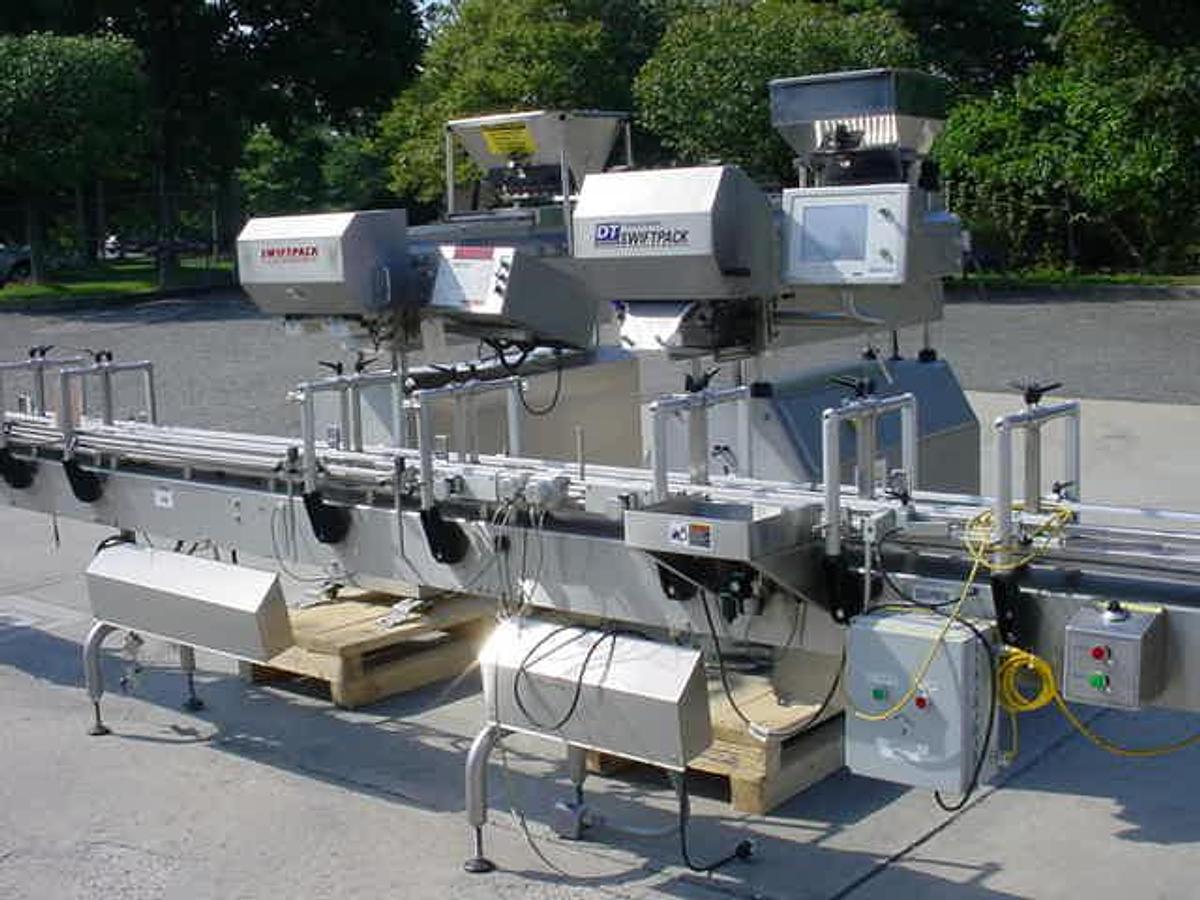
DT Industries Kalish built a broad range of filling and packaging equipment, with a strong focus on pharmaceutical and nutraceutical production. Their product lineup included bottle fillers, capping systems (sold under the Kalish Kaps name), tablet and capsule counters (the Kalish Count series), cottoners, and fully integrated packaging lines designed to handle multiple stages of the bottling process in sequence. The Swiftpack dual-station tablet and capsule packaging line is one example of a complete system that combined several functions into a single, continuous operation.
Kalish also produced blister packaging machinery, which was widely adopted in pharmaceutical manufacturing for unit-dose packaging of tablets and capsules. Their machines were built to meet the precision and cleanliness demands of regulated industries, which is a big part of why they remain sought after on the used equipment market decades after the brand stopped active production. Buyers looking at used Kalish equipment today will typically find individual machines like fillers or cappers, as well as complete lines where multiple units were kept together after decommissioning.
What industries are DT Industries Kalish machines best suited for?
Kalish packaging equipment was designed primarily for pharmaceutical and nutraceutical manufacturers, and that is still where the majority of used Kalish machines end up. The equipment's precision counting, filling tolerances, and construction materials were built around the strict requirements of drug and supplement production, where accuracy and cleanliness are non-negotiable. Tablet counters, bottle fillers, and capping systems from Kalish are particularly well matched to operations producing bottled vitamins, capsules, tablets, and similar solid-dose products.
Beyond pharma and nutraceuticals, Kalish machines have been used in cosmetic and food packaging applications where similar filling and capping requirements apply. Companies producing liquid or powder products in bottles, for example, have adapted Kalish fill systems to their needs. That said, buyers from non-pharmaceutical industries should evaluate whether the machine's speed, fill range, and container compatibility align with their specific product and production volume before purchasing, since Kalish equipment was optimized around pharmaceutical-scale production runs.
Why is the used market the main source for DT Industries Kalish equipment?
DT Industries acquired Kalish, which was originally a Canadian packaging machinery manufacturer with a strong reputation in the pharmaceutical sector. Following corporate changes at DT Industries over the years, the Kalish brand is no longer actively manufactured. That means buyers who want this equipment cannot place an order with a factory; the secondary market is the only channel available. Used equipment dealers who specialize in pharmaceutical and packaging machinery are the primary source, and inventory turns over based on what facilities decommission or upgrade.
This situation is common with legacy packaging brands that built machines to last. Kalish equipment from the 1990s and early 2000s is still running in production facilities today, which speaks to the build quality. When a facility upgrades or closes, those machines enter the used market and are purchased by operations that want proven, durable equipment at a fraction of what comparable new machinery would cost. Buyers should work with dealers who have specific experience with Kalish equipment, since familiarity with the product line matters when it comes to accurately representing machine condition and sourcing support.
Are replacement parts still available for DT Industries Kalish machines?
Parts availability is one of the first practical questions buyers should address before purchasing used Kalish equipment, since the brand is no longer in active production. The situation varies by machine model and age. Some components, particularly wear items like seals, belts, and standard electrical components, can be sourced through aftermarket suppliers or fabricated by machine shops. Other parts that were proprietary to Kalish's design may be harder to find, and buyers should plan accordingly.
A useful step before purchasing is to contact the original manufacturer's successor organization or current support contacts to understand what level of parts support is available for a specific model. Some dealers who specialize in legacy pharmaceutical packaging equipment maintain their own inventory of used Kalish parts pulled from machines that were not resaleable as complete units. Buyers should ask the selling dealer directly whether they carry spare parts for the specific model being purchased, and it is worth requesting a list of any known wear items that will need attention in the near term. Factoring potential parts sourcing costs into the total acquisition budget is a practical approach for any used equipment purchase in this category.
Does DT Industries Kalish equipment meet current FDA and GMP compliance standards?
Kalish machines were engineered to meet pharmaceutical industry standards at the time of their manufacture, and many were built with GMP-compatible materials including stainless steel contact surfaces, sanitary fittings, and designs that support cleaning validation. Whether a specific used machine meets current FDA and GMP requirements depends on several factors: the model, the year of manufacture, any modifications made during its service life, and the specific compliance requirements of the buyer's facility and product type.
Buyers in regulated industries should have their quality and compliance teams evaluate any machine before purchase. This typically involves reviewing the machine's documentation, including any available validation records, IQ/OQ/PQ protocols from its previous installation, and maintenance logs. Some older Kalish machines may require upgrades to control systems, documentation, or physical components to meet current standards. Consulting with a validation specialist or equipment engineer familiar with pharmaceutical packaging lines is a practical step before committing to a purchase, particularly for operations that will need to qualify the equipment as part of an FDA-regulated manufacturing process.
What maintenance history and documentation should I request when buying used Kalish packaging machinery?
When evaluating any used Kalish machine, requesting as much documentation as possible from the seller is a sound practice. Useful records include maintenance logs showing scheduled service intervals and any repairs performed, a list of parts that were replaced during the machine's service life, and any calibration or validation records from its previous installation. If the machine was used in a pharmaceutical facility, there may be IQ/OQ/PQ documentation available that describes the machine's validated operating parameters, which can significantly reduce the cost of requalifying it at a new facility.
Not every used machine will come with complete records, particularly if it passed through multiple owners or sat in storage for a period. In those cases, a thorough inspection becomes even more important. Buyers should ask the dealer to arrange an in-person or video inspection so that the machine's physical condition, wear on key components, and overall state of preservation can be assessed directly. Reviewing the electrical panel, drive systems, and any product-contact surfaces during an inspection can reveal a great deal about how well the machine was maintained, even without paperwork to back it up.
How should I inspect a used Kalish packaging machine before buying?
Inspections are a standard part of buying used packaging equipment, and reputable dealers will accommodate in-person visits, live video calls, or recorded video walkthroughs of the machine. The goal is to get an accurate picture of the machine's current condition, including mechanical wear, the state of electrical components, and any visible damage or repairs. For Kalish machines specifically, it is worth paying close attention to the filling heads or counting mechanisms, since these are precision components that directly affect production accuracy and can be expensive to rebuild.
Some used Kalish machines are still in active production at a facility when they are listed for sale, in which case the dealer may be able to arrange an inspection at the plant where the machine is running. This is an ideal scenario because it allows the buyer to see the machine operating. Keep in mind that most used equipment dealers do not have production permits that would allow them to run actual product through a machine at their facility, so testing with live product is generally not possible once a machine has been moved to a dealer's warehouse. Buyers should ask the dealer to demonstrate basic mechanical function where possible, and consider bringing a qualified technician or engineer familiar with Kalish equipment to any in-person inspection.
What is the typical price range for used DT Industries Kalish packaging equipment?
Pricing for used Kalish packaging machinery varies considerably depending on the type of machine, its age, condition, and how complete the unit is. Individual machines such as a standalone capper, filler, or tablet counter will generally be priced lower than a complete integrated packaging line. A well-maintained Kalish Fill or Kalish Kaps unit in good working condition might range from several thousand dollars on the low end to tens of thousands for more complex or recently serviced equipment. Complete Swiftpack-style packaging lines that include multiple stations will typically command higher prices reflecting the combined value of the components.
Buyers should also factor in costs beyond the purchase price when budgeting. Shipping, crating, and rigging costs for larger machines can be significant, and any refurbishment, parts replacement, or compliance-related upgrades needed after purchase will add to the total cost of ownership. Getting a clear picture of the machine's condition through inspection before purchase is the most reliable way to estimate what additional investment may be required after the machine arrives. Comparing prices across multiple dealers who specialize in pharmaceutical packaging equipment will give a realistic sense of current market value for a specific model.
Can DT Industries Kalish machines be integrated with modern automation and control systems?
Many Kalish machines were built with control systems that reflect the technology available at the time of their manufacture, which for much of the product line means older PLCs, relay-based logic, or early HMI interfaces. These systems are functional and often very reliable, but they may not communicate natively with modern line control software, SCADA systems, or Industry 4.0-style automation platforms without some engineering work. Whether integration is straightforward or complex depends heavily on the specific machine model and its existing control architecture.
Upgrading the controls on a Kalish machine is a common approach for buyers who want to incorporate the mechanical reliability of the equipment into a modernized production environment. This typically involves replacing the existing PLC with a current model from a major supplier, updating the HMI, and rewiring as needed to support new communication protocols. A controls engineer with experience in packaging machinery retrofits can assess what is involved for a specific machine and provide a realistic cost estimate. Buyers should weigh the cost of any control upgrades against the overall value of the machine and the production benefits of integration before committing to this type of project.
What should buyers understand about shipping and payment when purchasing used Kalish packaging equipment?
Shipping costs for used packaging machinery are not always straightforward, and buyers should request a detailed breakdown before finalizing a purchase. Packaging requirements vary by machine size and weight: smaller units may ship on a standard pallet, while larger Kalish filling lines or complete packaging systems will require custom crating and heavy-duty rigging for safe loading and unloading. Rigging services, which involve using forklifts or cranes to move and load heavy equipment, are typically an added cost on top of freight. Understanding the full landed cost, meaning the purchase price plus all shipping, crating, and rigging fees, is important for accurate budgeting.
On payment terms, most used equipment dealers require full payment before a machine ships. Some dealers extend terms to repeat customers or established buyers, but this is not standard practice and should not be assumed. Buyers should confirm payment expectations early in the process to avoid delays. Arranging payment and logistics in advance, including confirming the buyer's facility has appropriate unloading equipment for a heavy machine, will help the transaction go smoothly once a purchase decision is made.