Category
Manufacturer
Model
Domino
Domino is a global leader in printing and coding technologies, offering inkjet, laser, and labeling solutions for product identification and traceability.
FAQ:
What is a Domino inkjet printer?
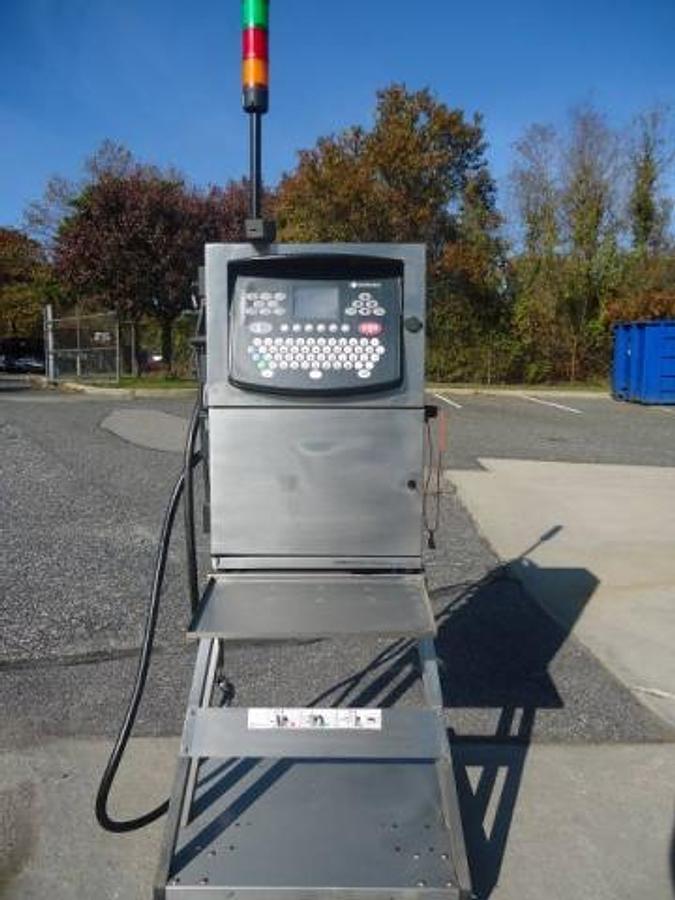
Domino inkjet printers are industrial coding and marking machines made by Domino Printing Sciences, a UK-based manufacturer with a long track record in product identification technology. These printers are used across manufacturing and packaging environments to print variable data such as expiration dates, batch codes, lot numbers, barcodes, and brand logos directly onto products or packaging as they move along a production line.
Domino offers several inkjet technologies under its product line, including Continuous Inkjet (CIJ), Thermal Inkjet (TIJ), and Drop-on-Demand (DOD) systems. Each technology is suited to different applications and substrates. CIJ printers, such as the popular Ax-Series, are widely used for high-speed production lines in food and beverage, pharmaceutical, automotive, and general packaging industries. TIJ systems are typically used for lower-volume or closer-contact printing, while DOD printers handle larger character printing on porous surfaces like cardboard and wood. The range and versatility of Domino's product line is a key reason the brand is considered one of the leading names in industrial inkjet printing globally.
Where are Domino printers manufactured?
Domino Printing Sciences was founded in the United Kingdom and maintains its headquarters in Cambridge, England. The company has been operating since 1978 and has grown into a global organization with manufacturing, sales, and service operations across multiple countries, including facilities in the United States, Germany, India, and China, among others.
Despite its global footprint, Domino's engineering roots and a significant portion of its research and development remain tied to the UK. The brand is recognized internationally as a British-origin manufacturer that brought Continuous Inkjet technology to widespread industrial use. Buyers sourcing used Domino equipment should be aware that specific models may have been built at different facilities depending on the era and the product line, but the core engineering standards and parts compatibility are generally consistent across the brand's history.
What types of Domino inkjet printers are commonly available on the used equipment market?
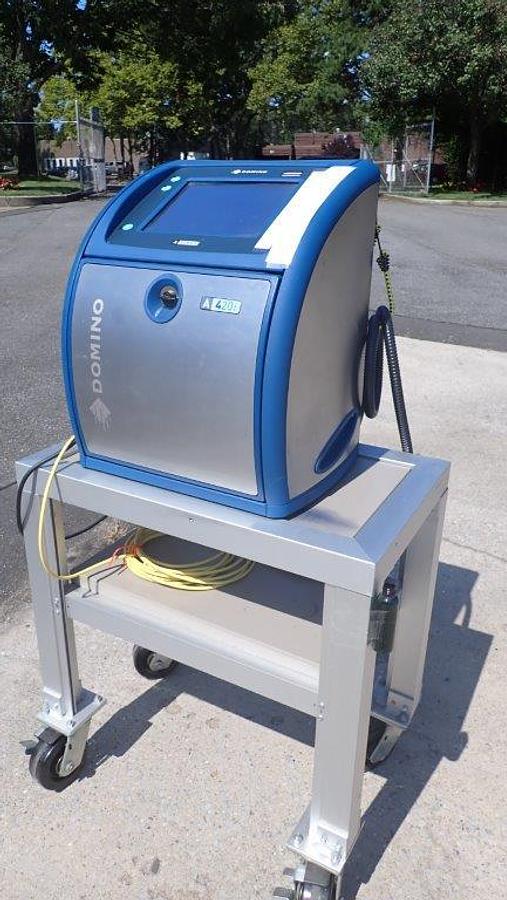
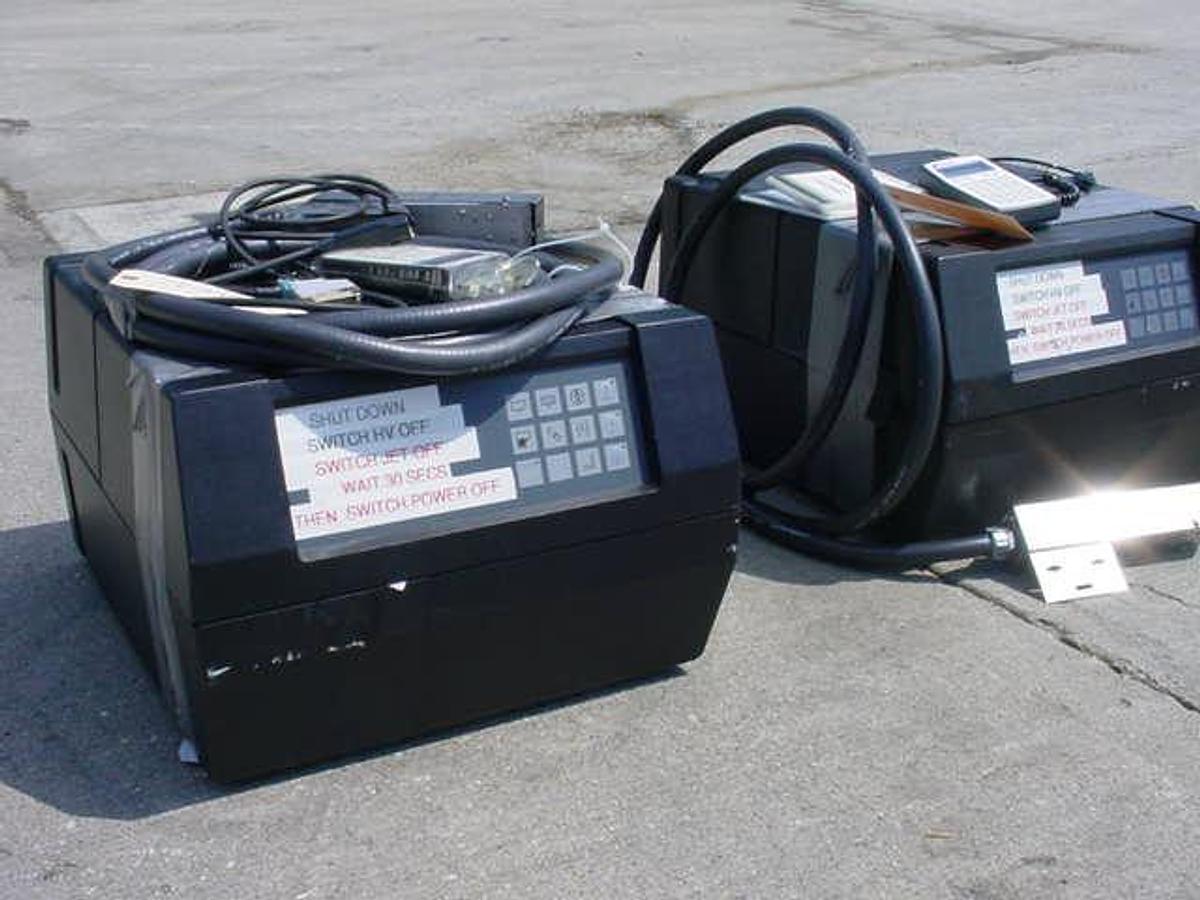
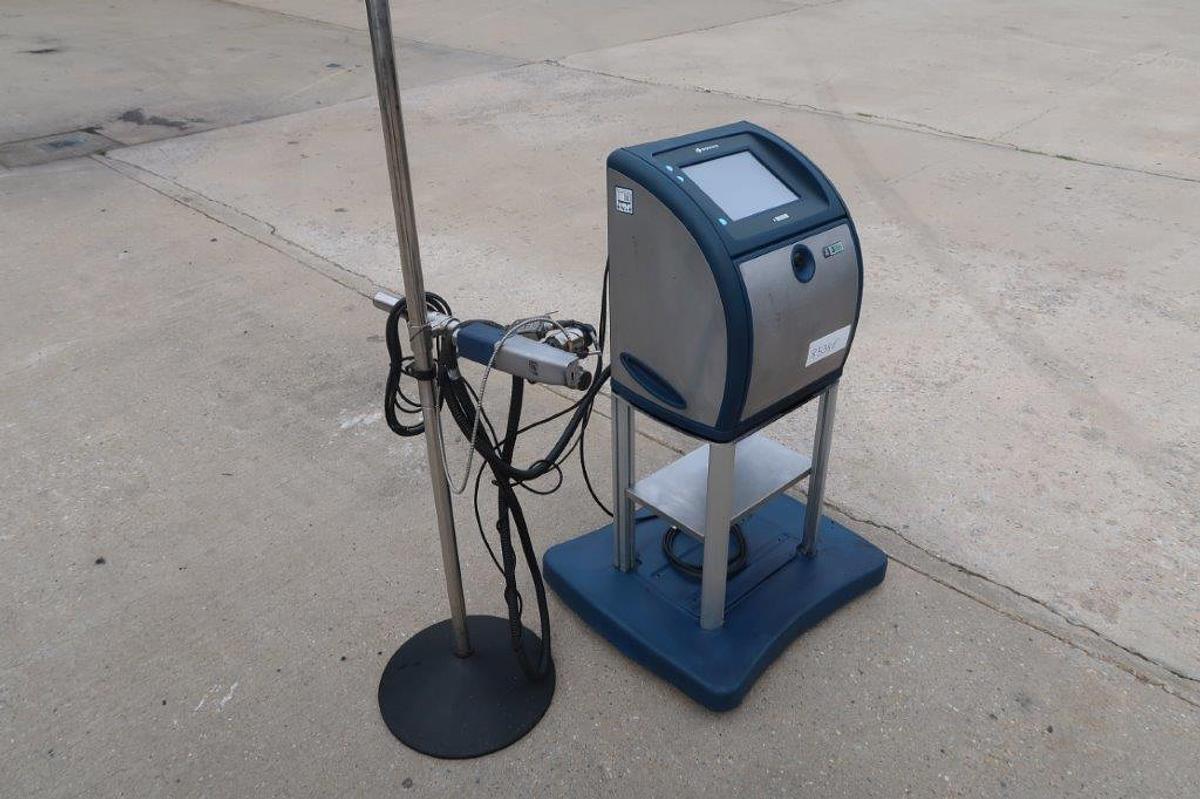
The used market for Domino inkjet printers includes a broad range of models spanning several product generations. Commonly available machines include models from the A-Series Continuous Inkjet line, such as the A100, A300, A320i, and A-4201, as well as older Amjet series units. These machines were widely deployed in food and beverage, pharmaceutical, and general industrial packaging operations, which means a steady supply of decommissioned units tends to circulate through the secondary market as facilities upgrade their equipment.
Beyond the A-Series, buyers may also find used Domino G-Series, V-Series, and i-Tech series printers depending on availability. Portable units like the A300 SE are particularly sought after for flexibility in smaller or multi-line operations. When evaluating used Domino equipment, it helps to identify the specific model number and production year, as this affects parts availability, software compatibility, and the level of manufacturer support that can be expected. Consulting directly with Domino Printing Sciences about a specific model's support status is a practical step before committing to a purchase.
What surfaces and materials can Domino inkjet printers print on?
Domino inkjet printers are designed to handle a wide variety of substrates, which is one of the main reasons they are favored in industrial production environments. Depending on the ink type and printer model, Domino CIJ systems can print on plastics, glass, metal cans, rubber, flexible packaging films, coated and uncoated cardboard, and even textured or irregular surfaces. The ability to print on non-porous surfaces without contact makes CIJ technology particularly useful in industries like beverage bottling, pharmaceutical blister packaging, and automotive parts marking.
Ink formulation plays a major role in substrate compatibility. Domino offers inks engineered for specific surface types, including fast-drying inks for porous materials, adhesion-promoting inks for plastics, and pigmented inks for dark or opaque substrates. When purchasing a used Domino printer, buyers should confirm which ink types the specific model supports and whether the inks required for their target substrate are still commercially available for that machine. Ink compatibility is a practical consideration that can affect the long-term usability of a used unit.
How fast can Domino inkjet printers print?
Domino Continuous Inkjet printers are built for high-speed industrial production and can achieve printing speeds that keep pace with fast-moving production lines. Many CIJ models in the Domino A-Series line are capable of printing at line speeds exceeding 1,000 feet per minute under the right conditions, depending on the character size, number of lines being printed, and the resolution selected. This makes them suitable for high-volume operations in beverage, dairy, snack food, and pharmaceutical packaging where throughput is critical.
Actual print speed on a used machine will depend on the model's specifications and its current mechanical condition. Older units may have wear on printheads, ink system components, or control electronics that can affect performance relative to the machine's rated specifications. Buyers evaluating used Domino printers for speed-sensitive applications should request a demonstration or inspection to assess the machine's current operating condition before purchase, as real-world performance on aged equipment can vary from published spec sheets.
How much do used Domino inkjet printers cost?
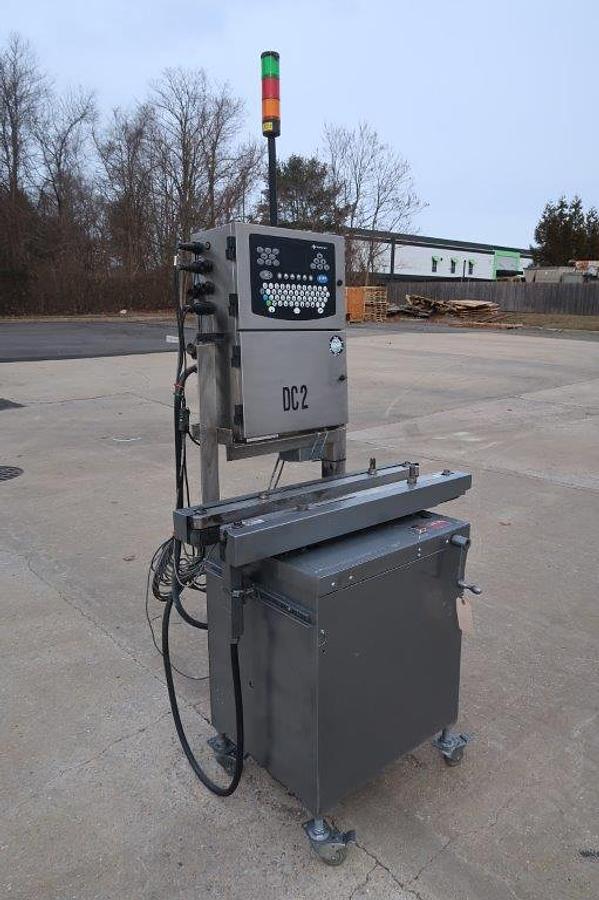
Pricing for used Domino inkjet printers varies considerably based on the model, age, condition, and included accessories. Entry-level or older CIJ models can be found in the range of a few hundred to a few thousand dollars, while more recent, higher-specification units in good working condition can command prices well into the tens of thousands of dollars. Portable units like the A300 SE tend to be priced differently than production-line mounted systems, and complete setups that include conveyors or transport systems will typically carry a higher price than standalone printer heads.
Beyond the purchase price, buyers should factor in the total cost of ownership, which includes ink, solvent, maintenance kits, replacement parts, and any service or calibration work needed to bring the machine up to production readiness. Shipping costs, crating, and rigging for larger systems can also add meaningfully to the landed cost. Requesting a detailed quote that breaks out all associated costs is a practical way to avoid surprises and accurately compare options across different used equipment sources.
Are used Domino inkjet printers reliable for production use?
Domino's industrial CIJ and DOD printers have a strong reputation for durability, and many units continue to operate reliably well beyond their initial production deployment. The Ax-Series in particular is known for a sealed printhead design and self-cleaning ink system that reduces maintenance demands compared to older generations of CIJ equipment. This engineering quality means used Domino machines, when properly maintained and inspected before purchase, can deliver solid performance in production environments.
That said, the reliability of any used machine depends heavily on its maintenance history, how it was operated, and how it was stored after decommissioning. Machines that sat idle for extended periods without proper ink system flushing can develop clogging or seal degradation. Buyers are strongly encouraged to request an in-person or video inspection of any used Domino printer before purchase. Reputable used equipment dealers will typically accommodate inspection requests, and some machines may still be installed in operating facilities where a live demonstration is possible. Verifying the machine's current working condition is the most reliable way to assess its suitability for production use.
What should buyers inspect when evaluating a used Domino inkjet printer?
A thorough inspection of a used Domino inkjet printer should cover several key areas. The printhead is the most critical component and should be examined for signs of clogging, corrosion, or physical damage. The ink and solvent delivery system, including tubing, filters, and pump components, should be checked for leaks, dried ink deposits, or deterioration. The control interface, whether a keypad or touchscreen, should be tested for full functionality, and the electrical components should show no signs of overheating or damage.
Beyond the mechanical inspection, buyers should ask the dealer about the machine's service history, the last date it was in active production, and whether it was properly flushed before storage. It is also worth contacting Domino Printing Sciences directly to determine whether the specific model and serial number is still supported with parts and technical assistance, as this can vary significantly by age and model generation. Dealers will generally offer in-person inspections, video walkthroughs, or video captures of the machine in its current state. Because most used equipment dealers are not set up for full production testing, buyers should have realistic expectations about the scope of what can be demonstrated during an inspection.
What ink types are used in Domino inkjet printers?
Domino CIJ printers use a solvent-based ink system that circulates ink through the printhead continuously, with unused ink recovered and returned to the reservoir. The inks are formulated for specific applications and substrates, and Domino has historically offered a wide catalog of ink options including MEK-based, acetone-based, ethanol-based, and water-based formulations. Pigmented inks are available for printing on dark surfaces, and there are specialty inks for applications requiring UV fluorescence, heat resistance, or food-contact compliance.
For buyers purchasing used Domino equipment, ink compatibility is an important practical consideration. Older models may require ink formulations that are less commonly stocked, or the machine's ink system may have been optimized for a specific ink type that affects what substitutions are practical. Running an incompatible ink can damage seals, tubing, and the printhead. Before purchasing a used unit, it is advisable to confirm with ink suppliers or Domino's technical team which inks are compatible with the specific model and whether those inks are readily available in the quantities needed for the intended application.
How does shipping work for used Domino inkjet printers?
Shipping a used Domino inkjet printer requires careful preparation to prevent damage in transit. Smaller portable units like the A300 SE can typically be palletized and shipped via standard freight carriers with proper padding and strapping. Larger production-line systems, particularly those mounted on conveyors or transport frames, may require custom crating and heavier rigging for safe loading and unloading. The cost of packaging, crating, and freight will vary based on the size and weight of the equipment and the destination.
Buyers should ask the selling dealer for a detailed breakdown of all shipping-related costs before finalizing a purchase, including palletization or crating fees, freight charges, and any rigging costs at the point of loading or delivery. For large or heavy systems, a forklift or crane may be needed at the receiving location, which is the buyer's responsibility to arrange. Understanding the full landed cost of the equipment, including shipping, is an important part of evaluating the true value of any used inkjet printer purchase.