Category
Manufacturer
Model
Doboy
Doboy specializes in packaging machinery, offering reliable solutions for bag sealing, flow wrapping, and case sealing in food and pharmaceutical industries.
FAQ:
What types of Doboy packaging machines are available on the used market?
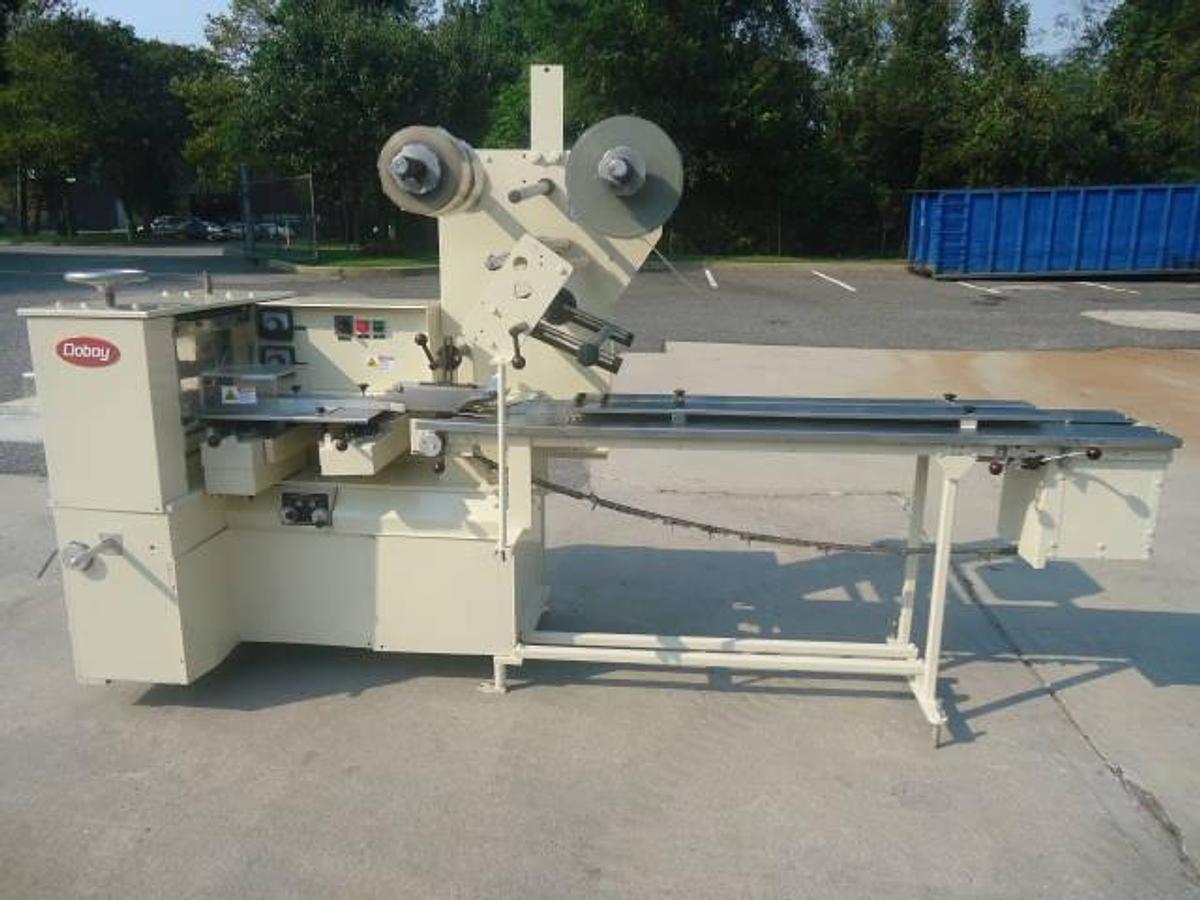
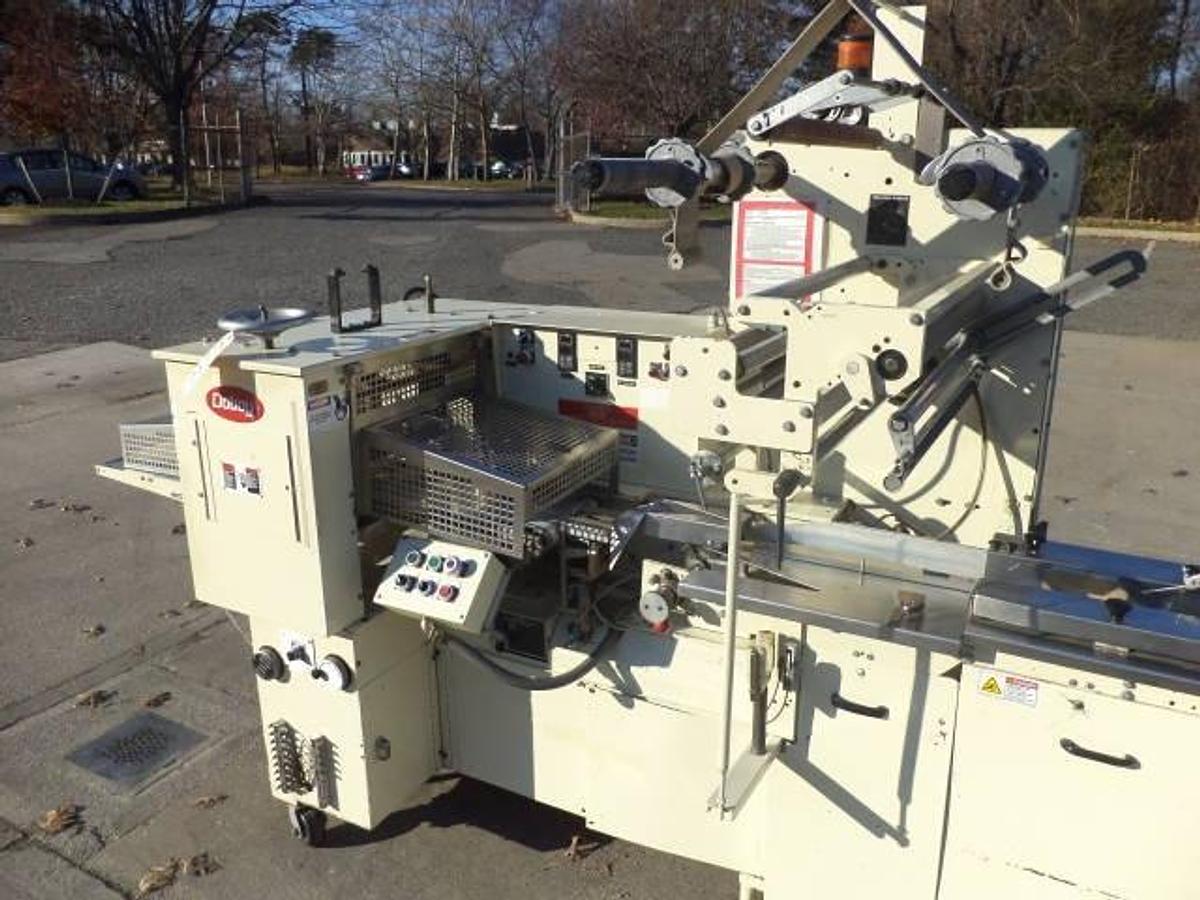
Doboy has built a broad line of packaging equipment over the decades, and used examples of most major machine types surface regularly through specialized dealers. The most common categories include horizontal flow wrappers (sometimes called horizontal overwrappers), continuous band sealers, and bag sealers. Within those categories, buyers will encounter well-known model lines such as the Doboy Linium, Stratus, Ventura, Zephyr, and the popular Super Mustang horizontal wrapper series. Each model was engineered for a different production speed range and product profile, so there is usually a used Doboy machine that fits a specific application.
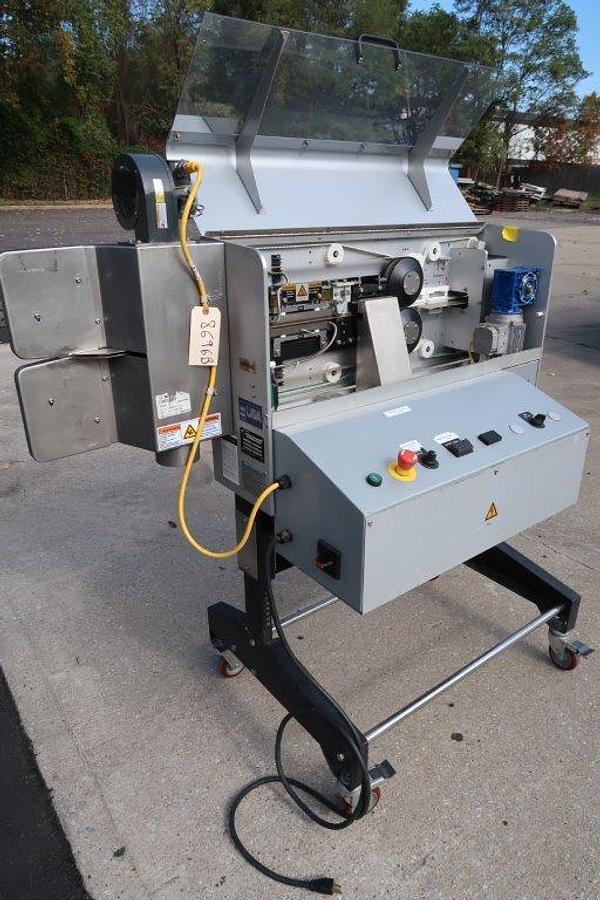
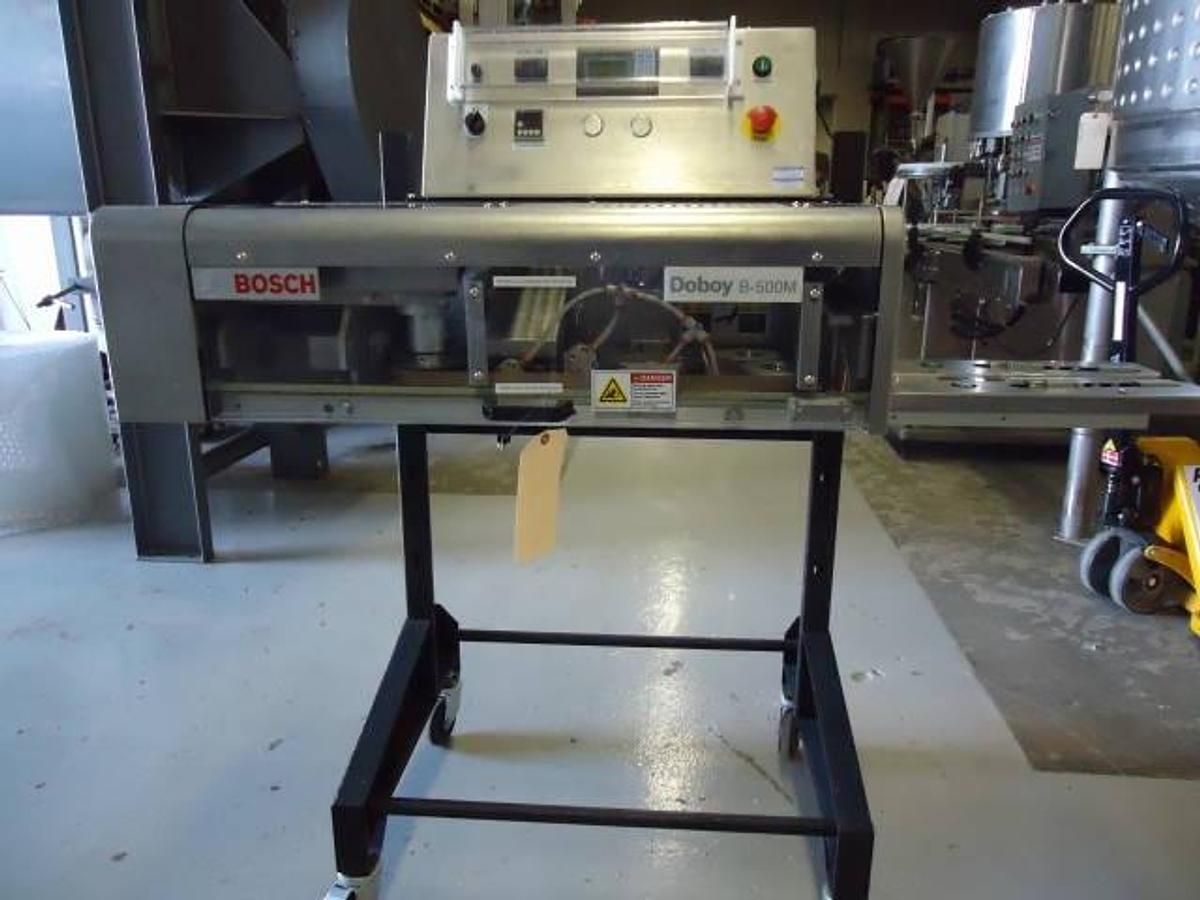
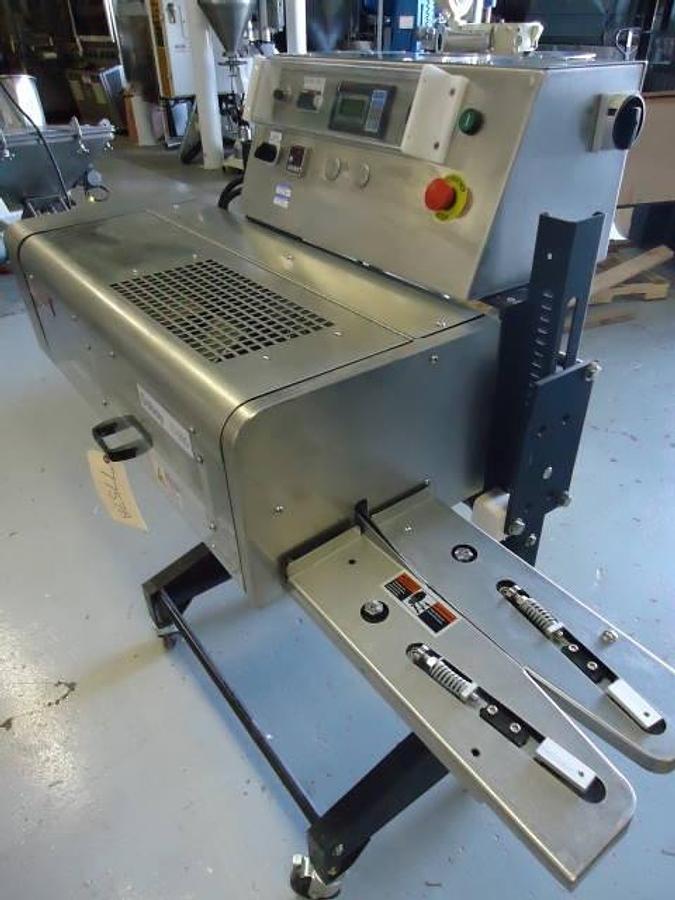
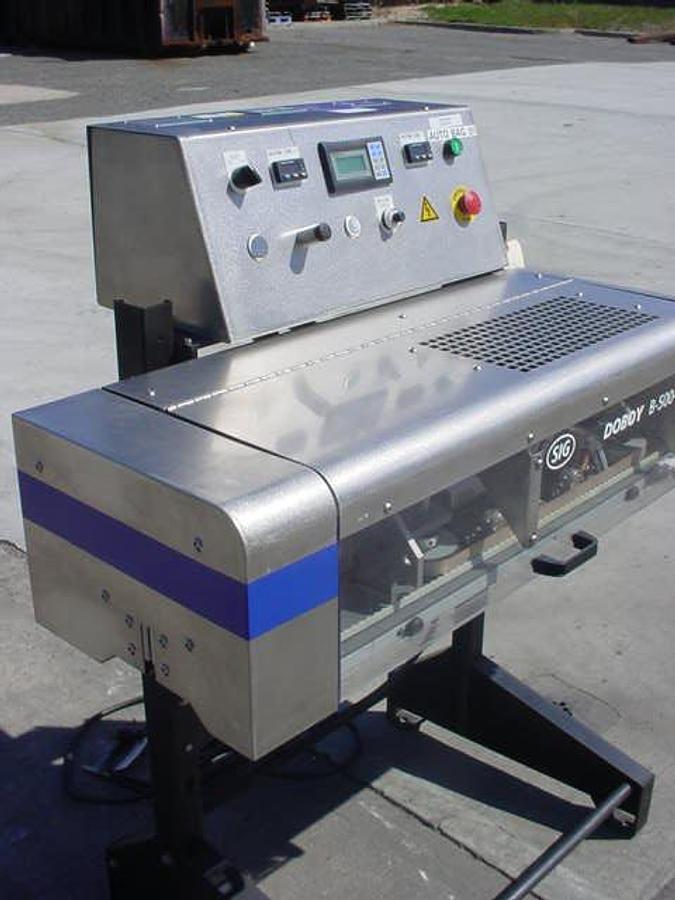
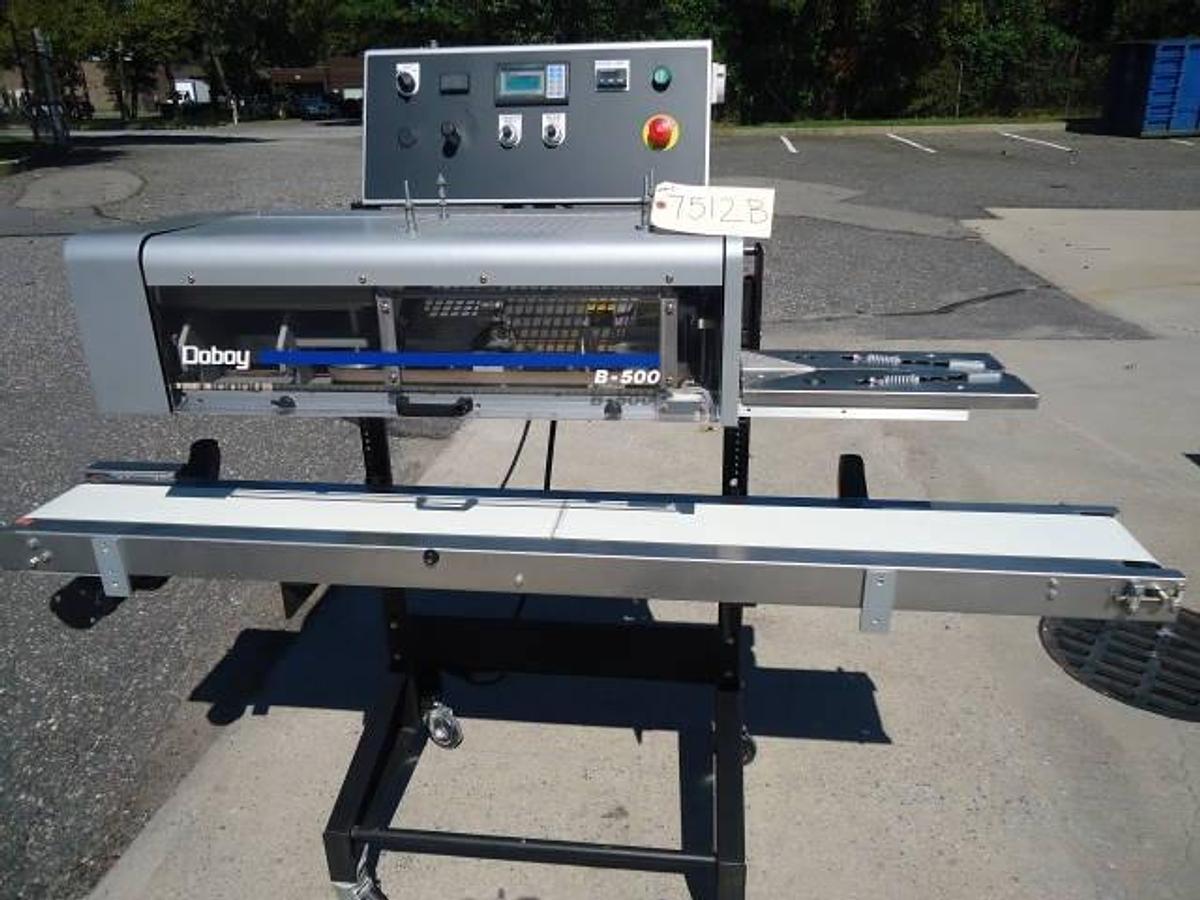
Band sealers like the Doboy B-500 and B-500M (the latter being a medical-grade variant) are frequently available and are valued for their straightforward operation and consistent sealing quality. Horizontal wrappers such as the Super Mustang and the Microtronic Stainless Steel Overwrapper are popular picks for food and pharmaceutical lines that need high throughput. Portable bag sealers, including models produced under the Bosch/Doboy label after the brand acquisition, also appear on the used market and suit smaller-volume or flexible packaging operations. Buyers researching used Doboy equipment should take note of the specific model suffix and configuration, since options like stainless steel construction or medical-grade components significantly affect both suitability and price.
Which industries use Doboy packaging machinery?
Doboy equipment has a strong foothold in the food processing industry, where horizontal flow wrappers are used to package baked goods, confectionery, snack bars, crackers, fresh produce, and frozen items. The machines are designed to handle a wide variety of product shapes and sizes at high speeds, which makes them practical for bakeries, snack manufacturers, and fresh-food packers. Beyond food, Doboy machines are widely used in the pharmaceutical and medical device sectors, particularly the medical-grade band sealer variants that are built to meet stricter hygiene and material standards.
Non-food industrial applications are also common. Hardware, consumer goods, and personal care products are routinely packaged on Doboy horizontal wrappers because the machines can accommodate rigid and semi-rigid items as readily as they handle soft food products. The brand's reputation for precision and longevity means that even older used machines remain competitive in demanding production environments. Buyers from the pharmaceutical sector in particular should verify that the specific used machine they are evaluating carries the appropriate construction standard (stainless steel, medical-grade sealing bars, etc.) before purchase, since not all Doboy models are built to the same regulatory specification.
What is the typical price range for used Doboy packaging machinery?
Pricing for used Doboy equipment varies considerably depending on machine type, model, age, condition, and configuration. Entry-level portable bag sealers and basic band sealers tend to be the most affordable, often falling in a range that makes them accessible to small and mid-sized operations. High-speed horizontal flow wrappers, particularly stainless steel or medical-grade models, command significantly higher prices because of their mechanical complexity and the cost of comparable new equipment. The Super Mustang series, for example, is a high-output machine that retains strong resale value.
Condition is the single biggest pricing variable in the used machinery market. A machine that has been well-maintained, recently serviced, and comes with documented history will typically sell for more than one being offered with no records and unknown run hours. Buyers should also factor in the full landed cost of a machine, including shipping, rigging, and any reconditioning work needed before the machine goes back into production. Getting quotes from multiple reputable dealers and comparing not just the machine price but the total cost of acquisition gives a clearer picture of actual value. Consulting directly with dealers who specialize in packaging machinery tends to yield more accurate pricing than relying on broad aggregator estimates.
Are parts and technical support still available for legacy Doboy machines?
Doboy was acquired by Bosch Packaging Technology, which later transitioned into Syntegon Technology in 2020. That corporate evolution affects parts availability for older Doboy equipment. For relatively recent models, Syntegon service centers may still carry or be able to source components, though buyers should contact Syntegon directly to confirm support availability for the specific model and serial number they are considering. Older or discontinued models may have limited factory support, which is a meaningful consideration when evaluating a used machine purchase.
For legacy equipment that has aged out of manufacturer support, specialized third-party parts suppliers and independent packaging machinery technicians often fill the gap. Many Doboy machines were built to high mechanical standards and use components that are either still available from aftermarket suppliers or can be fabricated. Before purchasing a used Doboy machine, it is worth consulting with the manufacturer (or Syntegon as the current successor entity) to get a realistic picture of what parts and service resources exist for that particular model. Buyers should also ask dealers whether they have any spare parts included with the machine, as that can add real practical value to the purchase.
How fast are Doboy packaging machines in terms of production output?
Production speed on Doboy machines depends heavily on the model and the product being packaged. The Doboy Super Mustang horizontal wrapper, one of the more recognizable models in the line, is rated at up to 120 packages per minute, making it a genuinely high-output machine suited for large-scale food and consumer goods production. Other horizontal wrapper models in the Doboy range operate at lower speeds, which can actually be an advantage for operations that need precise control or are running shorter product runs where a high-speed machine would be harder to justify.
Band sealers like the B-500 series operate on a continuous basis, meaning throughput is measured differently than on a flow wrapper. Speed on a band sealer is typically expressed in feet or meters per minute of belt travel, and the practical output depends on bag length and how quickly operators can feed product. For buyers evaluating a used Doboy machine, the rated speed of the machine is a starting point, but actual throughput in a specific application will depend on product dimensions, film type, changeover time, and line integration. Asking dealers for the machine's production specifications and, where possible, reviewing any available run records helps set realistic expectations.
What should buyers look for when inspecting a used Doboy machine before purchasing?
A thorough inspection of a used Doboy machine should cover both mechanical condition and documentation. On the mechanical side, key areas to examine include the condition of sealing bars or sealing jaws, the state of the drive belts and chains, the condition of film tracking components on horizontal wrappers, and the general integrity of the frame and guards. Electrical components, including control panels and sensors, deserve close attention because sourcing replacements for older controls can be more difficult than finding mechanical parts. Any signs of corrosion, improvised repairs, or missing safety guarding are worth flagging.
Documentation matters just as much as physical condition. Maintenance logs, service records, and any available operator manuals give buyers insight into how the machine was used and whether it received regular upkeep. Reputable used equipment dealers will typically accommodate in-person inspections at their facility, or offer virtual inspections via video call or recorded video walkthrough for buyers who cannot travel. In some cases, a machine may still be in active production at a facility, in which case the dealer can often arrange an inspection at the plant. Keep in mind that most dealers do not have the permitting or infrastructure to run production-scale tests with actual product, so the inspection will focus on mechanical operation rather than a full production trial.
What film types and packaging materials are compatible with Doboy equipment?
Doboy horizontal flow wrappers are designed to run a wide range of flexible packaging films, including oriented polypropylene (OPP), polyethylene (PE), polypropylene laminates, and various heat-sealable films. The specific film compatibility for any given machine depends on its sealing system and the temperature range of its sealing jaws. Most Doboy wrappers can be configured or adjusted to handle different film gauges and seal temperatures, giving operators flexibility across product changeovers. Some models are better suited to thin, lightweight films used in confectionery, while others handle heavier laminates used for frozen or fresh food applications.
For Doboy band sealers, compatible materials include most polyethylene and polypropylene bag stocks, as well as foil-laminate bags when the sealer is equipped with appropriate settings. The B-500M medical-grade models are designed to handle packaging materials that meet pharmaceutical and medical device standards, including Tyvek-based pouches in some configurations. Buyers sourcing a used Doboy machine for a specific film type should verify compatibility with the dealer and, if possible, with a Syntegon technical resource, since running an incompatible film can damage sealing components and produce poor seal integrity. Having the film specifications on hand before the inspection makes it easier to evaluate whether a particular used machine is a practical fit.
How does used Doboy machinery compare to buying new packaging equipment?
Used Doboy machines offer a meaningful cost advantage over purchasing comparable new packaging equipment, which is the primary reason the used market for this brand remains active. Doboy built equipment with a reputation for mechanical durability, and many machines from this line have service lives that extend well beyond what buyers might expect from less robustly constructed alternatives. A well-maintained used Doboy wrapper or sealer can deliver years of additional production at a fraction of the capital outlay required for new equipment, which is particularly attractive for operations expanding capacity or replacing aging machines on a tighter budget.
The trade-offs are real, though. Used machines are sold as-is, meaning the buyer takes on the risk associated with the machine's prior history, wear, and any deferred maintenance. There is no manufacturer warranty on used equipment, and parts availability for older models may require more effort to secure than it would for current production machines. Buyers who do their due diligence by selecting reputable dealers, conducting thorough inspections, and verifying parts availability before purchase can manage most of that risk effectively. For operations that need a proven, high-quality packaging machine without the lead time or cost of new equipment, a used Doboy machine is a well-regarded option in the packaging industry.
What are the typical shipping and logistics considerations when buying used Doboy machinery?
Shipping used packaging machinery involves more planning than standard freight. Doboy machines range from relatively compact band sealers to large horizontal flow wrappers, and the size and weight of the machine directly affects packaging requirements, carrier selection, and cost. Smaller machines like portable bag sealers can often ship on a standard pallet with appropriate blocking and bracing, while larger wrappers may require custom crating to prevent damage in transit. Buyers should ask dealers specifically how the machine will be packaged and what that packaging cost includes, since crating fees can be a significant line item.
Larger Doboy machines may also require professional rigging for loading at the dealer's facility and unloading at the buyer's location. Rigging involves specialized equipment and trained personnel to safely move heavy machinery, and those costs are typically separate from the freight quote. Buyers should request a full breakdown of all shipping-related costs, including palletization or crating, rigging, freight, and any accessorial charges, to understand the true landed cost of the machine before committing to a purchase. International buyers face additional considerations around customs documentation, import duties, and compliance with destination-country regulations, all of which should be clarified with the dealer early in the process.
What payment terms do used packaging machinery dealers typically require?
Most used equipment dealers require full payment before a machine ships. This is standard practice in the industry and reflects the nature of used machinery transactions, where the dealer needs confirmation of cleared funds before releasing equipment. For buyers purchasing from a dealer for the first time, payment in full prior to shipment is almost universally the expectation. Wire transfer is the most common payment method for machinery purchases given the transaction sizes involved, though dealers may accept other forms of payment depending on the amount and the buyer's location.
Some dealers extend payment terms to repeat customers with whom they have an established relationship, but this is not the norm for first-time buyers. Buyers who need financing for a used machinery purchase typically arrange that independently through equipment financing companies or their own banking relationships before approaching a dealer. It is worth asking a dealer upfront what payment methods they accept and whether any flexibility exists on terms, but buyers should plan their acquisition assuming full prepayment will be required. Clarifying payment expectations early in the process avoids delays once a purchase agreement is reached.