Category
Manufacturer
Model
FAQ:
What types of Dietrich Reimelt equipment are typically available on the used machinery market?
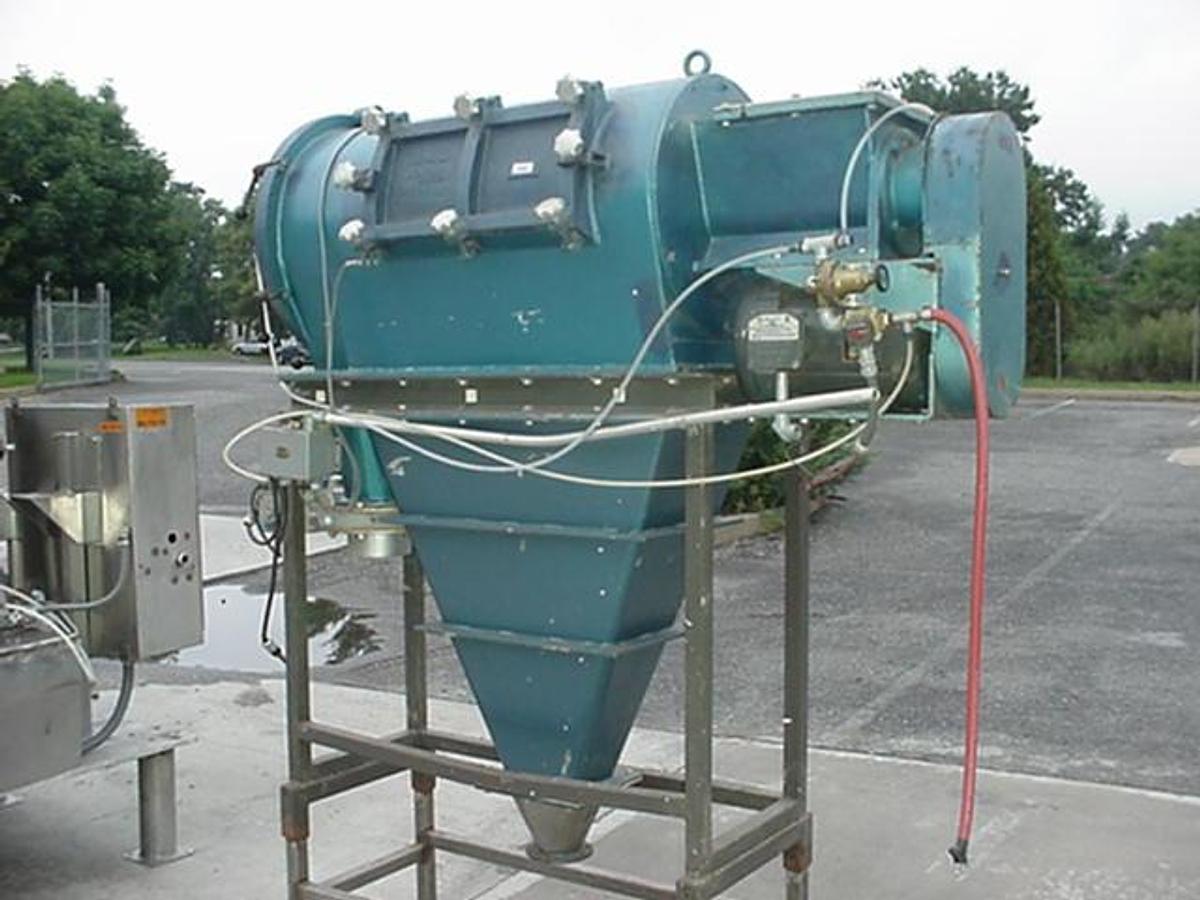
Dietrich Reimelt built a wide range of industrial processing equipment over the years, with their strongest reputation in mixing, kneading, and continuous dough processing systems. On the used market, buyers commonly find batch mixers, continuous mixers, kneading machines, powder handling systems, and centrifugal sifters. A specific example of the type of equipment that surfaces through specialized dealers is the Reimelt Continuous Centrifugal Powder Sifter, which is available in explosion-proof (XP) configurations suited for handling fine powders in sensitive production environments.
Beyond sifting and powder handling, Dietrich Reimelt was particularly well regarded for large-scale dough processing lines used in industrial bakeries and food manufacturing facilities. Their continuous mixing systems were engineered for high-throughput production, which is why these machines remain in demand long after they leave active service. Because the equipment was built to demanding German engineering standards, it tends to have a long operational lifespan, meaning used units sourced through reputable dealers can still deliver reliable performance in the right application.
What industries is Dietrich Reimelt equipment best suited for?
Dietrich Reimelt equipment was designed primarily for food processing, with the bakery and confectionery industries being the most prominent end users. Their continuous mixing and dough processing systems became standard equipment in large-scale industrial bread, pastry, and baked goods production facilities across Europe and internationally. The machines were engineered to handle high-viscosity doughs and sensitive mixing processes that require precise control over hydration, temperature, and mixing intensity.
Beyond baking, Dietrich Reimelt equipment also found application in the broader food ingredients sector, including flour and starch handling, as well as in chemical processing environments where powder handling, blending, and sifting are required. Their explosion-proof (XP) equipment configurations, such as centrifugal powder sifters, reflect the fact that the machines were designed for environments where combustible dust is a real safety concern. Buyers from the pet food, nutraceutical, and specialty chemical industries have also sourced Dietrich Reimelt equipment for similar processing needs.
What should I know about spare parts availability for used Dietrich Reimelt machines?
Spare parts availability for Dietrich Reimelt equipment is a practical concern that buyers should research before completing a purchase. Dietrich Reimelt as a standalone brand has undergone corporate changes over the years, which can affect the level of direct manufacturer support available for older models. Before buying a used machine, it is worth contacting the current corporate successor or authorized service network to ask specifically about parts availability for the model and serial number in question, since age and model generation can significantly impact what is still stocked or manufacturable.
In many cases, buyers find that wear parts such as seals, screens, and drive components can be sourced through third-party industrial suppliers even when the original manufacturer no longer actively supports a machine. Consulting with a specialized used equipment dealer who has experience with Dietrich Reimelt machinery can also help, since dealers who focus on a particular industry often have knowledge of the parts ecosystem and can point buyers toward reliable sources. Getting clarity on parts availability before purchase is one of the most important steps in evaluating the true long-term cost of ownership for any used processing machine.
How do I verify the condition of a used Dietrich Reimelt machine before buying?
Inspecting a used Dietrich Reimelt machine before purchase is critical, and reputable dealers will typically accommodate in-person visits, live video walkthroughs, or recorded video inspections of the equipment. An in-person inspection is the most thorough option when feasible, allowing a buyer or their technician to physically examine wear components, check for signs of corrosion or damage, review the electrical panel, and assess the overall mechanical condition. In some cases, equipment being sold is still installed at an active production facility, which gives buyers the additional benefit of seeing the machine in or near its working environment.
It is important to understand that most used equipment dealers are not set up to run full production tests, as doing so requires production-grade permitting and facility infrastructure that a resale operation does not typically maintain. What dealers can do is demonstrate mechanical function, show that motors run, and provide documentation such as photos, videos, and any available service records. Buyers should ask specifically what documentation is available and request a detailed condition report. For high-value Dietrich Reimelt systems, hiring an independent machinery appraiser or sending a qualified technician to perform the inspection is a reasonable step that can prevent costly surprises after delivery.
What is the typical price range for used Dietrich Reimelt industrial equipment?
Pricing for used Dietrich Reimelt equipment varies considerably depending on the type of machine, its size and capacity, age, condition, and how specialized the application is. Smaller powder handling and sifting equipment will generally be priced lower than a full continuous mixing or dough processing line, which can represent a substantial capital investment even on the secondary market. Because Dietrich Reimelt machines were built to a high standard of German engineering, they tend to retain stronger resale value than comparable equipment from less established manufacturers, which is reflected in their pricing on the used market.
Buyers should factor in more than just the purchase price when evaluating the total cost of acquisition. Shipping, rigging, crating, and any required installation or recommissioning work can add meaningfully to the landed cost of a large industrial machine. Contacting the selling dealer directly to get a full breakdown of these costs before committing to a purchase is a sound practice. Comparing the total landed and installed cost against the price of alternative equipment, including newer machines from other manufacturers, gives buyers the clearest picture of value.
Does used Dietrich Reimelt equipment meet current food safety and hygiene standards like EHEDG or FDA compliance?
Dietrich Reimelt built much of their food processing equipment to European hygiene engineering standards, and many of their machines were designed with sanitary construction principles in mind, including smooth internal surfaces, minimal dead zones, and materials compatible with food contact requirements. However, whether a specific used machine meets current EHEDG guidelines, FDA food contact material requirements, or other applicable standards depends on the exact model, its configuration, and any modifications made during its service life. Standards have also evolved over the decades, so older machines may not fully align with the most current versions of these guidelines without some retrofitting.
Buyers purchasing used Dietrich Reimelt equipment for food production should have the machine reviewed by a food safety or sanitation engineer before putting it into service. This review should assess gasket and seal materials, surface finishes in product contact zones, cleanability of all internal components, and whether any modifications to the machine during its prior use affect its compliance status. Regulatory compliance is ultimately the responsibility of the production facility, not the equipment dealer, so conducting this due diligence before installation is essential for any food-grade application.
Can used Dietrich Reimelt equipment be retrofitted with modern PLC controls or updated automation?
Retrofitting older Dietrich Reimelt machinery with modern PLC-based controls is a common approach taken by buyers who want to extend the useful life of a mechanically sound machine while bringing its automation capabilities up to current standards. Many of the core mechanical and processing components in Dietrich Reimelt equipment, such as mixing chambers, drive systems, and material handling assemblies, were built with significant longevity in mind. The electrical and control systems, by contrast, are often the first elements to become obsolete or difficult to support, making a controls retrofit a practical investment.
The feasibility and cost of a controls upgrade depend on the specific machine and how it was originally configured. Buyers should consult with an automation integrator or a controls engineer who has experience with industrial food processing equipment before purchasing a machine with the intent to retrofit it. In some cases, the machine's mechanical design will accommodate modern sensors and actuators straightforwardly. In others, the retrofit may require more extensive engineering work. Getting a preliminary assessment from a qualified integrator before finalizing a purchase helps buyers make a realistic estimate of the total investment required to get the machine running to modern standards.
What capacity ranges are available for used Dietrich Reimelt mixing and processing systems?
Dietrich Reimelt produced equipment across a range of capacities, from smaller batch processing units suitable for pilot production or specialty runs, to large continuous mixing and processing systems designed for high-volume industrial output. Their continuous mixing systems in particular were engineered for industrial-scale bakery and food production, where throughput requirements can reach several tons of product per hour. The availability of specific capacities on the used market at any given time depends on what has recently come out of service and entered the secondary market through dealers.
Buyers with specific throughput or batch size requirements should communicate those parameters clearly when contacting a used equipment dealer. Dealers who specialize in food processing machinery will typically have a sense of what Dietrich Reimelt configurations are most commonly available and can help match a buyer's production needs to the right machine. It is also worth considering that some Dietrich Reimelt systems were designed as modular lines, meaning individual components from a larger system may be available separately, which can be useful for buyers looking to replace or supplement a specific piece of their existing process rather than acquire a complete line.
Why is Dietrich Reimelt equipment sold primarily through specialized used machinery dealers rather than directly?
Dietrich Reimelt, like most industrial equipment manufacturers, did not operate a direct secondary market for machines that had completed their service life at a customer facility. When a food producer, bakery, or chemical plant decommissions processing equipment, the machinery typically enters the secondary market through specialized used equipment dealers who have the expertise, contacts, and infrastructure to appraise, list, and resell industrial machines. These dealers serve as intermediaries between the original owner and the next buyer, handling logistics, inspections, and the practical complexities of moving large industrial machinery.
For buyers, purchasing through a dealer who specializes in food and bakery processing equipment offers meaningful advantages over trying to source machinery directly from a plant closure or auction. Specialized dealers understand the equipment they carry, can provide more detailed condition information, and are better positioned to facilitate inspections and answer technical questions about a specific machine. The trade-off is that dealer pricing reflects the value they add through sourcing, preparation, and service. Buyers should prioritize dealers with a demonstrated track record in the food processing machinery sector, as industry-specific expertise significantly reduces the risk of acquiring equipment that is unsuitable for the intended application.
What are the typical shipping and logistics considerations when buying used Dietrich Reimelt equipment?
Shipping large industrial processing equipment like Dietrich Reimelt mixers and sifting systems involves logistics considerations that go well beyond standard freight. Machines of this type typically require professional rigging for loading at the seller's location and unloading at the buyer's facility. Rigging involves specialized equipment such as forklifts, cranes, or skidding systems, and the cost of this work is usually in addition to the freight charge itself. Buyers should ask the selling dealer for a complete breakdown of packaging, crating, rigging, and freight costs before agreeing to a purchase, as these expenses can be substantial for heavy industrial machinery.
Packing and crating requirements also vary based on the size and fragility of the equipment and the distance it needs to travel. Smaller components may ship on standard pallets with appropriate blocking and bracing, while larger machines or complete systems may require custom-built wooden crates to prevent damage in transit. For international shipments, export crating and compliance with import regulations at the destination country add further complexity and cost. Buyers should confirm with the dealer exactly what packaging will be used and who is responsible for arranging freight, so there are no surprises when the machine arrives. Getting freight quotes from multiple carriers and understanding the full landed cost is an essential part of evaluating any used equipment purchase.