Category
Manufacturer
Model
Delaval
Delaval specializes in providing equipment for the dairy industry, particularly known for their milking systems and herd management solutions. Their technology is designed to improve milk production efficiency and animal welfare. Delaval’s commitment to innovation helps farmers optimize their operations.
FAQ:
What types of used DeLaval dairy equipment are typically available for sale?
DeLaval produces one of the broadest product lines in the dairy industry, and used examples of nearly every category show up on the secondary market. The most commonly available equipment includes milking clusters, vacuum pumps, teat dip systems, herringbone parlor components, rotary parlor systems, and centrifuge separators. Robotic milking units such as the DeLaval Voluntary Milking System (VMS) also appear on the used market as farms upgrade or consolidate operations. Specialty items like the DeLaval Contour Bowl Centrifuge are also available through used equipment dealers, making it possible to source fairly specific pieces of processing or separation equipment without going through a manufacturer.
Beyond the milking hardware itself, DeLaval built much of its reputation on herd management technology, so buyers sometimes find ancillary components like activity meters, milk meters, and parlor control units available alongside the mechanical equipment. The availability of any specific model or configuration varies depending on what farms in a given region are decommissioning or upgrading at a particular time. Buyers with a specific model in mind are generally best served by contacting specialized used dairy equipment dealers directly, since inventory turns over quickly and not everything makes it to general listing platforms.
What should I know before buying used DeLaval milking equipment?
Buying used DeLaval milking equipment requires a different mindset than purchasing from a manufacturer. Used machines are sold as-is, which places the responsibility for evaluating condition squarely on the buyer. That makes the inspection process critical. Buyers should request detailed photos, video walkthroughs, or in-person visits to assess wear on rubber components like liners and hoses, the condition of stainless steel surfaces, and the operational state of electronic controls. If the equipment is still installed and running at a farm, some dealers can arrange an inspection at the actual facility, which gives the clearest picture of how the machine has been maintained.
It is also worth contacting DeLaval directly before committing to a purchase, particularly for older models. The manufacturer can advise on whether parts are still produced for a given unit and what level of technical support to expect, since parts availability and service documentation can vary significantly by model age. Selecting a dealer who specializes in dairy equipment rather than a general industrial reseller is another meaningful safeguard. Specialized dealers are more likely to accurately represent the condition of milking-specific components and to understand what reconditioning, if any, has been performed on the unit.
How does the DeLaval Voluntary Milking System (VMS) work, and why do farms choose it?
The DeLaval Voluntary Milking System is a robotic milking platform that allows cows to be milked on their own schedule rather than at fixed parlor times. Each cow wears a transponder that identifies her when she enters the milking box. The robot arm then locates and attaches teat cups automatically using a combination of sensors and cameras, milks the cow, applies post-milking teat dip, and releases her. The system records individual milk yield, conductivity, and other quality indicators for every milking session, feeding that data into farm management software for health and production monitoring.
Farms that adopt the VMS typically cite labor reduction as the primary driver. A single robotic unit can handle a herd of roughly 50 to 70 cows with minimal human involvement in the actual milking process, which is meaningful on operations where finding reliable milking labor is difficult. The system also tends to increase milking frequency per cow, which can improve total milk output per lactation. On the used equipment market, VMS units appear when farms expand to larger multi-box installations or exit dairy production entirely, and they represent one of the higher-value categories of used DeLaval equipment available.
What is the typical price range for used DeLaval dairy equipment?
Pricing on used DeLaval equipment spans a very wide range because the product line itself covers everything from small individual components to complete automated milking installations. Smaller items like individual milking clusters, vacuum pumps, or teat dip applicators can sell for a few hundred to a few thousand dollars depending on age and condition. Mid-range equipment such as parlor control units, milk meters, or centrifuge separators typically falls somewhere between a few thousand and tens of thousands of dollars. Complete parlor systems, rotary setups, or robotic VMS units represent the upper end of the market and can run into six figures for well-maintained, relatively recent models.
The final landed cost of any used dairy equipment purchase also needs to account for more than the listed price. Shipping, rigging, crating, and any reconditioning or installation work can add meaningfully to the total. Buyers should ask dealers for a clear breakdown of packaging requirements, freight costs, and any rigging fees before committing, particularly for large or heavy equipment that requires specialized loading and unloading. Getting that full picture upfront prevents budget surprises and allows for a more accurate comparison across different equipment options.
Does used DeLaval equipment come with a warranty?
Used dairy equipment, including DeLaval machines sold through third-party dealers, is almost universally sold on an as-is basis. Manufacturer warranties are tied to the sale of equipment directly through authorized channels and do not transfer to subsequent owners in most cases. This is standard practice across the used industrial and agricultural equipment market, not something specific to DeLaval or dairy equipment. The absence of a warranty is the primary reason that thorough pre-purchase inspection matters so much when buying used.
Buyers can manage this risk in a few practical ways. Choosing a dealer with a long track record in the dairy equipment segment is one of the most effective safeguards, since reputable specialists have reputations to protect and are more likely to represent equipment condition accurately. Requesting an inspection, whether in person or via detailed video, before purchase is another standard practice. Consulting with DeLaval about the specific model under consideration can also clarify what parts and service documentation remain available, which affects long-term ownership costs even if no formal warranty coverage exists.
What is a DeLaval centrifuge separator, and what is it used for in dairy processing?
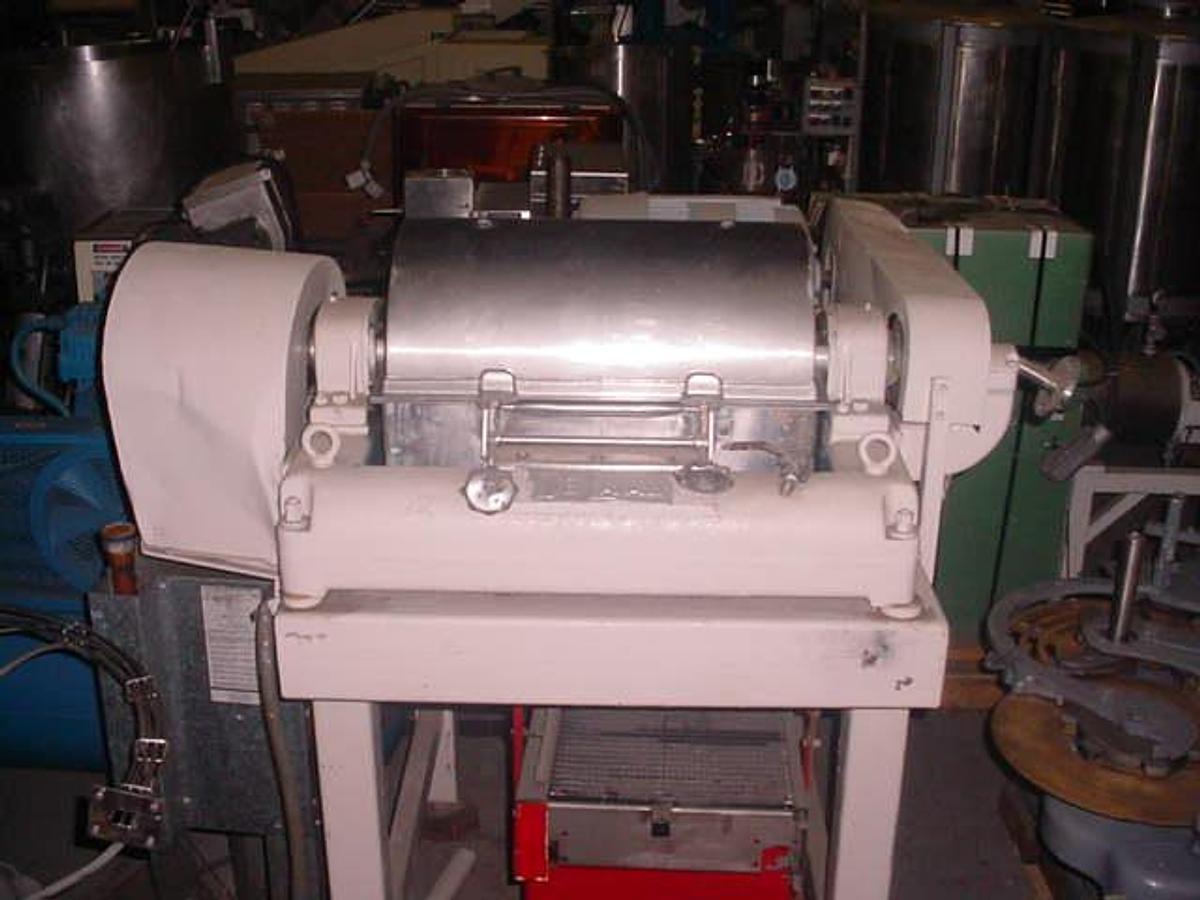
A centrifuge separator is a piece of processing equipment that uses high-speed rotation to separate milk into its component fractions based on density differences. In dairy applications, centrifuge separators are most commonly used to separate cream from skim milk, to clarify raw milk by removing sediment and somatic cells, or to standardize fat content before further processing. DeLaval has produced several centrifuge models over the years, including bowl-style centrifuges with stainless steel construction suited for food-grade dairy environments. The Contour Bowl Centrifuge is one example of this category.
These machines are used in both on-farm processing setups and in larger commercial dairy plants. For smaller operations that process their own milk for direct sale or artisan products, a used centrifuge separator can be a cost-effective way to add cream separation or milk clarification capability without the capital outlay of purchasing a new unit. Buyers considering a used centrifuge should pay close attention to the condition of the bowl, discs, and seals, as these components are subject to wear and are critical to both separation efficiency and food safety compliance. Inspection of the internal components is especially important for this equipment category.
How does DeLaval's herd management technology integrate with their milking equipment?
DeLaval built a farm management platform called DelPro that is designed to aggregate data collected by their milking hardware and present it in a format useful for day-to-day herd management decisions. The system pulls in individual cow data from milk meters, activity monitors, and robotic milking units, then organizes it into reports covering milk yield trends, health alerts, reproductive status, and feeding recommendations. The integration is tightest with DeLaval's own equipment, though the platform has been designed to work across different parlor configurations.
For buyers of used DeLaval equipment, the software integration question is worth thinking through carefully. Older DeLaval milking hardware may have been designed for earlier versions of the management software, and compatibility with current platforms is not guaranteed. Buyers should verify which software version the equipment was running and whether that version is still supported before assuming the data management capabilities will carry over into their operation. In some cases, the milking hardware itself may function well even if the associated management software has reached end-of-support, but buyers should have a clear picture of that situation before purchase.
Are replacement parts readily available for used DeLaval dairy equipment?
Parts availability for DeLaval equipment depends heavily on the age and model of the machine. DeLaval is a large, established manufacturer with a global service network, and for equipment produced within roughly the last 10 to 15 years, parts are generally accessible through authorized service channels. Wear items like liners, short milk tubes, and seals are typically stocked by dealers and service providers because they require regular replacement regardless of machine age. Electronic control components and proprietary sensors can be harder to source as models age out of active production support.
For older or discontinued models, the secondary parts market becomes more important. Used DeLaval components are available through the same types of specialized dealers that sell complete machines, and in some cases, decommissioned equipment is purchased specifically for parts. Before buying a used DeLaval system, it is worth contacting the manufacturer directly to understand the current parts and service situation for that specific model. This step can reveal whether a given machine is well-supported or approaching a point where maintenance will become significantly more difficult, which is a meaningful factor in assessing the true cost of ownership.
What should buyers expect regarding shipping and logistics for used DeLaval dairy equipment?
Shipping used dairy equipment involves more planning than standard freight because many DeLaval machines are large, heavy, and contain components that are sensitive to impact or vibration. Proper packaging is essential to prevent damage in transit. Depending on the size and fragility of the equipment, this can range from basic palletization with protective wrapping to full custom crating. The cost of packaging and crating is typically the buyer's responsibility and should be factored into the total purchase budget from the start. Buyers should ask dealers specifically about the packaging approach being used and what protection is included before finalizing a purchase.
For larger equipment like complete parlor systems, rotary components, or robotic milking units, specialized rigging is usually required for both loading at the origin and unloading at the destination. This means hiring rigging crews or heavy equipment like forklifts and cranes, which adds to the landed cost. Buyers who do not have appropriate unloading equipment at their facility need to arrange that in advance. Getting a full freight quote that includes rigging, transport, and any fuel surcharges before committing to a purchase allows for an accurate comparison of the total cost across different equipment options or sellers.
What payment terms are typical when purchasing used DeLaval equipment from a dealer?
Most used equipment dealers require full payment before a machine is released for shipping. This is standard practice in the secondary equipment market and applies broadly across dairy equipment and other industrial categories. The reasoning is straightforward: used equipment transactions do not involve the same financing infrastructure as manufacturer sales, and dealers carry real inventory risk. Wire transfer is the most common payment method for transactions of any significant size, though dealers may accept other forms of payment for smaller purchases.
Some dealers extend payment terms to buyers with whom they have an established relationship and a history of repeat transactions, but first-time buyers should generally plan for full payment upfront. Buyers who need financing should explore agricultural lending options through farm credit institutions or equipment financing companies before approaching a dealer, since having financing arranged in advance simplifies the transaction. It is worth discussing payment expectations with a dealer early in the conversation, particularly for high-value equipment like robotic milking systems, so there are no surprises on either side when it comes time to close the deal.