Category
Manufacturer
Model
FAQ:
What types of food equipment does Daniels manufacture?
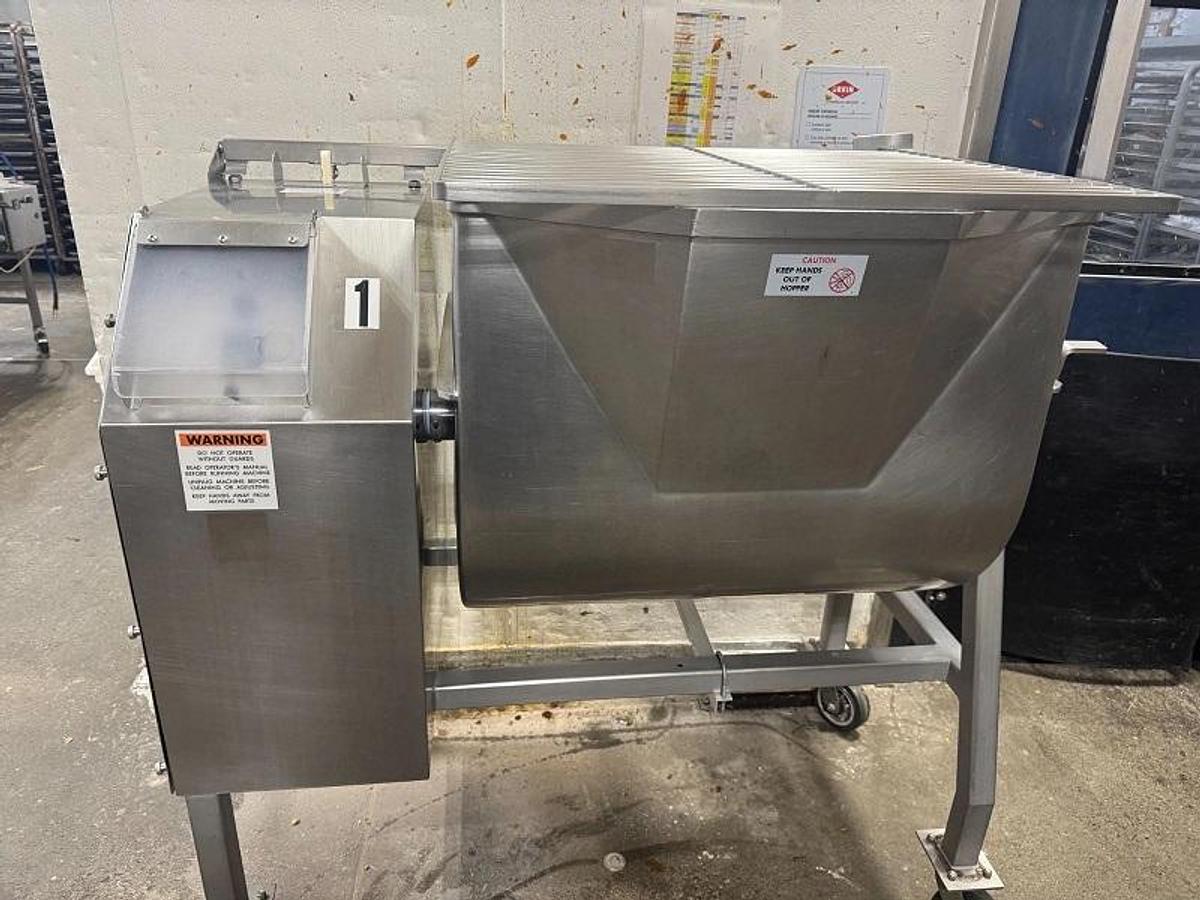
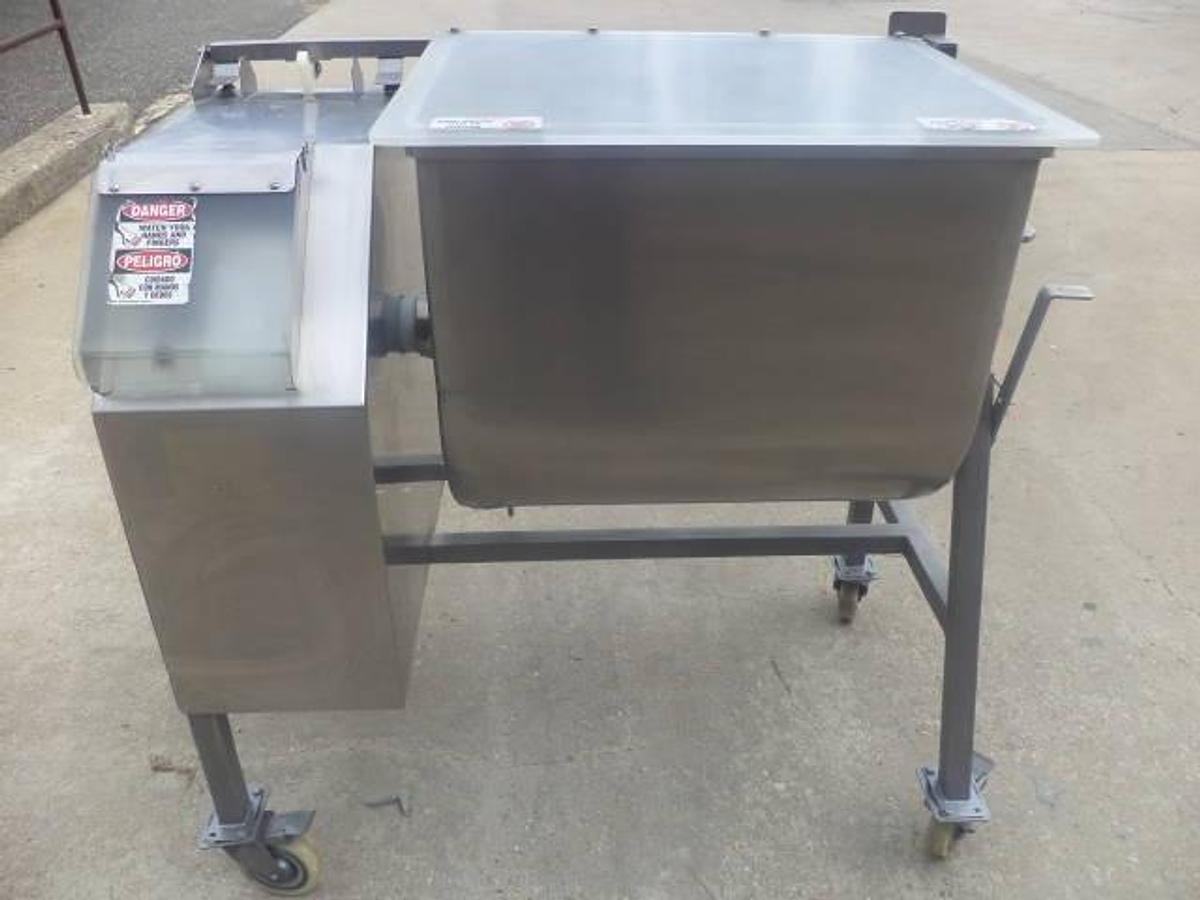
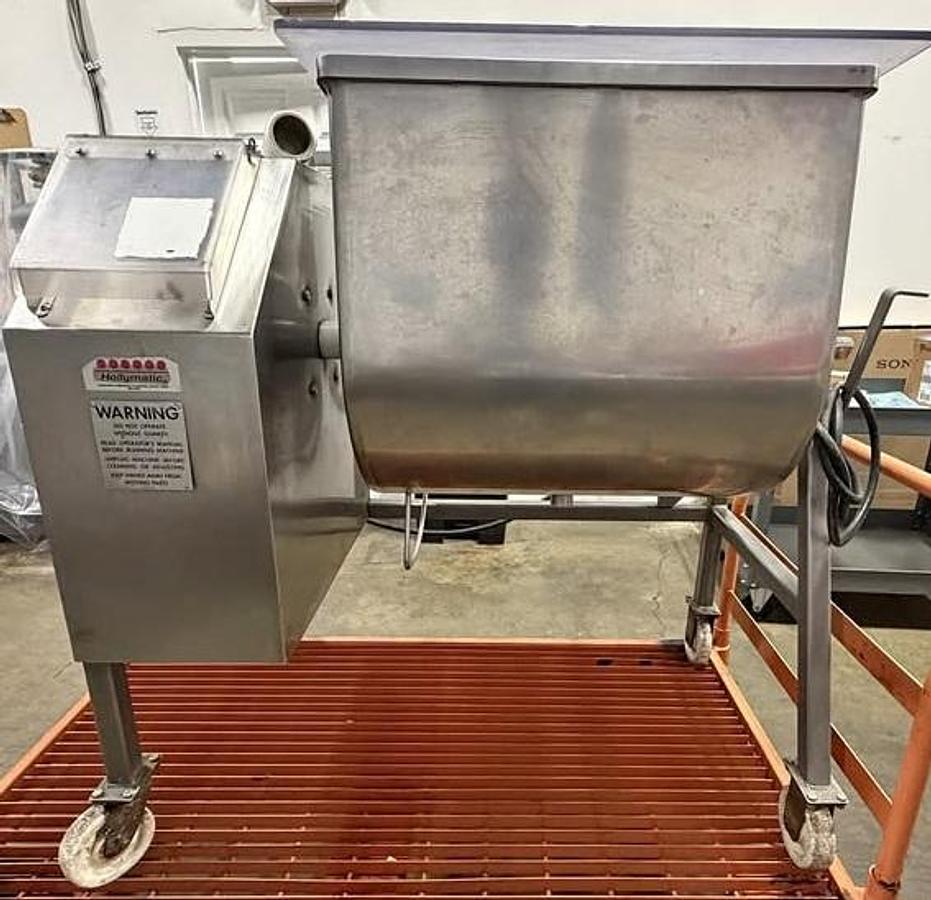
Daniels is known for producing commercial-grade food processing equipment, with a particular focus on meat mixing and blending machinery. Their lineup includes stainless steel meat mixers and blenders available in various capacities, such as 200 lb. and 500 lb. models, designed to handle the demands of high-volume food production environments. The equipment is built for professional use in settings like meat processing plants, commercial kitchens, delis, and food manufacturing facilities.
Models like the Daniels DMX-20 QUAD and larger capacity variable-speed blender/mixer units reflect the brand's emphasis on durability and processing efficiency. Variable speed controls are a common feature across their mixer line, giving operators precise control over blending consistency, which is critical in commercial meat processing applications where texture and uniformity directly affect product quality.
What should I know about buying used Daniels food equipment?
Purchasing used Daniels food equipment can be a cost-effective way to acquire commercial-grade processing machinery without the price tag of buying directly from a manufacturer. Used equipment dealers typically sell these machines as-is, meaning the buyer takes on the responsibility of thoroughly evaluating the condition of the equipment before committing to a purchase. This makes choosing a reputable dealer with a long track record in the food equipment sector especially important.
Buyers should request detailed photos, video walkthroughs, or in-person inspections to assess the machine's current working condition. It is also worth contacting Daniels directly to understand what parts and technical support are still available for the specific model and age of the unit you are considering, since older machines may have limited manufacturer support. Taking these steps upfront helps avoid unexpected costs down the road.
Why is stainless steel construction important in commercial food processing equipment?
Stainless steel is the material of choice in commercial food processing for several well-established reasons. It is non-porous, which means it does not harbor bacteria the way other materials can, making it far easier to sanitize to the standards required by food safety regulations. It also resists corrosion from the acidic compounds found in many food products, as well as from the industrial cleaning agents used in commercial kitchens and processing facilities. Daniels meat mixers and blenders are constructed with stainless steel contact surfaces for exactly these reasons.
From a longevity standpoint, stainless steel holds up well under continuous heavy-duty use, which is a significant factor in the total cost of ownership for any piece of food processing equipment. Health departments and third-party auditors routinely inspect equipment materials during facility reviews, and stainless steel construction is typically a baseline requirement for compliance. When evaluating used stainless steel equipment, buyers should inspect welds, seams, and interior surfaces for pitting, cracks, or signs of corrosion that could compromise both hygiene and structural integrity.
What industries and applications are Daniels meat mixers and blenders used for?
Daniels meat mixers and blenders are primarily used in commercial meat processing operations, including sausage production, ground beef blending, deli meat preparation, and other protein processing applications. Facilities that rely on this type of equipment include butcher shops, meat packing plants, food manufacturing companies, grocery store meat departments, and catering operations that process large quantities of protein products. The ability to handle high-capacity loads, such as the 500 lb. models in Daniels' lineup, makes this equipment suited for production-scale environments rather than small-batch or residential use.
Beyond traditional meat processing, commercial mixers of this type are sometimes used in food manufacturing for blending seasoned products, marinated proteins, or specialty meat blends where consistent mixing is critical to the final product. Variable speed functionality, which is a feature on several Daniels models, allows operators to adapt the equipment to different product viscosities and mixing requirements, broadening the range of applications the machine can handle within a single facility.
How should I inspect used commercial food equipment before buying?
A thorough inspection is one of the most important steps in any used food equipment purchase. Reputable dealers will typically offer in-person inspections, virtual walkthroughs, or recorded video of the machine in question. The goal is to get an accurate picture of the equipment's current mechanical condition, visible wear, and any signs of damage or prior repairs. For mixers and blenders, pay close attention to the motor, drive components, mixing paddles or blades, and the condition of all stainless steel surfaces, particularly welds and seams.
Keep in mind that most used equipment dealers are not set up to run full production tests, as that requires food-grade permitting and facility infrastructure that a dealer typically does not have. Some machines may still be installed at an active processing facility, in which case the dealer may be able to arrange an inspection at the plant where you can observe the equipment in operation. If the machine has already been decommissioned, a visual and mechanical inspection combined with a review of its maintenance history, if available, is the next best approach. Always ask the dealer about the machine's age, last known use, and any known issues before proceeding.
What certifications should I look for when evaluating commercial food processing equipment?
Certifications are a practical consideration when sourcing commercial food equipment, particularly for facilities that undergo health department inspections or third-party audits. NSF International certification is one of the most widely recognized standards in the food service industry, indicating that equipment meets specific sanitation and material safety requirements. UL and CE markings are relevant for electrical safety compliance, with CE being the standard for equipment used in European markets and UL being common in North American facilities.
For used equipment, the original certification status of the machine may not always be transferable or verifiable, especially if the unit has been modified or repaired after leaving the manufacturer. Buyers should ask dealers whether certification documentation is available for the specific unit being sold. It is also advisable to consult with your local health authority or a food safety compliance specialist to confirm what certifications or standards your facility is required to meet, since requirements can vary by state, municipality, and the type of food being processed.
What is the typical price range for used commercial meat mixers and blenders?
Pricing for used commercial meat mixers and blenders varies considerably depending on capacity, model, age, condition, and brand reputation. Smaller units in the 20 to 100 lb. capacity range can be found in the low thousands of dollars on the used market, while larger capacity machines, such as 200 lb. or 500 lb. models, typically command higher prices reflecting their size, motor power, and production capability. Daniels equipment, given its commercial-grade construction and stainless steel build, generally holds its value reasonably well compared to lighter-duty alternatives.
Beyond the purchase price, buyers should factor in the total landed cost of the equipment, which includes shipping, rigging, and any reconditioning or parts replacement needed to bring the machine up to operating standards. A lower sticker price on a used unit can quickly narrow in value if significant mechanical work is required after delivery. Requesting a detailed condition report from the dealer and, where possible, getting an independent assessment from a qualified technician before finalizing the purchase helps ensure the price reflects the actual value of the machine.
How does shipping and freight work for used commercial food processing equipment?
Shipping used commercial food equipment involves more logistical planning than standard parcel delivery. Machines like meat mixers and blenders are heavy, often require palletization or custom crating to prevent damage in transit, and may need specialized freight carriers rather than standard couriers. The level of packaging required, whether a basic pallet wrap or a fully enclosed wooden crate, will affect the shipping cost, and buyers should ask dealers specifically what packaging is included in the quoted price.
Larger or heavier units may also require rigging services for loading at the dealer's facility and unloading at the destination, which adds to the overall cost. Buyers should request a full breakdown of shipping, rigging, and packaging charges before finalizing a purchase so there are no surprises on the landed cost. If the equipment is being shipped a long distance or internationally, additional considerations like customs documentation, freight insurance, and delivery access at the receiving facility all need to be addressed in advance.
What payment terms are standard when purchasing used food equipment from a dealer?
Most used equipment dealers require full payment before a machine is released for shipping. This is standard practice in the industry and reflects the nature of used equipment transactions, where machines are typically sold as-is and dealers need to confirm funds before arranging logistics. Payment methods vary by dealer but commonly include wire transfer, certified check, or credit card, with some dealers applying a processing fee for card payments on larger transactions.
Some dealers may offer extended payment terms to repeat customers or established buyers with a prior purchasing history, but this is not the norm for first-time transactions. Buyers should clarify payment expectations early in the process, particularly for higher-value equipment, to avoid delays once a purchase decision has been made. If financing is needed, third-party equipment financing companies that specialize in commercial food processing machinery are an option worth exploring independently of the dealer.
How do I evaluate whether a specific used Daniels mixer model still has parts and support available?
Parts availability is a practical concern with any used commercial equipment purchase, and it is worth investigating before committing to a specific model. The age of the machine is the primary factor, as older units may have components that are no longer manufactured or stocked by the brand. Contacting Daniels directly with the model number and approximate year of manufacture is the most reliable way to get accurate information on parts availability and the level of technical support the manufacturer can still provide for that unit.
In addition to manufacturer support, it is worth checking whether third-party parts suppliers or food equipment repair specialists carry compatible components for the model in question. For common parts like mixing paddles, seals, and drive belts, aftermarket options are often available even when manufacturer stock is limited. Dealers who specialize in food processing equipment are also a useful resource, as they often have working knowledge of which models have strong aftermarket support and which ones present more risk from a parts standpoint.